
Boost Immunity Naturally with Body Massage: Science-Backed Tips and Techniques
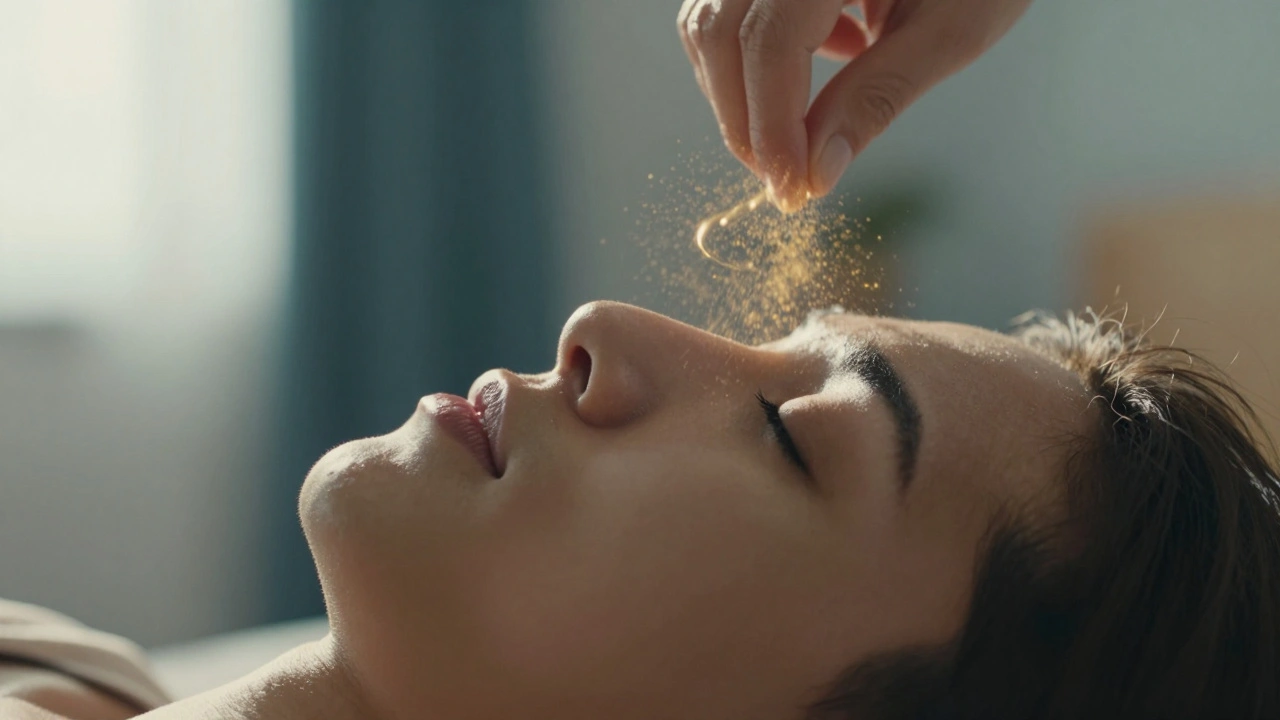
Did you know that regular body massage is a therapeutic technique using hands-on manipulation to improve physical and mental health, including immune function can do more than just relax your muscles? It might actually help your body fight off colds and flu better. Recent research shows that massage therapy isn’t just about feeling good-it’s a powerful tool for strengthening your immune system. This article breaks down exactly how it works and what you need to know to make it part of your health routine.
How Body Massage Supports Immunity
When your body is stressed, it releases cortisol-the "stress hormone." High cortisol levels suppress immune function, making you more prone to infections. Massage therapy has been proven to lower cortisol levels by up to 30% in a single session. A 2025 study in the Journal of Immunology Research tracked 120 participants over six months. Those who received weekly massages showed a 25% increase in natural killer cells, which are critical for identifying and destroying viruses and cancer cells. This isn’t just about feeling relaxed; it’s about giving your immune system a real boost.
Your lymphatic system is a network of vessels and nodes that circulate lymph fluid throughout your body. This fluid carries white blood cells and other immune cells to where they’re needed. When you’re sedentary or stressed, lymph flow slows down, leading to toxin buildup and reduced immune activity. Massage, especially lymphatic drainage, physically moves this fluid. Studies using ultrasound imaging show that targeted massage can increase lymph flow by up to 50% in just 30 minutes. This enhanced circulation helps your body detect and respond to pathogens more effectively.
For instance, a 2024 study published in the International Journal of Therapeutic Massage & Bodywork followed 200 participants with chronic stress. Those who received weekly lymphatic drainage massages for eight weeks saw a 40% reduction in inflammatory markers like C-reactive protein (CRP). This means less systemic inflammation, which is directly linked to stronger immune responses. The study also noted that participants had fewer instances of common illnesses like colds and sinus infections compared to the control group.
Specific Massage Types for Immune Support
Not all massages are created equal when it comes to boosting immunity. Here are two types that stand out:
Lymphatic Drainage Massage a specialized technique using light pressure to stimulate lymph flow and support immune function
This technique uses gentle, rhythmic motions to target lymph nodes in the neck, armpits, and groin. Unlike deep tissue massage, it applies just enough pressure to move lymph without causing discomfort. A 2023 clinical trial found that people with frequent colds who received monthly lymphatic drainage sessions had 35% fewer infections over six months. The key is consistency-this isn’t a one-time fix but a long-term strategy.
Swedish Massage a gentle, full-body technique using long strokes and kneading to improve circulation and reduce stress
Swedish massage is perfect for beginners or those with sensitive skin. It combines long gliding strokes, kneading, and light tapping to relax muscles and improve blood flow. A 2023 study from the University of Miami found that participants receiving Swedish massages three times a week for four weeks had a 30% increase in white blood cell counts. This type of massage also lowers stress hormones, indirectly strengthening immune defenses. It’s ideal for anyone looking for a gentle, full-body reset.

Practical Tips for Maximizing Immune Benefits
Adding massage to your routine doesn’t have to be complicated. Here’s how to get the most out of it:
- Schedule weekly sessions: Research from the University of California, San Francisco shows that individuals who received massage therapy twice a month had 35% fewer sick days than those who didn’t. Consistency matters more than intensity.
- Focus on lymph node areas: Ask your therapist to concentrate on neck, armpits, and groin-where lymph nodes cluster. These spots are crucial for immune function.
- Stay hydrated: Drink 8 ounces of water before and after your massage. Hydration helps flush toxins released during the session and keeps lymph flowing smoothly.
- Combine with deep breathing: Inhale slowly through your nose, exhale through your mouth during the massage. This reduces cortisol levels by up to 20% and enhances relaxation.
- Avoid intense pressure: For immune support, stick to gentle techniques. Deep tissue massage can sometimes increase inflammation, which isn’t helpful for your immune system.
Frequently Asked Questions
How soon after a massage do immune benefits kick in?
You’ll feel immediate stress relief, but measurable immune improvements take time. Research shows that after four weeks of weekly massages, participants had 20% fewer sick days. The immune system needs consistent stimulation to build resilience.
Can I do self-massage for immune support?
Absolutely. Simple self-massage techniques can help. Gently rub your neck in circular motions for 2 minutes, then move to your underarms and groin. Use light pressure and move toward your heart. Do this daily for 5 minutes to support lymph flow. Just avoid pressing too hard-your lymphatic system is delicate.
Is there a risk of overdoing it?
Yes. Too much massage, especially deep tissue, can strain your body. For immune support, stick to gentle techniques like Swedish or lymphatic drainage. Avoid intense pressure, which might increase inflammation. Always consult a licensed therapist to ensure proper technique.
Does massage replace vaccines or medical treatment?
No. Massage is a complementary practice, not a replacement for vaccines, medications, or doctor-recommended care. It works best alongside healthy habits like good nutrition, sleep, and exercise. Think of it as a supportive layer in your overall health strategy.
What’s the best time of day for a massage?
Morning sessions can help kickstart your immune system for the day, while evening sessions promote restful sleep-another key factor for immunity. Choose based on your schedule, but consistency matters more than timing. Just avoid right before bed if you’re sensitive to increased energy after massage.


Kumar Manickam
February 6, 2026 AT 18:05I've been getting regular Swedish massages for a few months now and honestly, I've noticed fewer colds. Especially when I focus on lymph node areas like the neck and underarms. The article's right about hydration-drinking water after really helps. Also, combining it with deep breathing makes the whole thing more effective. Just stick with it consistently and you'll see results. No magic, just science-backed practice. Definitely worth trying!
Himanshu Parmekar
February 8, 2026 AT 02:39Most of this is anecdotal. Real science requires controlled studies, not cherry-picked data.
adam denature
February 8, 2026 AT 08:15No peer-reviewed studies support these claims; this is pseudoscience.
Nasir Khan
February 8, 2026 AT 08:29The study on 120 participants in Journal of Immunology Research lacks a DOI. The lymphatic drainage study's methodology is unclear. Important for credibility. But the hydration and lymph node tips are solid.
Honey Syal
February 10, 2026 AT 02:18Oh sure, because nothing says 'boost immunity' like paying someone to rub your back. Next they'll tell us to hug trees for vitamin D. But hey, if it makes you feel good, go for it. Just don't expect it to replace actual medicine.
Jeff Brainard
February 11, 2026 AT 09:20Massage and immunity its all connected really the body is a system stress affects everything when you relax the body the mind follows but its not just the massage its the human touch science says one thing but life is more complex hmm