
Full Body Massage: The Perfect Gift for Yourself and Loved Ones
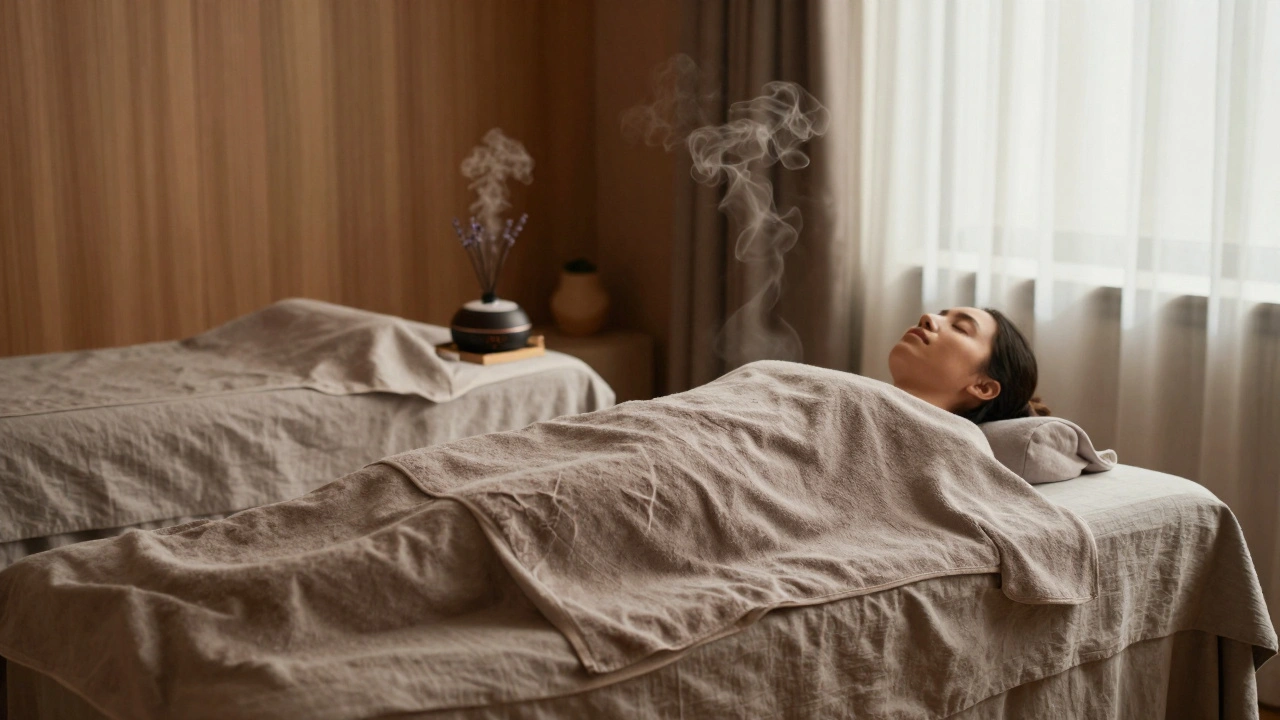
There’s a quiet kind of luxury that doesn’t cost a fortune but changes your whole week. It’s not a new phone, a designer bag, or a weekend getaway. It’s a full body massage. And if you’ve ever felt like your body is holding onto stress you didn’t even know you were carrying, you already know why this matters.
Why a Full Body Massage Isn’t Just a Treat - It’s a Reset
A full body massage isn’t about pampering. It’s about repair. Your shoulders tense up from staring at screens. Your lower back tightens from sitting too long. Your neck aches from carrying emotional weight. These aren’t minor annoyances. They’re signals your body is running on overload.
Studies from the Journal of Clinical Psychiatry show that regular massage reduces cortisol - the stress hormone - by up to 31%. At the same time, serotonin and dopamine levels rise. That’s not magic. That’s physiology. A 60-minute session can reset your nervous system like a hard reboot for your body.
Think of it like changing your phone’s battery. You don’t wait until it dies. You charge it before it hits 5%. Your body works the same way. A full body massage isn’t something you do when you’re broken. It’s something you do to stay whole.
What Happens During a Full Body Massage?
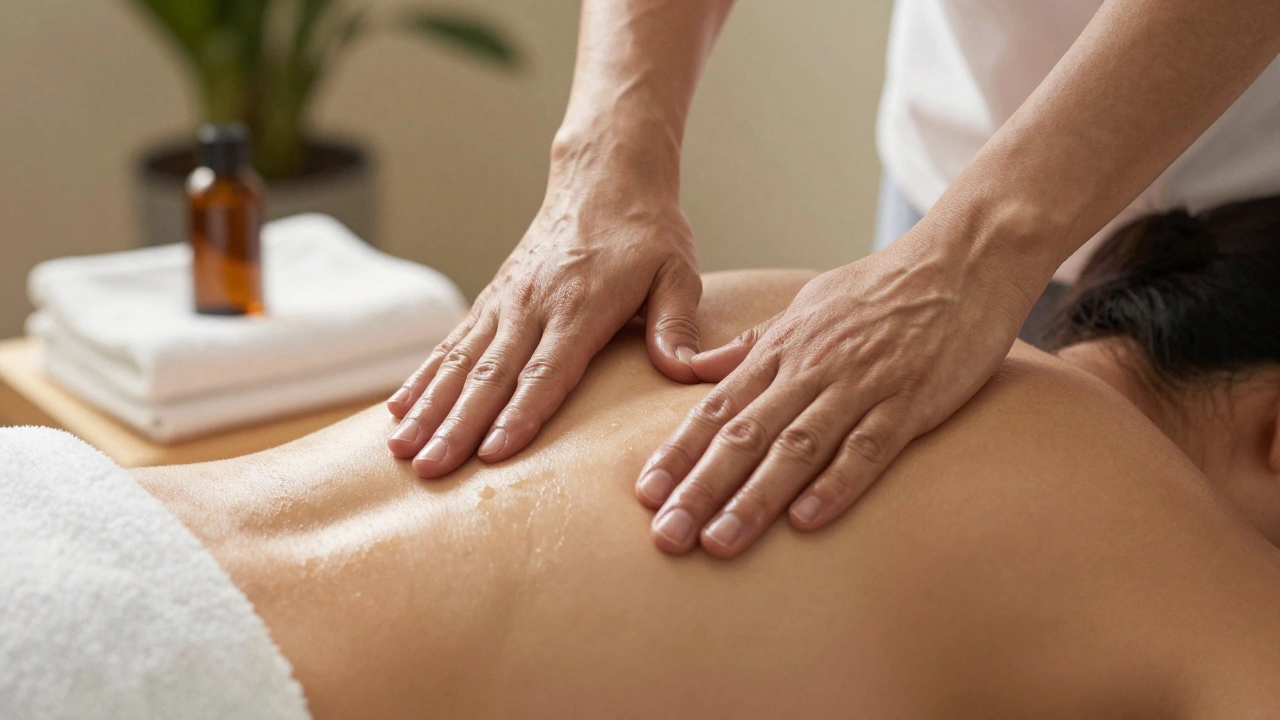
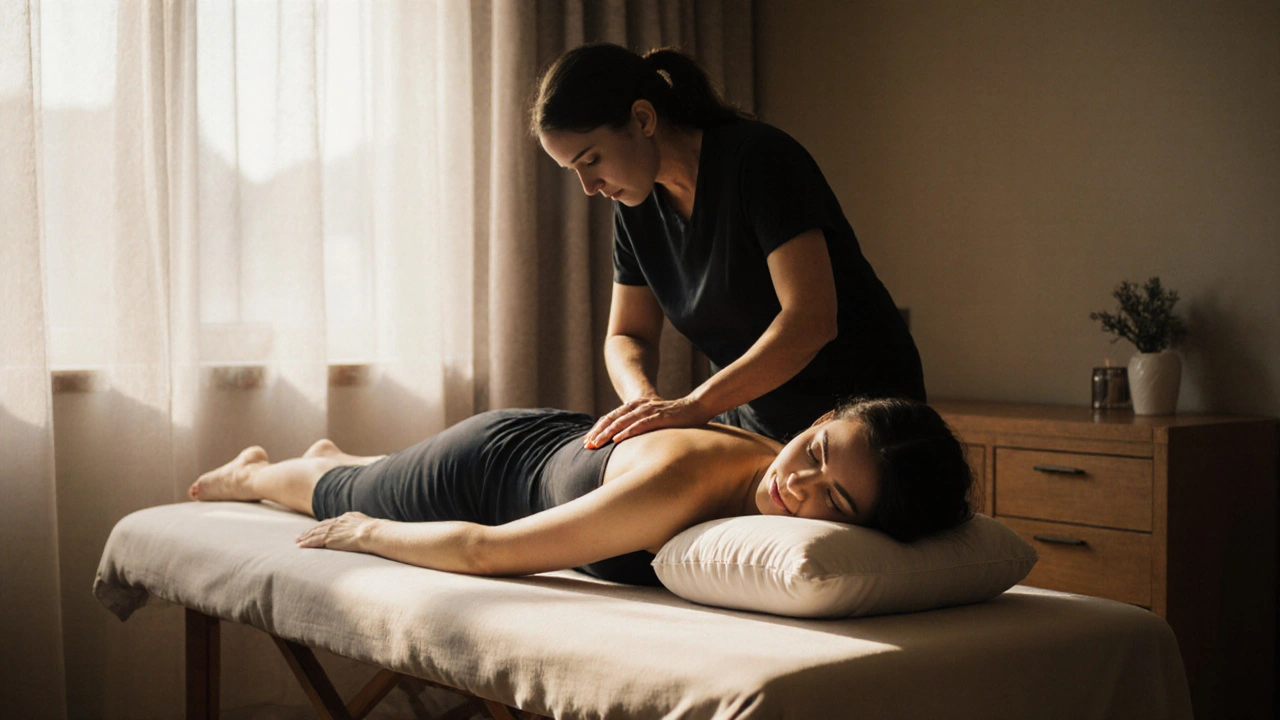
It’s not just rubbing. A proper full body massage follows a sequence designed to release tension from head to toe. It starts with gentle strokes to calm the nervous system. Then comes deeper work on the back, shoulders, and neck - the usual suspects where stress hides. Legs get attention next: tight hamstrings, stiff calves, and achy feet are common complaints. The arms and hands get attention too - places most people forget they even use all day.
The therapist uses oils or lotions to reduce friction. Pressure is adjusted to your comfort. You’re never forced into pain. Good massage doesn’t hurt. It releases. It’s the difference between someone pressing on a knot and someone helping the knot untangle itself.
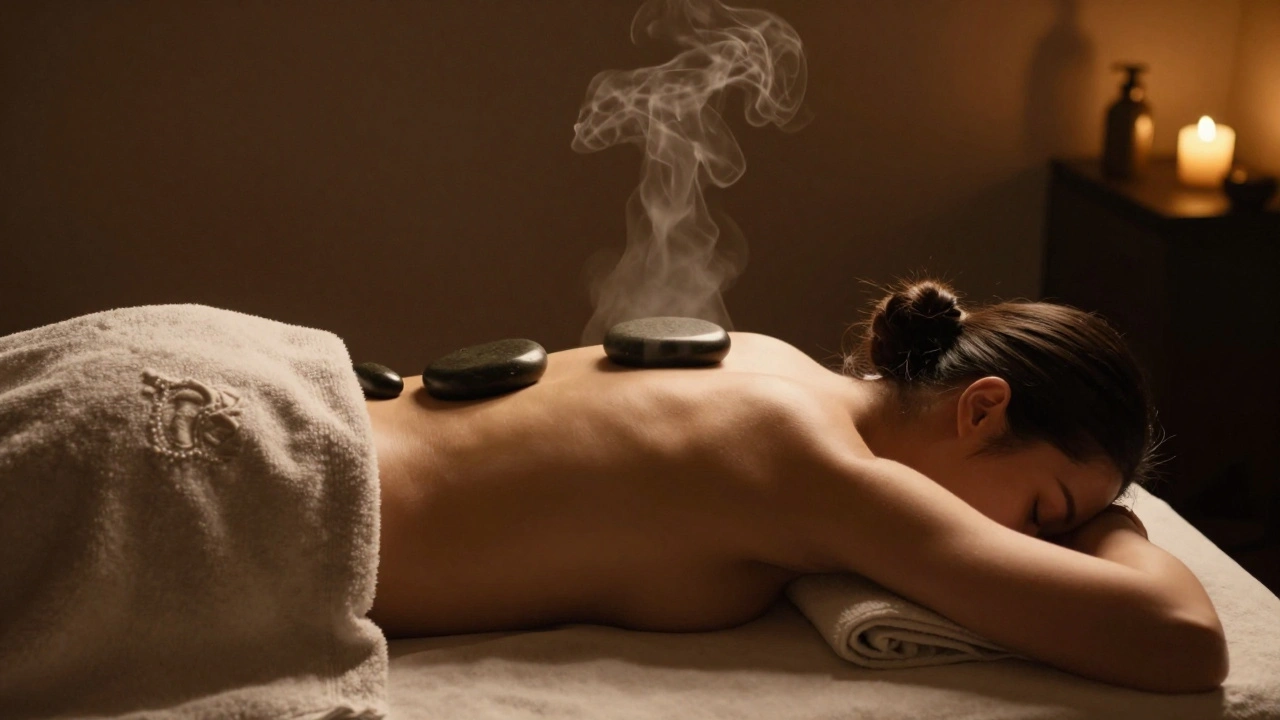
Most sessions last 60 to 90 minutes. You lie on a warm table, covered with towels. Music plays softly. The room smells like lavender or eucalyptus. And for the first time in weeks, you’re not checking your phone. You’re not thinking about deadlines. You’re just breathing.
Why Giving a Full Body Massage Is the Best Gift You Can Give
Birthdays, anniversaries, Christmas - we buy things that collect dust. A full body massage? It leaves a mark on the body, not the closet.
Think about someone you care about. Maybe it’s your mum, who works double shifts. Or your partner, who’s been juggling kids and work for months. Or your best friend, who never says they’re tired but always looks exhausted. What do they really need? More stuff? Or rest?
A massage gift card is quiet, thoughtful, and deeply personal. It says: I see how hard you’re working. I know you don’t take time for yourself. And I want you to have this.
Unlike a dinner out or a bottle of wine, a massage doesn’t come with a hangover. It comes with clarity. Better sleep. Less pain. A calmer mind. Those are gifts that keep giving.
Who Benefits Most From a Full Body Massage?
Everyone. But some people benefit more - and need it more.
- Office workers: Sitting 8+ hours a day tightens hip flexors, flattens the spine, and crushes the shoulders. Massage reverses that.
- Parents: Carrying kids, lack of sleep, constant noise - it wears you down. A massage gives your nervous system a chance to unclench.
- People with chronic pain: Arthritis, fibromyalgia, lower back issues - massage reduces inflammation and improves mobility without drugs.
- High achievers: CEOs, athletes, creatives - they push hard. But they don’t always recover well. Massage speeds up recovery and prevents burnout.
- Anyone feeling emotionally drained: Grief, anxiety, loneliness - the body holds onto these. Massage helps release them.
You don’t need a diagnosis to benefit. You just need to feel like you’ve been running on empty for too long.
How to Choose the Right Massage Experience
Not all massages are the same. Here’s what to look for:
- Location: A quiet, clean space matters. If the room smells like cleaning products or feels cluttered, walk away. Good massage happens in calm environments.
- Therapist experience: Ask if they’re licensed. In the UK, look for members of the Complementary and Natural Healthcare Council (CNHC). They follow strict hygiene and training standards.
- Customisation: A good therapist will ask about your pain points, injuries, and goals. No two bodies are the same. Your massage should reflect that.
- Duration: 60 minutes is the sweet spot for a full body session. Less than that and you’re skipping areas. More than 90 minutes can feel overwhelming.
- Price: In London, expect £50-£80 for a 60-minute session. Anything below £40? Be cautious. Massage is skilled work. You get what you pay for.
Don’t fall for gimmicks. No need for hot stones, crystals, or music with dolphin sounds. Just skilled hands, a quiet room, and time.

Make It a Ritual - Not a One-Off
One massage won’t fix a lifetime of tension. But one massage a month? That changes everything.
Set a date on your calendar. Treat it like a doctor’s appointment. Don’t cancel it because you’re “too busy.” That’s when you need it most.
Some people buy a package of four sessions. Others give themselves a massage on their birthday. Some couples book side-by-side sessions. There’s no right way - just the way that works for you.
Think of it as preventative care. Just like brushing your teeth, you don’t wait until your gums bleed. You do it daily. Massage is the same. It’s maintenance for your nervous system.
What to Expect After Your First Session
You might feel deeply relaxed. Or you might feel a little sore - especially if you’ve been tense for years. That’s normal. Your muscles are waking up.
Drink water. It helps flush out toxins released during the massage. Avoid caffeine or alcohol right after. Give yourself space to rest. Maybe take a quiet walk. Or just sit with your eyes closed for 10 minutes.
Within 24 hours, most people report better sleep. Less stiffness. A lighter mood. By the third day, you might notice you’re breathing deeper. Your shoulders are lower. You’re smiling more.
That’s the real gift. Not the oil. Not the table. Not even the therapist. It’s the quiet return to yourself.
Final Thought: You Deserve This
We live in a world that tells us to keep going. To push harder. To be productive even when we’re tired. But your body isn’t a machine. It’s a living, breathing system that needs care - not just when it breaks, but before it does.
A full body massage is the simplest, most effective way to say: I matter. I’m worth this time. I’m not just a worker, a parent, a partner - I’m a person who needs rest.
And if you’re thinking of giving one to someone else? You’re not just giving a service. You’re giving permission. Permission to rest. To be held. To feel safe for an hour. That’s rare. That’s powerful. That’s the kind of gift that lasts.
somya katiyar
January 8, 2026 AT 04:32I got my first massage last month after my mom gave me a gift card for my birthday. I was skeptical-like, how much can one hour really do? But after? I slept like a baby for three nights straight. My neck hasn’t felt this loose in years. I didn’t even know I was holding my breath all day until I stopped doing it.
Now I book one every month. No excuses. Even if I’m broke, I skip coffee for two weeks and save up. Worth every penny.
Timi Shodeyi
January 8, 2026 AT 22:54Actually, the science here is solid-cortisol reduction by 31% is backed by multiple meta-analyses in the Journal of Clinical Psychiatry, and serotonin elevation correlates with improved sleep architecture in randomized trials. But I’d caution against overstating ‘detoxification’; massage doesn’t flush toxins. That’s a myth peddled by spas. Hydration helps recovery, yes-but not because you’re ‘releasing toxins.’
Still, the restorative effect is real. Just don’t let marketing language fool you.
F. Erich McElroy
January 9, 2026 AT 10:48LMAO this is so basic. You paid $70 to be told to breathe? Congrats, you just paid for a 60-minute nap with someone’s hands on you. I’ve been doing yoga, foam rolling, and cold plunges for five years. A massage is just a glorified spa pamper session for people who can’t handle real recovery.
Also, ‘lavender and eucalyptus’? Please. That’s not therapy, that’s a Bath & Body Works commercial.
Brittany Parfait
January 11, 2026 AT 09:18I cried during my first massage
not because it hurt
but because no one had ever touched me with care in so long
it wasn’t about the oil or the music
it was about being allowed to be still
and not having to explain why I needed it
you don’t need a diagnosis to deserve rest
you just need to be alive
Renee Bach
January 12, 2026 AT 05:36Just got back from my monthly massage and I’m still floating 😭
the therapist massaged my feet and I swear I forgot my name for 10 minutes
also I’m now obsessed with peppermint oil
and yes I cried again
why is this so healing??
everyone needs this
like… right now
go book one
please
Chase Chang
January 13, 2026 AT 11:37Bro. You’re telling people to ‘book a massage like a doctor’s appointment’? Like it’s that simple? Have you seen the waitlists in NYC? I had to wait 11 weeks for a licensed therapist. And don’t get me started on the price gouging. $80? That’s a steal-my therapist charges $120 and she’s amazing.
But here’s the truth: if you’re not doing mobility work, stretching, and sleep hygiene, massage is just a Band-Aid. You’re treating symptoms, not causes.
Also, ‘dolphin music’? That’s not a gimmick-that’s a therapeutic frequency for parasympathetic activation. You’re just mad you don’t know the science.
Edith Mcdouglas
January 14, 2026 AT 14:56Let’s be real-this entire post reads like a sponsored ad from a wellness influencer who just got certified in ‘Reiki Fusion’ after a 3-day course. Massage isn’t magic. It’s manual therapy. And if you’re relying on it to ‘reset your nervous system,’ you’re ignoring the root causes: poor posture, chronic stress, and screen addiction.
Also, ‘lavender and eucalyptus’? That’s aromatherapy, not medicine. And ‘toxins’? Please. The liver handles toxins. Not your glutes.
Don’t get me wrong-I’m not against massage. But don’t sell it as a spiritual reset. It’s not. It’s skilled labor. Treat it like physical therapy, not a self-help TikTok trend.
Ryan Frioni
January 14, 2026 AT 22:45Okay but what if you’re broke? What if you’re a single mom working two jobs and your kid has asthma? Do you really think a massage is the answer?
People act like this is a universal solution. It’s not. It’s a luxury for people who have the time, money, and emotional bandwidth to even consider it.
Meanwhile, I’m on Medicaid waiting for a physical therapist who can actually fix my sciatica. A massage won’t fix a herniated disc.
Stop romanticizing self-care. Not everyone has the privilege to ‘reset.’
Amar Ibisevic
January 15, 2026 AT 04:15Bro I’m from Delhi and I got my first massage from this guy who runs a little shop near the train station-no fancy oils, no music, just his hands and a hot towel
Cost me 300 rupees
and I swear I felt my spine pop back into place
we don’t need all the hype
just someone who knows what they’re doing
and a quiet room
and the courage to say ‘I need this’
also I told my cousin and now she goes every week
we’re like a massage cult but lowkey
Gabby Eniola
January 17, 2026 AT 01:03I gave my dad a massage gift card after he had his heart surgery
he didn’t want it at first
said he was fine
but he went last week
came home and just sat on the porch for an hour
didn’t say a word
then handed me a cup of tea
and smiled
that’s the gift