
How Body Massage in London is Transforming Wellness Culture
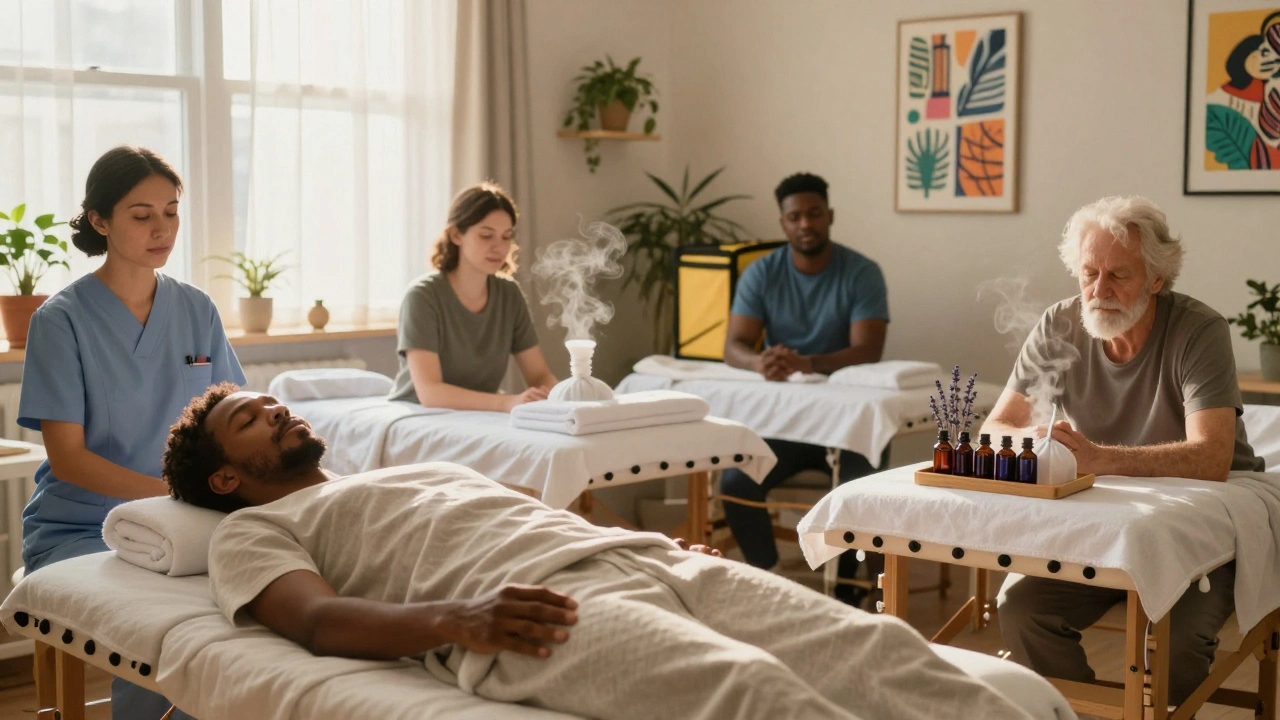
London used to be a city that ran on caffeine and hustle. You’d see people sprinting between Tube stations, lunching at their desks, and skipping sleep to meet deadlines. But something’s changed. Over the last five years, body massage in London has gone from a luxury treat to a regular part of weekly wellness routines. It’s no longer just for CEOs or celebrities. It’s for teachers, delivery drivers, nurses, students, and remote workers who are tired of carrying stress in their shoulders and lower backs.
From Treat to Routine
Five years ago, getting a body massage in London meant booking a spa day, wearing a robe, and paying £120 for 60 minutes. Now, you can walk into a clinic in Peckham, Shoreditch, or Clapham and get a 50-minute deep tissue session for £45. The shift isn’t just about price. It’s about access. Mobile massage therapists now offer outcall services in over 80% of London postcodes. People are scheduling massages like they schedule gym sessions or dentist appointments.
A 2025 survey by the UK Wellness Council found that 41% of Londoners now get a body massage at least once a month. That’s up from 19% in 2020. The biggest jump? Among people aged 25-39. These aren’t people looking for pampering-they’re looking for recovery. After a night shift, after a long commute, after a week of back-to-back Zoom calls. Massage isn’t a reward anymore. It’s maintenance.
Why It Works
Massage doesn’t just feel good-it changes your body. When pressure is applied to muscles, it triggers a drop in cortisol, the stress hormone. At the same time, serotonin and dopamine levels rise. That’s not magic. That’s science. A 2024 study from King’s College London tracked 300 participants who received weekly body massages for eight weeks. Those who stuck with it saw a 32% reduction in self-reported stress levels and a 27% improvement in sleep quality.
It’s not just about relaxation. Massage improves circulation, helps flush out lactic acid after exercise, and reduces muscle stiffness caused by sitting all day. For people who work at desks, it’s one of the few things that directly reverses the physical toll of modern life. And unlike stretching or foam rolling, it’s hands-on. You don’t have to do anything. You just lie there while someone else fixes what you’ve been ignoring.
London’s Unique Landscape
London’s massage scene is unlike anywhere else in the UK. There are over 1,200 registered massage therapists operating in the city. That’s more than Manchester, Birmingham, and Leeds combined. And the diversity is staggering. You can find Thai massage therapists trained in Chiang Mai, Swedish massage specialists with backgrounds in physiotherapy, and practitioners who blend traditional Chinese meridian theory with modern trigger point therapy.
What makes London different is the blending of cultures. In Camden, you’ll find a studio where a former yoga instructor from Bali combines acupressure with essential oils sourced from the Cotswolds. In Walthamstow, a Nigerian therapist uses deep tissue techniques passed down from her grandmother, paired with modern pain science. These aren’t gimmicks. They’re responses to a city that’s 40% non-British and growing.
There’s also a rise in trauma-informed massage. Therapists are now trained to recognize signs of anxiety, PTSD, and burnout. They don’t just knead your back-they ask if you’re okay. They adjust pressure based on your breathing. They leave the door open. This isn’t just about physical relief. It’s about safety.
What’s Driving the Change?
Three things: cost, convenience, and culture.
Cost used to be the biggest barrier. But now, many employers offer massage as part of mental health benefits. Companies like Monzo, Just Eat, and even the NHS have started subsidizing monthly sessions for staff. Some insurance providers now cover massage therapy under wellness plans-something unthinkable five years ago.
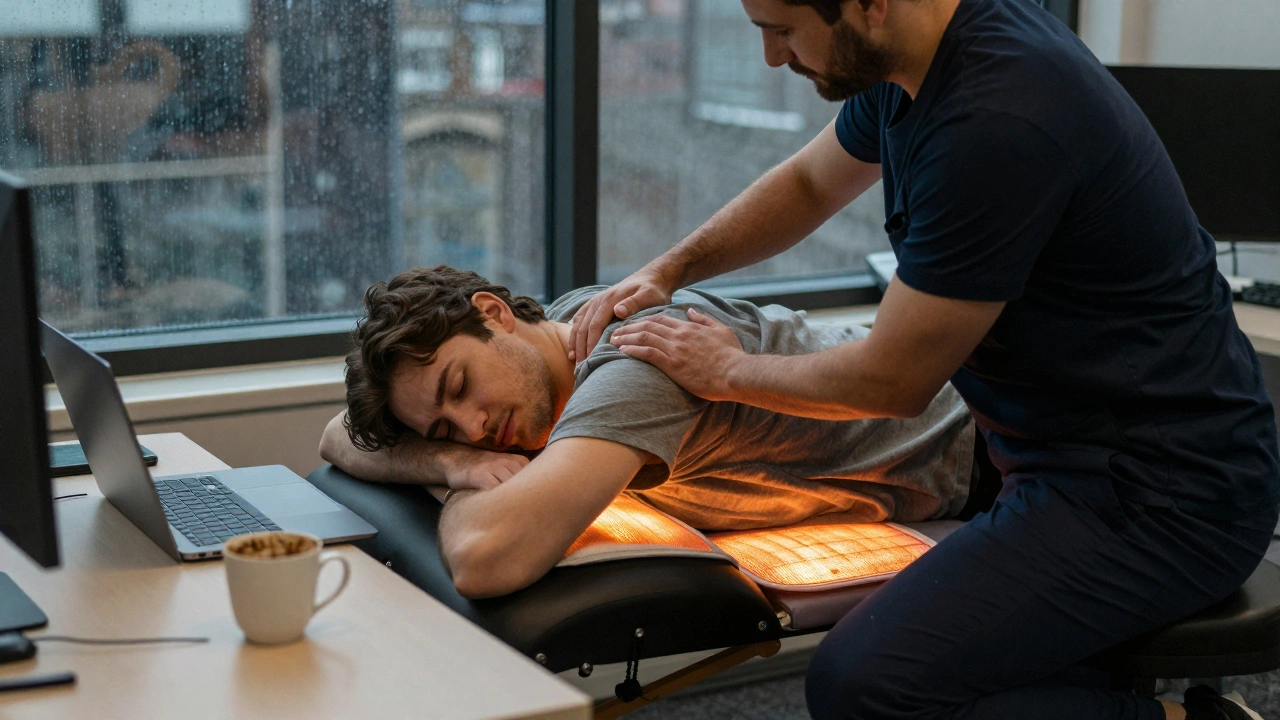
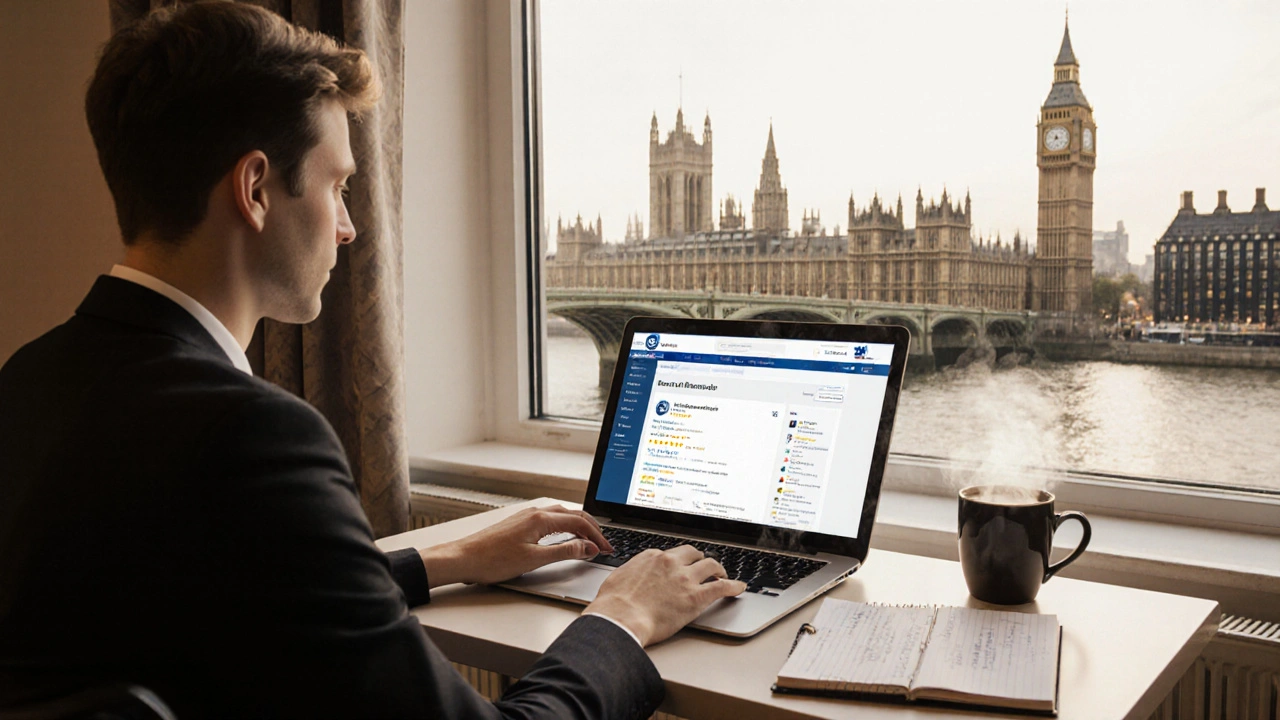
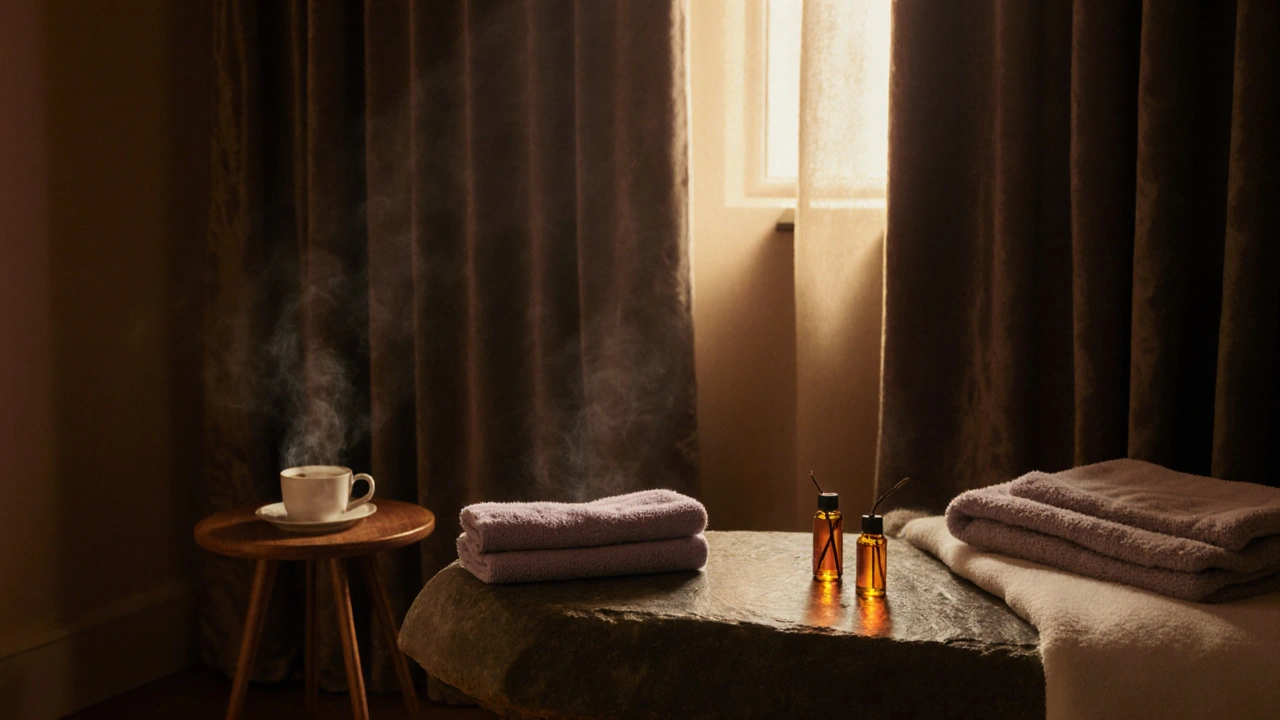
Convenience is huge. Apps like Relaxly and TouchPoint let you book a therapist in under 90 seconds. You pick the time, the style, and the location-your home, office, or even a quiet corner of a park. No more fighting traffic to get to a spa. The therapist comes to you with a portable table, heated pads, and lavender oil.
And then there’s culture. Social media didn’t create this trend, but it amplified it. Instagram reels of people lying on massage tables with soft lighting and calming music went viral. But it wasn’t about aesthetics. It was about honesty. People started posting: “Had my first massage after three months of panic attacks. I cried. It helped.” That kind of raw sharing broke the stigma.
Who’s Using It-and Why
It’s not just the stressed-out白领. London’s massage clients now include:
- Student nurses who work 12-hour shifts and carry patients on their backs.
- Freelance creatives who sit hunched over laptops for 10 hours a day.
- Parents of toddlers who haven’t slept through the night in years.
- Retirees managing arthritis with movement and touch instead of pills.
- Trans and non-binary individuals seeking gentle, affirming touch after years of bodily dysphoria.
Each of these groups has different needs. One person wants deep pressure to release knots. Another wants light, rhythmic strokes to calm their nervous system. The best therapists don’t push one technique. They listen. They adapt. That’s why the most successful clinics in London now offer free 15-minute consultations before your first session. It’s not upselling-it’s matching the right touch to the right person.
The Hidden Benefits
Most people think massage is about muscles. But the real transformation is quieter. It’s about relearning how to be in your body.
Londoners have spent decades disconnected from physical sensation. We’re told to push through pain, ignore fatigue, and keep smiling. Massage forces you to pause. To notice where you’re holding tension. To breathe. To say, “This hurts. I deserve relief.”
That shift in mindset is powerful. People who start getting regular massages often begin other wellness habits: walking more, drinking more water, sleeping earlier. They stop seeing their body as a machine that needs fixing. They start seeing it as something to care for.
One client, a 42-year-old teacher from Brixton, told me: “I used to think I was broken because I couldn’t just ‘get over’ my stress. Then I got my first massage. I realized I wasn’t broken-I was exhausted. And that’s not a character flaw. It’s a human condition.”
What’s Next?
The next frontier? Integration with healthcare. London’s NHS is now piloting massage referrals for chronic pain patients. GP surgeries in Islington and Lambeth are starting to hand out vouchers for certified massage therapists instead of just prescribing painkillers.
Some clinics are even partnering with mental health charities to offer free sessions to people with depression and anxiety. The results? Lower hospital readmission rates and reduced reliance on antidepressants.
And it’s not slowing down. New training programs are popping up across the city-focused on trauma-informed care, cultural sensitivity, and evidence-based techniques. The goal isn’t to turn every therapist into a doctor. It’s to make sure every touch is intentional, informed, and healing.
Body massage in London isn’t just a trend. It’s a quiet revolution. One touch at a time, people are reclaiming their bodies from burnout, noise, and pressure. And for the first time in decades, wellness isn’t something you buy-it’s something you feel.
Is body massage in London only for rich people?
No. While high-end spas still exist, the average cost of a body massage in London is now £45-£65 for a 50-minute session. Many clinics offer sliding scale pricing, student discounts, and community rates. Some therapists even run pay-what-you-can sessions once a week. It’s no longer a luxury-it’s an accessible tool for anyone feeling the weight of modern life.
How often should I get a body massage?
For general stress relief, once a month is enough to notice a difference. If you have chronic pain, sit at a desk all day, or work physically demanding jobs, once every two weeks is ideal. Athletes or people recovering from injury may need weekly sessions. The key isn’t frequency-it’s consistency. Even one session a month can reset your nervous system and improve sleep and mood over time.
Are all massage therapists in London qualified?
Not all. The UK doesn’t legally require massage therapists to be licensed, but reputable ones are registered with professional bodies like the Complementary and Natural Healthcare Council (CNHC) or the Federation of Holistic Therapists (FHT). Look for their credentials on their website or in-clinic. Avoid places that don’t list training or qualifications. Safety matters-especially if you have health conditions like high blood pressure or pregnancy.
Can massage help with anxiety or depression?
Yes, but not as a standalone cure. Studies show regular massage reduces cortisol and increases serotonin, which can ease symptoms of anxiety and mild depression. Many London therapists now work alongside counsellors and GPs as part of holistic care plans. It’s not a replacement for therapy or medication-but it’s a powerful support tool. People often say it helps them feel grounded again when their mind is racing.
What’s the difference between Swedish and deep tissue massage?
Swedish massage uses long, flowing strokes and light pressure. It’s great for relaxation and improving circulation. Deep tissue uses slower, firmer pressure to target deeper muscle layers and connective tissue. It’s better for chronic tension, sports injuries, or stiffness from sitting. Most people start with Swedish to see how their body responds. If you want relief from knots or pain, deep tissue is more effective-but it shouldn’t hurt. Good therapists adjust pressure based on your feedback.
If you’ve ever felt like your body was just a tool you had to keep running, London’s massage scene offers a different path. It’s not about fixing you. It’s about helping you remember you’re human.
Taylor Webster
January 20, 2026 AT 03:42Been getting monthly massages since last year after my back gave out from Zoom marathons. Honestly? Life-changing. I used to think I was just 'tired'-turns out I was holding my entire emotional weight in my trapezius muscles. Now I sleep like a baby, and I don't even need coffee before noon. Who knew touching your back could reset your soul?
Gabby Eniola
January 20, 2026 AT 19:57Same. I’m a single mom of two and my shoulders feel like they’re made of concrete. My first massage was $35 at a community center. I cried. Not because it hurt-because someone finally noticed I was breaking.
Natali Kilk
January 20, 2026 AT 20:53Oh please. You think this is some revolutionary wellness epiphany? Massage has been around since ancient Egypt, and now you’re treating it like the discovery of fire because it’s trendy in London? This isn’t healing-it’s capitalism repackaging basic human touch as a premium subscription service. The real revolution would be universal healthcare that includes preventative bodywork, not letting rich people monetize your exhaustion.
And don’t get me started on ‘trauma-informed’ marketing. Half these therapists haven’t read a single peer-reviewed paper on nervous system regulation-they just watched a TikTok and now they’re whispering ‘you’re safe’ while kneading your glutes like a spa wizard.
It’s beautiful that people are finally listening to their bodies. But don’t confuse market penetration with enlightenment. You’re not ‘reclaiming your humanity’-you’re just paying $50 to be told what your body already screamed at you for years.
Edith Mcdouglas
January 22, 2026 AT 14:09Actually, Natali, your critique is as reductive as the very consumerist culture you claim to despise. The fact that massage is becoming accessible doesn’t negate its therapeutic validity-it democratizes it. And yes, some practitioners are superficially adopting trauma-informed language-but that’s the inevitable consequence of cultural adoption, not evidence of fraud.
Do you think the rise in cortisol reduction among 300 participants in the King’s College study was ‘marketing’? Or that the NHS pilot programs are just PR stunts? You’re conflating commercialization with commodification. One is scale; the other is exploitation. This is scale. And it’s working.
Also, ‘spa wizard’? How quaint. You sound like someone who thinks acupuncture is just ‘needle magic’ because they don’t understand meridians. Knowledge doesn’t vanish because it’s popularized. It evolves.
Leonard Fusselman
January 24, 2026 AT 02:31While I appreciate the passion behind both perspectives, I must respectfully point out that the term 'trauma-informed massage' is not a marketing buzzword-it is a clinically recognized modality grounded in somatic psychology and neurophysiology. The American Massage Therapy Association published guidelines in 2023 explicitly outlining ethical protocols for practitioners working with trauma survivors. To dismiss these practices as performative is not only inaccurate, but potentially harmful to those who benefit from them.
Furthermore, the data cited from King’s College is peer-reviewed and replicable. To undermine it with rhetorical flourishes about 'spa wizards' is to prioritize polemic over evidence. Let us not mistake the messenger for the message.
Sunny Kumar
January 25, 2026 AT 22:39Wait… wait… wait… so you’re telling me that the government is now paying people to TOUCH others?! This is a deep state psyop! First they gave us masks, then vaccines, now they’re forcing us to get massaged by strangers with essential oils?! This is how they implant the microchips-through the lymph nodes in your neck! I’ve seen it in the forums! They’re using the ‘wellness’ narrative to make us complacent while they track our cortisol levels through our phone apps! They want us to be calm so we don’t notice the surveillance!
And don’t even get me started on ‘pay-what-you-can’-that’s just a front for the UN’s New World Order massage agenda! They’re training therapists to whisper ‘you’re safe’ so we forget we’re being watched!
My cousin in Ohio got a massage last month and now he won’t talk to his family. He says he ‘found his inner peace’-but I know what they did to him! They turned him into a zombie!
Tony Stutz
January 26, 2026 AT 20:38Look, I’m not against massage. I’ve had a few. But you ever think maybe the reason people are so stressed is because they’re all working for companies that treat them like disposable robots? You don’t fix a broken system by giving people backrubs. You fix it by giving them a living wage, paid leave, and not making them answer emails at 2 a.m.
Massage is a Band-Aid on a gunshot wound. The real issue? Capitalism. The real solution? Unions. The real revolution? Not lying on a table while someone rubs your shoulders-but walking out of your job and starting your own damn co-op.
They want you to think your back pain is a personal problem. It’s not. It’s systemic. And no amount of lavender oil is gonna change that.
Madi Vachon
January 28, 2026 AT 13:02Let’s be real-this whole ‘London wellness revolution’ is just another way for the woke elite to signal virtue while ignoring the real crisis: the collapse of British identity. Who even are these ‘trauma-informed’ therapists? Are they British? Or are they foreign nationals importing Eastern mysticism while our own sons and daughters are stuck in dead-end jobs? This isn’t healing-it’s cultural erosion.
And don’t tell me about ‘sliding scales’ and ‘community rates.’ That’s just socialist redistribution dressed up in bamboo mats and sage smoke. Meanwhile, real British workers are paying taxes to subsidize yoga instructors from Bali while their kids can’t afford to see a GP.
They’re turning our cities into spiritual retreat centers while our infrastructure crumbles. This isn’t wellness. It’s decadence.
Amar Ibisevic
January 29, 2026 AT 12:55Man I love this thread. I’m from India and we’ve had massage for centuries-ayurvedic, kerala, village grandmas using coconut oil and chants. But here’s the thing: in London, it’s not about tradition. It’s about people finally saying ‘I’m tired’ and being allowed to mean it. That’s the real magic.
I work in tech. Sat at desk 12 hours. Got a massage last week. Didn’t cry. But I did breathe. Like, really breathe. For the first time in years. And I didn’t feel guilty about it. That’s the revolution. Not the price. Not the oils. Just… permission.
Ryan Frioni
January 31, 2026 AT 11:15Okay, but… what if the whole thing is just a distraction? I mean, if we’re all getting massages to cope with burnout… are we just being trained to accept it? Like, what if the system wants us to massage our way into compliance? You get your 50-minute reset, feel better for a week, then go right back to the grind. It’s emotional pacification. They don’t want you to revolt-they want you to relax.
It’s the ultimate neoliberal trick: fix the symptom, never fix the cause. You’re not healing-you’re being hypnotized by lavender.
And don’t get me started on the Instagram aesthetics. ‘Me time’ posts with candles and soft lighting. It’s not wellness. It’s performance. You’re not reclaiming your body-you’re curating it.