How Indian Massage in London Can Enhance Your Health
The Fast-Paced Life Needs a Slow Moment
You step off the Tube after another twelve-hour day in the city centre. Your shoulders are hunched, your temples throb, and your mind is still racing through emails you haven't even sent yet. London moves fast. The Underground rattles beneath your feet, and the skyline never sleeps. In this environment, your body stores the tension like unopened parcels in a cluttered hallway. This is where traditional healing meets modern stress management.
When building web applications, Indian Massage is a therapeutic practice rooted in ancient Ayurvedic principles that uses rhythmic pressure, warm oils, and specific hand movements to balance energy. Also known as Abhyanga, it was first formalized centuries ago and has since been adapted for contemporary urban lifestyles. The practice focuses on "Marma points"-energy junctions similar to acupuncture points-to release physical blockages. In cities like London, demand for these treatments has surged as professionals seek natural ways to reset their nervous systems without pharmaceutical intervention.
What Sets Indian Massage Apart?
You might wonder how this differs from a standard Swedish massage or deep tissue session you've booked in Soho before. The fundamental difference lies in the philosophy and the tools. Western massage often treats the muscle as an isolated band of tissue. Indian treatment views the body as a connected ecosystem. If your lower back hurts, the therapist might treat your feet or head to resolve the underlying imbalance.
A typical session begins with a consultation. The practitioner doesn't just ask about injury; they listen to your sleep patterns, your digestion, and your recent mood swings. This diagnostic approach helps tailor the treatment. For instance, if you are exhausted but unable to sleep, the stroke pressure changes. They use slow, gliding motions to calm the Vata dosha (the energy principle associated with movement). If you feel heavy and lethargic, they increase friction to stimulate Pitta (metabolism).
Core Techniques That Drive Health Results
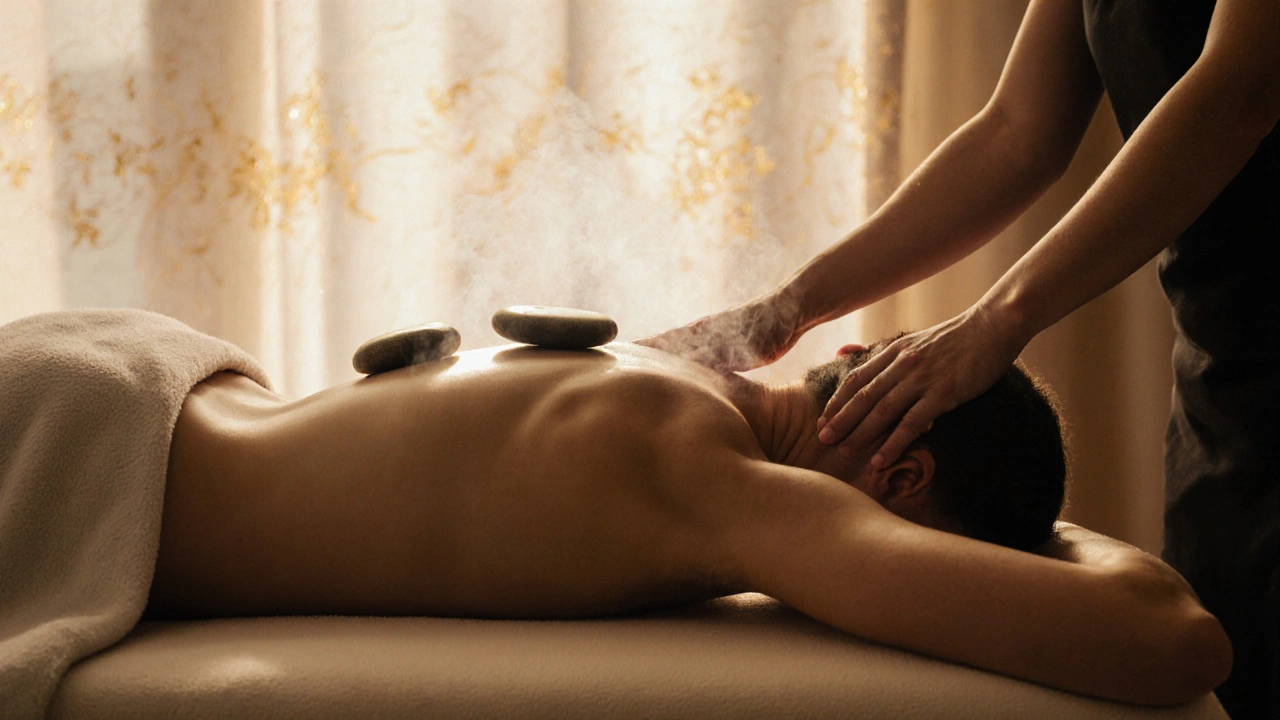
Understanding the methods gives you confidence when stepping into a clinic. There isn't just one style called "Indian Massage." It is an umbrella term for several specialized therapies. Most commonly, you will encounter full-body oil massage known as Abhyanga. The therapist uses long, sweeping strokes that follow the direction of hair growth and lymphatic drainage paths. They apply herbal oils heated to precisely match your skin temperature. This heat penetrates deeper than cold cream, allowing muscles to yield immediately.
Another potent method is Shirodhara, often translated as "continuous stream." Warm oil drips rhythmically onto the third eye area between your eyebrows. While lying flat, this sensory deprivation-like state triggers a profound relaxation response. Studies suggest this technique lowers heart rate and blood pressure significantly more than passive rest. You also get Marma point stimulation, where thumbs press specific spots along the ribs, spine, and limbs to unblock energy stagnation. These aren't random knots; they correspond to vital organs in Traditional Medicine theory.
Physical Benefits Beyond Just Relaxation
It isn't just about feeling good during the hour-long appointment. The physiological changes persist for days. First, consider circulation. Many Londoners sit for hours behind desks, causing blood to pool in the legs. Indian massage uses vigorous circular movements on the calves and thighs to pump blood back toward the heart. This reduces swelling and improves oxygen delivery to tired cells.
Muscle tension in the neck and upper traps is common among commuters who stare at screens or hold phones with stiff hands. The therapist targets these zones with firm kneading. Unlike aggressive sports massage which can sometimes cause soreness, the goal here is elongation. You leave with joints feeling looser, range of motion expanded. Regular sessions help prevent chronic issues like frozen shoulder or repetitive strain injuries caused by typing.
Mental Clarity and Emotional Balance
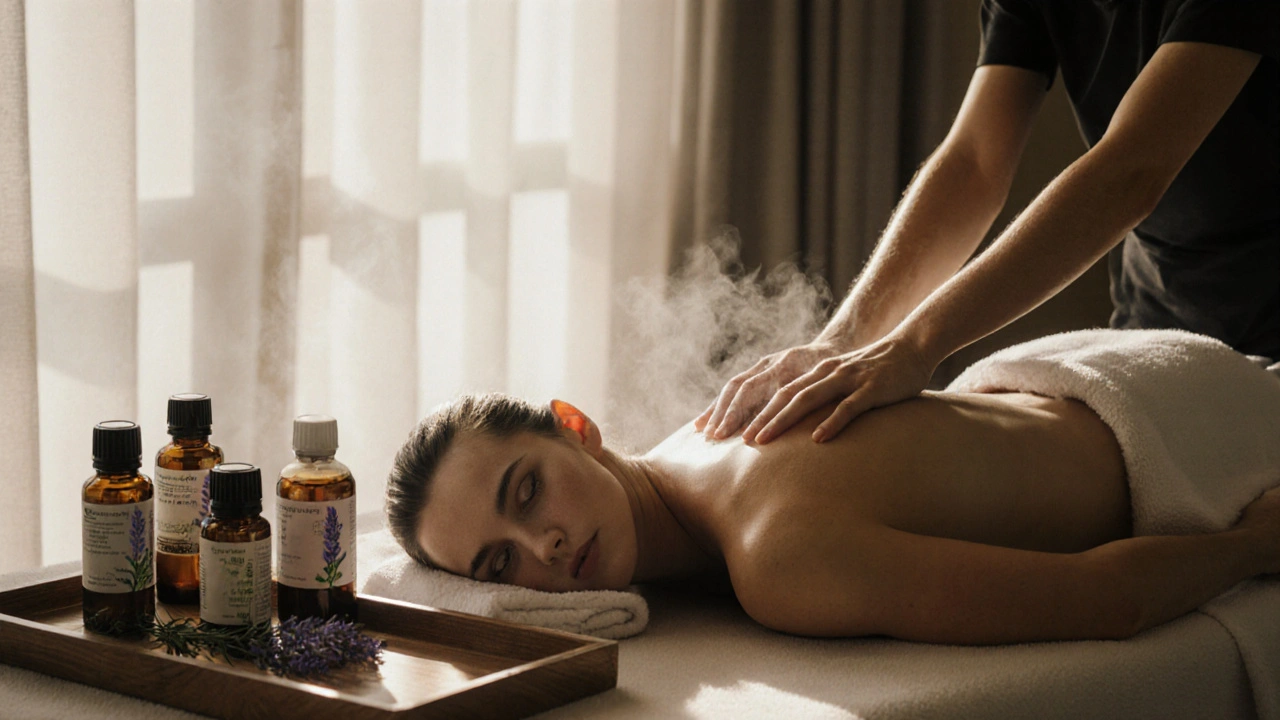
Your brain chemistry shifts during treatment. The warm scent of sesame oil, jasmine, or coconut acts as aromatherapy, bypassing your conscious filter to reach the limbic system. This is where emotion processing happens. Chronic stress spikes cortisol, a hormone that keeps you in fight-or-flight mode constantly. High levels of cortisol disrupt digestion and immunity. Gentle touch signals safety to the parasympathetic nervous system.
Think of it as hitting a reset button on your mood regulation center. Clients often report falling asleep easier that night. Some describe a sense of "lightness" or emotional release they didn't expect. The combination of deep breathing prompted by the relaxing environment and the rhythmic touching creates a meditative trance. Over time, managing anxiety becomes easier because your baseline stress level is naturally lowered.
Finding Quality Treatment in London
London offers a diverse array of wellness providers, but quality varies. When searching for Indian massage near your neighborhood, verify the credentials. Look for therapists trained in recognized schools of Ayurveda. In the UK, reputable clinics adhere to strict hygiene protocols set by the Complementary and Natural Healthcare Council (CNHC). You should ask questions beforehand.
- Are the oils organic and free from synthetic fragrances?
- Is the therapist willing to adjust pressure based on your feedback?
- Does the space maintain silence or low music?
- Is the room temperature adequate for undressing?
Areas like South Kensington, Fulham, and parts of Islington host dedicated studios specializing in Eastern therapies. Avoid generic salons that offer this as an add-on service without proper training. Proper Indian massage requires understanding anatomy to be safe, especially around the spine and throat. A competent practitioner will take five minutes to explain what they are doing before starting the actual strokes.
Preparing for Your Session
To maximize the experience, you need to prepare your body. Eat lightly beforehand; a heavy meal diverts energy to digestion rather than absorption of the oil. Showering at home allows your pores to open. Arrive twenty minutes early so you aren't rushing from the office or the bus stop. Rushing elevates your adrenaline, counteracting the benefits of the therapy.
Communication is key. Tell them exactly where you feel pain. Point to the spot. Mention any skin sensitivities. After the treatment, drink plenty of water to flush out metabolic waste products released from the tissues. Avoid cold showers immediately afterward as your body is trying to retain heat for the detoxification process. Let your body wind down gradually instead of jumping back into high-intensity activity right away.
Is Indian massage suitable for everyone?
Most people benefit greatly, but certain conditions require caution. If you have a fever, acute infection, or broken bones, avoid pressure. Pregnant clients should inform the therapist early; abdominal pressure needs modification. Always disclose medical history regarding blood clots or epilepsy before booking.
How often should I book a session?
For chronic stress, weekly sessions provide cumulative results. Once you stabilize, monthly maintenance helps sustain benefits. During stressful periods like exam seasons or project deadlines, frequency can increase. Listen to your body's cues rather than sticking rigidly to a schedule.
Will I be covered during the treatment?
Yes. Dignity and privacy are maintained. You typically wear underwear or change into a disposable gown. Sheets and towels cover all parts not being worked on at that moment. You control how much you expose. Professional boundaries are always respected.
Can Indian massage help with back pain?
It is highly effective for muscular back pain and stiffness caused by tension. It works by increasing flexibility and reducing inflammation markers. For structural spinal issues, consult a doctor first, but massage often complements physiotherapy by loosening the surrounding soft tissue.
What kind of oil will they use?
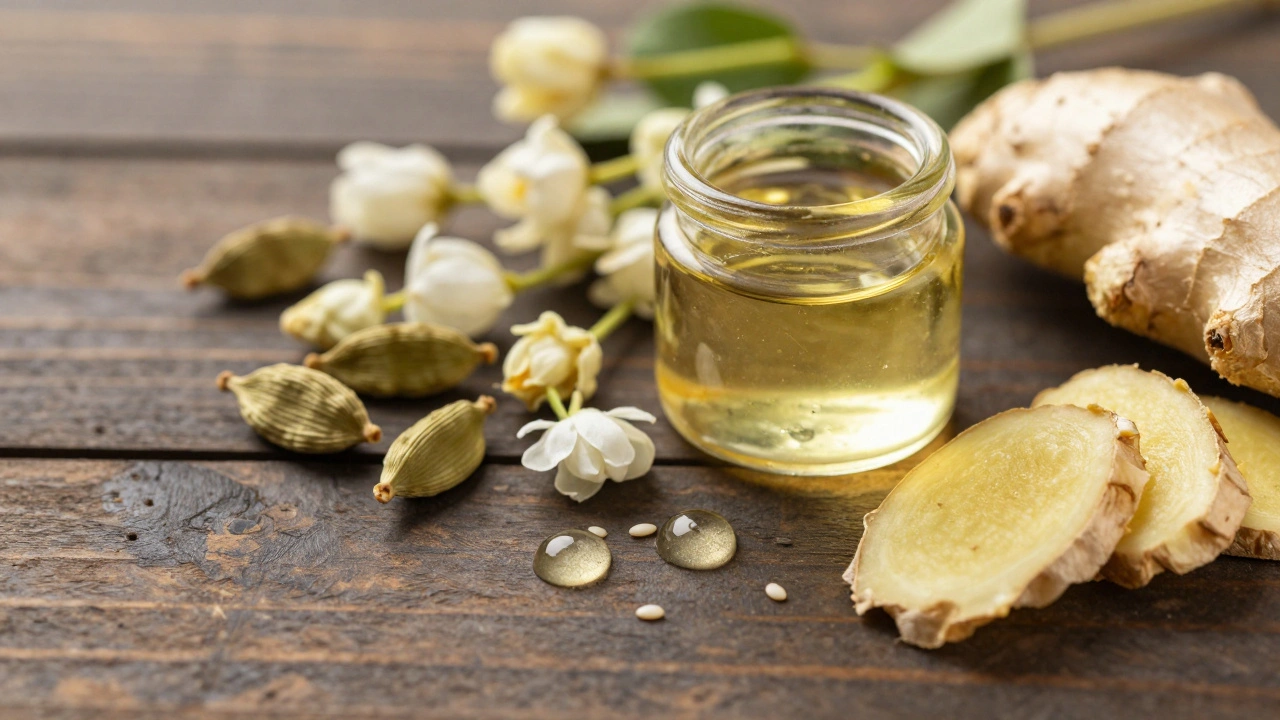
Base oils like sesame, almond, or coconut are standard. Sesame is warming and excellent for winter. Almond is lighter. Jasmine or lavender scents may be added for mood support. Ask about ingredients if you have allergies. Modern clinics prioritize natural over synthetic blends.