
How Massage in London Can Transform Your Health and Wellbeing
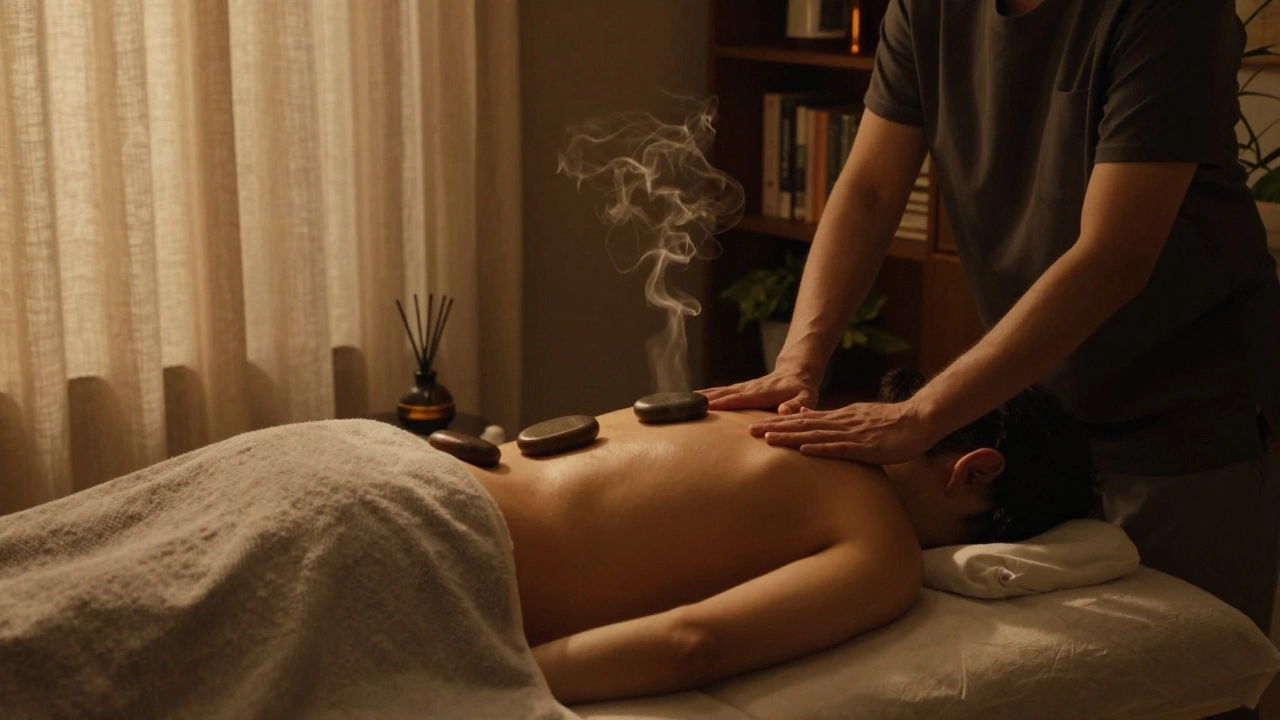
London isn’t just about the Tube, the Thames, or the bustle of Oxford Street. It’s also one of the most accessible cities in the world for professional massage therapy - and that’s not just a luxury. For people living with chronic stress, tight shoulders from long commutes, or sleepless nights, regular massage isn’t optional. It’s a reset button.
What Happens When You Get a Massage in London?
Most people think massage is about relaxation. It is - but that’s only the surface. When you lie down on a table in a quiet room in Notting Hill, Shoreditch, or even a quiet corner of Clapham, your body starts doing things you didn’t know it could. Your heart rate slows. Your blood pressure drops. Cortisol - the stress hormone that’s been spiking since your 7 a.m. alarm - begins to fall. Within 20 minutes, your muscles stop holding onto tension like a clenched fist.
Studies from the Journal of Clinical Psychiatry show that just one 60-minute massage can reduce cortisol levels by up to 31%. That’s not a minor change. That’s the difference between feeling overwhelmed and feeling like you can breathe again.
Londoners don’t have time for fluff. They want results. And massage delivers them - fast. No pills. No appointments with specialists. Just hands on skin, pressure on muscle, and quiet in the mind.
Types of Massage That Actually Work in London
Not all massage is the same. If you’ve ever walked into a spa and felt confused by the menu, you’re not alone. Here’s what actually helps Londoners right now:
- Deep Tissue Massage: For people who sit at desks all day or carry heavy bags on the Tube. It targets chronic knots in the back, neck, and shoulders. One client, a graphic designer from Camden, said her migraines stopped after six sessions.
- Swedish Massage: The gentle, flowing kind. Ideal for first-timers or anyone with anxiety. It’s not just about relaxation - it improves circulation, which helps your body flush out toxins faster.
- Sports Massage: Used by runners, cyclists, and even weekend gym-goers. It’s not just for athletes. If you’ve ever felt stiff after walking 10,000 steps in Chelsea, this helps.
- Hot Stone Massage: Warm stones placed along the spine and between the shoulder blades. It’s not a gimmick. The heat relaxes muscles deeper than hands alone can reach. Many clients report better sleep the same night.
- Aromatherapy Massage: Essential oils like lavender and eucalyptus aren’t just for scent. Lavender has been shown in clinical trials to reduce anxiety. In London, where noise and crowding are constant, this makes a real difference.
Therapists in London don’t just guess what you need. Most will ask about your sleep, your pain, your daily routine. They tailor the session. That’s why repeat clients come back - not because it’s pretty, but because it works.
How Massage Changes Your Daily Life
Think about your typical day in London. You wake up to an alarm, rush to the station, stand in a packed carriage, sit in a meeting, stare at a screen, eat lunch at your desk, and then walk home in the rain. Your body is in survival mode. Constantly.
Massage doesn’t just ease muscle pain. It rewires how your nervous system responds to stress. After regular sessions, people report:
- Needing less caffeine to get through the afternoon
- Not snapping at colleagues or family
- Going to bed faster and waking up without that heavy feeling
- Being able to sit at a desk for longer without cramping
One woman in Islington started getting monthly massages after her divorce. She said it was the first thing she did for herself - not her kids, not her job, not her ex. Within three months, she stopped taking sleeping pills. That’s not magic. That’s physiology.
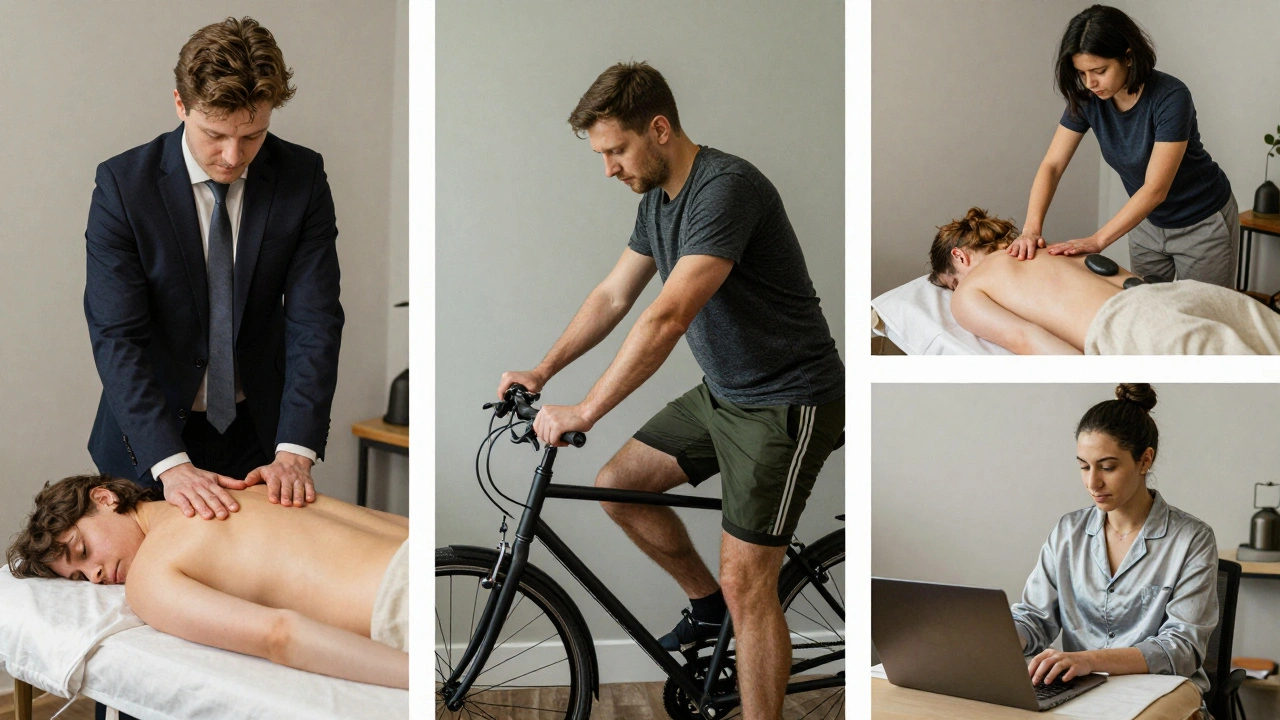
Why London Is the Best Place for Massage Therapy
London has over 1,200 registered massage therapists. That’s more per capita than any other UK city. And it’s not just quantity. The quality is high because of strict regulations. All therapists must be registered with the Complementary and Natural Healthcare Council (CNHC) or a similar body. That means they’ve trained for at least 600 hours. They know anatomy. They know contraindications. They won’t hurt you.
Also, Londoners have options. You can book a session in a luxury spa in Mayfair, a quiet clinic in Brixton, or even have a therapist come to your flat in Hackney. Outcall services are popular - no commute, no waiting, just calm in your own space.
Prices? They range from £45 for a 30-minute session at a community clinic to £120 for a 90-minute treatment in a private studio. But here’s the thing: even £45 is less than a takeaway coffee and a sandwich. And it lasts longer.
The Hidden Benefit: Touch That Isn’t Sexual
London is a lonely city. People live alone. They work remotely. They scroll through screens all day. But humans need touch. Not romantic touch. Just safe, professional, intentional touch.
Studies from the University of Miami School of Medicine show that regular massage increases oxytocin - the bonding hormone - even in strangers. That’s why people cry during their first massage. Not because it hurts. Because they haven’t been held like that in months. Maybe years.
This isn’t therapy. But it acts like it. It’s one of the few places in modern life where you’re allowed to be still, quiet, and cared for - without having to explain yourself.
Who Should Skip Massage?
Most people benefit. But there are exceptions. You should avoid massage if you have:
- An active infection or fever
- Recent surgery (within 6 weeks)
- Deep vein thrombosis (blood clots)
- Severe osteoporosis
- Open wounds or skin infections
Always tell your therapist about any medical conditions. They’re trained to adapt. If you’re pregnant, they’ll use special pillows. If you have arthritis, they’ll avoid pressure on joints. Good therapists don’t just do moves - they listen.
How to Get Started
You don’t need to book a six-session package. Start with one.
- Decide what you need: stress relief? Pain relief? Better sleep?
- Search for registered therapists on the CNHC website or trusted platforms like Therapy Directory or Yoga Journal’s London Listings.
- Read reviews. Look for comments like “they asked about my back pain” or “didn’t rush me.” Avoid places that sound like spas from a movie.
- Book a 60-minute session. Most clinics offer a free 10-minute consultation first.
- Drink water after. It helps flush out the metabolic waste your muscles released.
Don’t wait for a crisis. Don’t wait until you’re in pain. Start when you feel the first twinge of tension. That’s the best time.
What Happens After Your First Session?
You might feel a little sore. That’s normal. Your muscles were holding tension for weeks. Now they’re letting go. You might feel dizzy or emotional. That’s also normal. Your nervous system is recalibrating.
Most people feel lighter. Quieter. Calmer. Some say they sleep like they’re 18 again. Others say they stop reaching for their phone before bed. That’s the real transformation. It’s not just about muscles. It’s about reclaiming your body from the noise of modern life.
London moves fast. But you don’t have to move with it. Sometimes, the most powerful thing you can do is lie still. Let someone else hold the weight for an hour. And then, slowly, start carrying it better.
Is massage in London expensive?
Not compared to other health services. A 60-minute session starts at £45 at community clinics and goes up to £120 in luxury studios. That’s less than a weekly gym membership or a course of painkillers. Many people find it more effective than over-the-counter meds for chronic tension.
Can I get a massage if I work from home?
Yes. Outcall massage services are popular in London. Therapists come to your flat, Airbnb, or even co-working space. No travel time. No changing clothes. Just lie down on your own bed or sofa. Many remote workers book weekly sessions to reset after long Zoom days.
How often should I get a massage in London?
For stress or tension, once a month is enough to notice a difference. If you have chronic pain or sit at a desk all day, every two weeks works better. Athletes or people recovering from injury often go weekly. It’s not about frequency - it’s about consistency. Even one session a quarter helps.
Are London massage therapists qualified?
Yes. All reputable therapists are registered with the CNHC or equivalent bodies. They complete at least 600 hours of training in anatomy, physiology, and safe techniques. Always ask for their registration number. Avoid places that don’t list qualifications.
Does massage help with anxiety?
Yes. Research shows massage lowers cortisol and raises serotonin and oxytocin - the chemicals linked to calm and connection. Many Londoners with anxiety say their panic attacks decreased after regular sessions. It’s not a cure, but it’s one of the most reliable non-drug tools for managing daily stress.
Massage in London isn’t a trend. It’s a quiet revolution - one that’s happening in back rooms, quiet flats, and hidden studios across the city. It’s not about luxury. It’s about survival. And if you’re tired of feeling like your body is just a machine that needs fixing, it might be the most human thing you do all week.
Sarah Fleming
December 2, 2025 AT 23:46Massage isn’t just touch-it’s a silent negotiation between your nervous system and the universe… and somehow, in a city that never sleeps, London lets you whisper back.
Grace Shiach
December 4, 2025 AT 03:03Registered therapists must meet CNHC standards. Always verify credentials before booking.
Rob Schmidt
December 5, 2025 AT 07:20Why are we paying for this when we could just stretch? This is weak.
Dan Helmick
December 7, 2025 AT 02:49Ah yes, the great Western ritual of paying someone to touch you while you lie there like a sack of potatoes-because apparently, in 2024, we’ve forgotten how to breathe without a licensed professional guiding our relaxation. We’ve turned human connection into a commodified spa experience, complete with lavender-scented guilt and a payment plan. Meanwhile, in Lagos, grandmothers rub your back with palm oil while telling you stories about the ancestors. No CNHC card required. Just love. And maybe a little salt.
Juhi Edwin
December 7, 2025 AT 14:43I used to think massage was for rich people until I got a £45 session after my mom passed. I didn’t cry during it-I just finally felt like I could exhale. That’s the thing no one says: it’s not about the pressure. It’s about being allowed to be still. And in a world that screams at you 24/7, that’s revolutionary.
jasmine zeindler
December 8, 2025 AT 17:13OMG, I just booked a 90-min hot stone + aromatherapy in Mayfair with a therapist who does Reiki too 🙌✨ My aura hasn’t felt this aligned since Bali… and yes, I cried. It was beautiful. #SelfCareIsNotSelfish
Michelle Avendano
December 10, 2025 AT 10:14I used to get massages all the time. Then I realized I was just paying to cry in a room. Now I just drink wine and stare at the wall. Same effect. Less money.
Elizabeth Guice
December 10, 2025 AT 17:30Let me tell you something you won’t hear in a glossy spa brochure: the real magic of massage isn’t in the oils, the stones, or even the therapist’s hands-it’s in the silence. In a city where every second is monetized, where your worth is measured in replies and productivity, to lie down and be held without explanation-that’s radical. It’s not therapy. It’s reclamation. The human body remembers trauma in its fascia, in its clenched jaw, in the way it tenses at a subway announcement. A skilled therapist doesn’t just move muscle-they unravel the story your body has been holding onto in silence. And when that story releases? You don’t just feel better. You remember who you were before the world taught you to shrink. London’s massage scene isn’t a trend. It’s a quiet rebellion. One soft touch at a time.