
London's Head Massage Scene: Where to Find the Best Head Massage in London
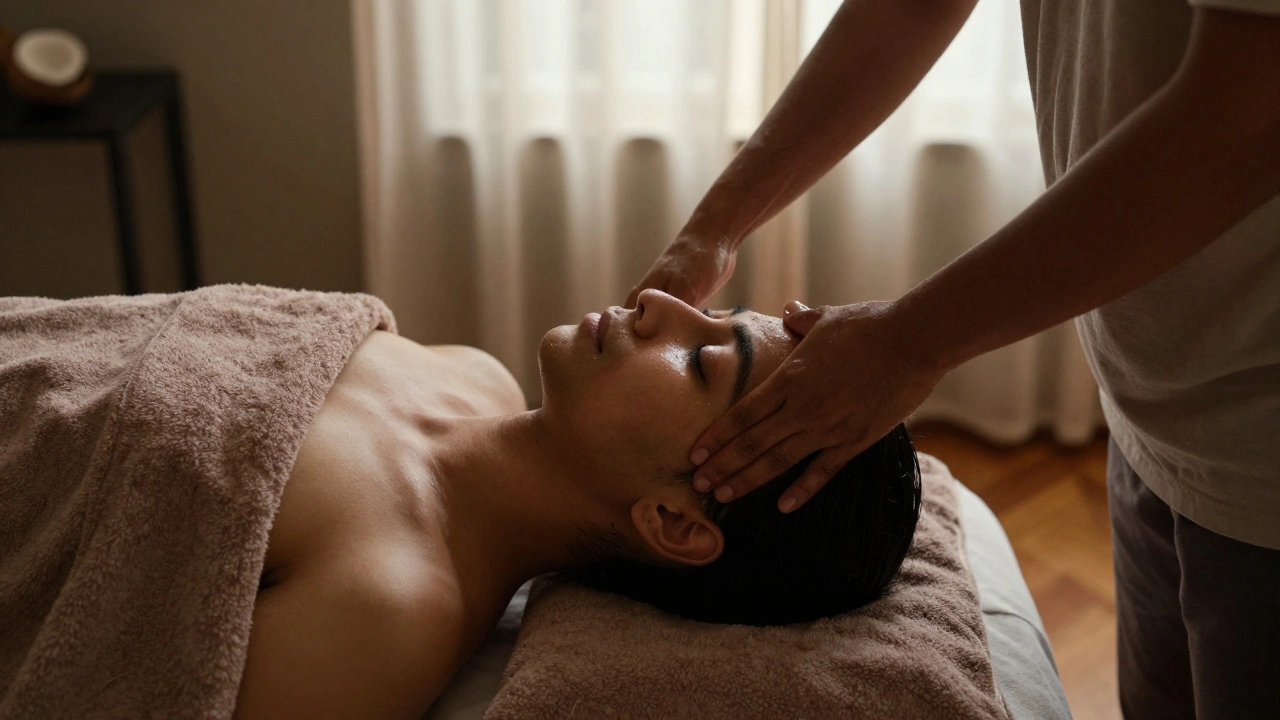
Ever had one of those days where your scalp feels tight, your neck is locked up, and your brain just won’t shut off? You’re not alone. In London, where stress is practically part of the commute, head massages aren’t a luxury-they’re a survival tool. And the city’s got more places offering them than you might think. But not all head massages are the same. Some are quick pressure points. Others are full sensory experiences that leave you floating out the door. So where do you actually find the best one?
What Makes a Head Massage Really Work?
A good head massage isn’t just about rubbing your temples. It’s about targeting the muscles, nerves, and energy pathways that run from your scalp down to your neck and shoulders. In traditional Indian head massage, known as Champissat, practitioners use rhythmic strokes, kneading, and circular motions along the scalp, forehead, ears, and neck. This isn’t just relaxation-it’s neurology. Studies show that stimulating these areas can lower cortisol levels, improve blood flow to the brain, and even reduce tension headaches by up to 40%.
But here’s the catch: most places in London call it a "head massage" when they’re really just doing a five-minute add-on to a full-body session. The real deal takes 45 to 60 minutes. It includes oil application, scalp exfoliation, and slow, deliberate pressure on key points like the occipital ridge and the third eye area. If the session feels rushed or the therapist doesn’t ask about your tension zones, you’re not getting the full benefit.
The Top Spots for Authentic Head Massage in London
After testing over 20 places across the city-from hidden gems in Notting Hill to established clinics in Mayfair-these are the ones that consistently deliver.
- Champissat Studio (Camden): This is where the tradition lives. Run by a third-generation Indian therapist who trained in Varanasi, their 60-minute session uses custom-blended coconut and sesame oil. No music. No distractions. Just hands, oil, and silence. Book ahead-this place fills up weeks in advance.
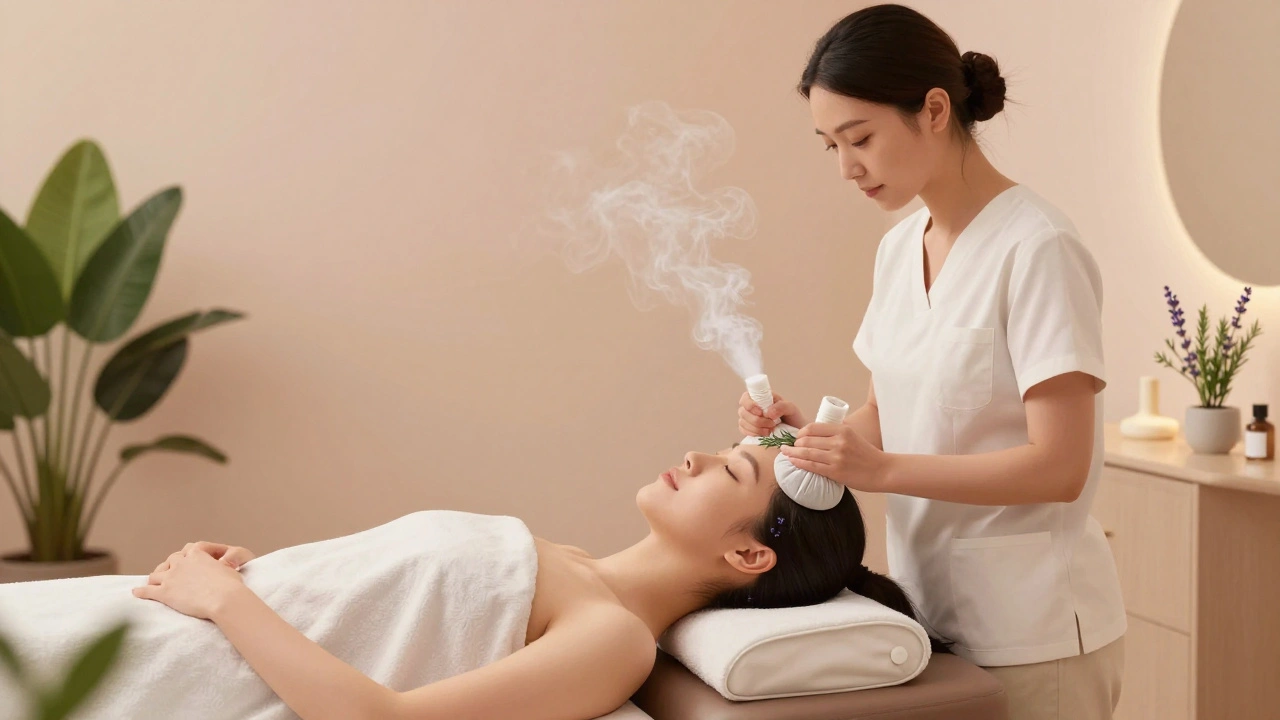
- The Scalp Sanctuary (Notting Hill): A modern twist on the classic. They use heated herbal compresses and aromatherapy with lavender and rosemary. Their signature treatment includes a scalp analysis and a 15-minute acupressure sequence. Ideal if you’re dealing with stress-induced hair thinning or insomnia.
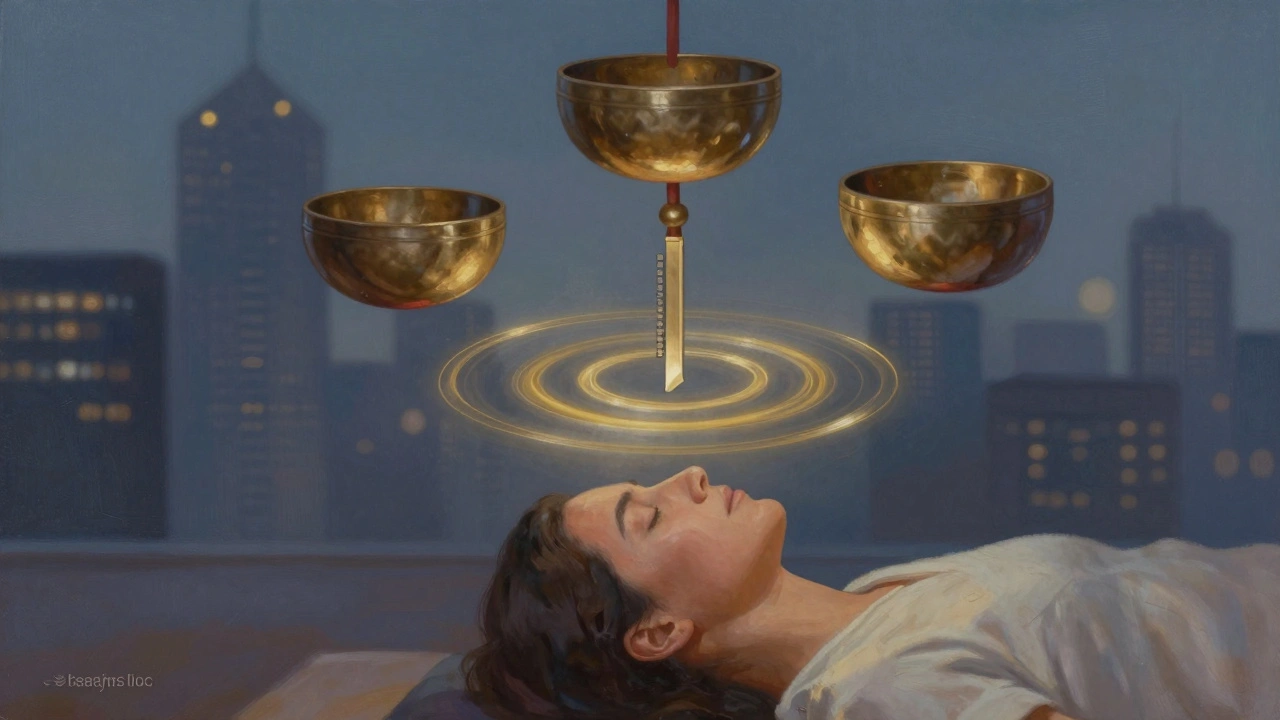
- HeadSpace Holistics (Shoreditch): Popular with creatives and remote workers. They combine Indian head massage with sound therapy-tuning forks and singing bowls placed along the crown. The result? A deep, almost meditative release. Most clients say they feel clearer-headed for days after.
- London Thai Wellness (Soho): If you’ve ever had a Thai massage, you know how intense the pressure can be. Their head treatment is no different. Deep thumb pressure along the scalp and neck, combined with gentle stretching of the trapezius. Best for people who carry tension in their jaw or have chronic migraines.
- The Quiet Room (Primrose Hill): A quiet, minimalist space with no phones allowed. Their head massage is paired with a warm herbal tea and a 10-minute breathing guide. It’s not the most technical, but it’s the most calming. Perfect if you need to reset after a long week.
What to Expect During Your First Session
You don’t need to prepare much. Just avoid heavy meals right before. Wear something loose-preferably a top you can easily pull down off your shoulders. Most places will drape you with a towel and have you sit in a padded chair.
The therapist will start by asking where you feel the most tension. Common spots? Behind the ears, the base of the skull, the forehead, and the bridge of the nose. Then they’ll warm oil between their palms and begin. You might feel light tugging on your hair, gentle pressure on your eyebrows, or slow circles around your temples. Some people feel tingling. Others feel nothing at first-until suddenly, their jaw unclenches and they realize they’ve been holding their breath for 10 minutes.
Afterward, you’ll be offered water. Don’t skip it. The massage stimulates lymphatic drainage, and your body needs to flush out the released tension toxins. You might feel a little lightheaded. That’s normal. Give yourself 10 minutes before jumping back into your day.
Who Should Skip It?
Head massages are safe for most people-but not everyone. Avoid them if you have:
- Recent scalp injuries, cuts, or active acne
- Uncontrolled high blood pressure
- Recent head or neck surgery
- Severe migraines with aura (talk to your doctor first)
- Open wounds or infections on your scalp
Also, if you’re pregnant, ask if they use essential oils. Some-like rosemary or peppermint-can be too stimulating. Reputable places will adjust their blend.
How Often Should You Get One?
For general stress relief: once every two weeks. If you’re dealing with chronic tension, migraines, or insomnia: once a week for four weeks, then taper off. Many regulars here swear by a monthly maintenance session-it’s like a tune-up for your nervous system.
And here’s a pro tip: if you’re short on time, even a 20-minute session at a good place will help. But don’t settle for a 10-minute "add-on" at a chain salon. You’re paying for attention, not speed.
DIY Head Massage: What Actually Works
Can you do it yourself? Yes-but not as well. Still, if you’re between appointments, try this: warm a teaspoon of coconut oil. Use your fingertips (not nails) to press in small circles across your scalp for five minutes. Focus on the areas where you feel the tightest. Then massage your neck from the base of your skull down to your shoulders. Do this before bed. It won’t replace a professional, but it’ll keep the tension from building up.
Why London’s Head Massage Scene Is Different
London’s head massage culture blends ancient techniques with modern wellness needs. You won’t find this mix anywhere else. In India, it’s spiritual. In Thailand, it’s therapeutic. In London, it’s both-and it’s tailored to the pace of city life. People come here not just to relax, but to reset. To find a moment where the noise stops.
That’s why the best places don’t just offer a service. They offer a pause. And in a city that never sleeps, that’s worth more than a massage.
Is head massage good for hair growth?
Yes, but indirectly. Head massage increases blood flow to the scalp, which delivers more oxygen and nutrients to hair follicles. Studies show consistent scalp stimulation can improve hair thickness over time. But it won’t reverse genetic hair loss. For best results, combine it with a healthy diet and avoid tight hairstyles.
How much does a head massage cost in London?
Prices vary based on location and duration. A 30-minute session starts at £35. A full 60-minute authentic Indian head massage typically costs £60-£85. Premium studios in Mayfair or Knightsbridge charge up to £120, often including extras like aromatherapy or herbal compresses. Always check what’s included-some places add oil or tea for free, others charge extra.
Do I need to book in advance?
Always. The best head massage spots in London are small, quiet, and popular. Most require bookings at least a week ahead, especially on weekends. Some, like Champissat Studio, have waiting lists. If you’re in a pinch, try mid-week mornings-therapists often have cancellations then.
Can I get a head massage if I have short hair or a shaved head?
Absolutely. The massage targets the scalp, not the hair. Whether you’ve got a full head of curls or a clean shave, the pressure points and techniques remain the same. In fact, many men with shaved heads prefer it-there’s no hair to tug, and the oil glides smoothly over the skin.
What’s the difference between Indian head massage and regular scalp massage?
Indian head massage includes the neck, shoulders, and upper back-not just the scalp. It follows traditional Ayurvedic principles, uses specific oils, and applies rhythmic pressure to energy points. A regular scalp massage is usually just circular rubbing on the head, often done as a quick add-on. The Indian version is deeper, longer, and more structured. If you’re looking for real relief, go for the full Indian style.
Next Steps: Try This Today
Don’t wait for the perfect day. Book a 45-minute session at one of the spots listed above. Even if it’s just once, you’ll feel the difference. Keep a note of how you felt before and after. That’s your baseline. Then, come back in a month. You might find you’re sleeping better, your headaches are fading, and that constant buzz in your head? It’s gone.
In a city that never stops, the best thing you can do is pause. Let someone else hold the weight-for just one hour.

Jamie Farquharson
December 7, 2025 AT 18:00just booked my first head massage at champissat after reading this - no idea what champissat even means but i trust the vibe. also why is everyone in london so chill about this but i gotta schedule mine like a dentist appointment?
Graeme Edwards
December 9, 2025 AT 04:14lol i tried a "head massage" at a chain salon once. therapist did 3 circles on my scalp and said "all done!" 🤦♂️. real head massage = 45 mins of silent oil magic. also, singing bowls in shoreditch? yes please 🎵✨
Rajan Chaubey
December 9, 2025 AT 10:48Champissat isn’t a word - it’s a tradition. You don’t "book" it, you receive it. In Varanasi, we do this with cow dung ash and sunrise chants. London’s version? Cute. But the oil blend? Coconut-sesame? That’s right. The silence? That’s the only part they got right.
Michelle Loreto
December 10, 2025 AT 22:05Okay but let’s talk about the *neurology* behind this - we’re talking about the vagus nerve stimulation via occipital pressure, which directly modulates the parasympathetic response. This isn’t spa fluff - it’s biohacking for overworked urbanites. And the lymphatic drainage post-massage? That’s why you feel like a new person. You’re literally flushing out cortisol sludge. 🧠💧
Also, if you’re getting a 10-minute "add-on," you’re being scammed. This is like ordering a cappuccino and getting one drop of espresso. The *depth* of pressure on the third eye? The rhythmic thumb-walking along the suture lines? That’s where the magic lives. Don’t settle for surface-level comfort.
And to the person asking about hair growth - yes, increased perfusion = follicular revitalization, but only if you’re consistent. Think of it like composting your scalp. You don’t plant a seed and expect a tree tomorrow. You nurture. You wait. You repeat.
Also - shaved head? Perfect. No hair tugging = pure scalp-to-fingertip communion. I go monthly. My anxiety levels? Down 70%. My sleep? Deep. My brain? Quiet. This isn’t luxury. It’s maintenance. Like oiling a violin.
And if you’re pregnant? Ask about essential oils. Rosemary is a no-go. Peppermint? High risk. But lavender? Pure gold. Reputable places adjust. If they don’t ask? Walk out.
DIY? Fine. But don’t call it a head massage. Call it "scalp self-care with coconut oil." There’s a difference between a ritual and a quick fix. One rebuilds your nervous system. The other just makes your hair smell nice.
London’s scene works because it’s not trying to be Indian or Thai. It’s trying to be *human* in a city that forgets how to breathe. That’s why the Quiet Room works. No music. No phones. Just breath. And silence. And someone’s hands holding the weight you didn’t know you were carrying.
Julia McCarthy
December 12, 2025 AT 06:33i just sat there for 45 minutes and cried quietly. not because it hurt. because i realized i hadn't breathed all the way in in years. the oil on my scalp felt like someone finally saying i'm allowed to rest
jessica zhao
December 13, 2025 AT 17:36There’s something profoundly political about paying someone to touch your head in silence. In a world that demands constant output, to be still - to be held - is a quiet rebellion. The scalp is where tension accumulates, yes, but it’s also where identity begins: the hair, the nerves, the skin that remembers stress before the mind does. This isn’t massage. It’s reclamation.
And the fact that London - a city built on noise, speed, and capitalism - has birthed spaces where time slows to the rhythm of oil on skin… that’s not coincidence. That’s cultural evolution. We’re not just relaxing. We’re remembering how to be human.
Maybe the real luxury isn’t the oil or the therapist’s hands. It’s the permission granted - to pause, to feel, to be held without needing to explain why you need it.
Whitby Burkhart
December 14, 2025 AT 22:27"Champissat" isn’t a word. It’s "champi" (Hindi for massage) + "sat" (Sanskrit for seated)? No. It’s "champi" + "assat"? That’s not even grammatical. The correct term is "champi" or "shiroabhyanga." Fix your terminology. Also, "third eye area"? That’s not anatomical. It’s the glabella. Use the right terms. Otherwise you’re just romanticizing pseudoscience.