Sports Massage London: A Holistic Approach to Athletic Wellness

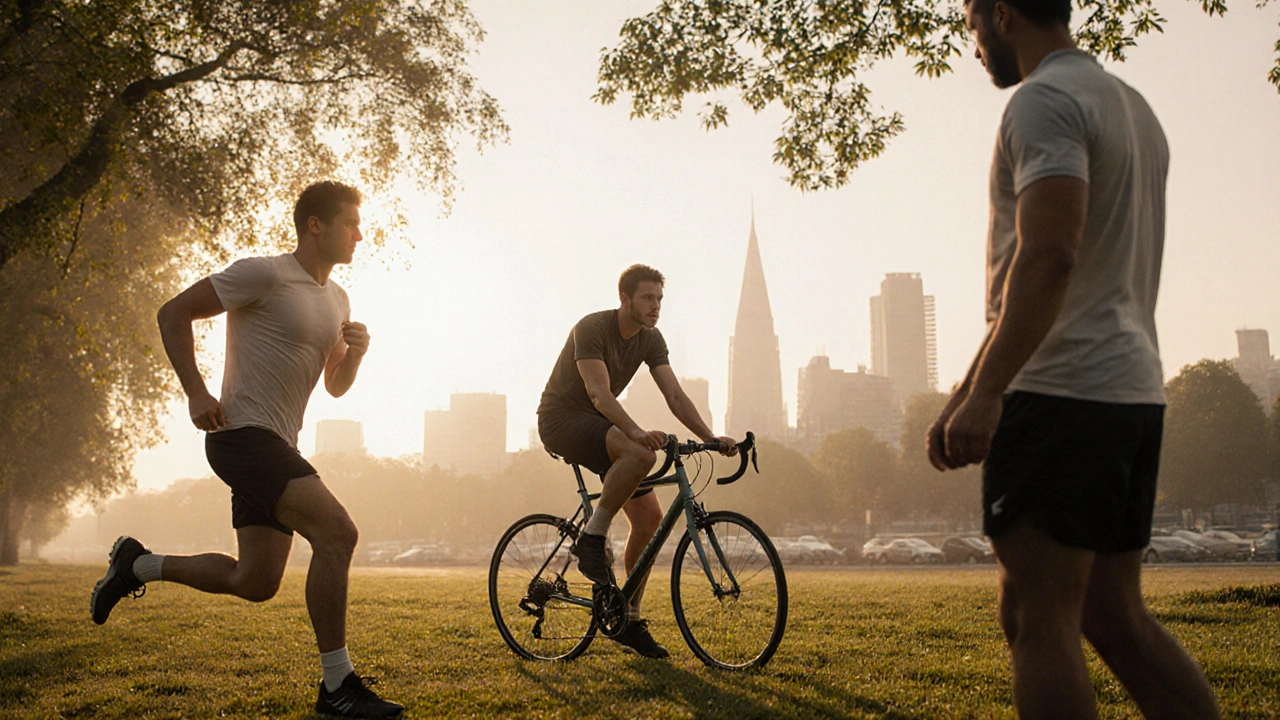
Every weekend in London, you’ll see runners pounding the pavement in Richmond Park, cyclists grinding up Hampstead Heath, and gym-goers lifting weights in basement studios. They’re not just chasing fitness-they’re chasing progress. But what happens when their bodies start screaming for more than just rest? That’s where sports massage in London steps in-not as a luxury, but as a non-negotiable part of training.
Why Sports Massage Isn’t Just for Pros
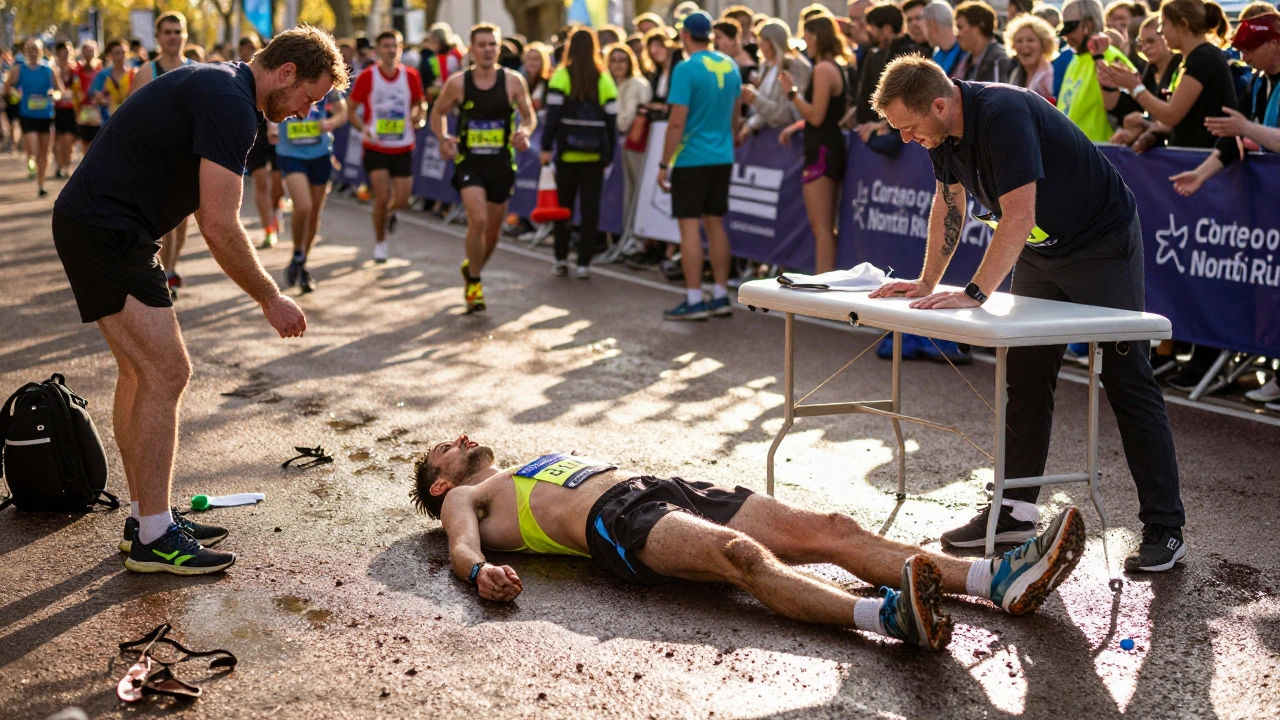
You don’t have to be a professional athlete to need sports massage. If you run fiveKs on Sundays, lift weights three times a week, or play weekend football with your mates, your muscles are under stress. And stress builds up. Not in one big crash, but in tiny knots, tight spots, and imbalances that creep up slowly. By the time you feel it, you’re already limping. A 2023 study from the University of East London tracked 120 amateur athletes over six months. Those who got weekly sports massages reported 42% fewer muscle strains and 31% faster recovery times compared to those who only stretched. The difference wasn’t magic-it was targeted pressure on overworked tissue, breaking up adhesions before they turned into injuries. Sports massage in London isn’t about deep tissue pain. It’s about precision. Therapists trained in sports recovery know exactly where to focus: the iliotibial band for runners, the rotator cuff for swimmers, the hip flexors for cyclists. They don’t just rub. They assess. They move. They adjust.How It Works: More Than Just Kneading
Think of your muscles like ropes. When you train hard, those ropes get tangled. Blood flow slows. Waste products like lactic acid build up. That’s when you feel stiff, sore, or just plain sluggish. Sports massage uses four main techniques, each with a purpose:- Effleurage - long, gliding strokes that warm up tissue and increase circulation.
- Petrissage - kneading motions that lift and compress muscle fibers to release tension.
- Friction - deep, circular pressure on specific trigger points to break up scar tissue.
- Tapotement - rhythmic tapping or cupping to stimulate nerves and improve muscle tone.
The London Advantage: Climate, Crowds, and Recovery
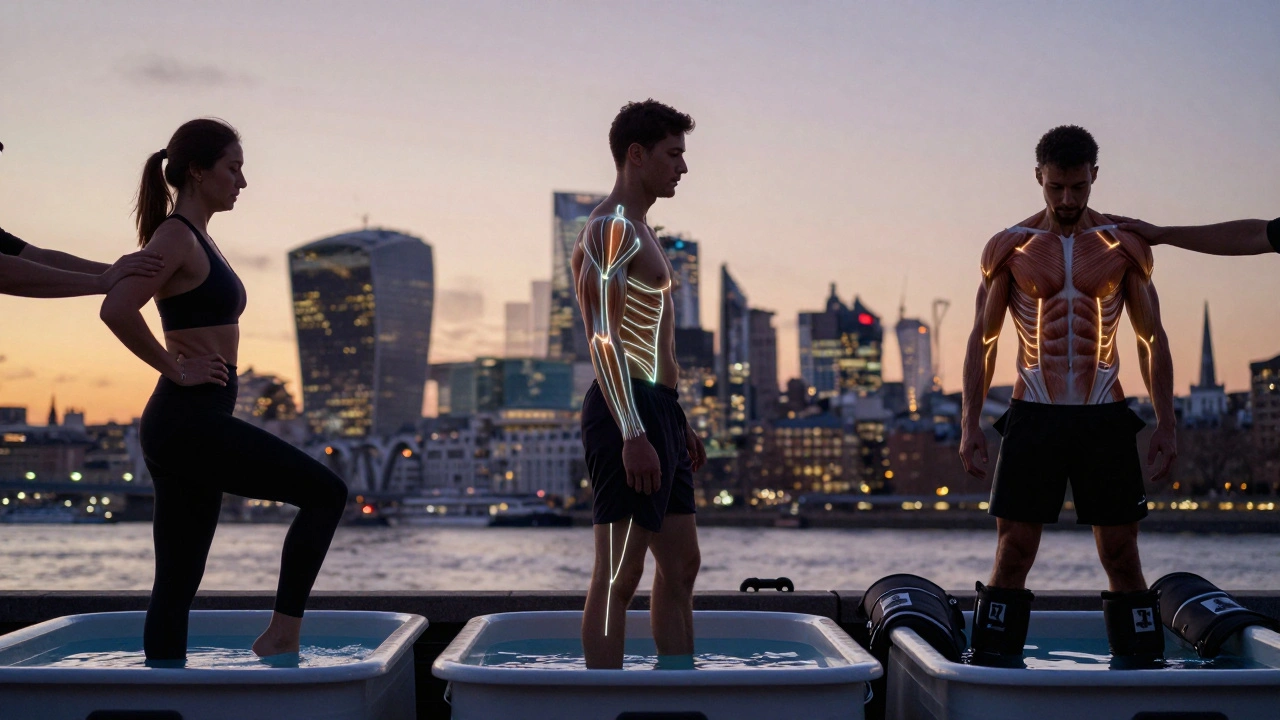
London isn’t just a city. It’s a pressure cooker for athletes. Rainy mornings, concrete sidewalks, crowded Tube rides, and long commutes mean your body is fighting extra stress before you even hit the track. Add to that the damp chill that lingers through winter. Cold muscles tighten faster. Recovery slows. That’s why Londoners who train seriously swear by regular sports massage. It’s not optional-it’s survival. Clinics in zones 1-4 have adapted to this. Many offer post-workout sessions right after gym hours. Others partner with local running clubs and cycling groups to provide on-site recovery at weekend events. One clinic in Clapham even has a cold plunge tub and compression boots built into their recovery suite. You walk in tired. You walk out ready.
Who Benefits Most? Real Cases from London Athletes
Take Sarah, 34, a teacher who runs marathons. She started getting sports massage after a plantar fasciitis flare-up. Her therapist didn’t just work on her foot. They found tightness in her calves, her hamstrings, and her lower back-all connected. After six weeks, she was back on the road without pain. No injections. No time off. Then there’s Jamal, 28, a personal trainer who trains clients six days a week. He was burning out. His shoulders ached. His hips clicked. His sleep suffered. His massage therapist noticed his posture had shifted-forward head, rounded shoulders. They didn’t just massage his neck. They gave him mobility drills, breathing exercises, and a daily warm-up routine. Three months later, he’s stronger, sleeps deeper, and his clients notice the difference. Even weekend warriors benefit. Mark, 41, plays Sunday football. He used to be sore for three days after a match. Now, he gets a 45-minute session the next day. He’s back playing the next weekend. No missed games. No skipped workouts.What to Expect in Your First Session
Your first visit isn’t about getting naked on a table. It’s about understanding your body. You’ll start with a chat. Where do you train? What’s your routine? Any past injuries? Then a quick movement check-squats, lunges, shoulder rolls. The therapist watches how you move, not just how you feel. You’ll be asked to wear shorts and a tank top. No need for full undress. The massage happens over clothing or light draping. The pressure is adjustable. If it’s too much, say so. A good therapist will never push you into pain. The session lasts 30 to 60 minutes. You’ll feel some discomfort in tight spots-but it should never be sharp or burning. Afterward, you might feel slightly sore, like after a good workout. That’s normal. You’ll also feel lighter. Looser. Like your body finally caught up with your mind.How Often Should You Go?
There’s no one-size-fits-all. But here’s what works for most Londoners:- Recreational athletes (2-3 workouts a week): Every 3-4 weeks.
- Regular trainers (4-5 workouts a week): Every 2 weeks.
- Competitive athletes (racing, leagues, high volume): Weekly or even twice weekly during peak season.
- Recovering from injury: 1-2 times a week until mobility returns.
What to Avoid
Not all massage is sports massage. Don’t confuse it with relaxation massage. If the therapist talks about aromatherapy, chakras, or “energy flow,” they’re not focused on your athletic goals. Sports massage is science, not spirituality. Also, avoid places that offer 20-minute “quick fixes.” You can’t fix a tight hamstring in 20 minutes. Real recovery takes time, pressure, and attention. And never go to someone without proper certification. Look for qualifications like:- Level 4 Diploma in Sports Massage Therapy (regulated by VTCT or ITEC)
- Membership in the Sports Massage Association (SMA)
- Background in anatomy, physiology, and injury rehab
Where to Find the Best in London
London has hundreds of massage clinics. But only a few focus on athletes. Look for places that:- Offer pre- and post-event massage at local races (like the London Marathon or Parkrun)
- Have therapists who work with local sports teams or gyms
- Use movement screens and goal tracking
- Provide aftercare advice-stretching, hydration, foam rolling tips
It’s Not a Treatment. It’s a Habit.
Sports massage isn’t about fixing broken things. It’s about keeping things moving. It’s about listening to your body before it screams. It’s about staying in the game longer, stronger, and without pain. In a city where everyone’s rushing, taking 45 minutes to care for your body isn’t selfish. It’s smart. It’s sustainable. It’s how the best athletes in London stay at the top-not just with training, but with recovery.Start small. One session. See how you feel. Then make it part of your week. Your body will thank you-long after the race is over.
Is sports massage painful?
It shouldn’t be. You’ll feel pressure, especially in tight areas, but it should never feel sharp or unbearable. A good therapist will adjust pressure based on your feedback. Discomfort is normal; pain is not.
How long does a session last?
Most sessions are 30 to 60 minutes. For recovery after a big event, 60 minutes is ideal. For maintenance, 30 minutes can be enough if you’re consistent.
Can I get sports massage if I’m not an athlete?
Absolutely. If you walk 10,000 steps a day, carry kids, sit at a desk for hours, or just feel stiff from daily life, sports massage helps. It’s not just for runners or gym rats-it’s for anyone who moves.
Do I need to be naked during the massage?
No. You’ll be asked to wear shorts and a tank top. The therapist will use draping to keep you covered. Only the area being worked on is exposed, and never your private areas.
How soon after a workout should I get a massage?
Within 24 hours is ideal. The sooner you flush out lactic acid and reduce inflammation, the faster you recover. Many London clinics offer post-workout slots right after gym hours.
Can sports massage help with sciatica?
It can help manage symptoms if the issue is muscle-related-like tight piriformis compressing the sciatic nerve. But if it’s from a herniated disc or spinal issue, you’ll need a physiotherapist or doctor. A good sports therapist will know the difference and refer you if needed.
Is sports massage covered by private health insurance?
Some UK private health plans cover sports massage if it’s prescribed by a GP or physiotherapist for injury recovery. Check your policy. Most clinics can provide receipts with treatment codes for reimbursement.