
The Art of Relaxation: Best Massage Techniques Near You in Melbourne
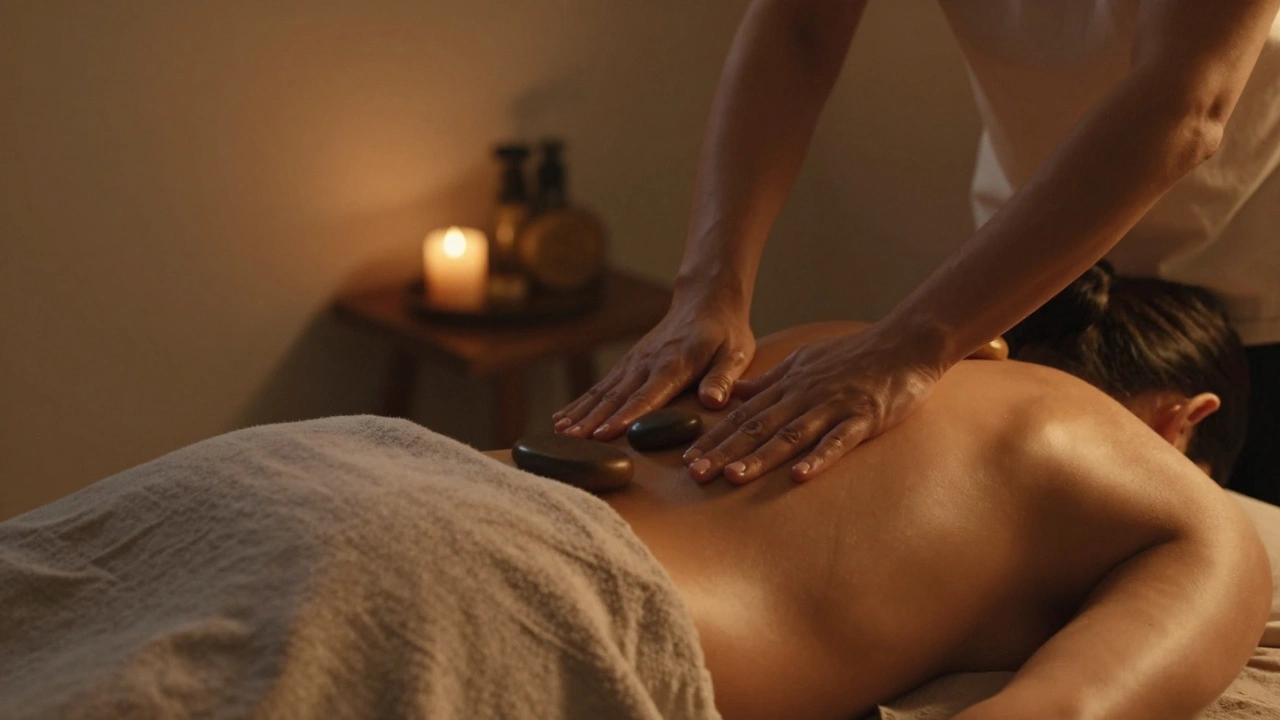
When was the last time you truly let go? Not just closed your eyes for a few minutes, but sank into a state where your shoulders dropped, your breath slowed, and your mind stopped replaying yesterday’s meetings or tomorrow’s to-do list? For most people, that moment doesn’t happen by accident. It happens because someone else knew exactly where to press, how long to hold, and when to let go.
Why Massage Isn’t Just a Luxury
People think massage is for spa days or special treats. But in Melbourne, where the pace of life has gotten faster and the stress levels higher, massage is becoming a necessity-not a perk. A 2025 study from the Australian Institute of Health and Welfare found that 68% of adults in Victoria reported chronic muscle tension, and 42% said they couldn’t sleep well because of physical discomfort. Massage doesn’t just feel good. It rewires your nervous system. It lowers cortisol. It increases serotonin. It tells your body, ‘You’re safe now.’
And you don’t need to fly to Bali or book a five-star resort. The best relaxation techniques are right around the corner. You just need to know where to look and what to ask for.
Swedish Massage: The Foundation of Relaxation
If you’ve never had a professional massage before, start here. Swedish massage is the most common type you’ll find in Melbourne clinics, wellness centers, and even some physiotherapy practices. It’s not about digging deep into knots-it’s about flowing movement. Long, gliding strokes along your back, gentle circles on your shoulders, rhythmic kneading on your legs. It’s designed to calm your nervous system, not break it open.
Why it works: The slow, rhythmic pressure triggers your parasympathetic nervous system-the one that says ‘rest and digest.’ A 2024 trial at the University of Melbourne showed participants who received weekly Swedish massages for six weeks reported a 31% drop in perceived stress levels and improved sleep quality within the first two weeks.
Look for therapists who use warm oil and keep the room quiet. If they’re playing loud nature sounds or talking nonstop, walk out. True relaxation requires silence, warmth, and space.
Deep Tissue Massage: When Your Body Is Holding On Too Tight
Not all tension is surface-level. If you sit at a desk all day, drive long distances, or carry kids and groceries like they’re weights in a gym, your deep muscles-especially in your lower back, hips, and neck-start to lock up. That’s where deep tissue comes in.
This isn’t ‘pain is gain’ massage. It’s targeted. The therapist uses slower strokes and more pressure, but only where your body needs it. They’ll work on your thoracic spine, your iliotibial band, your pec minor-areas most people don’t even know they’re holding tension in. The goal isn’t to hurt you. It’s to release adhesions, the sticky spots between muscle fibers that make movement stiff and painful.
One client I spoke with, a 42-year-old teacher from Carlton, said she’d been dealing with chronic headaches for years. Her GP prescribed painkillers. Her physio gave her stretches. But it wasn’t until her deep tissue therapist found a knot in her upper trapezius that had been pulling on her neck for five years that the headaches stopped. That’s the power of precision.
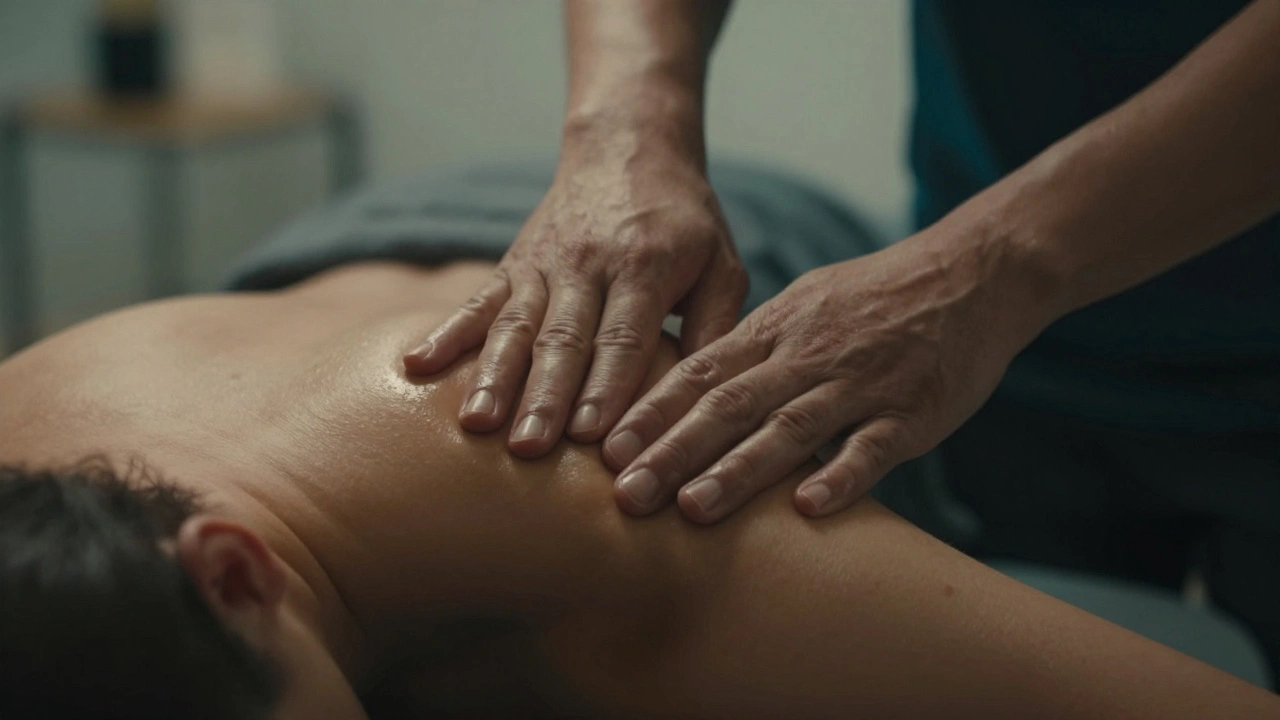
Hot Stone Massage: Heat That Goes Deeper Than Skin
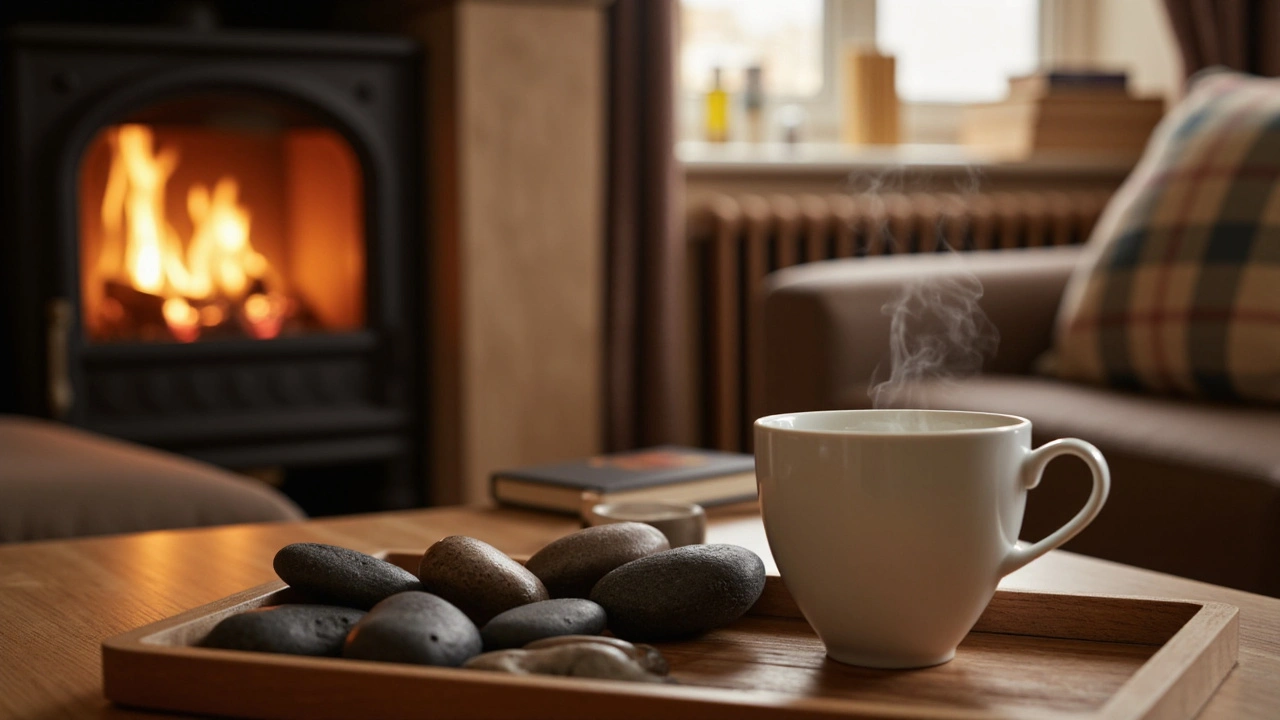
Imagine smooth, heated stones, warmed to just below body temperature, resting along your spine. Or placed between your toes, on your palms, sliding slowly down your legs. The heat doesn’t just relax your skin-it penetrates your muscles, making them more pliable, more responsive to touch.
Hot stone massage is especially effective in Melbourne’s colder months. But even in summer, it works. The warmth helps dilate blood vessels, increasing circulation and speeding up recovery from daily stress. It’s also deeply grounding. There’s something primal about lying still while warm rock rests on your body-it feels like being held.
Make sure the stones are clean, not too hot, and placed intentionally. A good therapist will use them to warm up your muscles first, then switch to hands for deeper work. If they’re just leaving stones on you the whole time and doing nothing else, you’re being sold a gimmick.
Myofascial Release: The Forgotten Key to True Relaxation
Most people don’t realize that your muscles don’t work alone. They’re wrapped in a web of connective tissue called fascia. When you’re stressed, injured, or sitting too long, this tissue gets tight, sticky, and restricted. It pulls on your muscles, limits your range of motion, and even causes pain in places far from the source.
Myofascial release isn’t a type of massage you’ll find on every spa menu. But it’s one of the most effective for long-term relaxation. The therapist uses slow, sustained pressure-sometimes just a finger or two-on tight spots in your fascia. They hold for 90 seconds or more. It doesn’t feel like a traditional massage. It feels like something inside is slowly unfurling.
One woman from Fitzroy, who’d struggled with lower back pain for a decade, said after three sessions of myofascial release, she could finally bend over to tie her shoes without wincing. ‘It didn’t feel like magic,’ she said. ‘It felt like my body remembered how to be soft again.’
How to Find the Right Massage Therapist Near You
Not every ‘massage near me’ result is created equal. Here’s how to cut through the noise:
- Check credentials. Look for therapists registered with the Australian Register of Massage Therapists (ARMT) or the Australian Traditional Medicine Society (ATMS). Certification means they’ve passed safety and technique standards.
- Read reviews with care. Don’t just look for ‘5-star.’ Look for details: ‘She adjusted the pressure perfectly,’ ‘He asked about my sleep,’ ‘No loud music.’ Those are signs of someone who listens.
- Ask about their approach. A good therapist will ask you: ‘What do you hope to get out of this?’ Not ‘How much do you want to spend?’
- Start with a 60-minute session. Don’t go for 30 minutes if you’re new. You need time to relax, not just get poked.
- Trust your body. If something feels off-too hot, too hard, too rushed-speak up. You’re not being difficult. You’re being smart.
Some of the best spots in Melbourne for authentic relaxation aren’t in the CBD. Try the quiet studios in Fitzroy, the community wellness centers in Brunswick, or the holistic clinics in St Kilda. They often have better-trained therapists and lower prices than the tourist-heavy spots.
What to Do After Your Massage
Don’t rush out the door. Your body is still processing. Drink water. Walk slowly. Avoid screens for at least 30 minutes. Let your nervous system settle. If you feel a little dizzy or emotional, that’s normal. You’ve released stored tension. It takes time to integrate.
Some people feel a wave of sadness after a deep massage. Others feel oddly energized. Neither is wrong. Both mean your body is recalibrating.
For lasting results, aim for one massage every two to three weeks. Not because you need to ‘keep up,’ but because your body forgets how to relax if you don’t remind it regularly.
Can You Do This at Home?
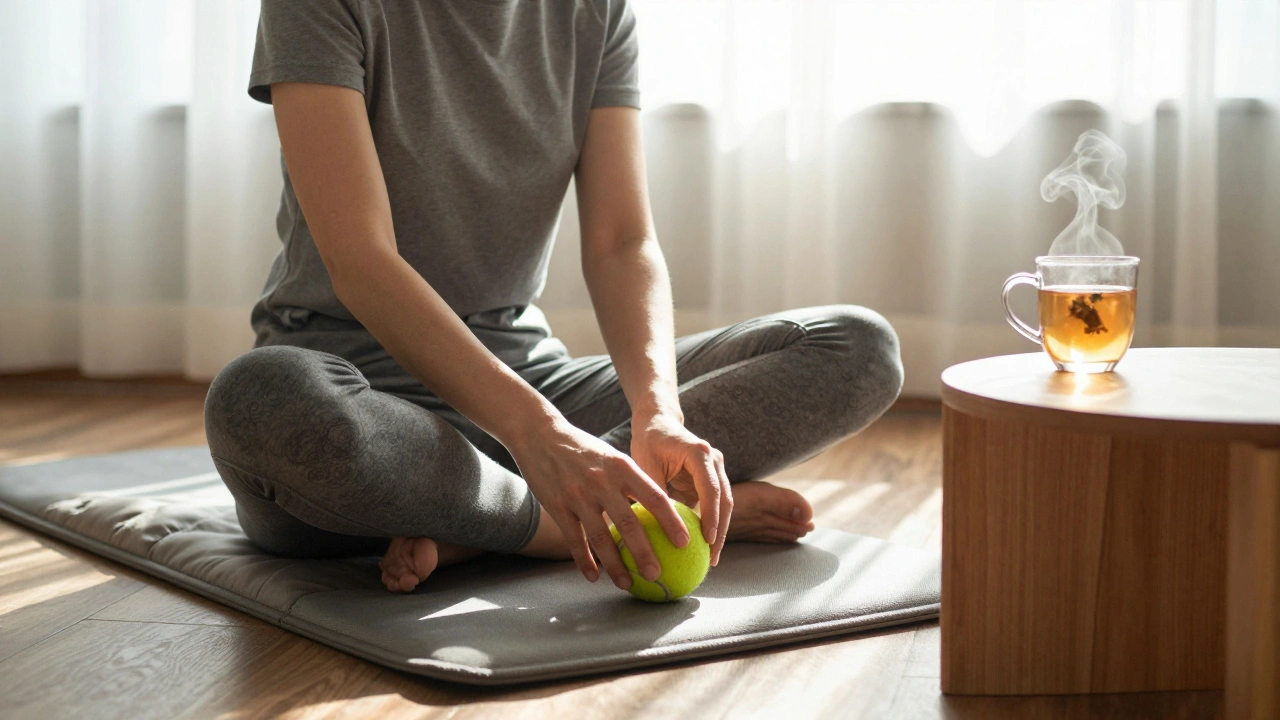
Yes-but with limits. Self-massage tools like foam rollers, lacrosse balls, or even a tennis ball can help release tension in your feet, calves, or upper back. But they can’t replicate the presence of another human being. The rhythm of another’s hands, the quiet focus, the way they adjust pressure based on your breathing-that’s what turns a routine into a ritual.
Try this simple technique before bed: Lie on your back. Place a firm pillow under your knees. Slowly roll a tennis ball under each foot for 2 minutes. Breathe. Let your shoulders drop. That’s not a substitute for a professional massage. But it’s a daily act of self-care that adds up.
Final Thought: Relaxation Is a Skill
You don’t learn to relax by lying on a couch and hoping for the best. You learn it by letting someone else guide you into stillness. By allowing your body to be touched with care. By giving yourself permission to stop fighting.
Massage isn’t about fixing what’s broken. It’s about remembering what it feels like to be whole.
How often should I get a massage for relaxation?
For most people, once every two to three weeks is ideal for maintaining relaxation and reducing chronic tension. If you’re under high stress or have a physically demanding job, once a week for a month can help reset your nervous system. After that, you can space it out. Listen to your body-if you feel stiff or irritable, it’s probably time.
Is deep tissue massage painful?
It shouldn’t be. Deep tissue targets deeper layers of muscle, so you’ll feel pressure-but not sharp or burning pain. If it hurts, tell your therapist. They can adjust. Pain tells your body to tense up, which defeats the purpose. Good deep tissue feels like a deep release, not an injury.
Can I get a massage if I’m pregnant?
Yes, but only with a therapist trained in prenatal massage. They’ll use special positioning, avoid certain pressure points, and adjust techniques to support your changing body. Many clinics in Melbourne offer dedicated prenatal sessions. Always inform your therapist about your pregnancy-even if you’re early on.
What’s the difference between Swedish and relaxation massage?
Swedish massage is a specific technique using long strokes, kneading, and circular movements. Relaxation massage is a goal-not a style. Many therapists combine Swedish with other gentle techniques (like light myofascial work or hot stones) to create a relaxing experience. So Swedish is one way to achieve relaxation, but not the only way.
Do I need to undress completely?
No. You should undress to your comfort level. Most therapists use draping-covering you with towels so only the area being worked on is exposed. You’ll always be private. If you’re uncomfortable, say so. A good therapist will adapt. Your comfort matters more than their technique.
Are there any side effects after a massage?
Some people feel tired, emotionally sensitive, or slightly sore for a day after deep work. That’s normal. Drinking water helps flush out metabolic waste. If you feel dizzy, nauseous, or in pain that lasts more than 48 hours, contact your therapist. These aren’t typical reactions and may indicate something else.
Next time you feel your shoulders creeping up to your ears, don’t just stretch. Book a session. Let someone else hold space for your tension to melt away. You’ve earned it.

Kiara F
February 3, 2026 AT 18:35The idea that massage is a 'necessity' is absurd. People used to live without it, and they didn't collapse. This whole post reads like a wellness cult pamphlet. If you're that stressed, maybe stop scrolling through your phone at 2 a.m. and get some actual sleep. No one needs a stranger touching them to feel 'safe.' That's not therapy-that's dependency.
Nelly Naguib
February 3, 2026 AT 21:08OMG I CRIED AFTER MY FIRST MASSAGE. LIKE ACTUALLY SOBBED. I THOUGHT I WAS JUST TENSE BUT TURNED OUT MY SOUL WAS HOLDING ONTO 2018 LIKE A DEAD BIRD. THIS POST IS A LIGHTBULB. I WENT TO A PLACE IN FITZROY AND THE THERAPIST WHISPERED 'YOU'RE SAFE NOW' AND I FELT MY SPINE UNKNOT. I'M NOT THE SAME PERSON. I'M NOT EVEN THE SAME HUMAN. I GOT A TATTOO OF A STONE ON MY WRIST. WORTH IT.
Nicole Ilano
February 4, 2026 AT 12:22As a certified myofascial release specialist with a postgraduate diploma in neuromuscular integration, I have to say this article is dangerously oversimplified. The fascial plane is not a 'web'-it's a continuous, tensional network governed by the principles of tensegrity. The 90-second hold time? That's anecdotal. The literature suggests 120–180 seconds for collagen remodeling. Also, hot stones don't 'dilate vessels'-they trigger vasodilation via thermoreceptors in the dermis. And please, stop calling Swedish massage 'gentle.' It's biomechanically inefficient if not applied with proper kinesthetic awareness.
Susan Baker
February 4, 2026 AT 17:28Look, I've been doing this for 22 years as a registered massage therapist in Sydney, and I've seen every trend come and go. People think 'deep tissue' means 'painful' because they confuse discomfort with effectiveness. But here's the truth: chronic tension isn't stored in muscles-it's encoded in the autonomic nervous system through repeated cortisol spikes. That's why a 60-minute session with proper pacing can reset the hypothalamic-pituitary-adrenal axis. And no, you can't replicate that with a tennis ball. The human touch isn't just about pressure-it's about rhythmic entrainment, heart rate variability synchronization, and nonverbal attunement. If you think foam rolling is a substitute, you're missing the entire neurobiological mechanism. Also, drinking water after? That's a myth. Lymphatic drainage is passive. Hydration doesn't flush 'toxins.' But I get it-you want simple answers. Too bad reality is messy.
diana c
February 6, 2026 AT 10:47There’s something sacred about letting someone else hold space for your body when you’ve spent years holding it together alone. I didn’t believe in massage until I was 37, lying on a table in a basement studio in Carlton, and realized I hadn’t breathed fully in years. Not because I was stressed-but because I’d forgotten how. This isn’t about pressure points or stones or certifications. It’s about being touched without agenda. About silence that doesn’t feel empty. About permission-not to fix, but to feel. I don’t care if it’s Swedish, deep tissue, or hot stones. I care that someone sat with me while I cried into a pillow and didn’t try to fix it. That’s the real therapy.
Shelley Ploos
February 7, 2026 AT 22:17I’m from Nairobi, and here we have traditional hand-rubbing healers who use coconut oil and chants. No one calls it 'massage.' They call it healing. This post feels like Westerners packaging ancient wisdom into a $120 product. But I get it-you’re lonely. You’re tired. You need to be held. And if a warm stone on your spine helps you feel less alone, then I’m glad you found it. Don’t let the jargon steal the soul of it. Whether it’s a therapist in Melbourne or your aunt in Mombasa, what matters is the quiet intention behind the touch. Not the certification. Not the oil. Not the silence. The care.
Haseena Budhan
February 8, 2026 AT 08:12Bing Lu
February 9, 2026 AT 08:36gaia quinn
February 9, 2026 AT 16:06Oh wow, another glowing ode to the 'ritual' of being touched by strangers. How quaint. Let me guess-next you'll be telling us to chant while using a jade roller? The fact that you think a 60-minute session with a 'certified' therapist is somehow more valid than a 10-minute self-massage with a tennis ball is the exact problem. You're outsourcing your self-awareness to a $150/hr service. Meanwhile, people in rural India, Japan, and Mexico have been using pressure points and family touch for millennia without needing a Yelp review. This isn't relaxation-it's consumerist spirituality. You're not healing. You're buying a feeling. And it's expensive.