The Do's and Don'ts of a Successful Couples Massage
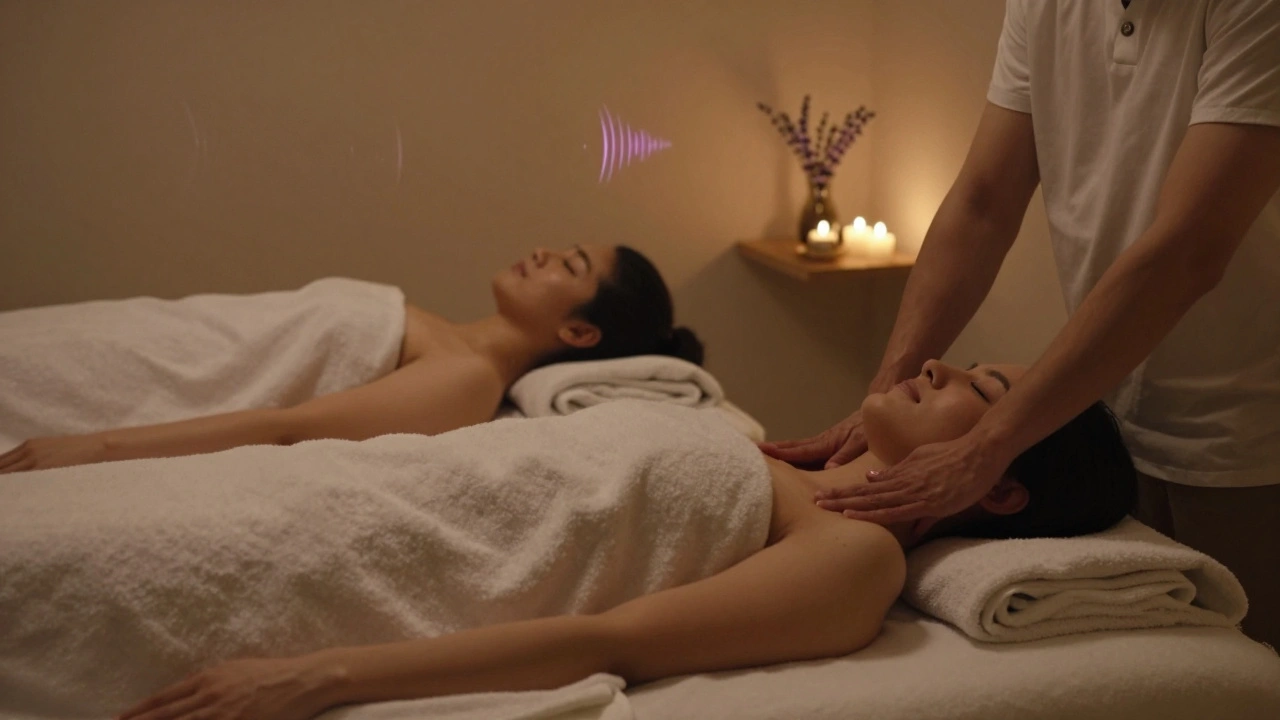
Nothing says "we care" like a shared moment of calm. A couples massage isn’t just about getting rubbed down-it’s about reconnecting, unwinding, and creating a quiet space where stress doesn’t stand a chance. But if you’ve ever walked out of a session feeling awkward, distracted, or worse-disappointed-you know it’s not as simple as booking two side-by-side tables. The difference between a forgettable session and one you’ll talk about for weeks comes down to a few key choices. Here’s what actually works-and what you should avoid.
Do: Plan Ahead, But Keep It Simple
Don’t wait until the night before to book. Popular spas in London fill up fast, especially on weekends. Aim to reserve at least a week ahead, and pick a time when neither of you is rushed. Early evening works best-after work, before dinner. You want to arrive relaxed, not frazzled from traffic or last-minute errands.Choose a quiet, clean space. Look for places that offer private rooms with dim lighting, soft music, and warm temperatures. Avoid places that feel clinical or overly busy. You’re not here for a medical treatment-you’re here for connection. If the receptionist asks if you want "aromatherapy" or "hot stones," say yes. These extras aren’t gimmicks. Lavender lowers heart rate. Warm stones melt tension. They’re small things that make the whole experience deeper.
Don’t: Try to Talk Through It
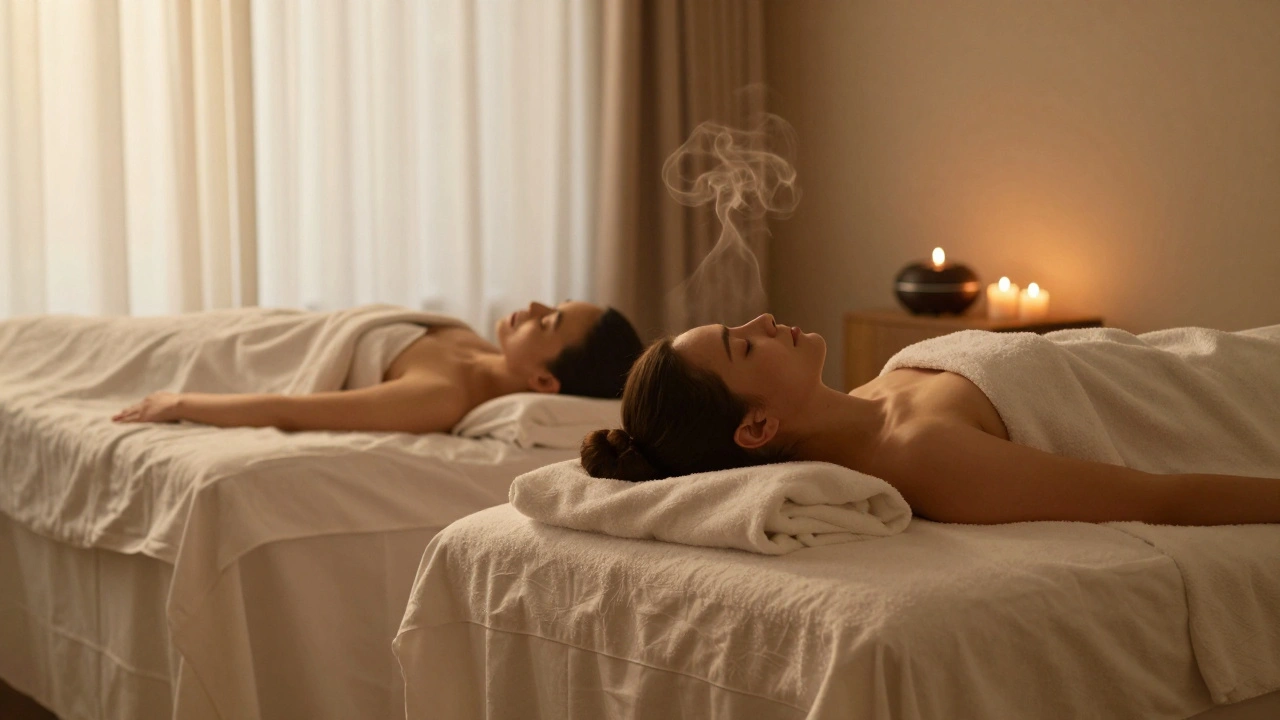
One of the biggest mistakes? Thinking you need to keep chatting. A couples massage isn’t a date night movie. It’s not the time to catch up on work, plan the weekend, or debate who forgot to take out the trash. The goal is silence-deep, comfortable silence.Studies show that when two people lie side by side in a relaxed state, their breathing patterns naturally sync. That’s not magic-it’s biology. And when you stop talking, your nervous systems start to mirror each other. That’s when the real bonding happens. Let the therapist guide you. If you feel the need to say something, a simple nod or sigh is enough. Save the deep talks for after.
Do: Wear Comfortable Clothes-Then Let Them Go
You don’t need to show up in silk robes or fancy loungewear. Just wear something loose and easy to take off. Most spas provide robes, towels, and disposable underwear. If you’re uncomfortable being nude, that’s fine. You can keep your underwear on. But don’t wear a sports bra or tight shorts-they’ll dig in, leave marks, and distract you from the massage.And here’s something most people don’t realize: the massage begins before the oil touches your skin. When you walk in, take a slow breath. Let your shoulders drop. Let your jaw loosen. That’s the first step toward real relaxation. If you’re still tense when you lie down, the therapist can’t fix it in ten minutes. Your body needs time to surrender.
Don’t: Compare Your Experience
It’s tempting. You feel a little more pressure on your back. Your partner gets a longer shoulder rub. You wonder if they’re getting better service. Stop. This isn’t a competition. Every body is different. One person might need deep work on their hips. The other might need light strokes on their neck. A good therapist adjusts for each person.Instead of comparing, focus on your own sensations. Where are you feeling warmth? Where are you holding tension? Is your breathing slower? That’s the real measure of success. If your partner seems more relaxed than you, don’t assume they’re having a better time. They might just be better at letting go. And that’s okay.
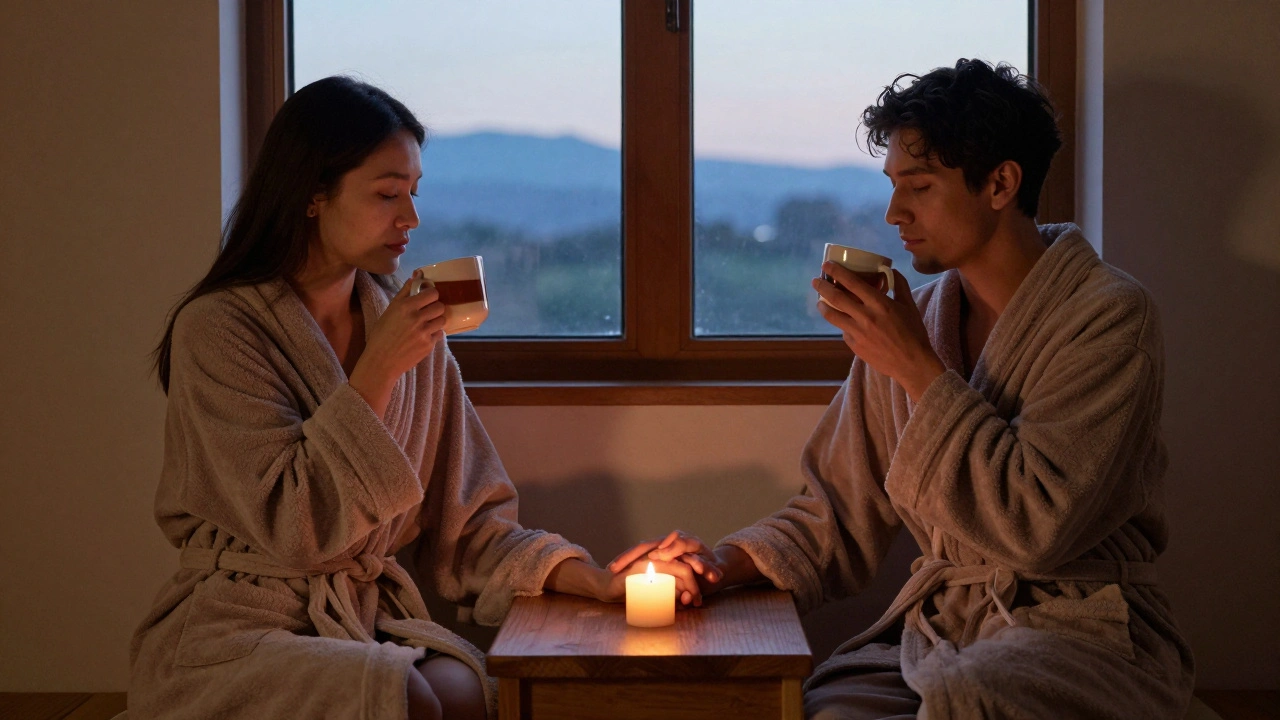
Do: Use the Time to Reconnect-Without Words
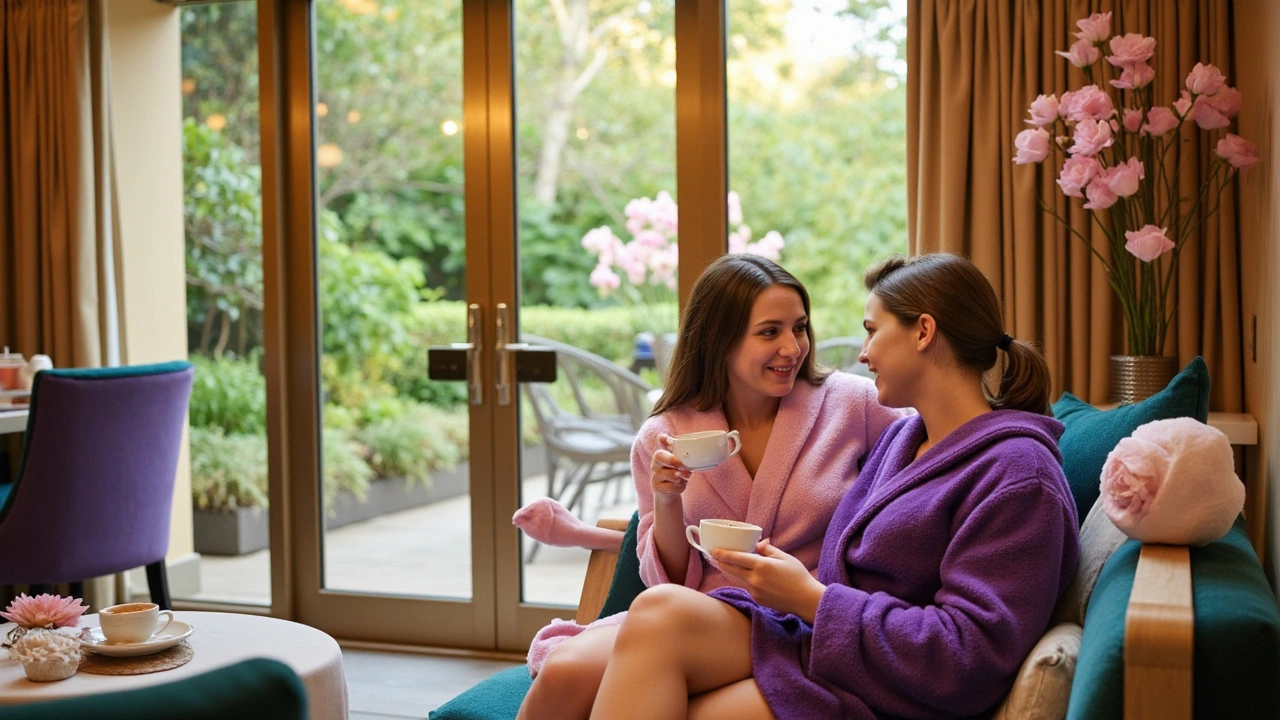
Think of this as a 60- to 90-minute meditation you do together. No phones. No screens. No outside noise. Just you, your partner, and the rhythm of hands moving over skin.After the massage, don’t jump up and rush to the shower. Stay wrapped in your robe. Sip some warm tea. Sit quietly. Maybe hold hands. Maybe just look at each other. That quiet moment after is where the magic sticks. A 2024 study from the University of Oxford found that couples who spent even 10 minutes in silent post-massage connection reported higher relationship satisfaction than those who immediately returned to their routines.
Try this: after your session, walk home slowly. Don’t talk. Just notice the air, the sounds, the way your body feels. You’ll be surprised how much more present you feel.
Don’t: Expect It to Fix Everything
A couples massage isn’t therapy. It won’t solve arguments, repair trust, or erase years of emotional distance. But it can create a bridge. A soft, warm, quiet bridge.If you’re going in hoping to talk things out during the massage, you’re setting yourself up for disappointment. If you’re going in hoping the massage will magically make your partner more affectionate, you’re setting yourself up for frustration.
What it can do? Give you both a shared memory of peace. A moment where you weren’t partners in conflict, but partners in calm. That’s powerful. And sometimes, that’s all you need to start talking again.
Do: Make It a Habit
One massage is nice. A monthly one? Life-changing.Set a date on your calendar. Not "sometime soon." Not "when we have time." A real date. The 15th of every month. Even if it’s just a 45-minute session. Consistency matters more than duration. Think of it like brushing your teeth-you don’t wait until your gums bleed to do it.
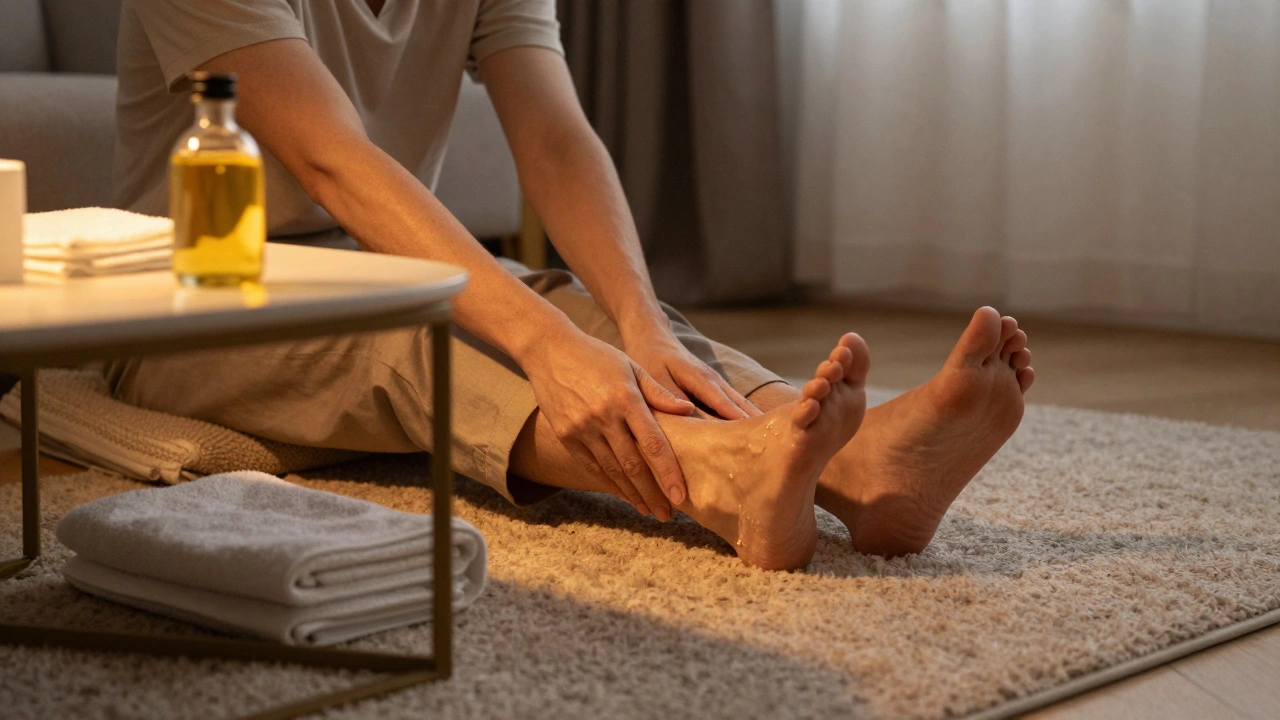
Some couples start with a monthly session. Then they add a weekly 20-minute at-home massage. Just hands on shoulders after dinner. Or feet rubbed while watching TV. It doesn’t have to be fancy. It just has to be regular.
Don’t: Let Cost Stop You
A couples massage in London can cost anywhere from £80 to £200. It feels steep. But think of it this way: you spend £15 on coffee every week. £30 on takeout. £50 on a movie night. What’s one massage a month compared to that?There are cheaper options. Look for spas that offer weekday specials. Book during lunch hours. Try student-run clinics at massage schools-often £40-£60 for a full hour. Or, if you’re comfortable, learn basic techniques and give each other massages at home. A little oil, a slow rhythm, and your own hands can work wonders.
Do: Pay Attention to the Little Things
The best couples massages aren’t about fancy oils or exotic scents. They’re about the details:- The temperature of the room-warm enough to feel safe, not hot enough to feel sweaty.
- The volume of the music-low enough to be calming, not so low you can’t hear the therapist moving.
- The lighting-soft, indirect, no harsh overheads.
- The towels-clean, warm, and freshly folded.
- The silence-no interruptions, no phone rings, no staff knocking.
These aren’t luxuries. They’re necessities. If any of these are off, your body notices. And if your body notices, your mind can’t relax.
Don’t: Rush Out the Door
Don’t check your phone the second the massage ends. Don’t jump into your coat. Don’t say, "That was nice," and head straight to the car.Take five minutes. Sit. Breathe. Let the calm settle in. Drink the water they offer. Talk about how your body feels-not what you did yesterday, not what’s on your calendar tomorrow. Just: "My shoulders felt like they were melting." Or, "I didn’t realize I was holding my breath."
This is the moment that turns a treatment into a ritual.
Do: Keep It Sacred
Treat this like a monthly date night-but one that doesn’t involve restaurants, reservations, or small talk. It’s your time to be still. To be soft. To be together without having to perform.When done right, a couples massage doesn’t just relax your muscles. It reminds you that you’re not just partners in life-you’re partners in peace. And that’s worth more than any massage table.
Can we do a couples massage at home?
Yes, absolutely. You don’t need a spa to have a meaningful experience. All you need is a quiet room, a warm towel, a bottle of massage oil, and 30 minutes of uninterrupted time. Start with gentle strokes on the back and shoulders. Keep the pace slow. Focus on touch, not technique. Many couples find that doing this regularly builds intimacy better than any professional session.
Should we talk during the massage?
It’s best not to. Talking breaks the rhythm of relaxation. If you feel the need to say something, a soft sigh or a gentle nod is enough. The goal is to let your bodies relax into the same space. Words pull you out of that. Save conversations for afterward, when you’re both calm and present.
What if one of us doesn’t like being touched?
That’s more common than you think. Some people feel uncomfortable with touch, even from partners. If that’s the case, start with something lighter-a hand massage or a foot rub. Let the other person choose the pressure. Go slow. You can always try again next time. The goal isn’t perfection-it’s connection. Even a small, gentle touch can build trust over time.
Is a couples massage romantic or sexual?
It’s neither-unless you make it so. A professional couples massage is a therapeutic, non-sexual experience. The focus is on relaxation, stress relief, and emotional connection. If you’re looking for something sensual or intimate, that’s different. But in a standard spa setting, the therapist follows strict boundaries. The room is private, the touch is professional, and the intent is calm-not arousal.
How often should we get a couples massage?
Monthly is ideal for most couples. But even every other month helps. The key is consistency. Think of it like sleep or exercise-you don’t need to do it perfectly, but you need to do it regularly. Some couples start with monthly sessions, then add weekly 10-minute at-home massages. That small habit builds deeper connection over time.