The Evolution of Massage Therapy in London: What’s New in 2026
Five years ago, walking into a massage studio in London meant choosing between a Swedish routine or a deep tissue session-maybe a hot stone if you were feeling fancy. Today? It’s a whole different scene. The city’s massage therapy scene has transformed from a luxury indulgence into a science-backed pillar of urban wellness. And it’s not just about relaxation anymore. It’s about recovery, performance, mental reset, and even chronic pain management-delivered with precision.
From Spa Luxury to Clinical Integration
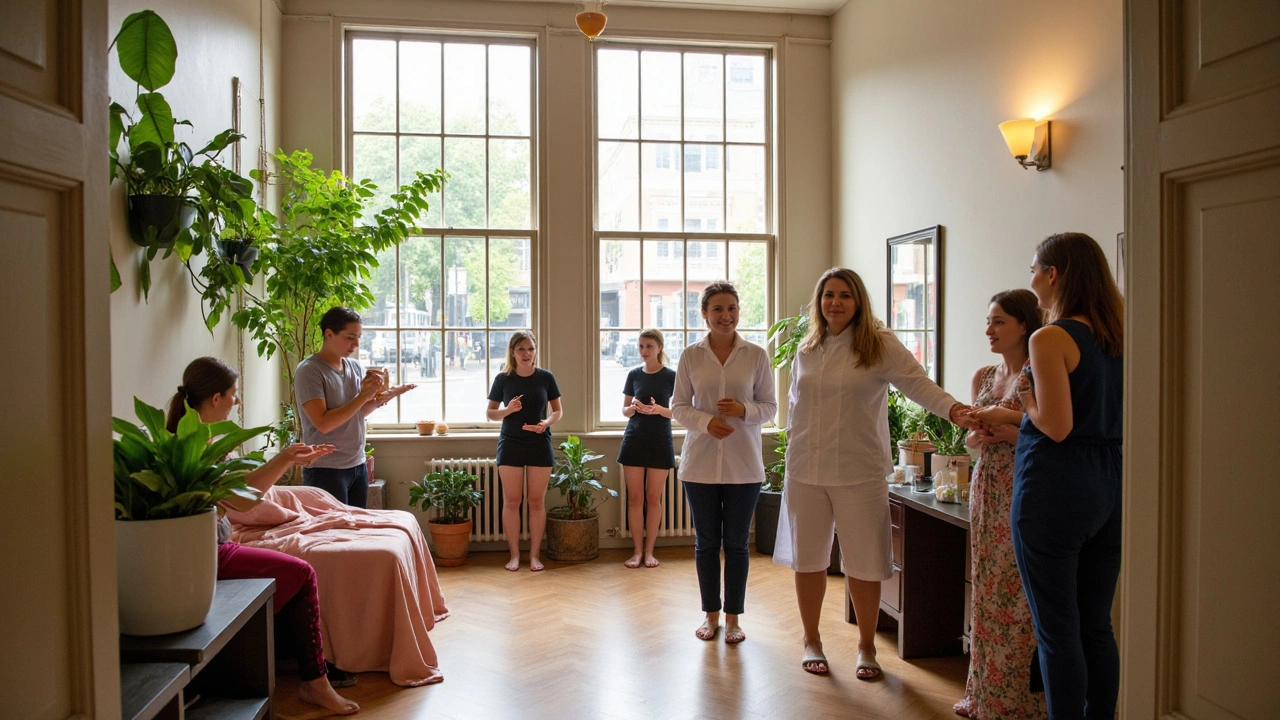
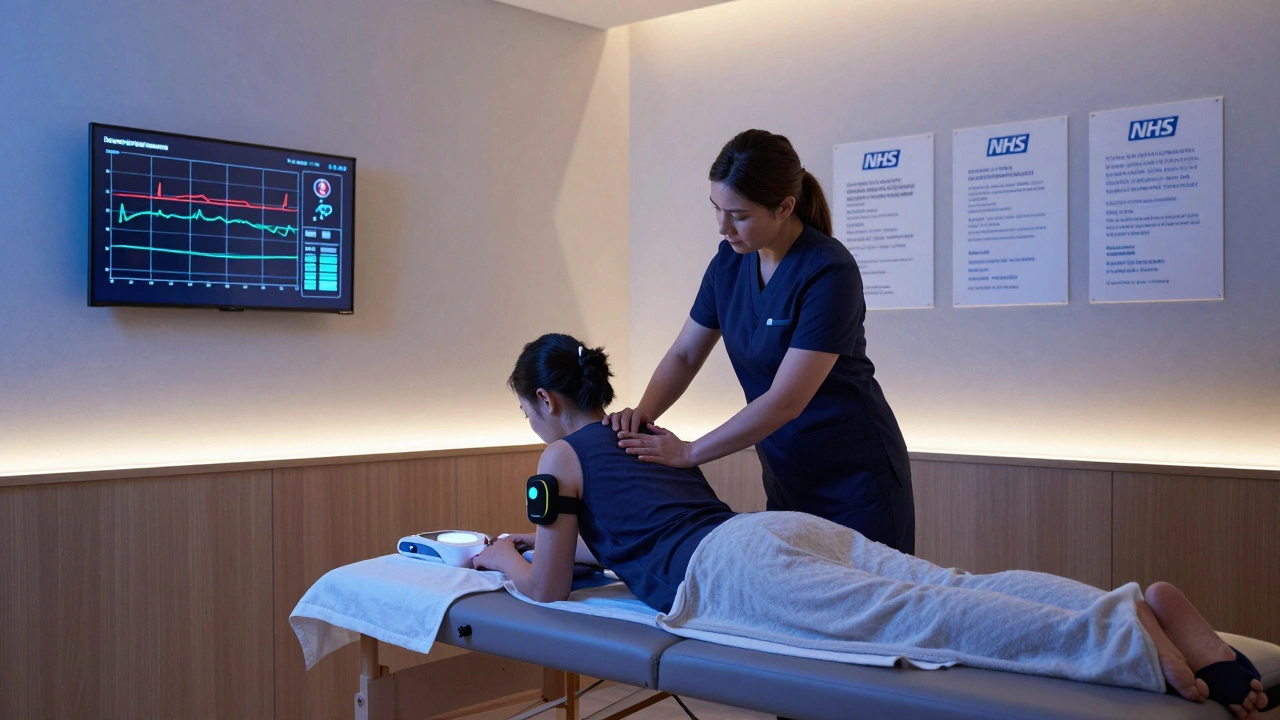
Back in 2020, most massage therapists in London worked out of small salons or private homes. Certification was inconsistent. Today, over 68% of registered therapists hold qualifications from accredited institutions like the London School of Massage Therapy or the Complementary Medical Association. More importantly, clinics now partner with physiotherapists, osteopaths, and even NHS clinics. You can get a referral for massage therapy from your GP in areas like Camden, Islington, and Southwark. It’s no longer a fringe service-it’s part of the care pathway.
Therapists aren’t just rubbing muscles anymore. They’re using real-time biofeedback tools. Devices like the MyoMotion system track muscle tension patterns before and after treatment. Some clinics even integrate EMG sensors to measure how deep tissue work affects muscle activation. It’s not sci-fi-it’s Tuesday in East London.
The Rise of Tech-Enhanced Modalities
One of the biggest shifts since 2023 is the adoption of technology that enhances traditional techniques. Laser-assisted myofascial release is now offered in 12 clinics across the city. It uses low-level light therapy to reduce inflammation faster than manual pressure alone. Studies from King’s College London show a 40% faster recovery time for athletes using this combo versus massage alone.
Then there’s the smart massage table. Introduced in 2024, these tables have embedded pressure sensors and AI-driven feedback. They adjust firmness in real time based on your body’s response. If you tense up during a shoulder release, the table softens automatically. If your hip muscles stay rigid, it increases pressure. It’s not replacing the therapist-it’s giving them superpowers.
Apps like TherapyLog now let clients track their progress over weeks. You get graphs showing muscle symmetry, sleep quality, and pain levels. Therapists use this data to adjust sessions. No more guessing. Just evidence.
Specialization Is the New Normal
Generic "full body" massages are fading. Londoners now demand hyper-specific treatments. Here’s what’s trending in 2026:
- Postpartum Recovery Massage: Designed for new mothers, this focuses on pelvic floor relaxation, scar tissue mobilization, and hormone balance. Over 3,200 sessions were delivered in London last year.
- Neurological Massage: For people with MS, Parkinson’s, or post-stroke symptoms. Uses gentle rhythmic movements to improve nerve signaling. Clinics in Richmond and Barnet report 65% of clients see improved mobility after 6 weeks.
- Corporate Stress Reset: 20-minute sessions at office buildings. No undressing. Just neck, shoulders, and scalp work. Companies like Barclays and BT now offer it as a standard benefit.
- Chronic Pain Mapping: Therapists use pain mapping software to identify trigger points across the body. A single session might target 12 different areas, not just the sore spot.
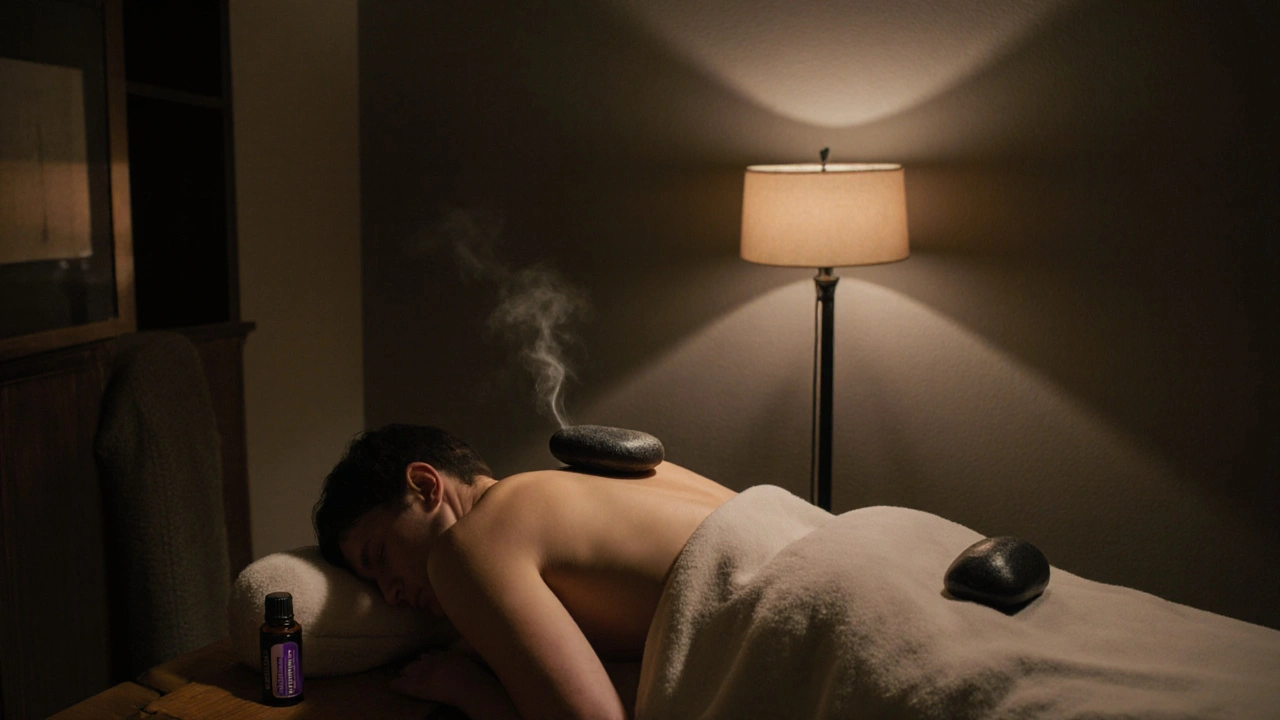
Even traditional styles have evolved. Thai massage now includes gravity-assisted stretches using suspension straps. Hot stone therapy uses heated basalt stones with temperature controls-no more burning yourself. And aromatherapy? Essential oils are now lab-tested for purity. No more synthetic fragrances.
Outcall and Mobile Services Are Booming
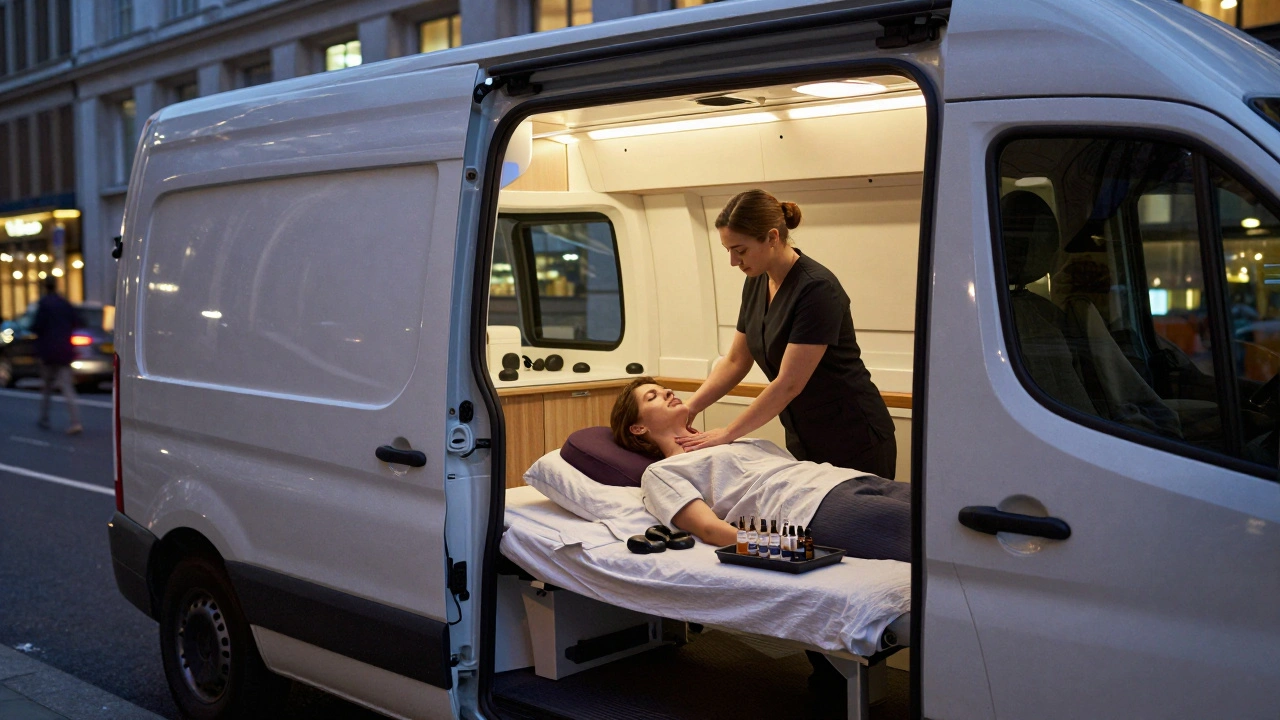
Remember when outcall massage meant a therapist showing up at your flat with a portable table? Now it’s a full mobile clinic. Companies like London Onsite Therapy have converted vans into rolling treatment rooms. They come with heated tables, climate control, and even noise-canceling headphones. You can book a session at your office, hotel, or even your car after a long commute.
Why the surge? Londoners are tired of spending two hours on the Tube just to relax. A 2025 survey found 71% of respondents preferred outcall services over studio visits. The average session cost? £85-up from £55 in 2020-but clients say it’s worth it. Time saved is the real currency.
Regulation and Transparency Are Here
In 2023, the UK government tightened rules for massage businesses. Now, every therapist must display their registration number on their website and in-clinic. You can verify them on the Register of Complementary Practitioners. No more anonymous therapists hiding behind Instagram accounts.
Insurance is now standard. Over 80% of clinics offer treatment covered by private health insurers like BUPA and AXA PPP. That’s a huge shift. Five years ago, you paid out of pocket. Now, it’s often claimable.
And pricing? It’s transparent. Most places list their rates online. No hidden fees. No "add-ons" that sneak in at the end. You know what you’re paying for before you book.
What’s Next? The Future Is Personalized
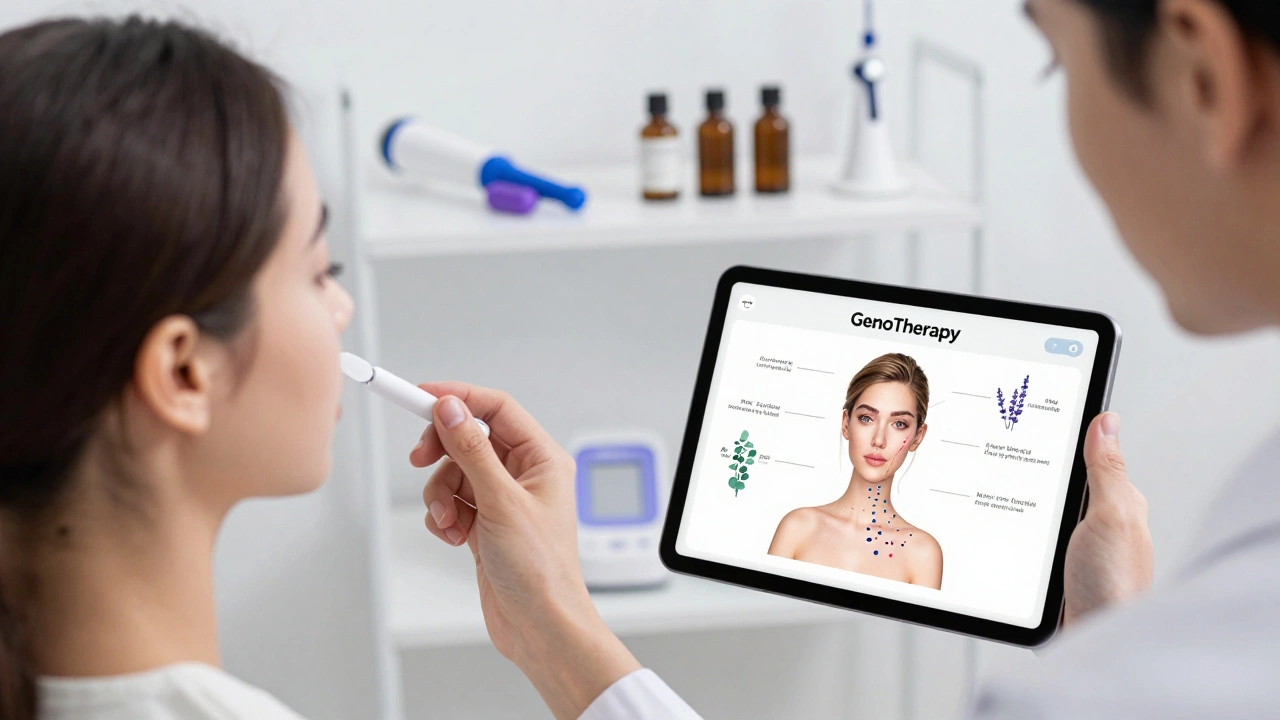
The next leap? Personalized massage protocols based on your DNA. Startups like GenoTherapy are testing genetic markers that predict how your body responds to pressure, heat, and certain oils. A simple cheek swab tells you whether you’ll benefit more from Swedish or deep tissue. Whether you need more lavender or eucalyptus. Whether you’re prone to inflammation after massage.
It’s still experimental-but in 2026, 14 clinics in London are offering it as a premium service. The price? £250 for the test and first session. But early results show 78% of users had better outcomes than with standard treatments.
London’s massage scene isn’t just growing. It’s evolving into something smarter, safer, and more effective than ever before. The old image of a quiet room with candles and soft music? Still there. But now, it’s backed by data, science, and real results.
Is massage therapy in London covered by health insurance?
Yes, many private health insurers in London now cover massage therapy-especially when prescribed by a physiotherapist or GP. Providers like BUPA, AXA PPP, and VitalityHealth include it in their wellness plans. You’ll need a registered therapist and a treatment plan, but claims are processed regularly. Always check your policy details, as coverage varies by plan tier.
What’s the difference between modern massage and traditional massage in London?
Traditional massage focused on relaxation and general tension relief. Modern massage in London is outcome-driven. It uses tools like biofeedback sensors, AI tables, and genetic testing to tailor sessions. Therapists now track muscle response, pain patterns, and recovery over time. It’s not just about feeling good-it’s about measurable improvement in mobility, sleep, or pain levels.
Can I get massage therapy through the NHS in London?
The NHS doesn’t directly offer massage therapy as a standard service. But in some areas, GPs can refer patients to partnered clinics for chronic pain, post-surgery recovery, or neurological conditions. These are typically limited to 6-8 sessions and require clinical justification. It’s not widely available, but it’s happening in pilot programs across Camden, Lambeth, and Tower Hamlets.
Are there any new massage techniques that have emerged in London recently?
Yes. Laser-assisted myofascial release, AI-powered smart tables, and neurological massage for MS and Parkinson’s are all new. There’s also "precision trigger point therapy," which uses 3D body mapping software to locate knots invisible to the hand. And don’t overlook "microcurrent massage," which uses low-level electrical currents to reduce muscle spasms. These aren’t gimmicks-they’re backed by peer-reviewed studies from London universities.
How do I know if a massage therapist in London is legitimate?
Check their registration number on the Register of Complementary Practitioners. Every licensed therapist must display this publicly. Also, look for qualifications from accredited schools like the London School of Massage Therapy or the VTCT. Avoid therapists who only have Instagram profiles or no website. Legit clinics list their insurance, qualifications, and pricing upfront.