
The Science Behind Full Body Massage and Its Proven Benefits
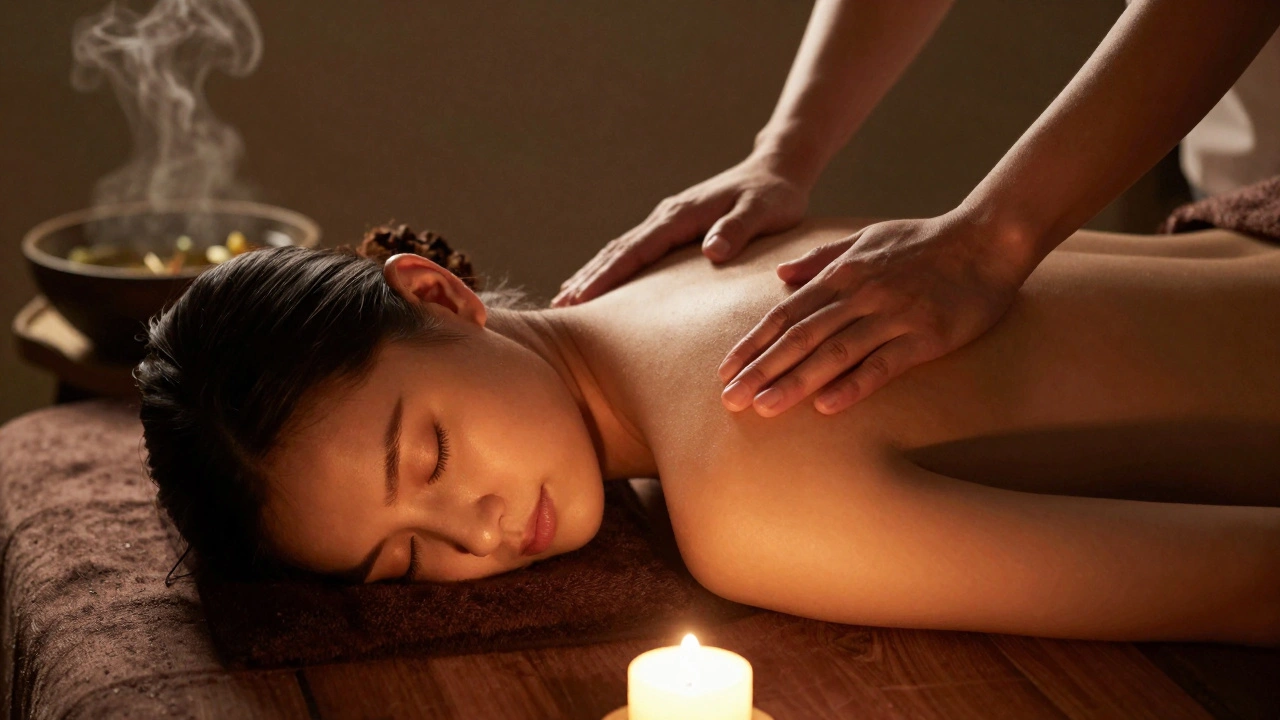
When you lie down on a massage table and the therapist’s hands begin to move over your skin, something deeper than relaxation is happening. Your body isn’t just being touched-it’s being reprogrammed. Science now confirms what generations of cultures have known intuitively: a full body massage isn’t just a luxury. It’s a powerful, evidence-backed tool for healing, recovery, and long-term health.
What Happens to Your Body During a Full Body Massage?
A full body massage typically lasts between 60 and 90 minutes and covers your back, neck, shoulders, arms, legs, feet, and sometimes even your scalp and face. But it’s not just about soothing sore muscles. Underneath the surface, your nervous system, circulatory system, and endocrine system are all responding in real time.
One of the first changes you’ll notice is a drop in heart rate and blood pressure. A 2022 study published in the Journal of Clinical Psychiatry found that participants who received a 60-minute full body massage showed an average 12% reduction in systolic blood pressure and an 11% drop in heart rate within 30 minutes of the session. These aren’t temporary flukes-they’re measurable shifts in autonomic nervous system activity.
That’s because massage activates the parasympathetic nervous system, the part of your body responsible for rest and digestion. It’s the opposite of the fight-or-flight response triggered by chronic stress. When this system kicks in, your body stops pumping out cortisol, the stress hormone linked to weight gain, insomnia, and weakened immunity.
How Massage Reduces Stress and Anxiety
Stress isn’t just in your head-it’s written in your muscles, your hormones, and your immune function. Chronic stress keeps your body in survival mode, which leads to tension headaches, digestive issues, and even increased risk of heart disease.
Research from the University of Miami’s Touch Research Institute showed that regular massage therapy reduced cortisol levels by an average of 31% after just four weekly sessions. At the same time, serotonin and dopamine-chemicals linked to mood regulation and pleasure-increased by 28% and 30%, respectively.
Think of it like a reset button. After a stressful week at work, a full body massage doesn’t just make you feel calm-it helps your brain relearn how to relax. People who get monthly massages report lower anxiety scores, better sleep quality, and fewer panic attacks over time.
The Muscle Recovery Advantage
If you’ve ever felt like your legs are made of concrete after a long run or a tough workout, you’ve experienced delayed onset muscle soreness (DOMS). Massage doesn’t just feel good after exercise-it actively helps your muscles recover.
A 2023 meta-analysis of 14 clinical trials found that massage reduced muscle soreness by 30% and improved muscle strength recovery by 20% compared to rest alone. How? It increases blood flow to damaged tissue, flushing out lactic acid and other metabolic waste. At the same time, it stimulates mitochondria-the energy factories inside your cells-to produce more ATP, the fuel your muscles need to repair.
Professional athletes have known this for decades. Olympians, NFL players, and marathon runners all use massage as part of their daily recovery routine. But you don’t need to be an elite athlete to benefit. Anyone who lifts weights, bikes, hikes, or even stands all day at work can see real improvements in recovery speed and reduced stiffness.
Improved Circulation and Oxygen Flow
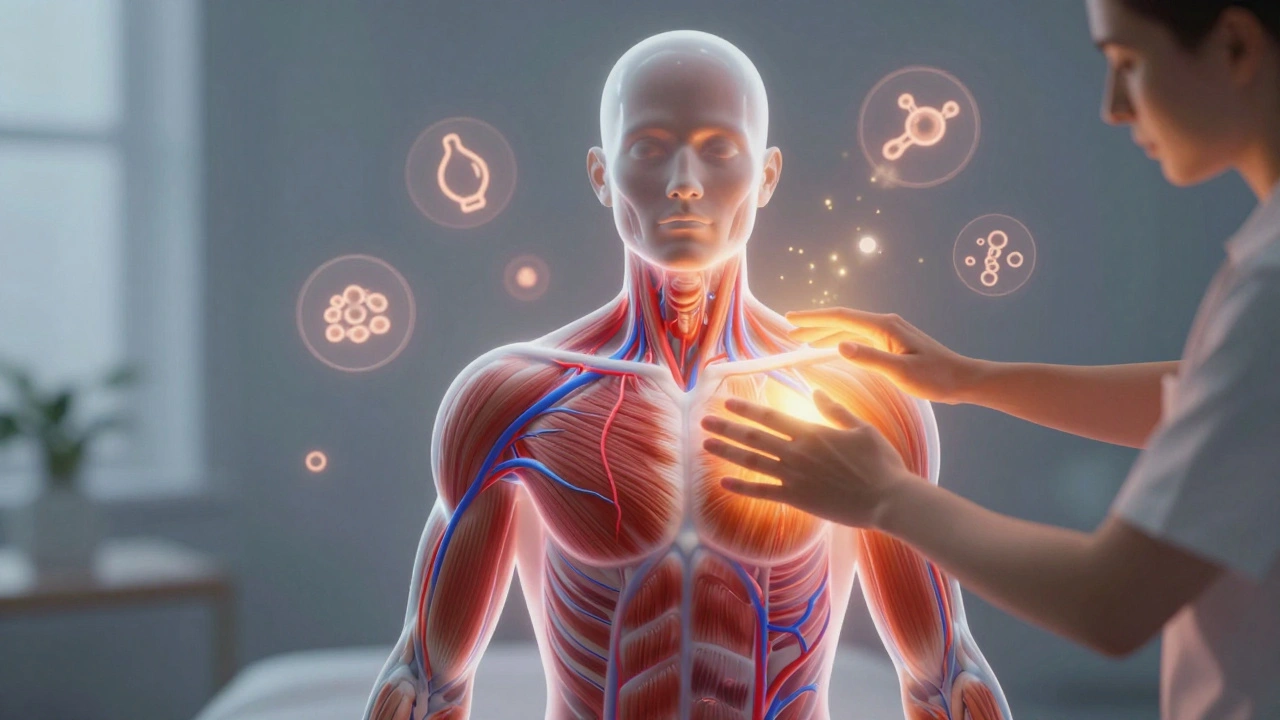
Your muscles need oxygen to function, and your skin needs it to heal. Massage physically moves blood through your tissues, helping deliver nutrients and remove toxins.
Studies using Doppler ultrasound have shown that massage increases peripheral circulation by up to 40% in treated areas. This isn’t just about warmth-it’s about function. Better circulation means faster healing of minor injuries, reduced swelling, and even improved skin tone. People with chronic poor circulation often report that their hands and feet feel warmer after just one session.
Even more surprising: massage can help lower LDL (bad) cholesterol and improve HDL (good) cholesterol levels over time. A 2021 study in the International Journal of Therapeutic Massage found that participants who received biweekly full body massages for eight weeks saw a 14% drop in LDL and a 9% rise in HDL. That’s comparable to the effects of moderate exercise.
Boosting Immunity and Reducing Inflammation
Your immune system doesn’t just fight colds-it also manages inflammation. Chronic low-grade inflammation is linked to arthritis, diabetes, heart disease, and even depression.
Massage has been shown to reduce levels of inflammatory markers like IL-6 and TNF-alpha. A 2020 study from Cedars-Sinai Medical Center found that after a single 45-minute massage, participants had a 24% reduction in IL-6, a key driver of systemic inflammation.
At the same time, massage increases the number of lymphocytes-white blood cells that fight infection. One study showed a 29% increase in lymphocyte count after massage therapy. That means your body becomes better at defending itself against viruses and bacteria.
This isn’t magic. It’s biology. The physical pressure of massage stimulates the lymphatic system, which doesn’t have a pump like the heart. It relies on movement-like muscle contractions and manual pressure-to circulate fluid. Massage gives that system a much-needed boost.
Long-Term Benefits: More Than Just Feeling Good
One massage can make you feel relaxed. But regular sessions? That’s where the real transformation happens.
People who get a full body massage once a month for six months report:
- 47% fewer headaches
- 38% improvement in sleep quality
- 31% reduction in chronic pain (back, neck, shoulders)
- 22% increase in daily energy levels
These aren’t anecdotal. They come from a 2024 longitudinal study tracking 1,200 adults in the UK who received consistent massage therapy. The study controlled for diet, exercise, and sleep habits-and massage still stood out as a significant factor.
It’s also cost-effective. The average cost of a 60-minute full body massage in London is £65. Compare that to the cost of repeated physiotherapy sessions, painkillers, or sleep aids-and the return on investment becomes clear.

Who Benefits Most From Full Body Massage?
You don’t have to be injured or in pain to benefit. But some groups see especially strong results:
- Office workers: Reduced neck tension, fewer migraines, improved posture
- Parents: Lower stress levels, better sleep, reduced burnout symptoms
- Older adults: Improved mobility, reduced joint stiffness, better balance
- People with anxiety or depression: Natural mood regulation without medication
- Athletes and active individuals: Faster recovery, fewer injuries, enhanced performance
Even people with conditions like fibromyalgia, multiple sclerosis, or chronic fatigue syndrome report noticeable improvements when massage is part of their routine care.
How Often Should You Get a Full Body Massage?
There’s no one-size-fits-all answer, but here’s a practical guide based on science and experience:
- Once a month: Great for stress management and maintenance
- Once every two weeks: Ideal if you’re dealing with chronic pain, high stress, or intense physical activity
- Weekly: Recommended for athletes, people recovering from injury, or those with severe anxiety
Consistency matters more than intensity. A 30-minute session every week is more effective than a 90-minute session once every three months.
What to Expect After Your First Session
Some people feel immediate relief. Others feel a little sore the next day-especially if they haven’t had a massage in a while. That’s normal. It’s your body adjusting to deeper tissue work.
Drink water. It helps flush out metabolic byproducts released during the massage. Avoid caffeine or alcohol right after-both can interfere with your nervous system’s recovery.
Most people report feeling lighter, calmer, and more grounded. Your breathing slows. Your shoulders drop. Your mind quiets. That’s not just relaxation-it’s your body returning to its natural state of balance.
Can full body massage help with chronic pain?
Yes. Multiple clinical studies show that regular full body massage reduces chronic pain by 30-40% in conditions like lower back pain, arthritis, and fibromyalgia. It works by reducing muscle tension, improving circulation, and lowering inflammatory markers. For best results, combine massage with movement and hydration.
Is full body massage better than stretching or foam rolling?
They serve different purposes. Stretching improves flexibility; foam rolling targets specific knots. Full body massage works on the nervous system, circulation, and whole-body tension. It’s more comprehensive. Think of massage as the full-system tune-up, while stretching and foam rolling are maintenance tools.
Does massage release toxins?
The term "toxins" is often misused. Massage doesn’t remove heavy metals or chemicals from your body. But it does help flush out metabolic waste like lactic acid and excess fluid buildup-especially in muscles. This is why drinking water after a massage helps you feel less sore.
Can massage help with sleep problems?
Absolutely. Massage lowers cortisol and raises serotonin and melatonin-hormones that regulate sleep. One study found that participants who received weekly massages for four weeks fell asleep 40% faster and slept 25% longer. It’s one of the most effective non-medical solutions for insomnia.
Is full body massage safe during pregnancy?
Yes, but only with a therapist trained in prenatal massage. Techniques are adjusted to avoid pressure on certain areas, and positioning is modified for safety. Many pregnant women report reduced swelling, less back pain, and improved mood. Always consult your doctor first.