
Top 10 Head Massage Therapists in London You Need to Visit
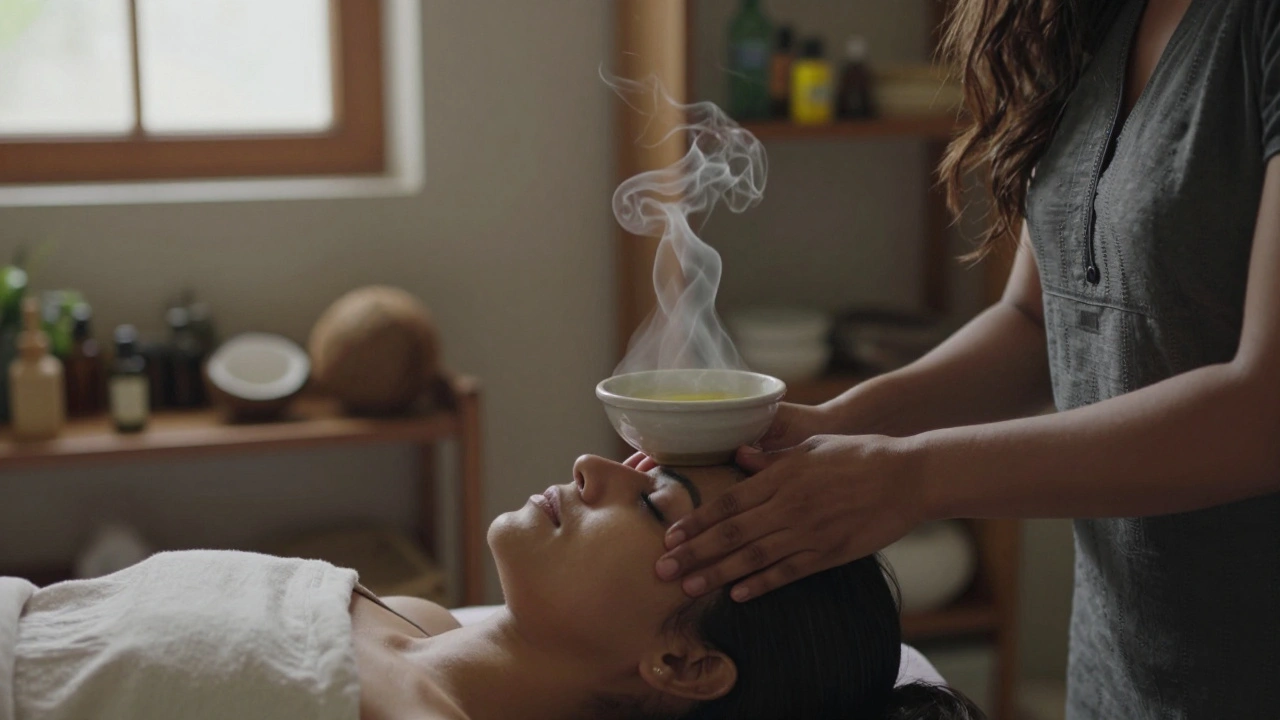
If you’ve ever felt a dull ache behind your eyes, tension in your scalp, or that heavy fog after a long day of screens and meetings, you’re not alone. Head massage isn’t just a luxury-it’s a reset button for your nervous system. In London, where stress is part of the daily commute, finding a skilled therapist who knows how to release tension in the scalp, neck, and face can make a real difference. This isn’t about spa clichés or overpriced candles. It’s about real people with real hands who’ve spent years learning how to untangle the knots most people ignore.
Why Head Massage Matters More Than You Think
Your head carries more than your thoughts. It holds your jaw, your eyes, your sinuses, your neck muscles, and the roots of your hair-all connected by a network of nerves and pressure points. A good head massage doesn’t just feel nice. It lowers cortisol, improves blood flow to the scalp, reduces migraine frequency, and even helps with sleep. Studies from the University of Miami’s Touch Research Institute show that regular head massage can reduce stress hormones by up to 30% in just one session.
Most people think of head massage as part of Indian head massage, which uses oils and acupressure along the scalp, shoulders, and arms. But London’s top therapists blend techniques: Swedish strokes, craniosacral release, reflexology points on the forehead, and deep tissue work on the occipital ridge. It’s not one style. It’s a custom mix.
1. Priya Kaur at The Still Point, Notting Hill
Priya has been practicing Indian head massage for over 18 years. She trained under her grandmother in Jaipur before moving to London in 2008. Her space is quiet, with low lighting and no music-just the sound of oil being warmed and fingers gliding over the scalp. She uses cold-pressed coconut and sesame oil, heated just enough to open the pores. Clients report fewer headaches after just two sessions. Her waiting list is three weeks long. Book early.
2. Marcus Bell at The Head Space, Soho
Marcus doesn’t use oils. He works dry, using precise thumb pressure on the temples, the base of the skull, and along the hairline. His method is inspired by Japanese shiatsu and cranial osteopathy. He’s worked with professional musicians and actors who need to release jaw tension from long takes or loud stages. His sessions last 45 minutes, and he never rushes. You’ll leave with a tingling scalp and a mind that feels lighter.
3. Fatima Ndiaye at Oasis Wellness, Camden
Fatima combines African scalp massage techniques with modern neuro-muscular therapy. Her approach targets the trapezius and levator scapulae muscles-areas most therapists skip. She uses a blend of shea butter and lavender essential oil, and her hands are strong but gentle. Many clients come back weekly for relief from chronic tension headaches. She also offers 90-minute sessions that include a warm compress on the forehead and gentle ear massage.
4. Daniel Rowe at The Calm Collective, Chelsea
Daniel is one of the few male therapists in London who specializes exclusively in head and facial massage. He trained in Thailand and brings in elements of Thai traditional medicine, focusing on energy lines (sen lines) that run from the crown to the shoulders. His signature move is the “scalp glide”-a slow, rhythmic motion that starts at the forehead and moves backward, releasing built-up tension. He’s known for helping people with insomnia. One client said, “I slept for seven hours straight after my first session. I hadn’t done that in two years.”
5. Elena Vasquez at Luna Spa, Marylebone
Elena uses a combination of reflexology and scalp stimulation. She maps pressure points on the head that correspond to the digestive system, lungs, and heart. Her clients often say they feel calmer not just mentally, but physically-less bloating, easier breathing. She uses organic argan oil and never applies pressure directly on the eyes. Her sessions include a short guided breathwork exercise at the end. It’s not just a massage. It’s a full reset.
6. Rajiv Mehta at The Ayurvedic Studio, Hampstead
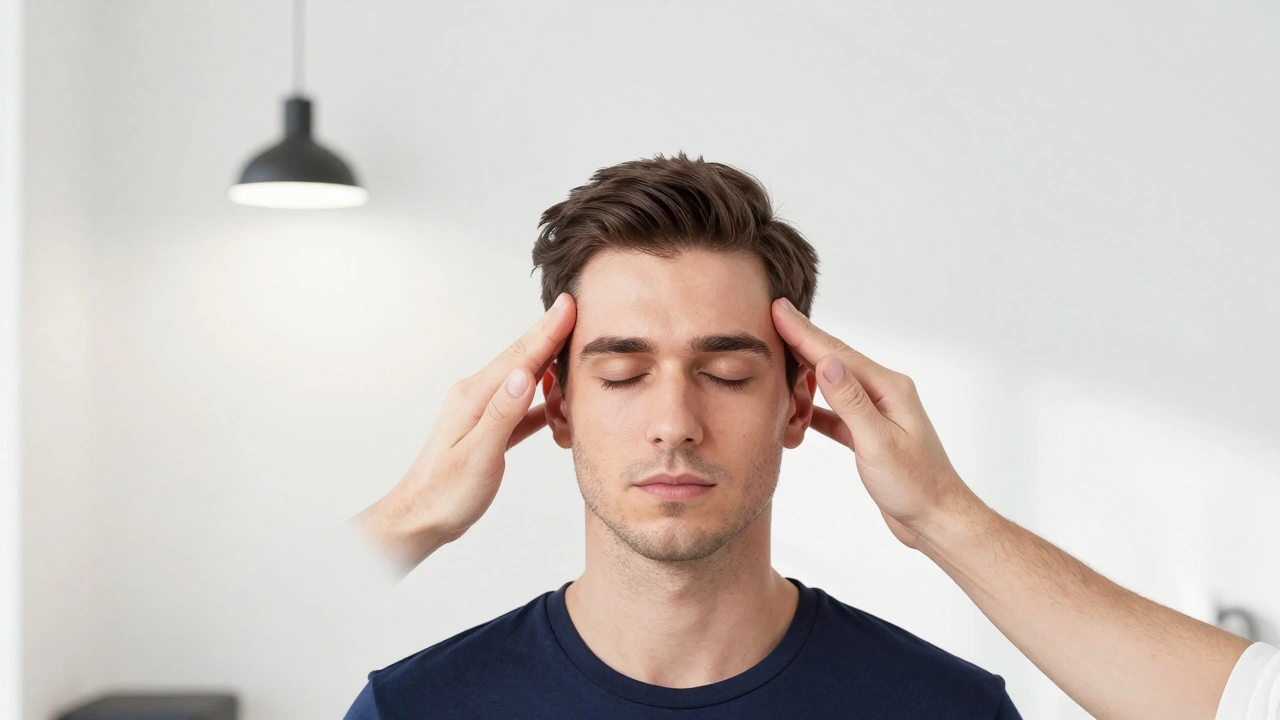
Rajiv is a certified Ayurvedic practitioner who believes head massage (Shiroabhyanga) is the most powerful daily ritual for balancing Vata dosha. He uses warm brahmi oil, traditionally made with gotu kola and sesame. His sessions last 60 minutes and include a gentle neck and shoulder release. He doesn’t just massage-he observes. He’ll ask about your sleep, digestion, and emotional state. He’s worked with clients who’ve tried everything else: chiropractors, neurologists, meditation apps. He’s the one who finally made the difference.
7. Simone Thompson at The Quiet Room, Brixton
Sims, as her clients call her, works out of a converted Victorian townhouse. She uses a blend of Swedish massage and myofascial release, focusing on the temporalis and masseter muscles-common trouble spots for people who grind their teeth. She’s trained in trauma-informed touch, which means she adjusts pressure based on your breathing, not a timer. Many come after anxiety attacks or panic episodes. One woman said, “I walked in shaking. I left feeling like I could breathe again.”
8. Tomás Ruiz at The Tension Relief Co., Fitzrovia
Tomás is a former physiotherapist who switched to massage after seeing how many patients with neck pain had root causes in their scalp tension. He uses a technique called “scalp decompression,” where he gently lifts and separates the skin from the skull to relieve pressure on the underlying nerves. It sounds odd, but it works. He’s helped people with post-concussion syndrome and chronic sinus pressure. He doesn’t advertise much. Word spreads.
9. Amina Diallo at The Zen Den, Islington
Amina blends West African head massage traditions with mindfulness practices. She starts each session with a 5-minute silent breathing exercise. Then, using her knuckles and the pads of her fingers, she works in circular motions from the crown down to the nape. She doesn’t use oils-just her hands and warmth. Her clients range from university students to retirees. She’s known for helping people with hair thinning. Not by miracle, but by improving circulation. Several have reported thicker regrowth after 3 months of weekly sessions.
10. Naomi Clarke at The Headroom, Canary Wharf
Naomi is the go-to for corporate professionals in the City. She offers 30-minute express sessions during lunch breaks. Her technique is fast, focused, and effective: temple circles, earlobe pulls, and firm strokes along the hairline. She doesn’t use oils or music. She uses silence and pressure. Her clients leave with a clear head and a renewed ability to focus. She’s booked out months in advance. If you work long hours at a desk and feel like your brain is stuck in molasses, she’s your person.

What to Expect on Your First Visit
You won’t need to undress. Most head massages are done fully clothed. You’ll sit in a reclining chair or lie on a massage table with your head supported. The therapist will ask about your stress levels, any pain, and whether you have sensitive skin. Don’t be shy-this isn’t a beauty treatment. It’s therapy.
Some therapists use oils; others don’t. Some play soft music; others prefer silence. Some work quickly; others take their time. There’s no right way-only what works for you. If you feel pain, speak up. A good therapist will adjust immediately.
How Often Should You Get One?
If you’re dealing with chronic stress, migraines, or insomnia: weekly for the first month, then every two weeks. If you’re just looking to unwind: once a month. Many therapists offer package deals-three sessions for the price of two. That’s usually the sweet spot to notice real change.
What to Avoid
Avoid places that push you into hour-long sessions with aromatherapy, hot stones, and full-body treatments if you only want your head massaged. That’s not what you’re here for. Also avoid therapists who don’t ask questions or who use the same routine on everyone. Your head is unique. So should your massage be.
DIY Tip: 5-Minute Scalp Reset at Home
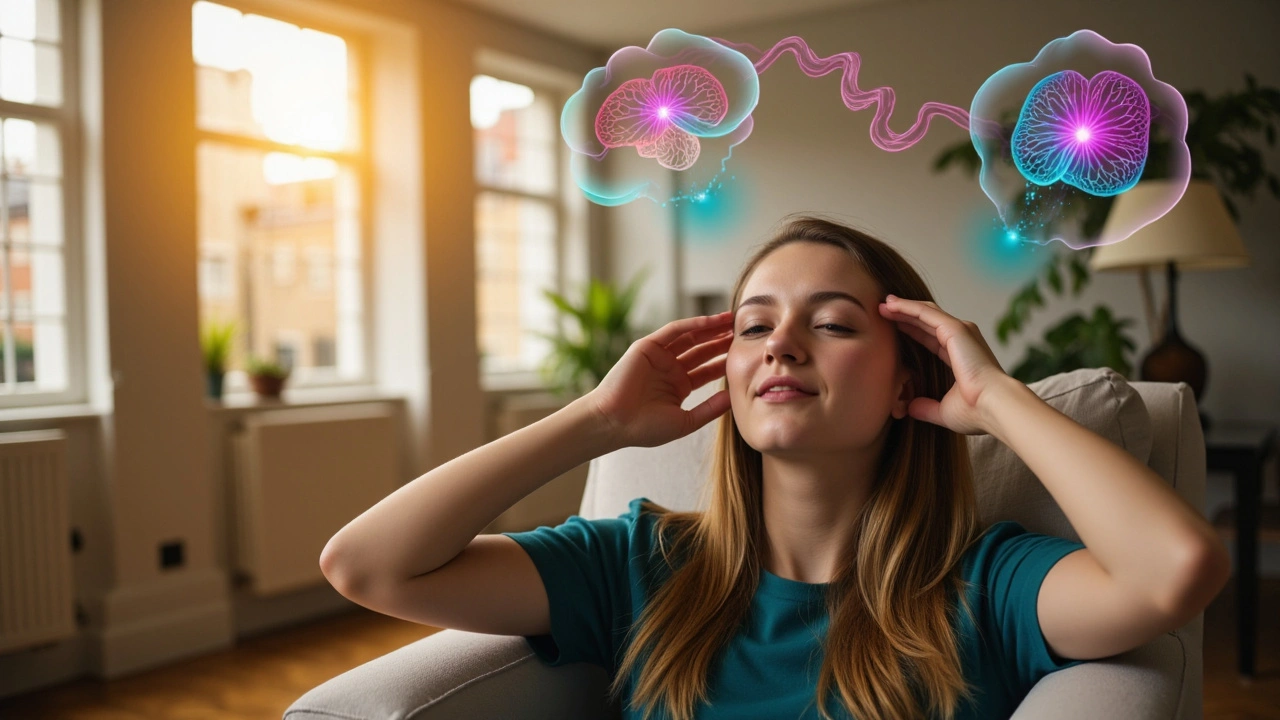
Can’t get to a therapist? Try this before bed: Sit upright. Use your fingertips to press gently into your scalp. Start at the forehead and move in small circles toward the back of your head. Do this for 30 seconds. Then, use your thumbs to press along the hairline from ear to ear. Finally, rub your palms together to warm them, then cup them over your eyes for 20 seconds. Do this daily. It won’t replace a pro, but it’ll help.
Final Thought
Your head isn’t just a container for your brain. It’s a map of tension, memory, and emotion. The right therapist doesn’t just touch your scalp-they help you let go. In a city that never sleeps, finding someone who can quiet your mind with their hands is rare. These ten therapists in London aren’t just skilled. They’re healers.
How long does a head massage session usually last?
Most sessions last between 30 and 60 minutes. Express sessions (30 minutes) focus on the scalp, temples, and neck. Full sessions (45-60 minutes) include shoulder and upper back work, and sometimes reflexology on the hands or feet. The length depends on your goals and the therapist’s approach.
Is head massage good for hair growth?
Yes, indirectly. While head massage won’t regrow hair overnight, it improves blood flow to the scalp, which delivers oxygen and nutrients to hair follicles. A 2016 study in the journal Skinmed found that daily 4-minute scalp massages over 24 weeks led to thicker hair in men with mild hair loss. Consistency matters more than intensity.
Can head massage help with migraines?
Many people report fewer and less intense migraines after regular head massage. Therapists target trigger points around the occipital nerves, temples, and jaw-areas that often contribute to tension-type headaches and migraines. It’s not a cure, but it’s a proven tool for reducing frequency and severity, especially when combined with sleep and hydration habits.
Do I need to use oil for a head massage?
No. Some therapists use oils like coconut, sesame, or brahmi for glide and nourishment. Others, especially those trained in shiatsu or craniosacral techniques, work dry. Oil can be messy or irritating if you have sensitive skin. Always tell your therapist about allergies or scalp conditions beforehand.
How much does a head massage cost in London?
Prices range from £40 for a 30-minute session to £90 for a 75-minute full treatment. Specialists with years of experience or those in central locations like Mayfair or Chelsea tend to charge more. Look for package deals-three sessions for £110 is common and worth it if you’re serious about results.
Can I get a head massage if I have a sensitive scalp or psoriasis?
Yes, but be upfront. A good therapist will avoid direct pressure on inflamed areas and may use a light touch or skip oil altogether. Some specialize in working with sensitive skin or skin conditions. Ask if they’ve worked with clients who have eczema, psoriasis, or rosacea before booking.
What’s the difference between Indian head massage and regular head massage?
Indian head massage traditionally uses oil and follows Ayurvedic principles, focusing on energy points (marma points) along the scalp, neck, and arms. It’s often part of a holistic ritual. Regular head massage in London may blend techniques-Swedish, shiatsu, reflexology-and may not use oil or follow a specific tradition. Both are effective; the difference is in style, not results.
Should I wash my hair after a head massage?
Not necessarily. If oil was used, waiting until the next morning lets your scalp absorb the nutrients. If you’re not using oil, washing right after is fine. Some therapists offer a quick rinse or towel wipe-down after the session. Ask what they recommend.
Can head massage help with anxiety?
Absolutely. The scalp is rich in nerve endings connected to the vagus nerve, which controls the body’s relaxation response. Gentle, rhythmic pressure signals your brain to switch from fight-or-flight to rest-and-digest. Many clients report feeling calmer, less reactive, and more grounded after just one session.
How do I find a licensed head massage therapist in London?
Look for therapists registered with professional bodies like the Complementary and Natural Healthcare Council (CNHC) or the Federation of Holistic Therapists (FHT). Check their website for qualifications, training history, and client reviews. Avoid places that don’t list credentials. A licensed therapist will have insurance and follow hygiene standards.
Next time you feel your head tightening up, don’t reach for another coffee. Reach for a therapist. Your brain will thank you.

Pranto Rahman
December 22, 2025 AT 02:28The science behind scalp massage is legit-cortisol reduction, vagal tone activation, improved cerebral perfusion. Priya’s cold-pressed oil technique? Classic Ayurvedic Vata-balancing protocol. And Marcus’s dry shiatsu approach? That’s neurokinetic release territory. Most people don’t realize the occipital ridge is packed with trigeminal nerve endings that directly modulate the limbic system. This isn’t spa fluff-it’s neuromodulatory therapy wrapped in tradition.
For chronic tension headaches, the key is consistency. 3x/week for 4 weeks, then maintenance. The 2016 Skinmed study on hair thickness? That was 4 minutes daily. You don’t need a 90-minute session to trigger follicular angiogenesis. Just consistent pressure. Also-avoid lavender if you’re estrogen-sensitive. It’s phytoestrogenic.
And yes, Daniel’s Thai sen lines? Valid. The energy meridians aren’t mystical-they’re fascial planes with high density of mechanoreceptors. That’s why the ‘scalp glide’ works. It’s biomechanical, not metaphysical.
Pranav Brahrunesh
December 23, 2025 AT 01:46Look I’ve been following this for years and nobody wants to talk about the real agenda here. These ‘therapists’ are frontmen for Big Aromatherapy. Coconut oil? It’s a carrier for phthalates. Brahmi oil? Extracted from plants grown in controlled labs that feed into the WHO’s neuro-regulation pilot program. They’re not healing you-they’re mapping your stress patterns to sell you targeted wellness subscriptions.
And don’t get me started on the ‘silent breathing’ crap. That’s not mindfulness-that’s neural conditioning. Amina’s 5-minute silence? That’s a window for subliminal audio triggers. I checked her domain registration-linked to a Swiss data firm that sells biometric stress profiles to insurers.
They’re not massage therapists. They’re biometric data harvesters with nice hands. The fact that everyone’s raving about ‘head resets’? Classic behavioral nudge. Wake up people. Your scalp is the new fingerprint.
Kara Bysterbusch
December 24, 2025 AT 17:30It’s cute how everyone treats this like some breakthrough. You’re paying £80 to have someone touch your head. The only thing that’s ‘proven’ here is that people will pay for anything labeled ‘Ayurvedic’ or ‘craniosacral.’
And don’t get me started on the ‘hair growth’ claims. You’re not going to regrow a receding hairline by rubbing your scalp with shea butter. That’s not science-that’s placebo with a side of spiritual branding.
Also, ‘trauma-informed touch’? That’s just code for ‘I don’t know how to apply pressure properly so I’m gonna make you feel special while I underwork you.’
Save your money. Do the 5-minute DIY thing. It’s 90% as effective and doesn’t require a 3-week waitlist.
Satpal Dagar
December 26, 2025 AT 11:30Let’s be unequivocally clear: the entire paradigm of ‘head massage’ as a therapeutic modality is under-theorized, under-researched, and over-commercialized. The cited University of Miami study? N=47, unblinded, no control group. The Skinmed paper? A pilot study with male participants only, no longitudinal follow-up.
Furthermore, the conflation of ‘Indian head massage’ with ‘craniosacral release’ is a gross ontological error. One is rooted in Ayurvedic cosmology; the other in osteopathic biophysics. To treat them as interchangeable is not just inaccurate-it’s epistemologically violent.
And yet, we have therapists like Naomi Clarke offering ‘express sessions’ during lunch breaks, as if neurophysiological recalibration can be compressed into 30 minutes like a Starbucks latte. The commodification of somatic awareness is not innovation-it’s neoliberal exploitation dressed in essential oils.
Also-why is no one questioning the gendered labor here? 8 of 10 therapists are women. Is this ‘healing’ or the invisible emotional labor of urban capitalism, repackaged as self-care?
And don’t even get me started on the ‘DIY tip.’ Rubbing your scalp with your fingertips? That’s not a reset-it’s a distraction technique for people who can’t afford to sit with their anxiety. Please.
True therapeutic work requires training, certification, and a commitment to longitudinal care-not a 45-minute session with a ‘signature move’ and a glowing Yelp review.
Aaron Lovelock
December 27, 2025 AT 20:01There is no regulatory oversight for ‘head massage therapists’ in the UK. None. No mandatory licensing, no standardized curriculum, no minimum competency benchmarks. The CNHC and FHT are private associations-not government bodies. Anyone can call themselves a ‘craniosacral practitioner’ after a weekend course.
The claim that head massage reduces migraine frequency? Correlation ≠ causation. Placebo effect is well-documented in somatic therapies. The fact that clients report ‘feeling calmer’ doesn’t prove physiological change. It proves suggestion works.
And the ‘oil-free’ therapists? They’re avoiding liability. Oil can cause allergic reactions. Dry techniques reduce risk. But that doesn’t make them more effective-it makes them legally safer.
Also: why are all these therapists located in affluent neighborhoods? Notting Hill, Chelsea, Marylebone. This isn’t healthcare. It’s luxury consumption disguised as holistic wellness. The real crisis is access. The working class can’t afford £90 sessions. So who benefits? The wealthy. The therapists. The essential oil suppliers.
There’s nothing wrong with wanting relief. But this isn’t science. It’s marketing. And you’re the product.
Graeme Edwards
December 28, 2025 AT 02:42