
Why the Best Massage in London is Worth Every Penny
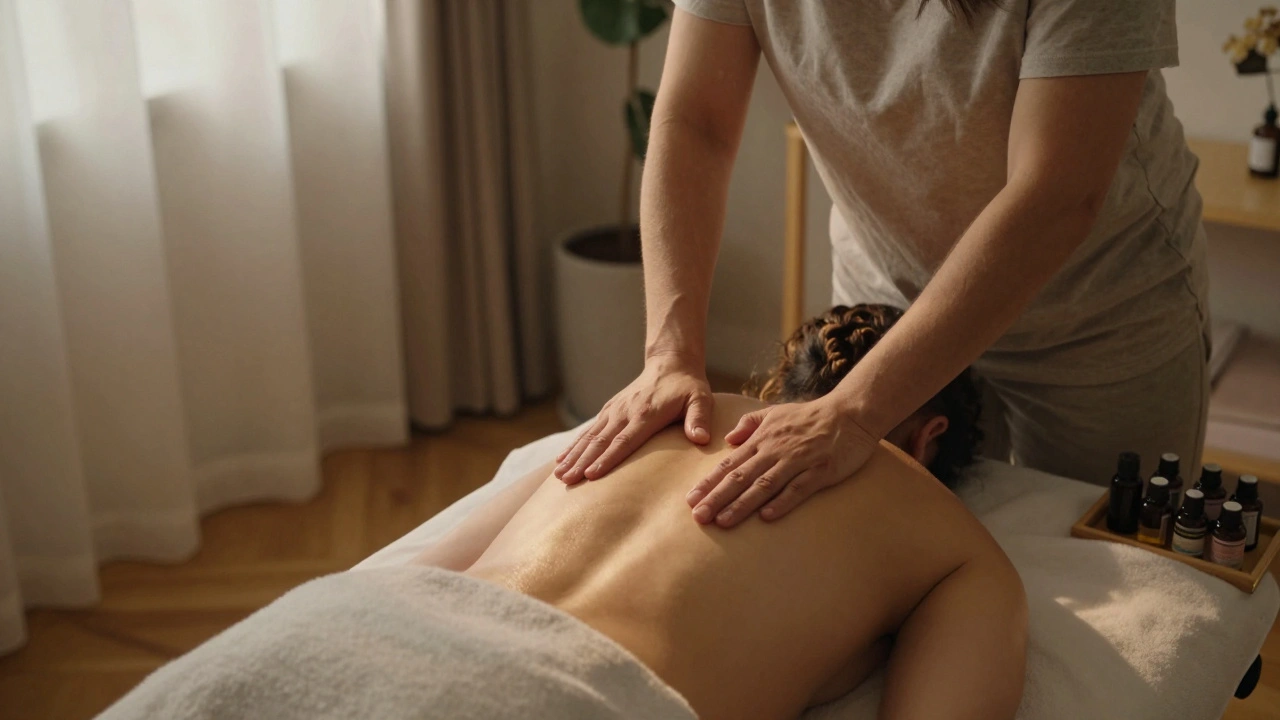
London isn’t short on massage options. Walk into any neighborhood-Shoreditch, Notting Hill, Canary Wharf-and you’ll find a dozen spas, holistic centers, and independent therapists offering everything from Swedish strokes to hot stone rituals. But here’s the truth most people miss: the best massage in London doesn’t just feel good. It changes how you move, sleep, and show up for your life. And yes, it’s worth every penny.
What Makes a Massage "Best"?
It’s not about the scented candles or the organic oils. It’s about the person behind the hands. The best massage in London comes from someone who’s trained for years, not months. Someone who’s studied anatomy in depth, not just memorized pressure points. They know how a tight hip flexor from sitting all day connects to your lower back pain. They recognize the difference between muscle tension from stress and muscle damage from injury.
Therapists at the top level don’t just follow a script. They listen. They adjust. They ask: "Where does it hurt when you breathe?" or "Does that pressure shift when you lift your arm?" These aren’t random questions. They’re diagnostic tools. And they’re why one session with a skilled therapist can do more than five sessions with someone who just repeats the same routine.
The Hidden Cost of Cheap Massages
Let’s be real-£40 for a 60-minute massage sounds like a steal. But what are you really getting? Often, it’s a rushed session. A therapist juggling three clients back-to-back. No time to warm up the stones. No space to adjust your positioning. No follow-up advice. You leave feeling okay, maybe even relaxed. But within 48 hours, the tension creeps back.
Compare that to a £90 session with a therapist who’s been working exclusively with chronic pain clients for over a decade. They’ve trained under physiotherapists. They’ve taken courses on fascial release and neuromuscular therapy. They use a combination of deep tissue, myofascial techniques, and gentle mobilization tailored to your body’s needs. You don’t just feel loose-you feel rebalanced.
The cheaper option isn’t saving you money. It’s costing you time, comfort, and long-term health. Think about it: if you’re paying £160 a month for gym memberships, therapy, and supplements to manage stress, why spend £40 on a massage that gives you 24 hours of relief? The best massage in London gives you 72 hours-and sometimes longer.
What You Actually Get for the Price
When you pay for a premium massage in London, you’re not just paying for 60 minutes on a table. You’re paying for:
- Personalized assessment: Before the first stroke, they’ll ask about your sleep, your job, your movement habits, even your stress triggers.
- Custom technique blending: No two clients get the same session. One might need Thai stretching to open the hips; another might need trigger point release on the trapezius.
- High-quality, therapeutic-grade products: Organic jojoba, cold-pressed lavender oil, or CBD-infused balms-none of the cheap, synthetic fragrances that irritate skin.
- Post-session guidance: A written summary. Stretching tips. Hydration advice. Maybe even a recommendation for a foam roller or posture correction tool.
- Consistency: The best therapists keep records. They remember what worked last time. They don’t start from scratch every visit.
These aren’t perks. These are medical-grade care elements you’d expect from a physiotherapist. And they’re why clients return month after month-not because they’re addicted to relaxation, but because their bodies feel fundamentally better.
Real Stories from Londoners
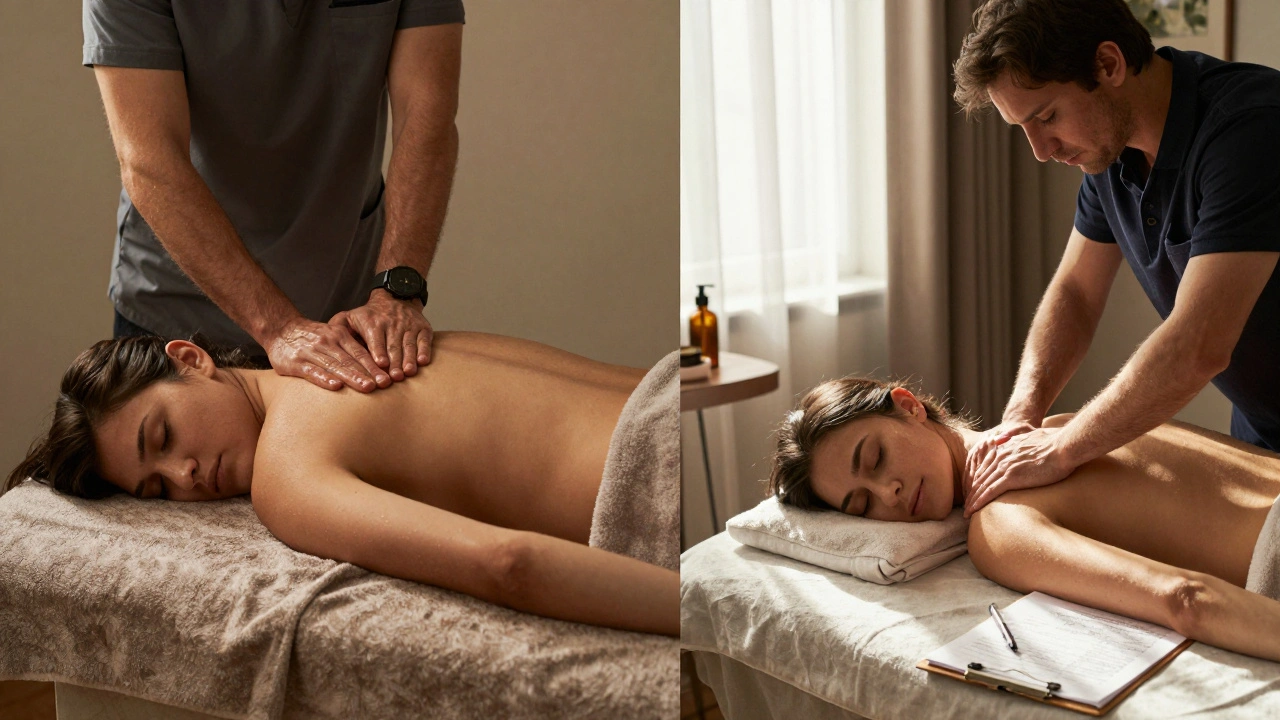
Emma, a 38-year-old graphic designer from Camden, started getting weekly massages after her shoulder injury from years of typing. She tried three different therapists before finding one who specialized in repetitive strain. After six sessions, her pain dropped from an 8/10 to a 2/10. She now gets a 90-minute session every two weeks. "It’s not a luxury," she says. "It’s my maintenance routine. Like brushing my teeth."
James, a 45-year-old warehouse manager from Barking, had chronic lower back pain from lifting heavy boxes. He spent £1,200 on MRI scans and painkillers before his physio said, "Try massage therapy with someone who understands biomechanics." He found a therapist who combined deep tissue with movement re-education. Within eight weeks, he stopped taking pain meds. "I didn’t know massage could fix something structural," he told me. "But it did."
These aren’t outliers. They’re common among people who’ve invested in the right kind of care. And they all say the same thing: the price didn’t matter once they felt the difference.
Where to Find the Real Deal in London
You won’t find the best massage in London on the first page of Google Ads. You won’t find it in chain spas with identical packages for everyone. Look for therapists who:
- Have certifications from recognized institutions like the VTCT, ITEC, or the Federation of Holistic Therapists.
- Specialize-not just "massage," but deep tissue, sports recovery, prenatal, or chronic pain.
- Offer consultations before booking. A good therapist will want to talk to you first.
- Have reviews that mention specific results: "My sciatica improved," "I sleep through the night," "I can lift my arm without pain."
- Work in quiet, private settings-not busy shopping centers or hotel lobbies.
Some of the most respected names in London’s massage scene work out of small studios in areas like Brixton, Dulwich, or Hampstead. They don’t advertise on Instagram. They rely on word of mouth. Ask your physio, your yoga instructor, or even your GP. They often know who’s doing the real work.
The Long-Term Payoff
Think of massage like dental checkups. You don’t wait until your tooth is falling out to see a dentist. You go regularly because prevention is cheaper than repair. The same applies here.
People who get regular, high-quality massages in London report:
- 30% fewer headaches from tension
- Improved posture within 4-6 weeks
- Deeper, more restful sleep
- Less reliance on painkillers
- Increased mobility and range of motion
One 2024 study from the University of Westminster tracked 120 Londoners receiving weekly therapeutic massage over six months. Those who received sessions from certified therapists with at least five years of experience saw a 41% reduction in chronic pain symptoms. The group that went to cheaper, less trained therapists saw only a 7% improvement.
This isn’t about pampering. It’s about function. Your body isn’t a machine you fix when it breaks. It’s a system that needs consistent care. And the best massage in London is the kind that keeps you moving, breathing, and living without pain.
Is It Worth It? The Answer Is in Your Body
If you’ve ever walked out of a massage feeling like you’ve been reset-not just relaxed-you know what I mean. That’s not magic. That’s skill. That’s knowledge. That’s experience.
You don’t need to spend £200 every week. But if you’re serious about your health, you owe it to yourself to try one session with a truly skilled therapist. Not the cheapest. Not the flashiest. The one who listens. The one who remembers. The one who treats your body like it matters.
Because when you finally find that person? You won’t think about the price. You’ll just wonder why you waited so long.
Is the best massage in London only for wealthy people?
No. While premium sessions cost more, many top therapists offer sliding scale rates, package deals, or reduced rates for students and NHS workers. Some clinics even have a limited number of low-cost slots each week for people who need care but can’t afford full price. It’s not about wealth-it’s about prioritizing your health. A £70 session once every three weeks is still a powerful investment.
Can’t I just get a good massage at a chain spa?
Chain spas are great for a quick treat, but they’re not built for deep healing. Their therapists often rotate between clients every hour, follow strict scripts, and use mass-produced oils. You’ll leave feeling calm, but not necessarily healed. If you’re dealing with chronic pain, stiffness, or recurring tension, you need someone who can adapt techniques to your body-not one who follows a 10-step routine for everyone.
How often should I get a massage to see real results?
For general maintenance, once a month works well. If you’re recovering from injury, dealing with chronic pain, or have a physically demanding job, once every two weeks is ideal. Many people who commit to biweekly sessions report noticeable changes in mobility and pain levels within six weeks. After that, they often drop to monthly for upkeep.
What’s the difference between a massage therapist and a masseuse?
The term "masseuse" is outdated and often used in non-professional contexts. A licensed massage therapist has completed formal training-usually 500+ hours-covering anatomy, pathology, ethics, and hands-on techniques. They’re regulated, insured, and held to professional standards. Stick with certified therapists. Their training makes all the difference.
Do I need to get undressed for a good massage?
No. A professional therapist will always respect your comfort level. You can keep your underwear on, wear shorts, or even stay fully clothed if you prefer. Techniques like Thai massage or Shiatsu are done over clothing. What matters isn’t how much skin is exposed-it’s whether the therapist knows how to work with your body’s tension patterns, no matter what you’re wearing.



Christopher DeReinzi
March 17, 2026 AT 15:49Also, "fascial release"? That's not even a real term. It's just massage with a fancy name. And no, your "therapeutic-grade oils" aren't healing anything. You're just smelling nice while someone squeezes your traps.