
Best Massage in East London: Find Your Ultimate Relaxation Spot
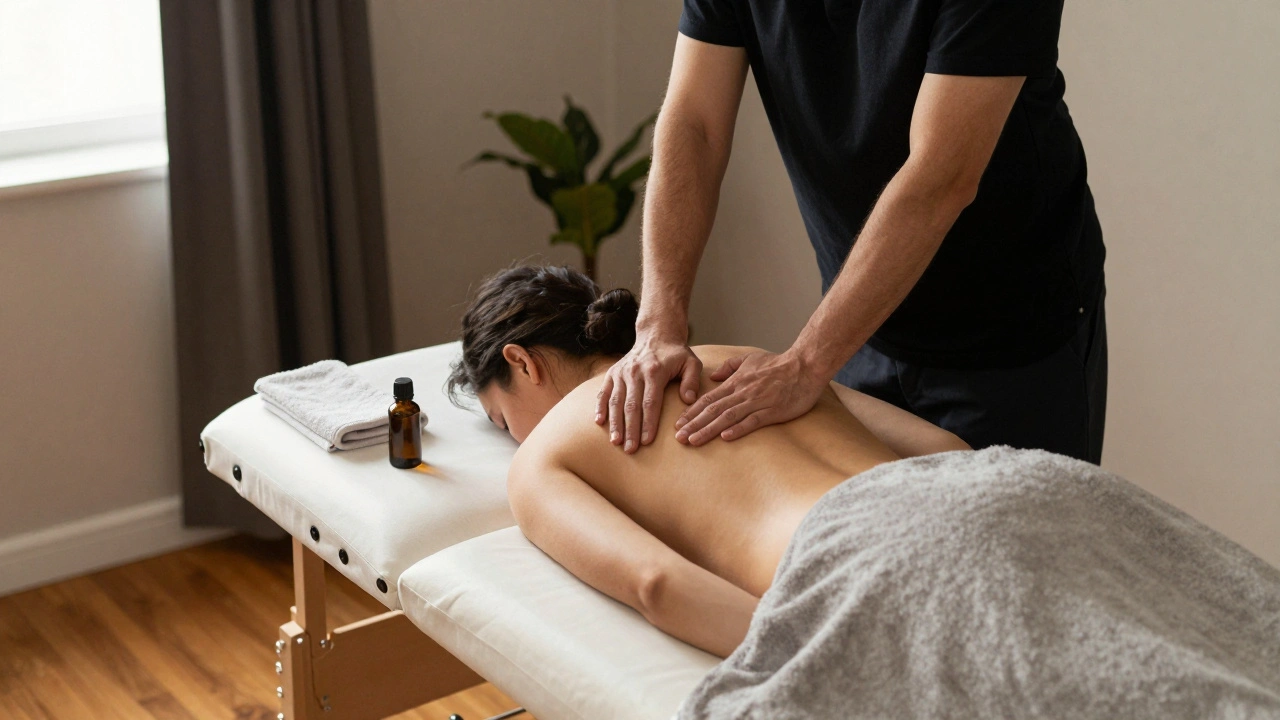
East London isn’t just about street art and craft beer-it’s home to some of the most quietly powerful massage experiences in the city. If you’ve ever walked out of a busy day in Hackney, Tower Hamlets, or Peckham feeling like your shoulders are welded shut, you know you need more than a quick stretch. You need a real reset. And the best massage in East London doesn’t just loosen muscles-it undoes the tension you didn’t even know you were carrying.
What Makes a Massage Truly Good in East London?
Not all massages are created equal. In a neighborhood packed with wellness studios, pop-up therapists, and hidden gems, the best ones share a few things: skilled hands, a calm space, and real attention to your body’s signals. It’s not about the price tag. A £50 session with a therapist who listens can do more than a £120 spa package where you’re rushed through a checklist.
Look for therapists who ask about your sleep, your stress levels, or whether you sit at a desk all day. These aren’t small talk questions-they’re diagnostic tools. A good therapist knows that tightness in your lower back might come from sitting in a bad chair, not from lifting weights. They adjust their pressure, technique, and even the oils they use based on what your body tells them.
The Top 5 Massage Spots in East London (2026)
After visiting over 30 studios and talking to regular clients, these five stand out-not because they’re the fanciest, but because they deliver consistent results.
- Still Point Therapy (Hackney): Specializes in deep tissue and myofascial release. Their therapist, Elena, has trained with the British School of Osteopathy and knows how to work on chronic tension without causing pain. Most clients come back for weekly sessions to manage work-related stress.
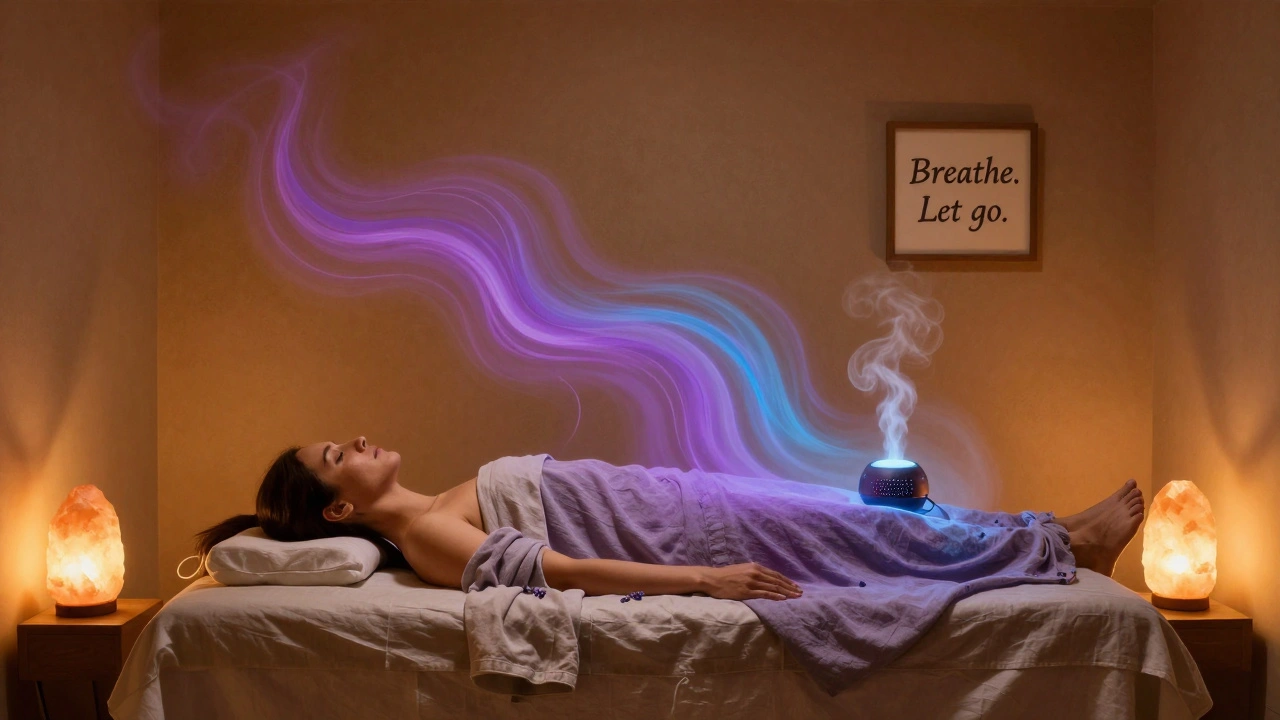
- Rooted Bodywork (Shoreditch): Focuses on Swedish and aromatherapy. Their lavender-chamomile blend isn’t just for scent-it’s scientifically shown to lower cortisol. The room is soundproofed, with no phones allowed. You’ll leave feeling lighter, not just relaxed.
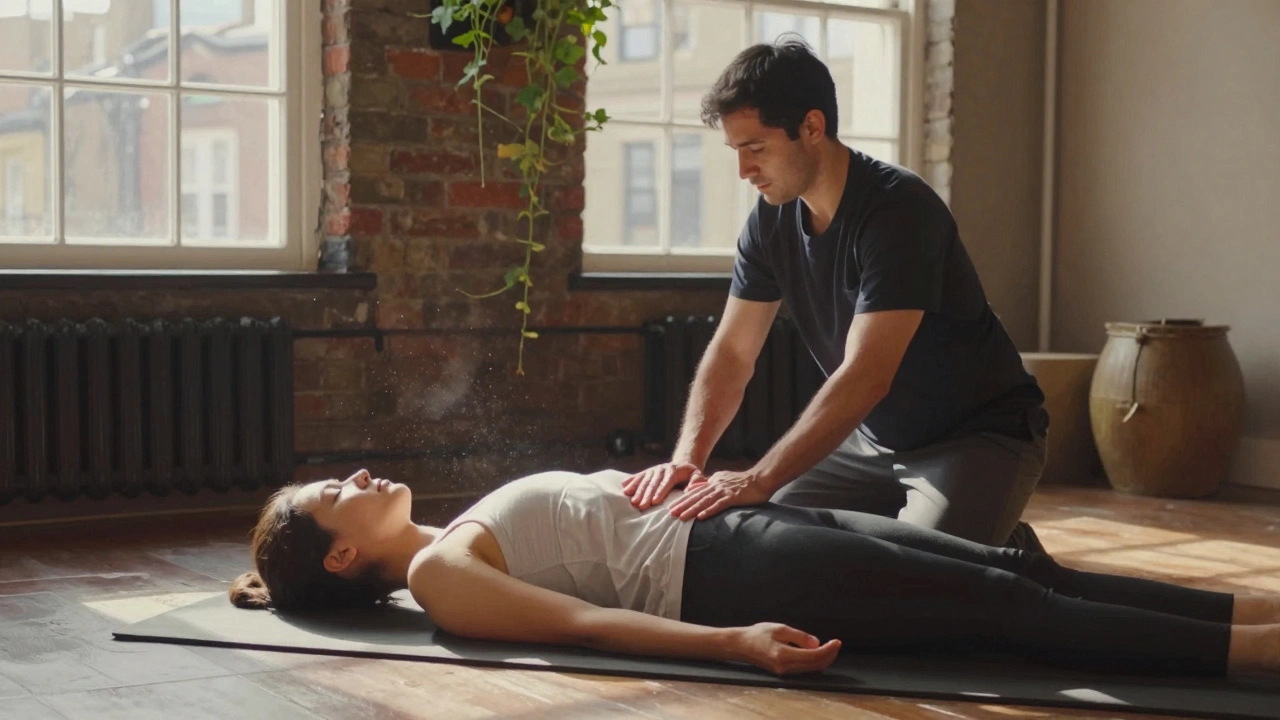
- Eastside Wellness Collective (Peckham): Offers Thai massage on a floor mat, no table needed. It’s more active than traditional massage-you’re guided through stretches while the therapist applies pressure. Great if you’ve tried everything else and still feel stiff.
- The Quiet Room (Bow): A small, no-frills space with one therapist, David, who’s been practicing for 18 years. He uses hot stones and gentle trigger point therapy. No website. No Instagram. Just word of mouth. Bookings fill up two weeks in advance.
- Harmony Haven (Walthamstow): Best for couples. Their side-by-side sessions use heated beds and custom blends of essential oils. You don’t just relax-you reconnect. Many couples say it’s the only thing that helps them slow down together.
What Type of Massage Works Best for You?
Not every massage is meant for every person. Here’s what actually works based on your lifestyle:
- Desk job? Try deep tissue or myofascial release. Tight shoulders, neck pain, and headaches? These techniques target the fascia-the connective tissue that wraps around muscles. When it gets stuck, everything else pulls out of alignment.
- Runner or gym-goer? Go for sports massage. It’s not just about post-workout recovery. Regular sessions prevent injuries by keeping muscles flexible and blood flowing. Studies show athletes who get monthly sports massages reduce muscle soreness by 30%.
- Always stressed? Aromatherapy or Swedish massage. A 2024 study from King’s College found that people who received weekly aromatherapy massages for six weeks reported a 41% drop in anxiety symptoms. Lavender, bergamot, and frankincense oils are the most effective for calming the nervous system.
- Older adults or recovering from injury? Hot stone massage. The heat helps relax muscles without deep pressure. It’s gentle but effective. Many physiotherapists in East London now recommend it for arthritis and chronic pain.
- Want to feel whole again? Thai massage. It combines acupressure, assisted yoga, and rhythmic compression. You don’t lie still-you move with the therapist. It’s not just physical. Many say it feels like a reset for their whole system.
What to Expect on Your First Visit
First-timers often worry about what to wear, how much to talk, or if they’ll be judged. Here’s the truth: no one cares if you’re nervous. The room is private. The therapist has seen it all.
You’ll fill out a quick form-just basic health info. No need to overshare. Then you’ll be shown to a quiet room with soft lighting. Most places use heated tables and calming music. You’ll undress to your comfort level-underwear or completely naked, it’s your call. The therapist leaves while you get settled, then knocks before coming in.
They’ll ask: “Where are you holding tension?” That’s your cue. Say it out loud. “My neck feels like a brick.” “My hips ache after walking the dog.” The more specific you are, the better they can help.
During the massage, breathe. Don’t hold your breath. If the pressure is too much, say so. A good therapist will adjust instantly. If they don’t, it’s not the right fit.
How Often Should You Get a Massage?
There’s no magic number, but here’s what most regulars do:
- Once a month: For maintenance. Good if you’re not in pain but want to stay balanced.
- Every two weeks: Ideal if you’re dealing with stress, sitting all day, or recovering from an injury.
- Weekly: For athletes, people with chronic pain, or those in high-pressure jobs. Many corporate workers in Canary Wharf get weekly sessions and swear by it.
Don’t wait until you’re in agony. Think of massage like brushing your teeth. It’s preventative care.
Red Flags to Watch Out For
East London has great options-but not all studios are legit. Watch for these signs:
- No health questionnaire. A real therapist asks about injuries, surgeries, or pregnancy. If they don’t, walk out.
- Overly sexual language or behavior. Massage is therapeutic, not intimate. Any flirtation, inappropriate comments, or requests for extra services are unacceptable.
- No clear pricing. If they don’t list prices online or won’t tell you before you book, that’s a problem.
- They rush you. A 30-minute session should feel rushed. A 60-minute session should give you at least 50 minutes of actual massage time.
- No reviews or credentials. Look for therapists with certifications from the Complementary and Natural Healthcare Council (CNHC) or the Federation of Holistic Therapists (FHT).
How to Book Without the Stress
Booking a massage shouldn’t feel like a chore. Here’s how to do it right:
- Search for “massage East London” on Google Maps. Filter by 4.8+ stars and 50+ reviews.
- Check their website for therapist bios. Look for training, years of experience, and specialties.
- Call or message them. Ask: “Do you offer a consultation before booking?” If they say yes, they’re professional.
- Book your first session for midweek, midday. Weekends are busy. You’ll get more attention.
- Arrive 10 minutes early. Drink water. Turn off your phone.
And if you don’t feel better after two sessions? Try someone else. Not every therapist is right for every body.
Why This Matters More Than You Think
Massage isn’t a luxury. It’s a tool for mental and physical resilience. In East London, where life moves fast and stress is constant, taking an hour to reset isn’t selfish-it’s survival. Your body isn’t a machine. It doesn’t run on caffeine and willpower. It needs touch, stillness, and care.
More people are starting to realize this. Therapists here are seeing more men, more young professionals, more parents-people who used to think massage was for spa days or retirees. Now they know: it’s for anyone who wants to feel human again.
Is massage in East London expensive?
Not necessarily. Prices range from £40 for a 60-minute session at a community studio to £90 at luxury spots. Many therapists offer sliding scale rates for students or low-income clients. Always ask-some don’t advertise discounts, but they’ll give them if you’re honest about your budget.
Can I get a massage if I’m pregnant?
Yes, but only with a therapist trained in prenatal massage. Look for CNHC-certified practitioners who specialize in pregnancy. Avoid deep pressure on the abdomen and inner thighs. Many studios in East London now offer dedicated prenatal sessions with heated mats and side-lying positions for comfort.
Do I need to be naked during a massage?
No. You can keep your underwear on. Most therapists use draping techniques-only the area being worked on is uncovered. If you’re uncomfortable, say so. A good therapist will adjust without judgment. Your comfort matters more than their technique.
What’s the difference between Swedish and deep tissue?
Swedish massage uses long, flowing strokes to relax muscles and improve circulation. It’s gentle and great for stress relief. Deep tissue uses slower, firmer pressure to reach deeper layers of muscle and connective tissue. It’s for chronic tightness, knots, or injury recovery. One isn’t better-it’s about what your body needs that day.
Can I get a massage if I have a medical condition?
It depends. If you have cancer, blood clots, recent surgery, or severe osteoporosis, you need clearance from your doctor. But for most conditions-like high blood pressure, diabetes, or mild arthritis-massage is safe and often helpful. Always disclose your health history. A good therapist will adapt their approach or refer you to someone who can help.
Next Steps: Try One This Week
You don’t need to wait for the perfect time. There’s no such thing. Pick one of the five spots listed. Book a 60-minute session. Don’t overthink it. Show up. Let your body be held. You’ll feel the difference by the time you get home.
Anna Krol
January 2, 2026 AT 03:30I went to Still Point Therapy last month after my laptop gave me permanent hunchback, and wow. Elena literally unknotted my trapezius muscles like they were earphones. I cried. Not because it hurt-because I finally felt my shoulders again. I’ve been going every two weeks since. East London has magic hidden in plain sight.
Chaunt Elyza
January 2, 2026 AT 12:32OMG YES 🙌 I tried Rooted Bodywork and now I’m addicted. That lavender-chamomile blend? Pure liquid chill. I left feeling like I’d been dipped in a spa ocean. Also-NO PHONES?? YES PLEASE. Why do other places still let people scroll during massages?? 😤
Katie Schiffer
January 4, 2026 AT 10:01Y’all need to stop waiting for the ‘perfect time’ to get a massage. You don’t need to be broken to deserve this. I’m a mom of three, work two jobs, and I book my 60-min session like it’s a sacred appointment-because it is. My body isn’t a machine, it’s my home. And guess what? I deserve to feel good in it. Start small. Just one session. You won’t regret it. 💪❤️
John Irving
January 6, 2026 AT 00:56Let’s be real-this whole article reads like a sponsored blog post. ‘The Quiet Room’ has no website? Big shock. That’s not a hidden gem, that’s a sketchy basement operation. And ‘Thai massage on a floor mat’? That’s not massage, that’s yoga with extra pressure. And why is everyone in East London suddenly a wellness guru? We’re not all yoga-bros here, mate.
Kat Astrophic
January 7, 2026 AT 12:18There’s a grammatical error in the third paragraph: ‘They adjust their pressure, technique, and even the oils they use based on what your body tells them.’ The pronoun ‘they’ is ambiguous-it could refer to therapists or studios. Also, ‘diagnostic tools’ is a misused clinical term in this context. This article is well-researched but lacks precision.
Sig Mund
January 8, 2026 AT 04:19Look, if you’re spending more than £60 on a massage, you’re being scammed. Back in my day, you’d get a solid rubdown for £20 and a cuppa tea after. Now it’s all ‘myofascial release’ and ‘energetic alignment.’ Save your cash. Go to a local gym and ask the guy who fixes your back after football. Real help, no fluff.
Ayush Bajpai
January 9, 2026 AT 20:02As someone from India, I’ve had Ayurvedic massage since childhood. What’s fascinating is how East London is blending ancient techniques with modern wellness. Thai massage, hot stones, aromatherapy-these aren’t new. They’re just being repackaged. But hey, if it helps people feel human again, I’m all for it. 🙏
Christian Gerwig
January 10, 2026 AT 14:29It’s funny how people treat massage like some spiritual awakening. It’s just pressure on muscles. You don’t need a 60-minute session to fix your back. Just stretch. Walk more. Sit up straight. Stop treating your body like a broken phone that needs a genius bar visit. This whole trend is overblown.
Michelle Clark
January 12, 2026 AT 01:59Just got back from Harmony Haven with my partner. We did the side-by-side thing. I didn’t think it’d work-we’re both too busy to even hold hands anymore. But after? We sat in silence for 20 minutes just breathing. No phones. No talking. Just… being. That’s the real gift. Not the oils. Not the heated beds. Just stillness. And yeah, I cried again. 😅