Discover the Wonders of Indian Massage in London
When you think of massage, you might picture Swedish strokes or deep tissue work. But in London, a quieter revolution is happening - one rooted in ancient Indian traditions, where pressure points, oils, and rhythm turn a massage into something closer to healing than relaxation. Indian massage isn’t just another option on a spa menu. It’s a 5,000-year-old system that’s been quietly thriving in neighborhoods like Notting Hill, Brixton, and Camden, offering something most Western therapies don’t: a full-body reset grounded in Ayurveda.
What Makes Indian Massage Different?
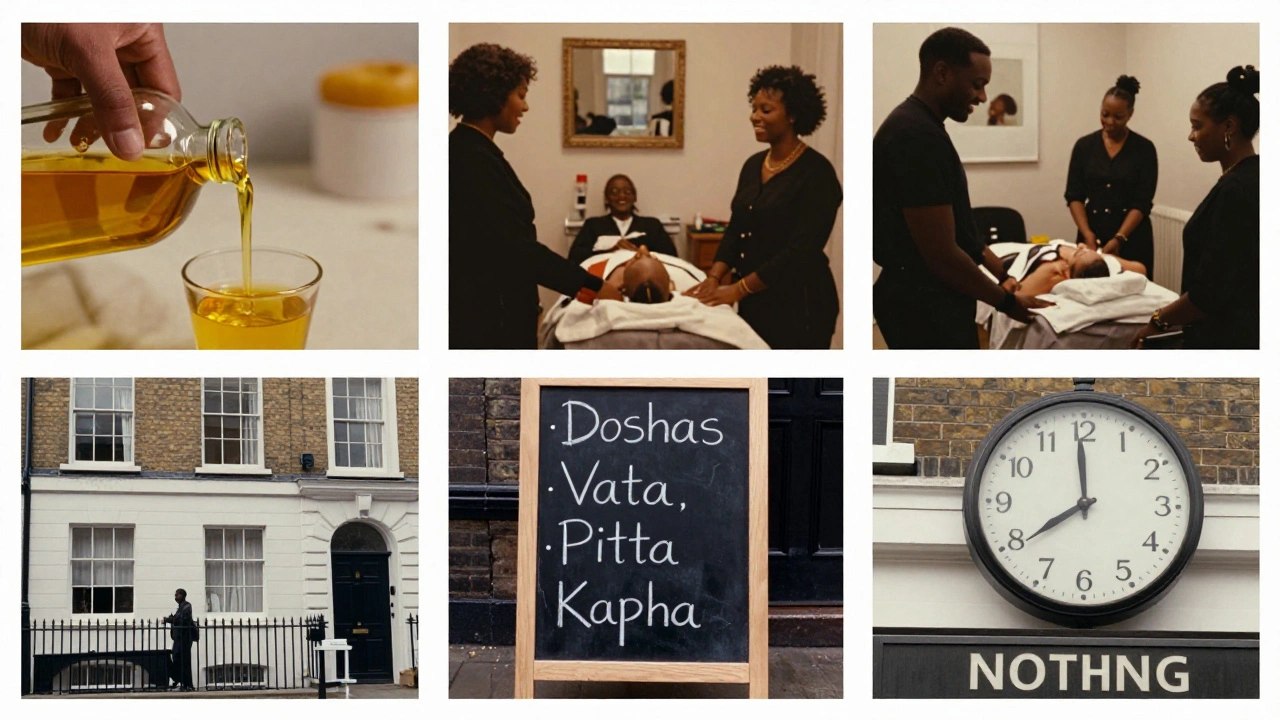
Most massage styles focus on muscles. Indian massage starts with the doshas - the three bioenergies in Ayurvedic medicine: Vata, Pitta, and Kapha. Practitioners don’t just knead your back; they assess your energy balance before the first stroke. A Vata-dominant person might get warm sesame oil and slow, circular motions to ground their nervous system. Someone with excess Pitta gets cooling coconut oil and lighter pressure to calm inflammation. This isn’t guesswork. It’s personalized healing.
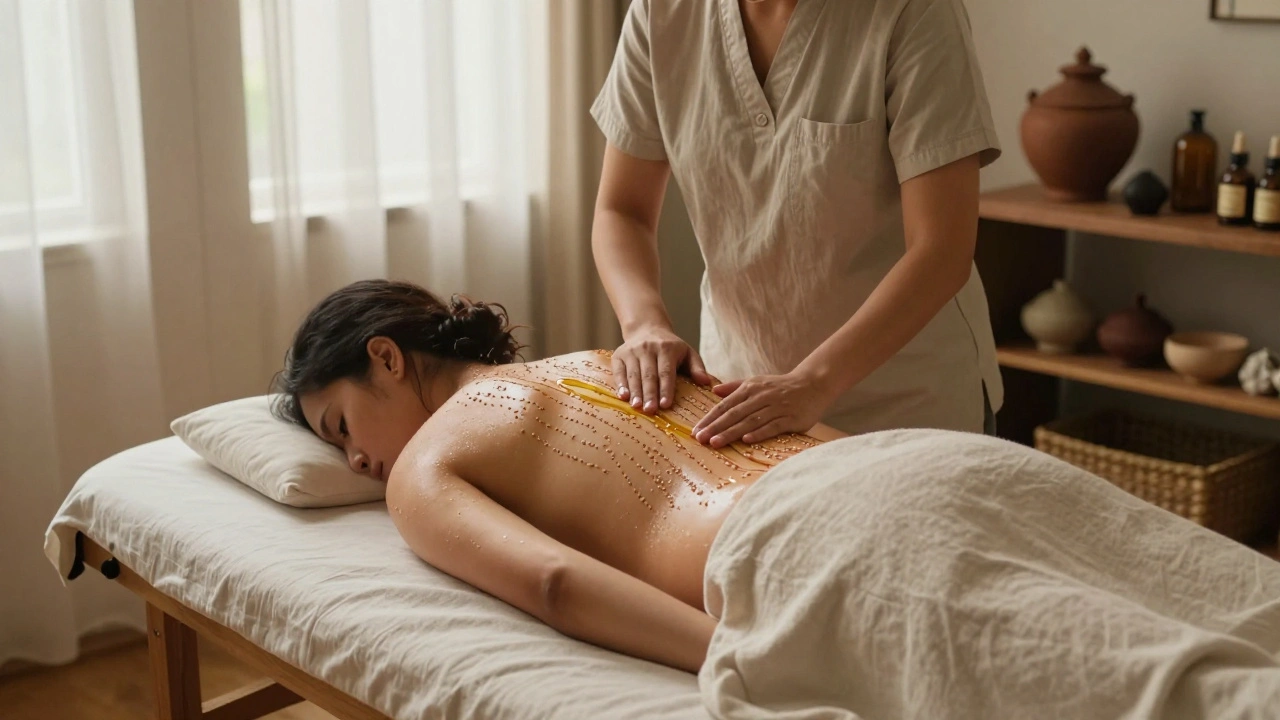
The techniques are just as unique. Abhyanga - the full-body oil massage - uses long, rhythmic strokes that follow the body’s energy channels, called marma points. There are 107 of these vital spots, many of which align with nerve junctions and acupuncture points. Pressing them correctly can release tension, improve circulation, and even help with sleep and digestion. Unlike Swedish massage, where you’re often left feeling loose but not deeply changed, Indian massage leaves you feeling recalibrated.
The Rise of Indian Massage in London
London’s Indian massage scene didn’t explode overnight. It grew quietly, carried by generations of South Asian immigrants who brought their healing practices with them. In the 1990s, small clinics in Southall and Wembley offered traditional treatments to local families. By the 2010s, younger therapists - many trained in Kerala or Varanasi - began opening studios in central London, blending authenticity with modern expectations.
Today, you can find Indian massage in converted townhouses, tucked behind bookshops, or in wellness centers that look like minimalist lofts. The clients? Not just expats. Young professionals, chronic pain sufferers, and even yoga instructors are turning to it after years of temporary relief from other therapies. One therapist in Highbury told me she had a client come in every three weeks for six months - not because they were addicted, but because their migraines vanished after the first session.
Indian Head Massage: The Unexpected Game-Changer
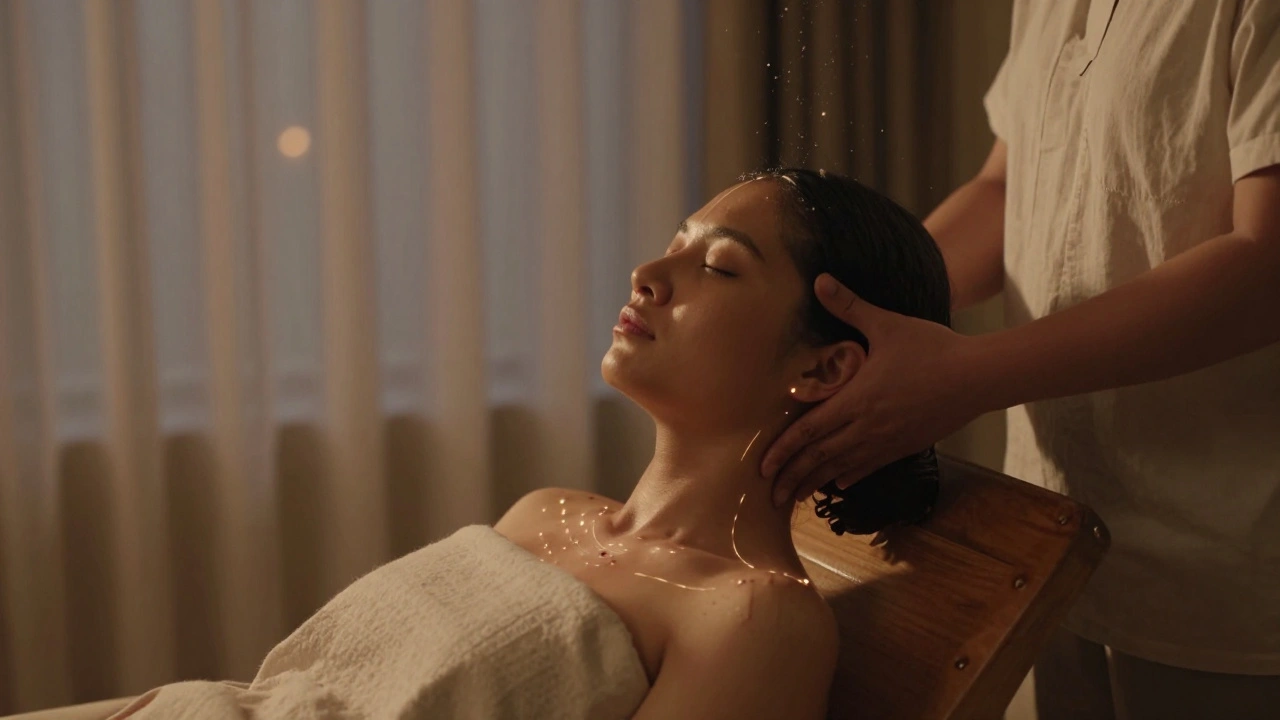
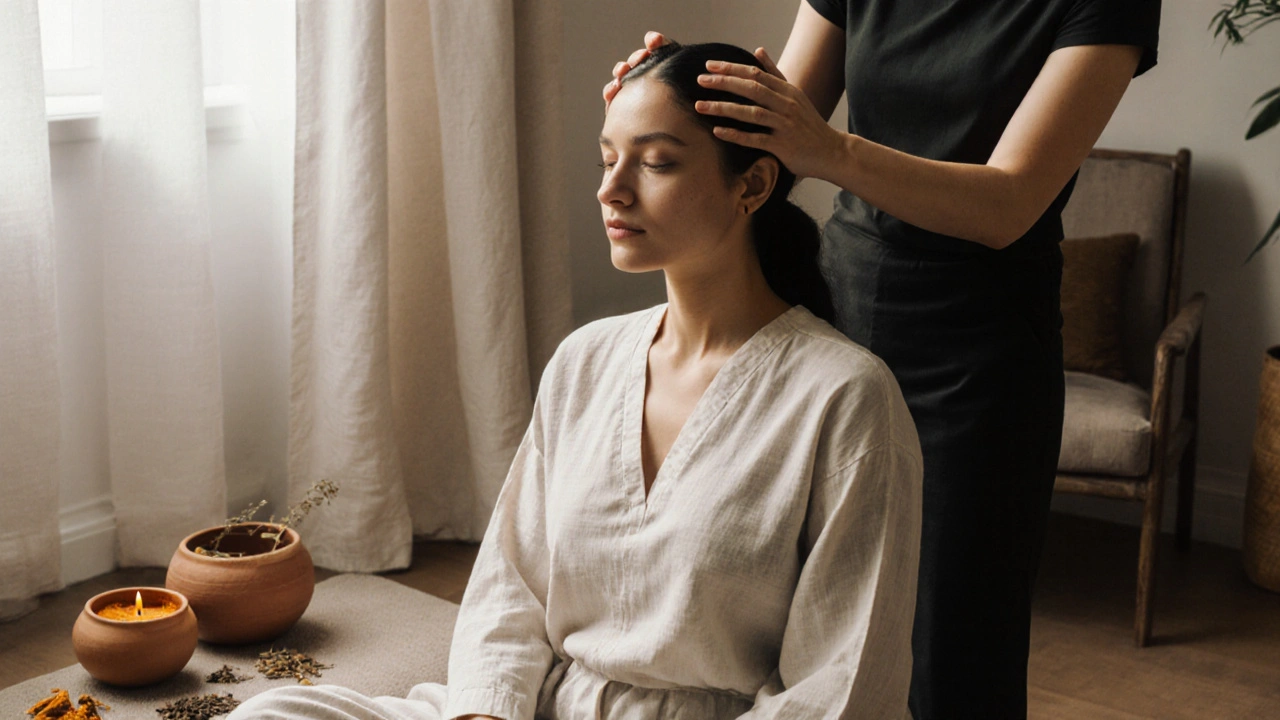
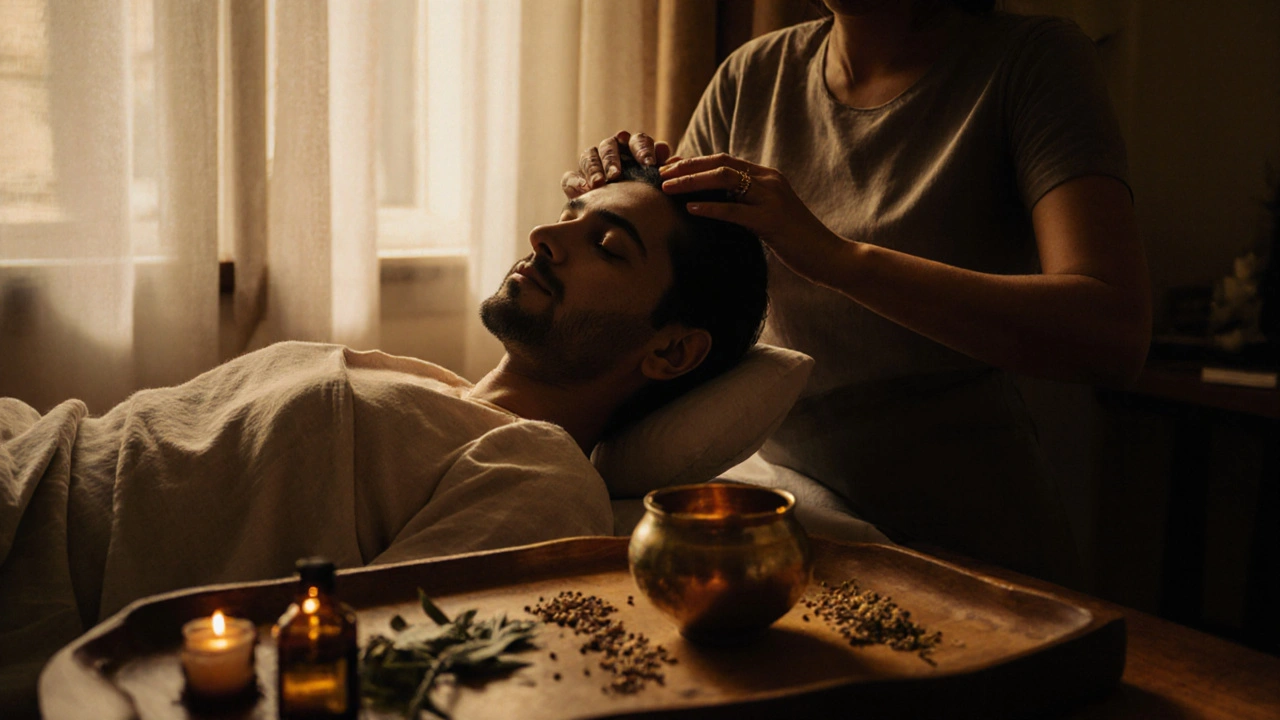
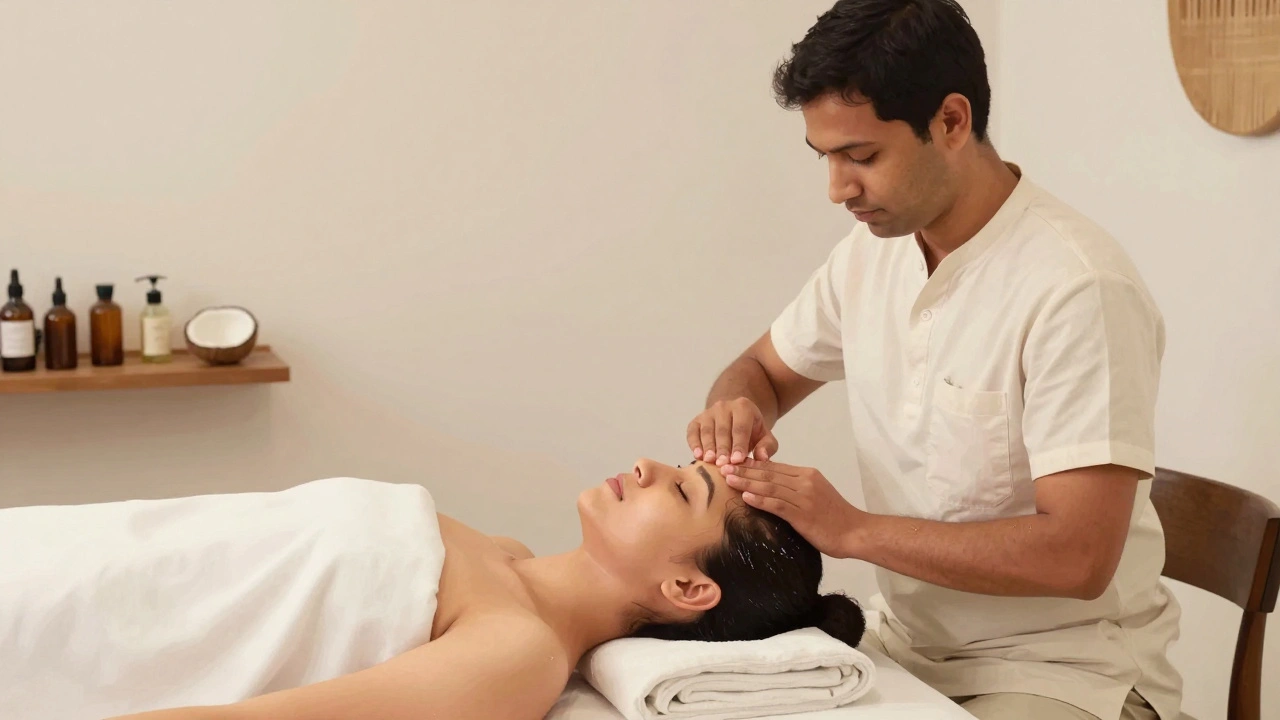
If you’ve never tried Indian head massage, you’re missing one of the most underrated treatments in the city. It’s not just about the scalp. The therapist works on your neck, shoulders, upper back, face, and even your ears - all areas where stress collects. The pressure is firm but never painful, using thumb and finger movements that mimic the rhythm of a heartbeat.
Studies from the Journal of Alternative and Complementary Medicine show that regular head massage reduces cortisol levels by up to 30% in just four weeks. For Londoners drowning in screen time and noise, that’s not a luxury - it’s survival. Many salons now offer 30-minute express sessions during lunch breaks. You walk in tense. You walk out with a clearer mind and less tension in your jaw.
The Oils: More Than Just Scent
What you’re rubbed with matters as much as how you’re rubbed. Indian massage uses cold-pressed oils, each chosen for its energetic properties:
- Sesame oil - warming, grounding. Best for cold, anxious, or tired people.
- Coconut oil - cooling, soothing. Ideal for fiery tempers, skin irritation, or summer heat.
- Mustard oil - strong, penetrating. Used for joint stiffness and deep muscle release.
- Neem oil - antibacterial. Rarely used full strength, but mixed in for acne-prone skin or scalp issues.
These aren’t scented lotions. They’re medicinal. A good practitioner will ask about your skin type, climate, and even your sleep habits before choosing the blend. No two clients get the same oil.
What to Expect on Your First Visit
Don’t walk in expecting a spa day with candles and soft music. While some studios have modernized, the core remains practical. You’ll be asked to fill out a short form about your health, diet, and stress levels. Then you’ll lie on a low table - no fancy massage beds here - draped in cotton sheets. The room smells of warm herbs, not lavender.
The session lasts 60 to 90 minutes. No undressing to your underwear unless you’re doing a full-body Abhyanga. Most people keep their underwear on. The therapist works over clothes or light cotton garments. There’s no awkwardness - it’s a clinical, respectful space.
Afterward, you might feel a little dazed. That’s normal. Your nervous system just got a reboot. Drink water. Don’t rush into a meeting. Let your body settle. Many first-timers say they slept better that night than they had in months.
Who Benefits Most?
Indian massage isn’t for everyone - but for some, it’s life-changing:
- Chronic stress sufferers - if cortisol is your constant companion, this helps reset your baseline.
- People with tension headaches - the head and neck work is unmatched.
- Insomniacs - the deep relaxation triggers natural melatonin production.
- Those with stiff shoulders or neck pain - especially from desk jobs or phone use.
- People recovering from illness - the oil and rhythm gently stimulate lymphatic flow without overtaxing the body.
It’s not a quick fix. It’s a reset. One session won’t cure your anxiety. But six sessions over three months? That’s a different story.
Where to Find Authentic Indian Massage in London
Not every place calling itself "Indian massage" is doing it right. Look for these signs:
- The therapist mentions Ayurveda, doshas, or marma points - not just "relaxation".
- They use traditional oils - sesame, coconut, or mustard - not generic almond or jojoba.
- They ask about your health history, not just your "pressure preference".
- The space feels simple, not overly decorated. Think wooden tables, cotton linens, herbs in jars.
Some trusted spots include:
- Chai & Chakra (Brixton) - run by a Kerala-trained therapist. Offers weekly dosha assessments.
- Marma House (Notting Hill) - specializes in Ayurvedic bodywork and head massage.
- The Ayurvedic Centre (Camden) - has been operating since 1998. Their oil blends are made on-site.
Book ahead. Most places have waitlists. And don’t be shy to ask about the therapist’s training. Many have studied in India for 1-3 years. That’s not something you see every day.
Why It’s Not Just a Trend
Western massage is great for loosening tight muscles. Indian massage is for restoring balance. It doesn’t just treat symptoms - it addresses the root. In a city that runs on caffeine, screens, and speed, that’s radical.
It’s not about exoticism. It’s about effectiveness. People aren’t going because it’s "trendy." They’re going because their headaches disappeared. Their sleep improved. Their anxiety dropped. And they didn’t need pills to make it happen.
If you’re tired of treatments that leave you feeling good for an hour, then try something that changes you for days.