Foot Massage: The Simple Relaxation Technique You Need to Try Today
Most people think of foot massage as something you get at a spa or on vacation. But what if you could unlock deep relaxation-right in your living room-without spending a penny? The truth is, your feet carry your whole body. They take thousands of steps every day, hold your weight, and absorb shock from walking, running, even standing still. Yet we rarely give them the attention they deserve. A simple 10-minute foot massage can reset your nervous system, melt away tension, and leave you feeling calmer than a full hour-long spa session.
Why Your Feet Need More Than Just Socks
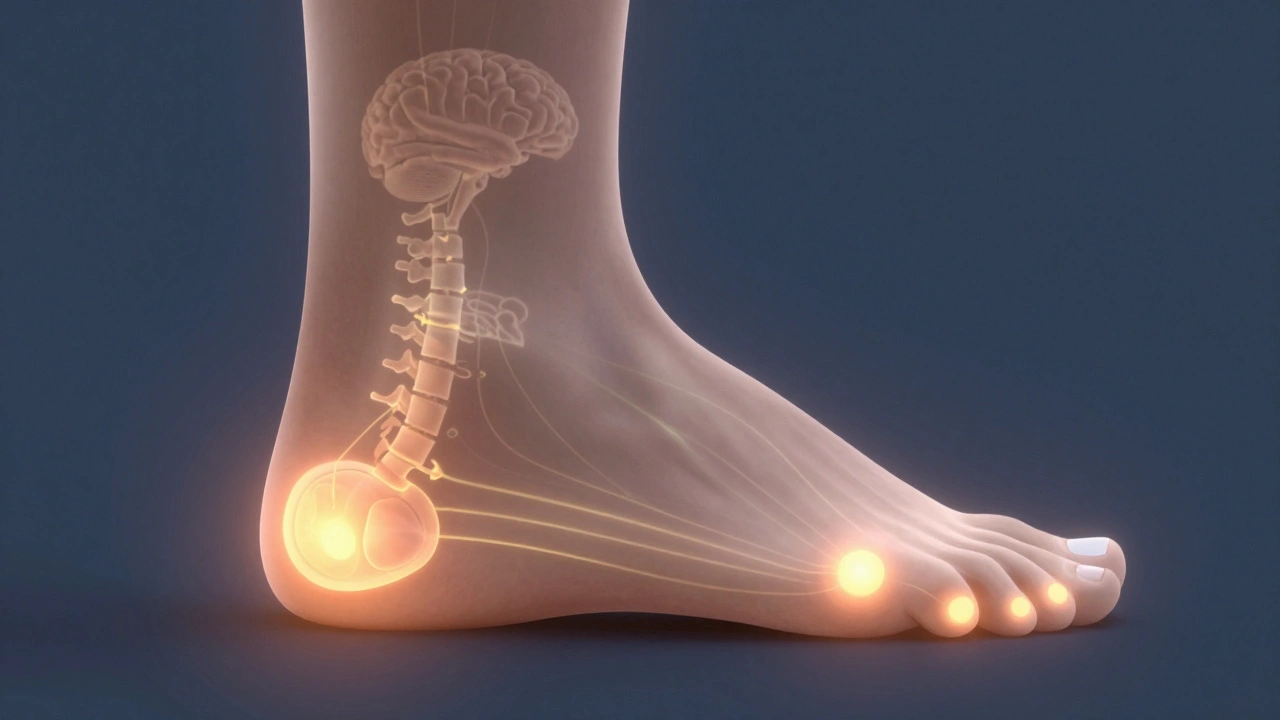
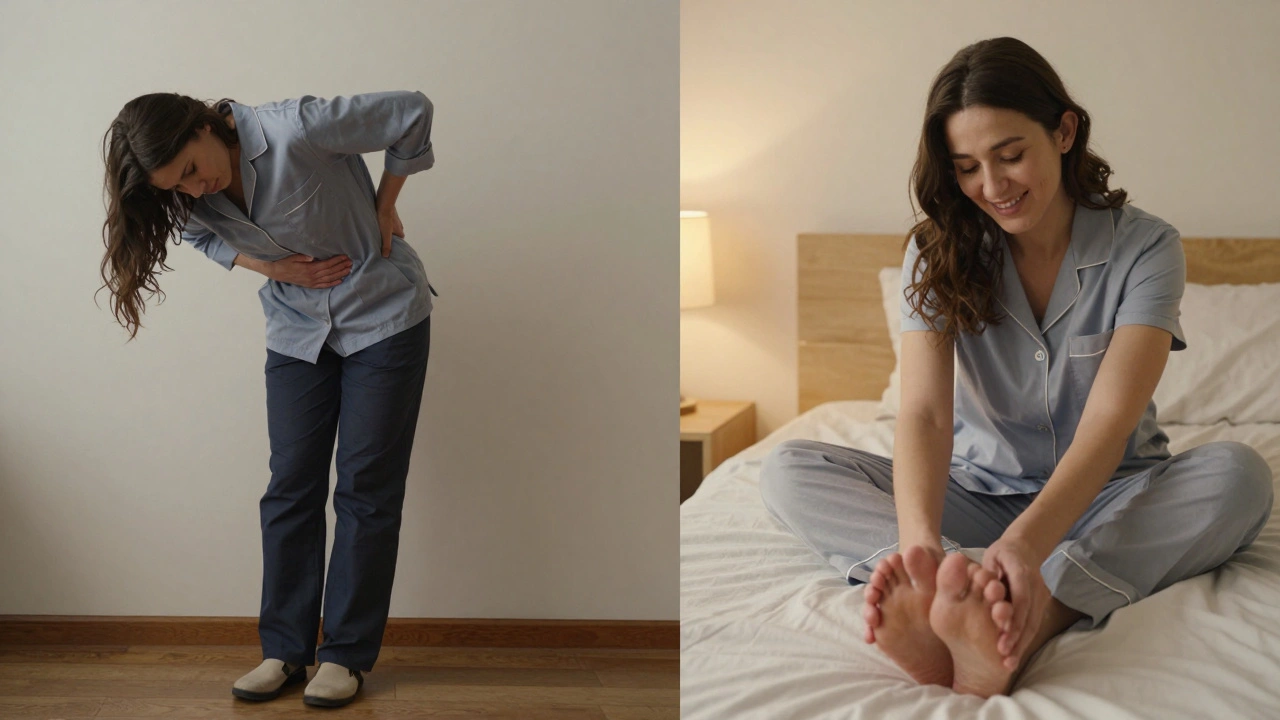
Your feet have over 7,000 nerve endings. That’s more than your hands. Every step you take sends signals through those nerves straight to your brain. When your feet are tight, sore, or stiff, your whole body feels it. You might not realize it, but chronic foot tension can contribute to headaches, lower back pain, and even trouble sleeping. Studies from the Journal of Alternative and Complementary Medicine show that regular foot massage reduces cortisol levels-the main stress hormone-by up to 25% in just one session. That’s not magic. It’s biology.
Think about it: when you’re stressed, do you clench your jaw? Squeeze your fists? Your feet do the same thing. They grip, tense, and lock up. Over time, this leads to plantar fasciitis, arch collapse, or just plain aching soles. A foot massage doesn’t just feel good-it fixes the root cause.
How Foot Massage Works (No Fancy Tools Needed)
You don’t need a $300 massager or a professional therapist. The best foot massage starts with your own hands. Here’s how it works:
- Pressure points: The sole of your foot connects directly to organs and systems in your body. Pressing on the ball of your foot can ease digestive issues; the heel helps with lower back tension.
- Improved circulation: Massaging your feet pushes blood toward your heart, bringing oxygen and flushing out lactic acid and toxins.
- Nervous system reset: Gentle pressure on the arch sends calming signals to your brain, switching off the fight-or-flight response.
A 2023 study from the University of Westminster tracked 87 adults who did 15 minutes of daily foot massage for four weeks. Over 80% reported better sleep. Nearly 70% said their anxiety dropped noticeably. And 92% said they felt more grounded-like they could breathe easier.
How to Give Yourself a Foot Massage (Step-by-Step)
You can do this anytime-after work, before bed, even while watching TV. All you need is a chair, your bare feet, and five minutes.
- Soak your feet (optional): Warm water with a pinch of Epsom salt for 5-10 minutes. It softens skin and relaxes muscles.
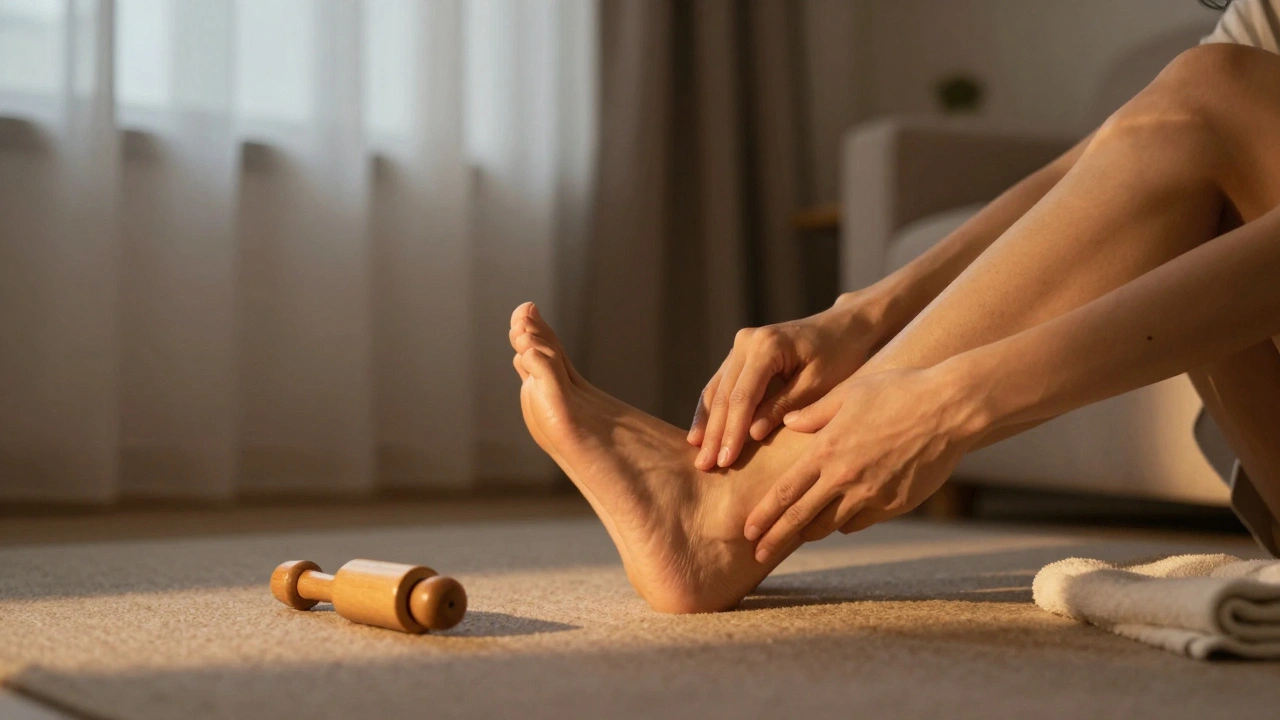
- Hold one foot with both hands. Let your thumb rest on the arch.
- Press and roll: Use your thumb to make slow circles on the ball of your foot. Apply firm but not painful pressure. Spend 30 seconds here.
- Move to the heel: Use your knuckles to rub in small circles. This helps with back and hip tension.
- Stretch your toes: Gently pull each toe one at a time. Hold for 5 seconds. This releases tension in the plantar fascia.
- Massage the arch: Use your thumb to trace from heel to ball in a slow S-shape. Repeat 5 times.
- Finish with a squeeze: Cup your whole foot and gently compress it like a stress ball. Do this 3 times.
Do both feet. Total time: 10 minutes. You’ll feel the difference immediately.
What to Avoid
Not all foot massages are created equal. Here’s what to skip:
- Overdoing it: If it hurts, you’re pressing too hard. Massage should feel like a deep release-not sharp pain.
- Using sharp objects: Rolling a tennis ball is fine. Using a spiked massage ball or a golf ball without cushioning can bruise tissue. Stick to your hands or a smooth, firm ball.
- Massaging swollen or injured feet: If your foot is red, hot, or swollen, wait. That could be inflammation or infection. See a doctor first.
- Doing it right after eating: Your body needs blood for digestion. Wait at least 30 minutes after a meal.
When to Use Foot Massage (And When to Skip It)
Foot massage isn’t just for stress. It’s a tool. Here’s how to use it:
- Best for: After a long day on your feet, before bed, during work breaks, or when you feel anxious.
- Great for: People who sit all day, runners, pregnant women, and anyone with tight calves or achy knees.
- Not for: People with open wounds, diabetes with nerve damage, or active blood clots. If you’re unsure, check with your GP.
One woman in her 60s from Richmond, London, started doing this every night after her arthritis diagnosis. She told her physiotherapist: “I used to wake up with my feet locked up. Now, I roll them out for five minutes and sleep like a baby.”
Make It a Habit
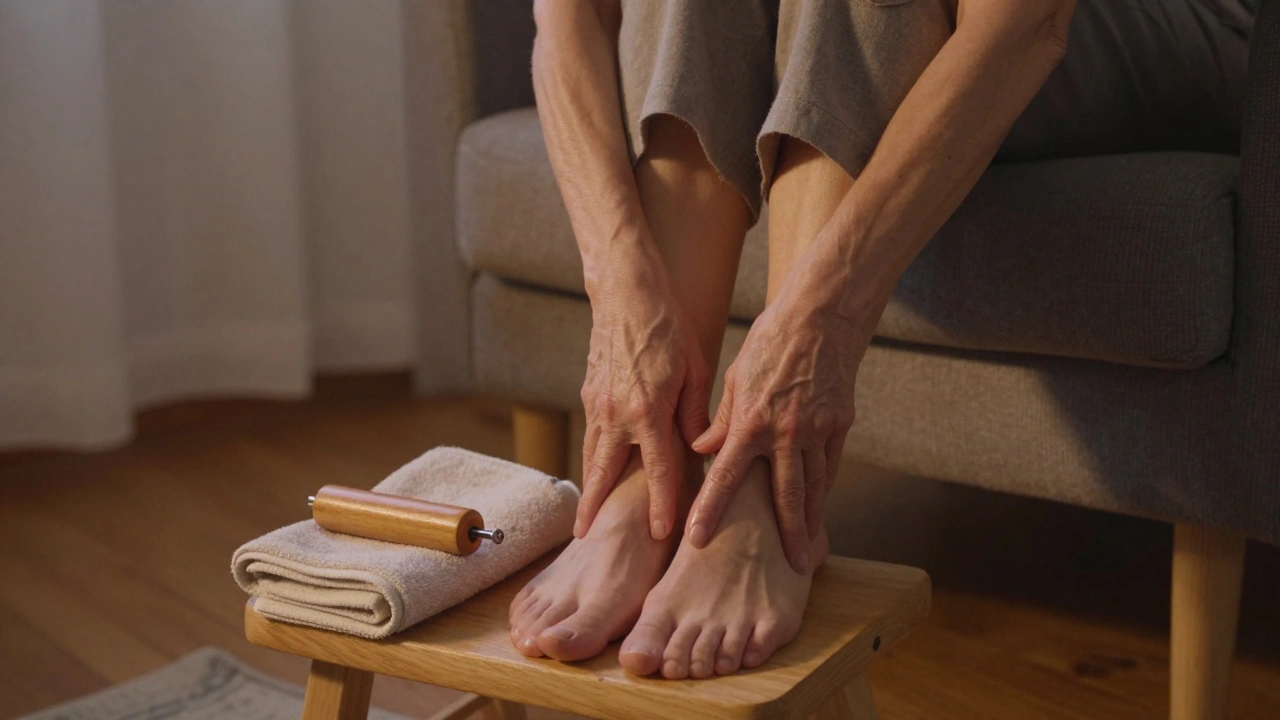
Like brushing your teeth, foot care shouldn’t be optional. Try this: keep a small towel and a smooth wooden roller by your armchair. Every evening, after dinner, sit down, take off your shoes, and spend five minutes massaging your feet. No phone. No TV. Just you and your soles.
Within a week, you’ll notice your posture feels lighter. Your sleep gets deeper. Your mood steadies. It’s not a cure-all. But it’s one of the few things that costs nothing, takes nothing, and gives everything back.
Foot Massage vs. Other Relaxation Methods
Let’s cut through the noise. How does foot massage stack up against other popular relaxation techniques?
| Technique | Time Required | Cost | Immediate Effect | Long-Term Benefit |
|---|---|---|---|---|
| Foot Massage | 5-15 minutes | $0 (self-done) | High | Improved circulation, reduced inflammation |
| Yoga | 30-60 minutes | $15-30/session | Moderate | Flexibility, mental clarity |
| Meditation | 10-20 minutes | $0 | Moderate | Stress resilience |
| Spa Massage | 60 minutes | $60-120 | High | Temporary relief |
| Hot Bath | 20 minutes | $0 | High | Relaxation, muscle warmth |
Foot massage wins on accessibility. You don’t need a class, a membership, or even clean socks. Just your hands and five minutes.
Can foot massage help with insomnia?
Yes. A 2022 clinical trial involving 120 adults with chronic sleep issues found that those who performed daily foot massage for four weeks fell asleep 37% faster and slept 48 minutes longer per night on average. The theory? Stimulating pressure points on the sole activates the parasympathetic nervous system, which tells your body it’s safe to rest.
Is foot massage safe during pregnancy?
Generally, yes. Gentle foot massage is recommended for pregnant women to reduce swelling and ease lower back strain. Avoid deep pressure on the inner ankle and heel, as these areas are linked to uterine contractions in reflexology. Always check with your midwife if you have high-risk pregnancy complications.
Do I need oil or lotion for foot massage?
Not at all. Your hands can glide over dry skin just fine. But if you like the feeling, a drop of coconut or almond oil can make it smoother and add a calming scent. Avoid heavy oils if you plan to walk right after-slippery feet are dangerous.
Can foot massage help with plantar fasciitis?
It can help manage symptoms. Regular massage increases blood flow to the plantar fascia, reducing stiffness. Combine it with calf stretches and avoid walking barefoot on hard floors. It won’t cure it overnight, but many people report less morning pain after consistent self-massage.
How often should I do foot massage?
Daily is ideal if you’re on your feet a lot. At minimum, aim for three times a week. Even 5 minutes before bed builds cumulative benefits. Think of it like watering a plant-you don’t need to soak it every day, but skipping it for weeks makes it wilt.
If you’ve ever walked into a room and just… sighed… you know what this feels like. Foot massage doesn’t promise miracles. But it gives you back something you didn’t realize you’d lost: the quiet, simple pleasure of being grounded in your own body.