
From Novice to Expert: Mastering Thai Massage Techniques
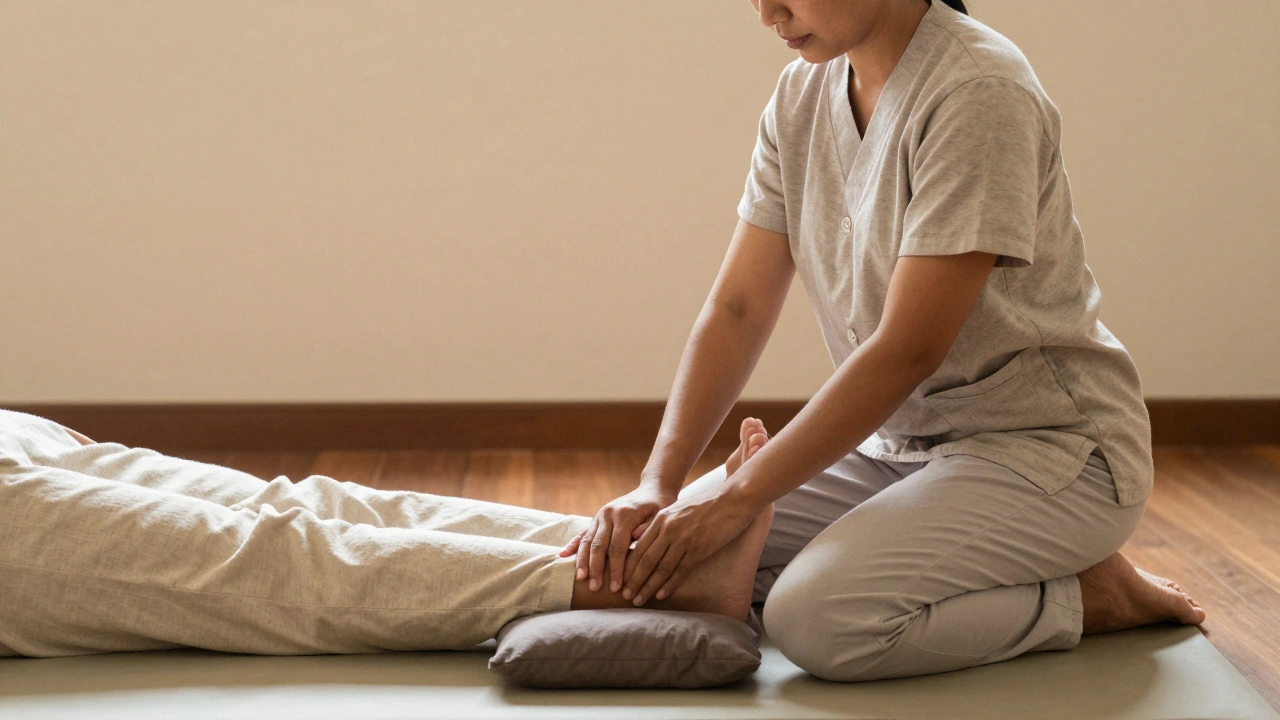
Thai massage isn’t just another bodywork session. It’s a moving meditation - a blend of acupressure, assisted yoga, and energy line work that’s been passed down for over 2,500 years. If you’ve ever watched a Thai massage therapist flow from one movement to the next like a dancer, you’ve seen the result of years of practice. But what if you’re just starting out? Can someone with no experience really learn to do this well? The answer is yes - but only if you understand the structure behind the movements, not just mimic them.
What Makes Thai Massage Different
Most massage styles focus on muscles. Thai massage works on sen lines - energy pathways similar to meridians in Traditional Chinese Medicine. There are 10 main lines, each connecting key points from the toes to the head. The therapist uses their hands, thumbs, elbows, knees, and even feet to apply rhythmic pressure along these lines. Unlike Swedish or deep tissue massage, there’s no oil. You stay fully clothed. The client lies on a mat on the floor, not a table.
It’s not about deep pressure alone. It’s about timing, alignment, and intention. A common mistake beginners make is pushing too hard, thinking more force equals better results. That’s not true. Thai massage is about finding the right rhythm - slow, steady, and grounded. Think of it like tuning a guitar: too loose and it won’t resonate; too tight and it snaps.
The Four Pillars of Effective Thai Massage
Mastering Thai massage comes down to four core skills. If you skip one, your sessions will feel disjointed.
- Body Mechanics - You don’t use strength. You use weight. Leaning into a stretch with your body’s center of gravity, not your arms, prevents fatigue and injury. A good therapist can give a 90-minute session without getting tired.
- Flow and Sequence - There’s a traditional order: feet → legs → hips → back → arms → shoulders → head. Deviating randomly confuses the body’s energy flow. Learn the sequence cold before you even touch a client.
- Breath Synchronization - Your breath should match the client’s. If they inhale as you stretch their hamstring, you’re in sync. If you’re holding your breath, they’ll tense up. This is where many therapists fail - they’re too focused on the movement and forget the rhythm of life.
- Intentional Touch - Your hands aren’t just tools. They’re conduits. Before you begin, take three slow breaths. Set the intention: “I am here to release, not to fix.” Clients feel this. They don’t know why, but they relax deeper.
Common Mistakes Beginners Make
Here’s what goes wrong when you haven’t trained properly:
- Using your knuckles instead of your thumbs - knuckles bruise. Thumbs glide.
- Ignoring the feet - the soles are packed with reflex points. Skipping them is like leaving half the map unexplored.
- Trying to stretch too far too fast - forcing a hip opening causes resistance. Let the body open naturally over 3-5 slow breaths.
- Not adjusting for body type - a 200-pound athlete needs different pressure than a 90-pound yoga teacher. Learn to read the body’s feedback, not just follow a script.
One student I worked with kept using her elbows for everything. She thought it looked more “authentic.” But she ended up with tendonitis. Thai massage isn’t about looking like a monk on YouTube. It’s about working within your body’s limits while guiding the client’s.
Tools and Environment Matter
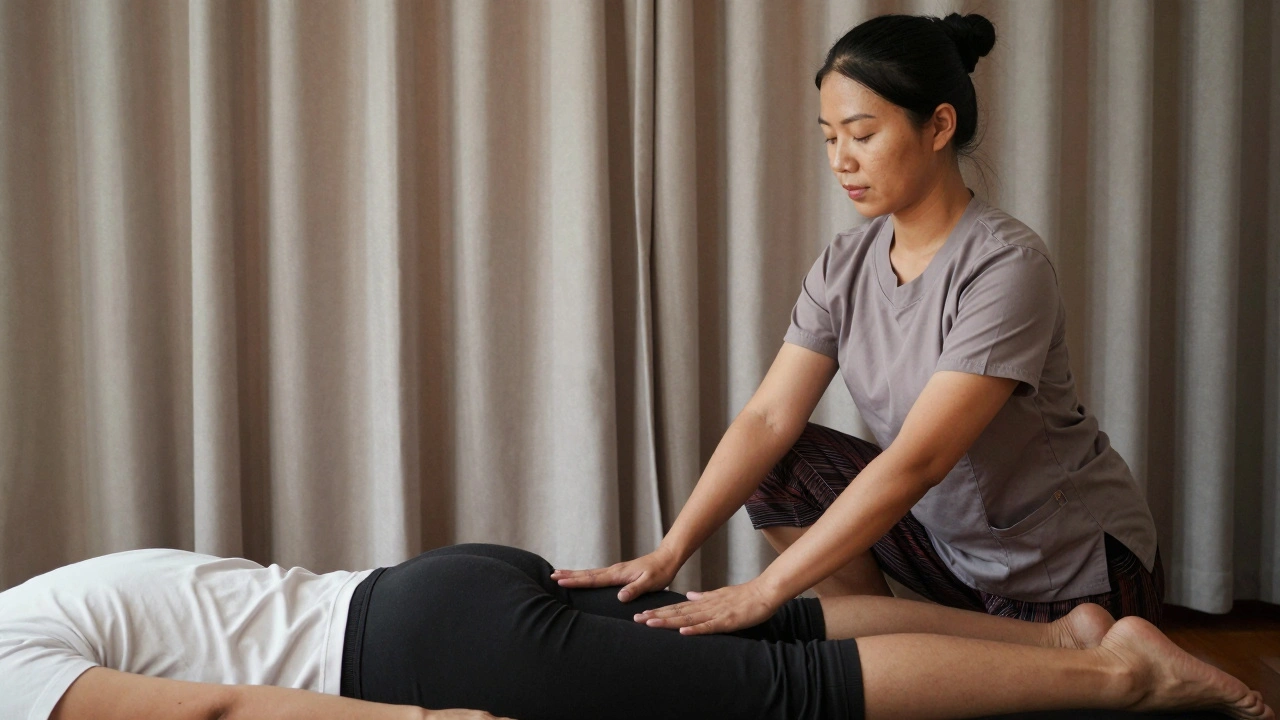
You don’t need fancy equipment. But you do need the right setup.
- A firm, non-slip mat - thick enough to cushion joints but thin enough to feel the client’s movements.
- Loose, breathable clothing for both you and the client - cotton or linen. No synthetic fabrics.
- A quiet, warm room - no drafts. Thai massage is energy work. Cold air disrupts the flow.
- Optional: A small pillow for under the knees or ankles. Not for comfort - for alignment.
Many schools teach in studios with wooden floors and incense. That’s fine. But if you’re practicing at home, a clean carpet and a fan on low will do. The technique doesn’t change - only the environment.
Progression: From Novice to Expert
There’s no magic shortcut. But there is a clear path.
Month 1-3: Learn the sequence. Practice daily on a friend or mannequin. Focus only on the foot-to-head flow. Don’t worry about pressure or technique - just get the order right. Record yourself. Watch it. Notice where you hesitate.
Month 4-6: Start reading body language. Does the client sigh? That’s release. Do they tense their jaw? That’s resistance. Adjust. Don’t push. Ask: “Does this feel okay?” and wait. Silence is part of the work.
Month 7-12: Refine your breath. Practice yoga or qigong for 15 minutes a day. Your breath will naturally sync with your hands. You’ll start feeling energy shifts - warmth, tingling, even pulses. That’s the sen lines responding.
Year 2+: You’re no longer following a routine. You’re sensing. You’ll know when to linger on a hip, when to skip a shoulder, when to add a gentle twist. That’s mastery. It’s not about memorizing 50 moves. It’s about knowing when to do one move perfectly.
Real-World Example: A Session That Changed Everything
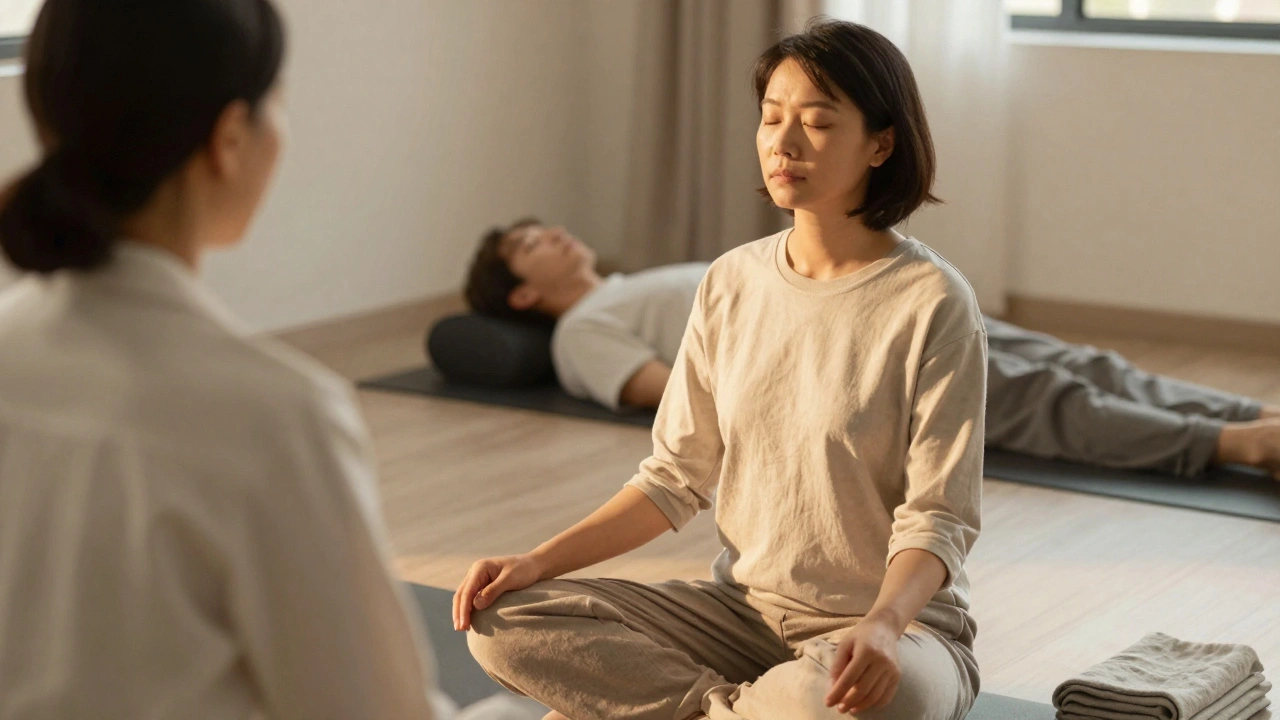
A client came in with chronic lower back pain. She’d tried physio, acupuncture, chiropractic - nothing stuck. I started the session as usual: feet, calves, hamstrings. Halfway through, I noticed her breath changed. Shallow. Fast. I stopped. Asked if she wanted to pause. She said no - but her body said yes. So I shifted. Instead of stretching her back, I gently rocked her pelvis side to side, matching her breath. After three minutes, she started crying. Not from pain. From release.
She didn’t need more pressure. She needed rhythm. She needed to feel held. That’s the heart of Thai massage. Not technique. Presence.
What to Avoid
Thai massage isn’t a cure-all. And it’s not for everyone.
- Don’t do it on someone with a recent fracture, spinal injury, or severe osteoporosis.
- Don’t force twists. Never. Even if they say “go deeper.”
- Don’t use Thai massage as a replacement for medical care. It complements - it doesn’t cure.
- Don’t rush. A 60-minute session should never feel like a checklist.
One school in Chiang Mai teaches 100-hour courses. That’s enough to get you started. But real mastery? That takes 2,000 hours. Not because the moves are hard. Because the stillness is.
Final Thought: It’s Not About You
The best Thai massage therapists I’ve met don’t talk much. They don’t show off. They don’t need to. They sit quietly before a session. They breathe. They listen. And then they move - not because they know what to do, but because they feel what’s needed.
You don’t need to become a monk. You don’t need to travel to Thailand. You just need to show up - again and again - with patience, presence, and an open heart.
Can I learn Thai massage without going to Thailand?
Yes. While Thailand is the birthplace of Thai massage, certified schools exist worldwide - in London, Berlin, New York, and Sydney. Look for instructors with lineage from Wat Po or traditional Thai medical temples. Online courses can teach the basics, but hands-on training with feedback is essential. A 100-hour in-person course is the minimum to start safely.
Do I need to be flexible to do Thai massage?
No. Thai massage is about guiding the client’s body, not your own. Many great therapists are not flexible at all. What matters is your body awareness and how you use your weight. If you can stand, lean, and breathe, you can learn. Flexibility helps with certain stretches, but it’s not required. In fact, less flexible therapists often have better control because they move more deliberately.
How long does it take to get good at Thai massage?
You can learn the basics in 3-6 months with regular practice. But becoming skilled takes 1-2 years of consistent work - at least 50 sessions with real clients. Mastery comes after 1,000+ hours. It’s not about speed. It’s about depth. The best therapists I know still learn new things after 20 years.
Is Thai massage painful?
It shouldn’t be. Some pressure can feel intense - especially on tight areas like the IT band or shoulders - but it should never be sharp, burning, or unbearable. The phrase “hurts so good” doesn’t apply here. If the client tenses up or holds their breath, you’re going too far. Thai massage works with the body’s natural rhythm, not against it. Pain means you’ve lost connection.
Can I do Thai massage on myself?
You can do some self-care techniques - like pressing along the leg sen lines or gently rocking your hips - but full Thai massage requires two bodies. You can’t simultaneously apply pressure and receive release. Self-practice is useful for understanding the lines and tension points, but real healing happens through connection with another person.