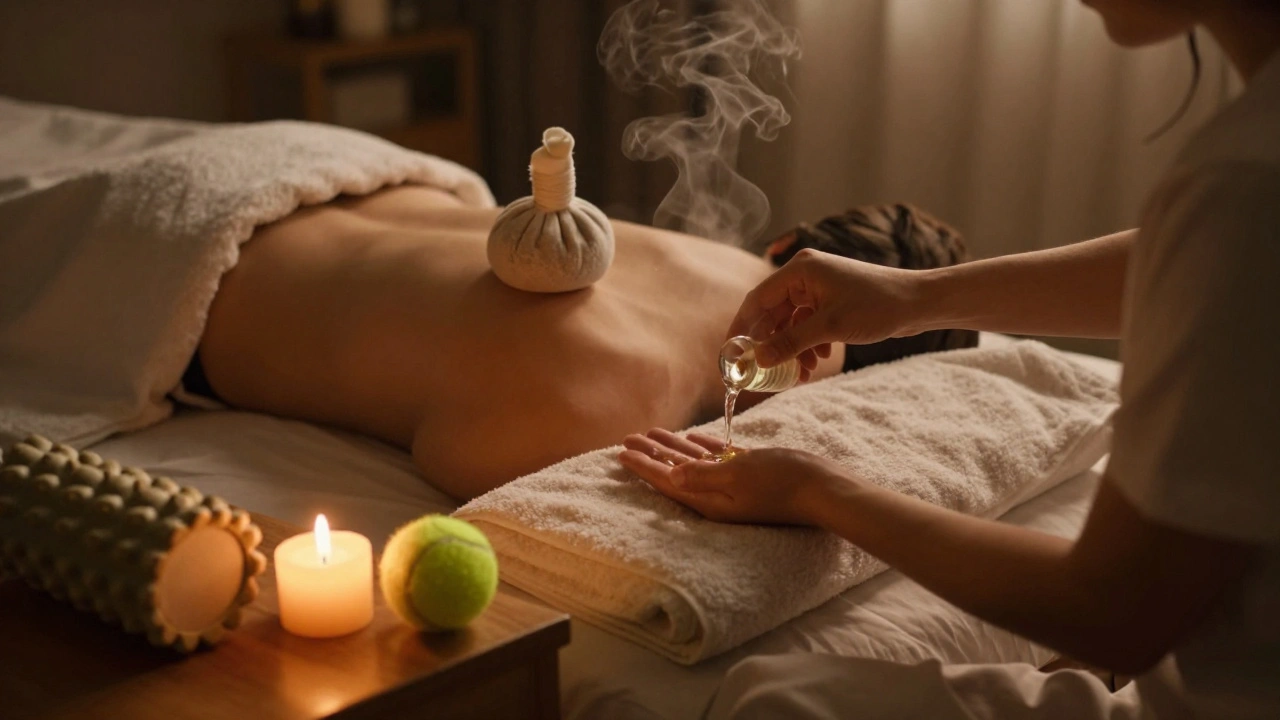
Full Body Massage for Athletes: Recovery and Performance Enhancement
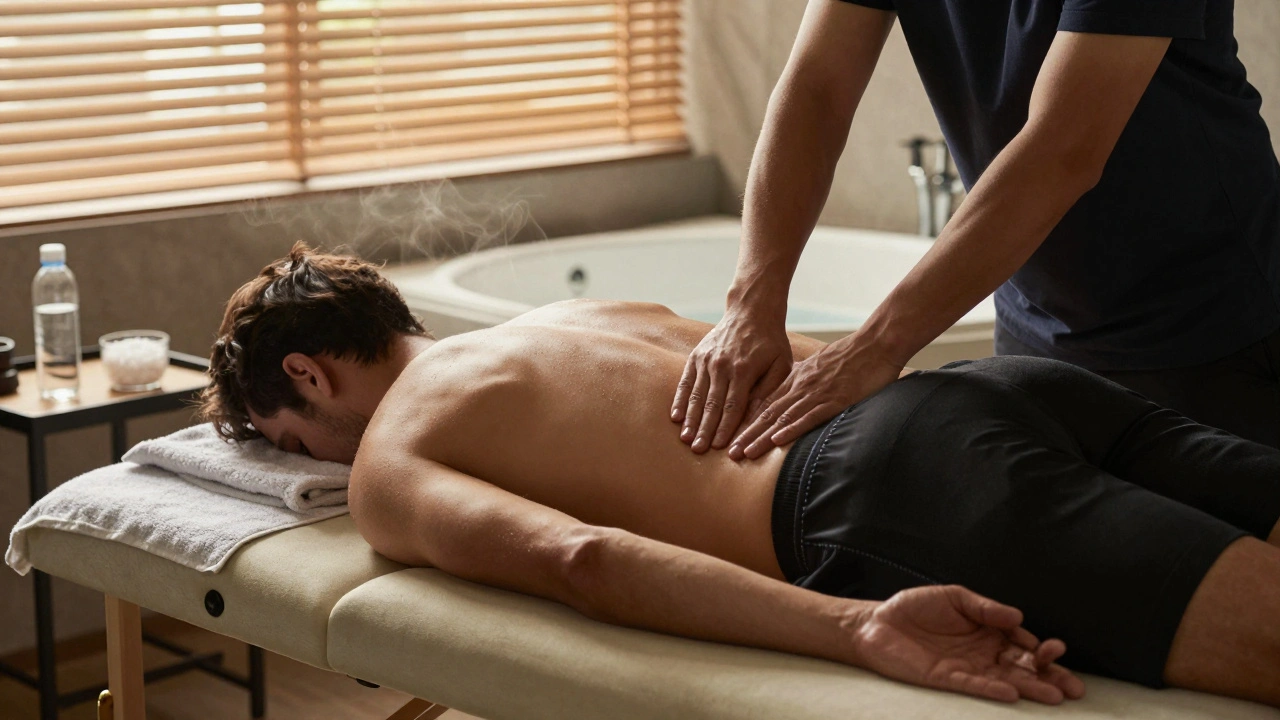
Every elite athlete knows the cost of pushing their body to the limit. Sore muscles, tight fascia, lingering fatigue - these aren’t just inconveniences. They’re roadblocks to the next personal best. If you’re training hard and not recovering right, you’re not getting stronger. You’re just getting worn down. That’s where full body massage stops being a luxury and starts being a necessity.
Why Full Body Massage Works for Athletes
Most people think massage is just about feeling good. For athletes, it’s about function. A full body massage doesn’t just rub away soreness - it actively resets your nervous system, flushes out metabolic waste, and restores muscle elasticity. Studies tracking professional runners and cyclists show that regular full body massage reduces delayed onset muscle soreness (DOMS) by up to 30% within 24 hours after intense training.
The science is simple: when you train hard, your muscles accumulate lactic acid, inflammatory cytokines, and cellular debris. Your lymphatic system can’t keep up. Massage manually moves this fluid out, improving circulation and reducing swelling. It also breaks up adhesions - those sticky spots between muscle fibers that form after micro-tears from training. Left untreated, these adhesions turn into chronic tightness that limits range of motion and increases injury risk.
How It Differs From Sports Massage
There’s a common mix-up between sports massage and full body massage. Sports massage is targeted - focused on the quads, hamstrings, calves, or shoulders depending on the sport. Full body massage covers everything: back, neck, chest, arms, legs, feet, even the scalp. That’s intentional.
Athletes don’t just use their legs or arms. Their entire body works as a system. Tight hip flexors pull on your lower back. A stiff thoracic spine changes your breathing pattern, which cuts oxygen delivery during sprints. A tense neck throws off your posture, which alters your stride. A full body session addresses these hidden connections. It’s not just about the muscles you use - it’s about the ones that support them.
When to Get a Full Body Massage
Timing matters. Getting massaged right after a hard workout isn’t always the best move. Your muscles are inflamed, swollen, and sensitive. A deep massage then can make things worse.
Here’s the real schedule that works:
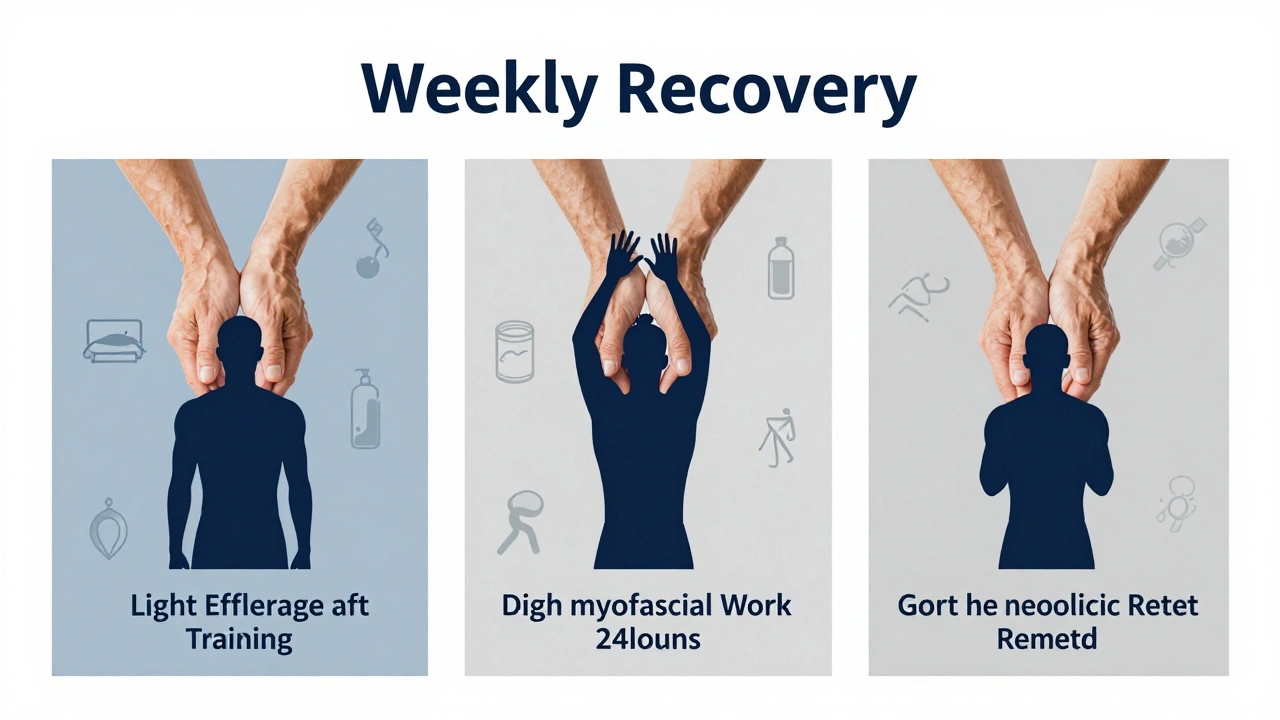
- Within 2-4 hours after intense training: Light effleurage and lymphatic strokes. Goal: reduce swelling and flush fluids.
- 24-48 hours after: Deeper work. Focus on releasing adhesions and restoring muscle length.
- 3-4 days before competition: Maintenance session. Light to moderate pressure. Keep muscles loose without overstimulating them.
- 1-2 days before competition: Avoid deep tissue. Stick to gentle relaxation techniques - calm the nervous system, don’t trigger it.
- After competition: Full body session within 24 hours. This is when recovery gains are highest.
Elite triathletes in Melbourne who follow this timing report 40% fewer missed training days over a season compared to those who only massage when they’re in pain.
What Happens During a Full Body Session
It’s not just one technique. A good session blends several evidence-based methods:
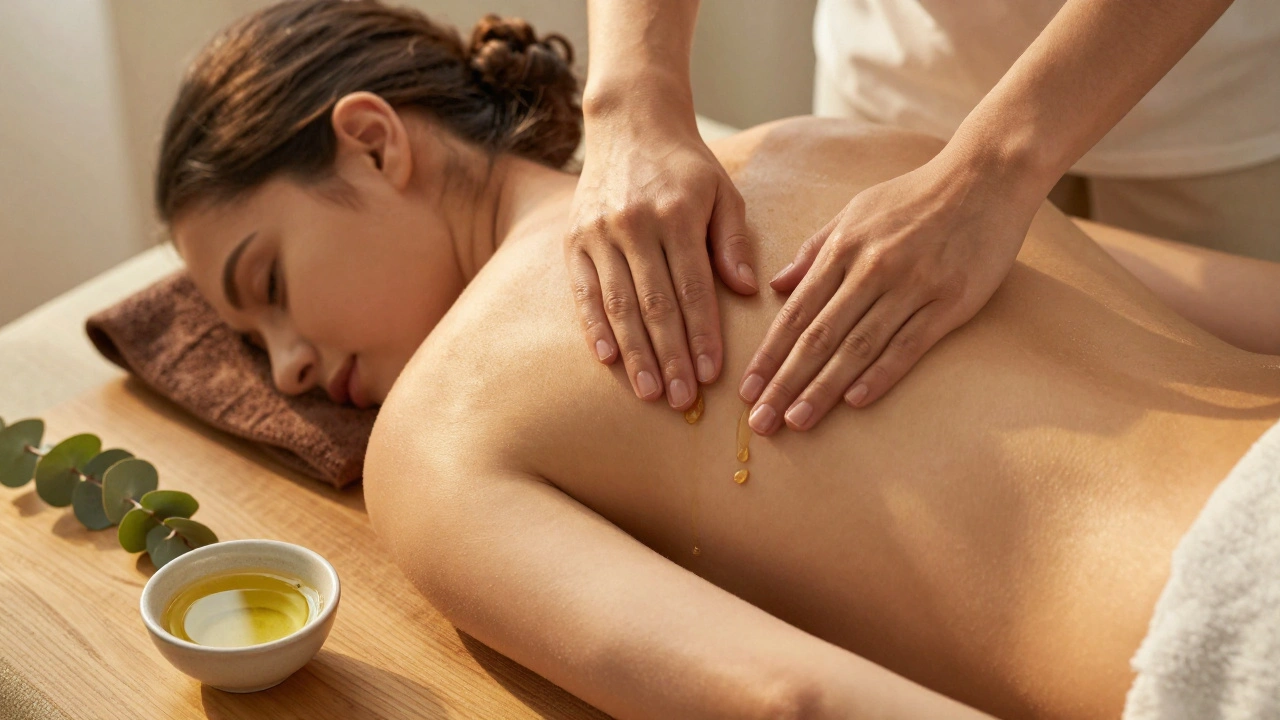
- Swedish strokes: Long, flowing movements to increase blood flow and calm the nervous system.
- Myofascial release: Sustained pressure on tight connective tissue - especially around the iliotibial band, plantar fascia, and thoracolumbar fascia.
- Trigger point therapy: Focused pressure on knots in the glutes, calves, and upper traps - common trouble spots for runners and cyclists.
- Passive stretching: The therapist moves your limbs through controlled ranges to reset muscle length without you having to exert effort.
- Neurological reset: Gentle tapping or vibration on key nerves (like the sciatic or radial) to reduce hypersensitivity after heavy training.
A session typically lasts 60 to 90 minutes. You won’t be left in pain. If your therapist is pushing you into sharp discomfort, they’re not helping - they’re causing damage. Recovery shouldn’t hurt.
Real Results From Real Athletes
In 2024, a study tracked 87 amateur triathletes in Victoria who received weekly full body massages for 12 weeks. Half continued their normal routine. The other half added massage.
The massage group:
- Improved VO2 max by 6.2% on average
- Reduced perceived muscle fatigue by 37%
- Had 52% fewer soft tissue injuries
- Reported better sleep quality - a key recovery factor often ignored
One participant, a 38-year-old runner who had been stuck at a 5:15 mile pace for two years, broke 5:00 after 10 weeks of consistent massage and adjusted training. He didn’t change his mileage. He didn’t change his diet. He just started getting full body sessions twice a week.
What to Look for in a Therapist
Not all massage therapists understand athletic recovery. Look for someone who:
- Has experience working with athletes - ask for references or case studies
- Asks about your training schedule, recent races, and pain patterns
- Doesn’t just use a script - they adjust pressure and technique based on your daily state
- Knows when to back off - recovery isn’t about brute force
- Uses oil or lotion designed for athletic skin - no heavy fragrances that can irritate sensitive tissue
Avoid places that push 30-minute sessions for athletes. That’s not enough time to make a difference. And steer clear of anyone who claims massage can “cure” injuries. It supports recovery - it doesn’t replace physiotherapy or medical care.
How Often Should You Get One?
It depends on your training load:
- Recreational athlete (3-5 sessions/week): Once every 2-3 weeks
- Competitive amateur (6-8 sessions/week): Once a week
- Elite or professional: 2-3 times a week during peak training
Don’t wait until you’re injured. Think of it like changing your oil - you don’t wait until the engine seizes. You do it before the damage happens.
What to Do After Your Session
Massage doesn’t work in isolation. What you do afterward matters just as much:
- Drink at least 1 liter of water in the next 2 hours - helps flush released toxins
- Light movement: 10-15 minutes of walking or cycling at low intensity. Don’t sit still.
- Avoid alcohol or heavy meals for 4-6 hours - they slow circulation
- Take an Epsom salt bath if you can - magnesium helps relax muscles further
- Get good sleep. Massage improves recovery, but sleep is where healing actually happens
Skipping these steps is like getting a tune-up on your car and then driving with the parking brake on.
Common Myths Debunked
- Myth: Massage breaks down scar tissue. Truth: It can help remodel soft tissue over time, but it doesn’t “break” scars. That requires medical intervention.
- Myth: More pain = better results. Truth: Pain triggers muscle guarding, which defeats the purpose. Pressure should be deep but tolerable.
- Myth: You only need massage when you’re sore. Truth: Prevention is 10x more effective than fixing damage.
- Myth: Foam rolling replaces massage. Truth: Foam rollers are great for self-care, but they can’t replicate the precision, depth, or neurological feedback a trained therapist provides.
Final Thought: It’s Not a Treat - It’s Training
If you’re serious about performance, you don’t just train your body. You maintain it. Full body massage isn’t a spa indulgence. It’s part of your training plan - just like stretching, nutrition, or sleep. The best athletes don’t wait until they’re broken. They invest in maintenance every single week. Because recovery isn’t passive. It’s active. And it’s the difference between peaking and burning out.
How soon after a race should I get a full body massage?
Get your first session within 24 hours after a race. This is when your body is most responsive to recovery techniques. Light to moderate pressure helps flush out metabolic waste and reduce inflammation. Avoid deep work right after - wait until day two or three for more intense techniques.
Can full body massage improve my flexibility?
Yes. Regular sessions increase muscle elasticity and reduce fascial restrictions. Studies show athletes gain 12-18% improvement in range of motion over 8 weeks with weekly massage, especially in the hips, hamstrings, and shoulders. This isn’t just about stretching - it’s about resetting how your muscles respond to movement.
Is full body massage better than ice baths for recovery?
They serve different purposes. Ice baths reduce acute inflammation and numb pain - useful right after a hard session. Full body massage improves circulation, releases tight tissue, and resets the nervous system - better for long-term recovery. Many athletes use both: ice bath immediately after, massage 24-48 hours later.
Can I get a full body massage if I have a minor injury?
Yes - but only if the therapist knows how to work around it. A skilled practitioner will avoid direct pressure on inflamed or torn tissue but can still treat surrounding areas to reduce compensation patterns. Always tell them about any injuries beforehand. Never push through sharp pain during the session.
Do I need to be an elite athlete to benefit?
No. Anyone who trains regularly - whether you’re a weekend runner, a cyclist, or a gym-goer doing HIIT - can benefit. The science doesn’t care about your race times. It cares about muscle stress and recovery. If you’re putting strain on your body, massage helps you recover faster and stay consistent.
Next Steps
Start by scheduling one session after your next hard workout. Track how you feel over the next 48 hours - energy levels, sleep quality, muscle stiffness. Most people notice a difference within one session. If you feel better, make it a habit. Book the next one before you leave. Recovery isn’t something you do when you have time. It’s something you schedule like your training.