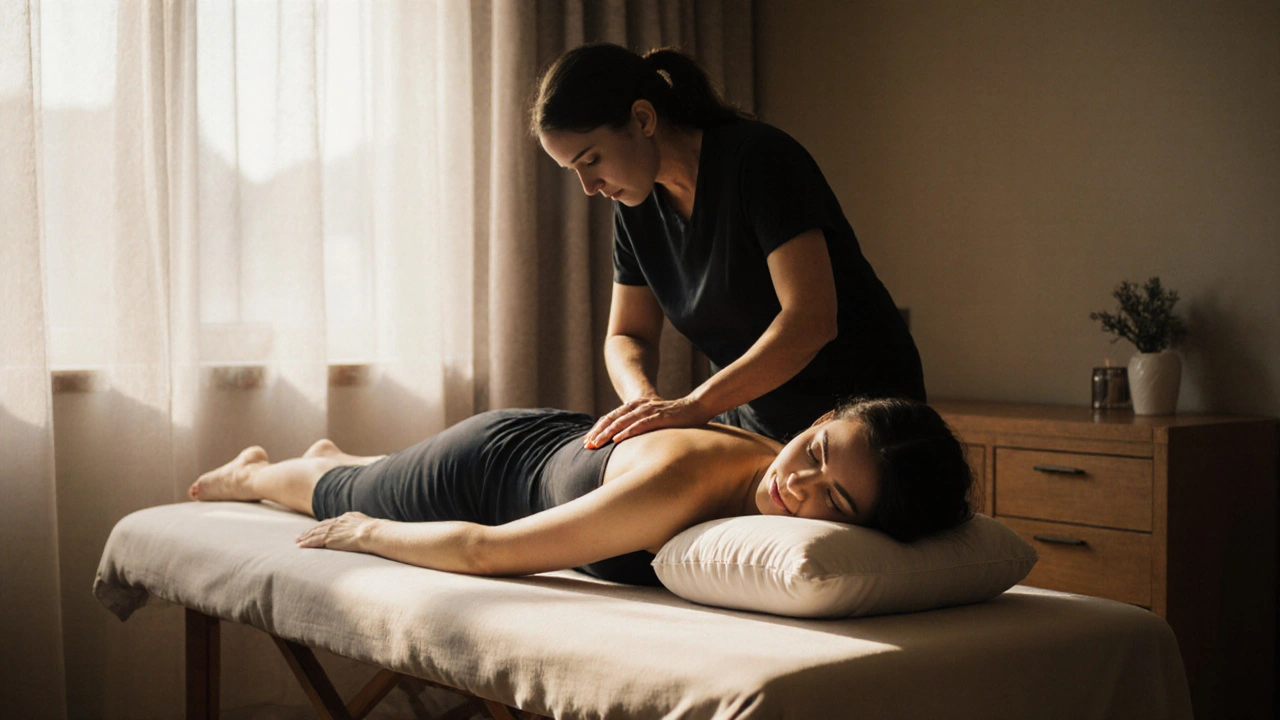
Full Body Massage: How It Boosts Your Skin's Glow and Natural Health
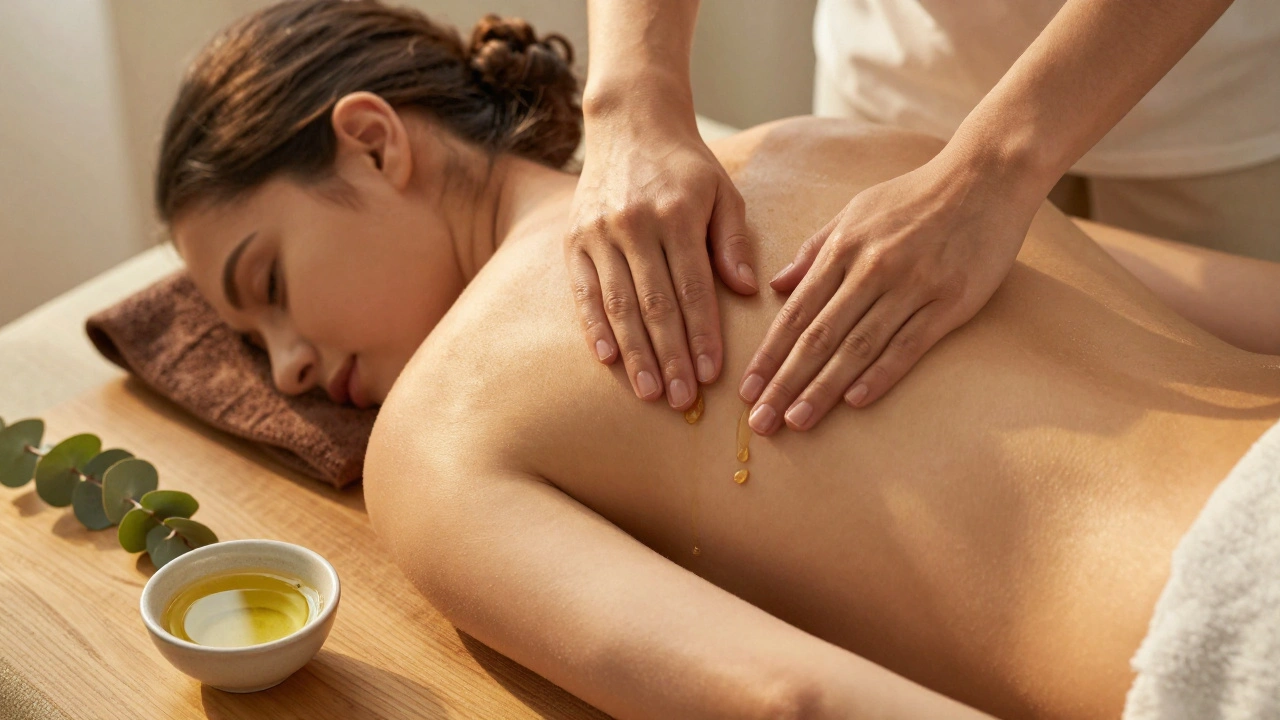
When you think of a full body massage, you probably imagine deep relaxation, melting tension, or maybe just a long-needed break from stress. But there’s another powerful benefit most people overlook-how it transforms your skin. A full body massage doesn’t just soothe your muscles. It actively improves your skin’s texture, radiance, and overall health. If you’ve ever noticed your skin looking brighter after a massage, it’s not just luck. It’s science.
How Massage Increases Blood Flow to Your Skin
Your skin is alive. It’s not just a covering-it’s an organ with its own blood supply, nerves, and cells that regenerate constantly. But when you’re stressed, sedentary, or just running on autopilot, circulation to your skin slows down. That’s when your complexion looks dull, dry, or uneven.
A full body massage directly combats this. The pressure from hands, elbows, or oils moves blood through capillaries near the surface. Studies show that massage can increase local blood flow by up to 30% in treated areas. More blood means more oxygen and nutrients like vitamin E and zinc reach your skin cells. That’s why your skin often looks flushed and glowing right after a session-it’s getting the fuel it needs to repair and renew.
Detoxification Isn’t a Myth-Here’s How Massage Helps
You’ve heard the phrase "detox with massage." It sounds like marketing fluff, but there’s real biology behind it. Your skin is one of your body’s main detox pathways. Sweat, sebum, and dead skin cells build up. Without movement or stimulation, toxins linger.
Massage doesn’t "pull out toxins" like some ads claim. But it does help your lymphatic system-the network that clears waste from tissues. Unlike your blood system, the lymphatic system has no pump. It relies on movement. The rhythmic strokes of a full body massage squeeze lymph nodes and push fluid along. This helps flush out metabolic waste, excess sodium, and inflammatory byproducts that can cause puffiness or breakouts.
People who get regular full body massages often report fewer acne flare-ups and less swelling in their face and hands. It’s not magic. It’s drainage.
Collagen and Elasticity: The Anti-Aging Secret
Collagen keeps your skin firm. Elasticity keeps it springy. As we age, both decline. But you don’t have to wait for expensive creams or lasers. Massage can help.
Repeated mechanical pressure from massage stimulates fibroblasts-the cells that produce collagen and elastin. A 2021 study in the Journal of Clinical and Aesthetic Dermatology found that participants who received weekly full body massages for 12 weeks showed measurable increases in skin elasticity and thickness. The effect was strongest in areas with frequent contact, like the arms, legs, and back.
Think of it like exercise for your skin. Just as lifting weights builds muscle, consistent massage builds structural support in your dermis. Over time, fine lines soften. Skin feels plumper. You’re not reversing aging-you’re slowing it down naturally.
Moisture Retention: Why Your Skin Feels Softer After
Have you ever noticed how your skin feels silkier after a massage with oil? That’s not just the oil sitting on top. It’s your skin’s natural barrier improving.
Massage helps your skin retain moisture by strengthening the lipid layer-the protective film that keeps water in. When you rub oils like jojoba, almond, or coconut into your skin during a session, they don’t just sit there. They penetrate slightly and signal your skin to produce more of its own natural oils. This is called sebum regulation.
People with dry or eczema-prone skin often see improvement after 4-6 weekly massages. It’s not a cure, but it’s a powerful support system. The mechanical action also gently exfoliates dead skin cells, letting moisturizers absorb better afterward.

Stress Reduction: The Hidden Skin Hero
Stress doesn’t just make you feel tired. It shows up on your face. Cortisol, the stress hormone, breaks down collagen, triggers inflammation, and worsens conditions like psoriasis, rosacea, and acne.
A full body massage lowers cortisol levels by an average of 31% in just one session, according to research from the Touch Research Institute. At the same time, it boosts serotonin and dopamine-chemicals that calm your nervous system. Less stress means less redness, fewer breakouts, and a more even tone.
It’s why people who get regular massages often say they look more "rested" even if they didn’t sleep more. Their skin is reflecting their inner calm.
What Kind of Oil Makes a Difference?
Not all massage oils are equal when it comes to skin health. Here’s what works best:
- Jojoba oil: Mimics your skin’s natural sebum. Great for acne-prone or oily skin.
- Almond oil: Rich in vitamin E. Ideal for dry or mature skin.
- Coconut oil: Has natural antimicrobial properties. Good for sensitive skin, but can clog pores in some people.
- Argan oil: High in antioxidants. Helps fight free radicals from sun and pollution.
- Avocado oil: Penetrates deeply. Excellent for healing scars or stretch marks.
Many therapists blend oils based on your skin type. If you’re getting a full body massage, ask what’s being used. It’s not just about scent-it’s about skin nutrition.
How Often Should You Get a Full Body Massage for Skin Benefits?
You don’t need to go weekly. But consistency matters. Here’s a practical guide:
- Once a month: Maintains circulation and prevents buildup. Good for general upkeep.
- Every 2-3 weeks: Best for noticeable skin improvement. Ideal if you’re dealing with dryness, dullness, or mild acne.
- Weekly: Recommended if you have chronic stress, eczema, or are recovering from sun damage. Results show up faster.
Even if you can’t afford regular sessions, try self-massage. Spend 10 minutes after a shower, using a loofah or dry brush on your arms, legs, and back. It’s not the same as a professional session, but it still boosts circulation and sloughs off dead cells.
What to Avoid
Not every massage is skin-friendly. Skip these:
- Too much pressure: Bruising damages capillaries and can leave dark marks, especially on fair skin.
- Harsh scrubs: Avoid sugar or salt scrubs during massage if you have sensitive or broken skin.
- Low-quality oils: Mineral oil or synthetic fragrances can clog pores and irritate.
- Massaging active breakouts: Pressing on pimples spreads bacteria and can cause scarring.
Always tell your therapist about skin conditions you have. A good therapist will adjust pressure, oil, and technique to protect your skin.
Real Results: What People Actually Notice
Here’s what clients report after 6-8 sessions:
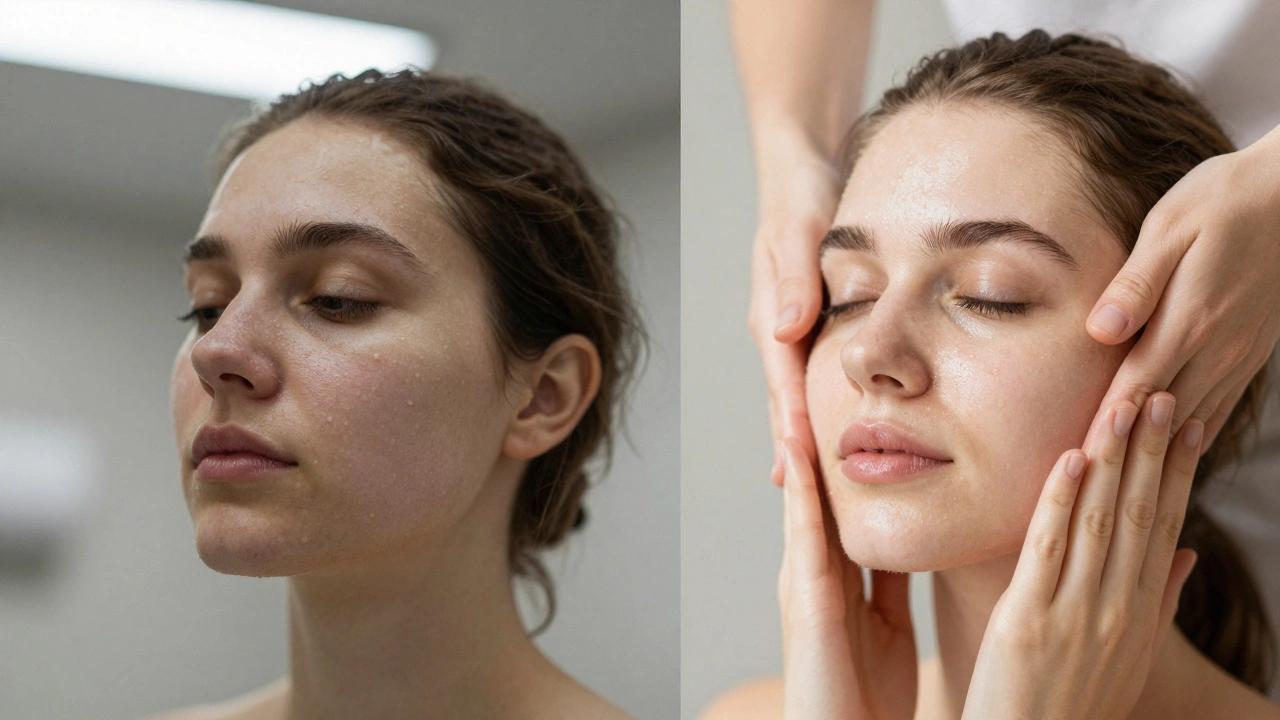
- "My face looks less puffy in the morning. I used to wake up with swollen eyes."
- "My elbows and knees stopped looking rough. They’re smoother now."
- "I don’t need moisturizer as often. My skin just stays hydrated."
- "I stopped using that expensive serum. My skin looks better with massage."
These aren’t outliers. They’re common outcomes when massage becomes part of a regular self-care routine.
Final Thought: Your Skin Is a Reflection
Your skin doesn’t lie. It shows your sleep, your diet, your stress levels, and your habits. A full body massage doesn’t replace good skincare. But it enhances it. It’s not a treatment-it’s a reset. It brings life back to your skin’s natural rhythm. And that glow? It’s not from a filter. It’s from better circulation, deeper rest, and a body that’s finally being cared for.
Can full body massage really improve skin texture?
Yes. Studies show that regular massage increases blood flow and stimulates collagen production, leading to smoother, more elastic skin. A 2021 study found measurable improvements in skin thickness and firmness after 12 weeks of weekly sessions.
Does massage help with acne?
It can help indirectly. Massage reduces stress hormones like cortisol, which trigger breakouts. It also improves lymphatic drainage, clearing out toxins that contribute to clogged pores. But avoid massaging active pimples-pressure can spread bacteria and worsen inflammation.
Which massage oils are best for skin health?
Jojoba oil mimics natural skin oils and is ideal for oily or acne-prone skin. Almond oil is rich in vitamin E and great for dry skin. Argan oil fights free radicals, while avocado oil helps heal scars. Avoid mineral oil and synthetic fragrances-they can clog pores.
How often should I get a full body massage for skin benefits?
For noticeable skin improvement, aim for every 2-3 weeks. Once a month maintains results. If you have chronic dryness or stress-related skin issues, weekly sessions for 4-6 weeks can make a big difference.
Can I do self-massage for skin glow?
Absolutely. Spend 10 minutes after a shower using a dry brush or your hands to stroke your arms, legs, and back toward your heart. It boosts circulation and gently exfoliates dead skin. It won’t replace a professional session, but it’s an effective daily habit.