Thai Massage: A Holistic Approach to Wellness
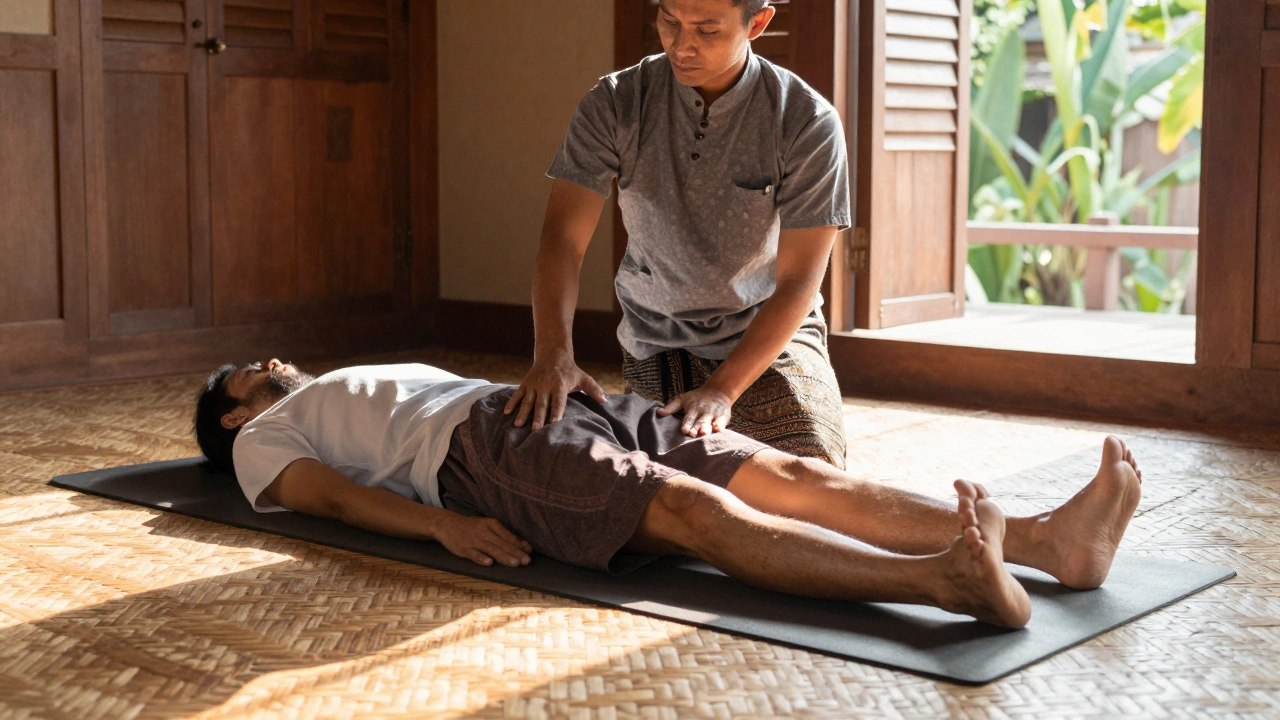
Thai massage isn’t just another type of bodywork. It’s a living tradition that’s been passed down for over 2,500 years, rooted in ancient healing practices from India and Southeast Asia. Unlike Swedish or deep tissue massage, where you lie still and relax, Thai massage moves you. You’re guided through stretches, pressed along energy lines, and rhythmically compressed - all while fully clothed. It’s not about relaxation alone. It’s about restoring balance, clearing blockages, and waking up your body’s natural flow.
How Thai Massage Works
At its core, Thai massage is built on the idea that energy flows through the body along ten main lines, called sen lines. These aren’t just metaphors - they’re mapped pathways that connect organs, muscles, and joints. When these lines get tight or blocked, pain, stiffness, or even fatigue shows up. Thai massage uses thumb pressure, palm compressions, elbow pressure, and assisted yoga-like stretches to open those lines.
Think of it like untangling a knot in a garden hose. Water flows freely again once the blockage is gone. That’s what happens in your body. A skilled practitioner doesn’t just push on muscles - they work with your entire structure. They’ll stretch your hamstrings while pressing along your leg’s energy line, or twist your torso to release tension in your lower back. It’s active, dynamic, and deeply effective.
What Makes It Different
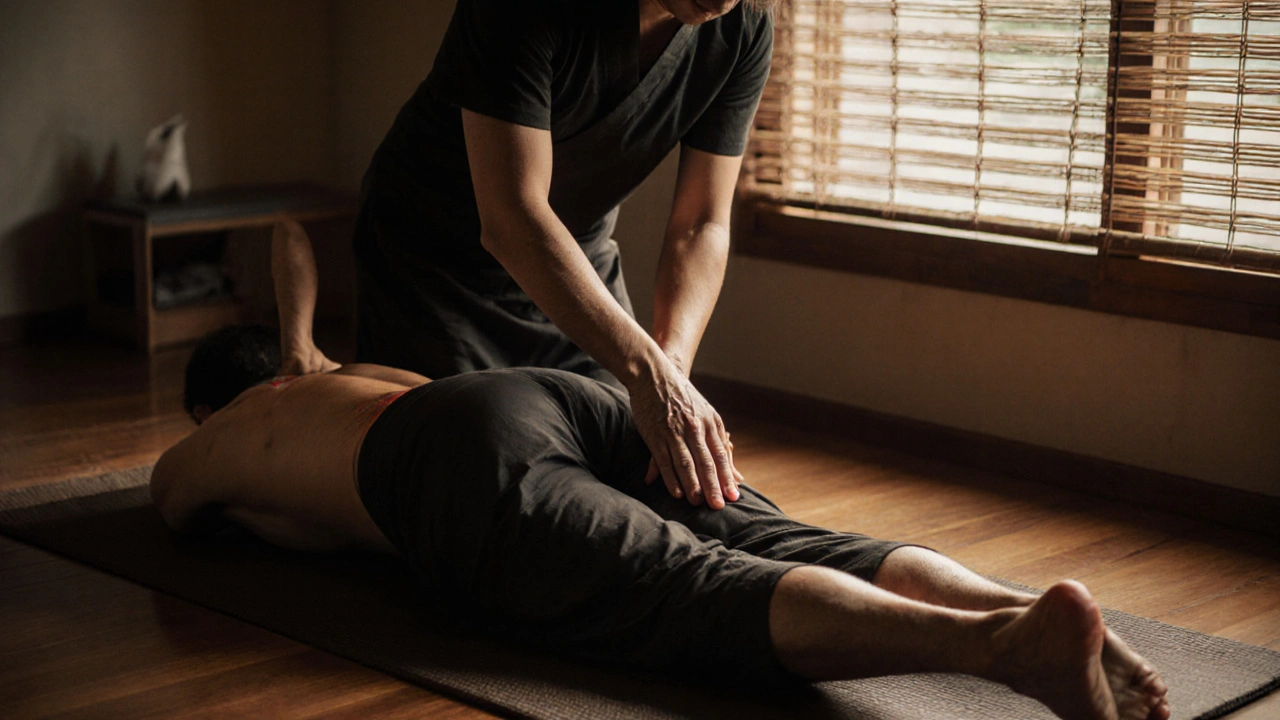
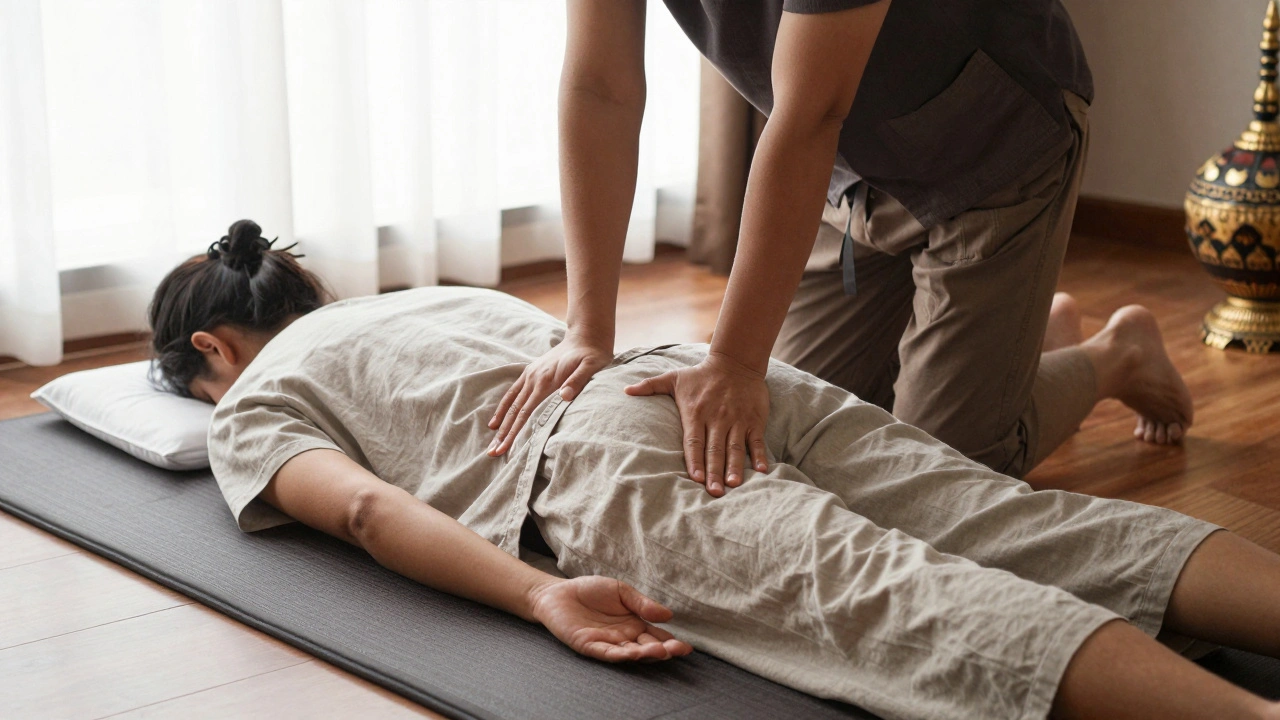
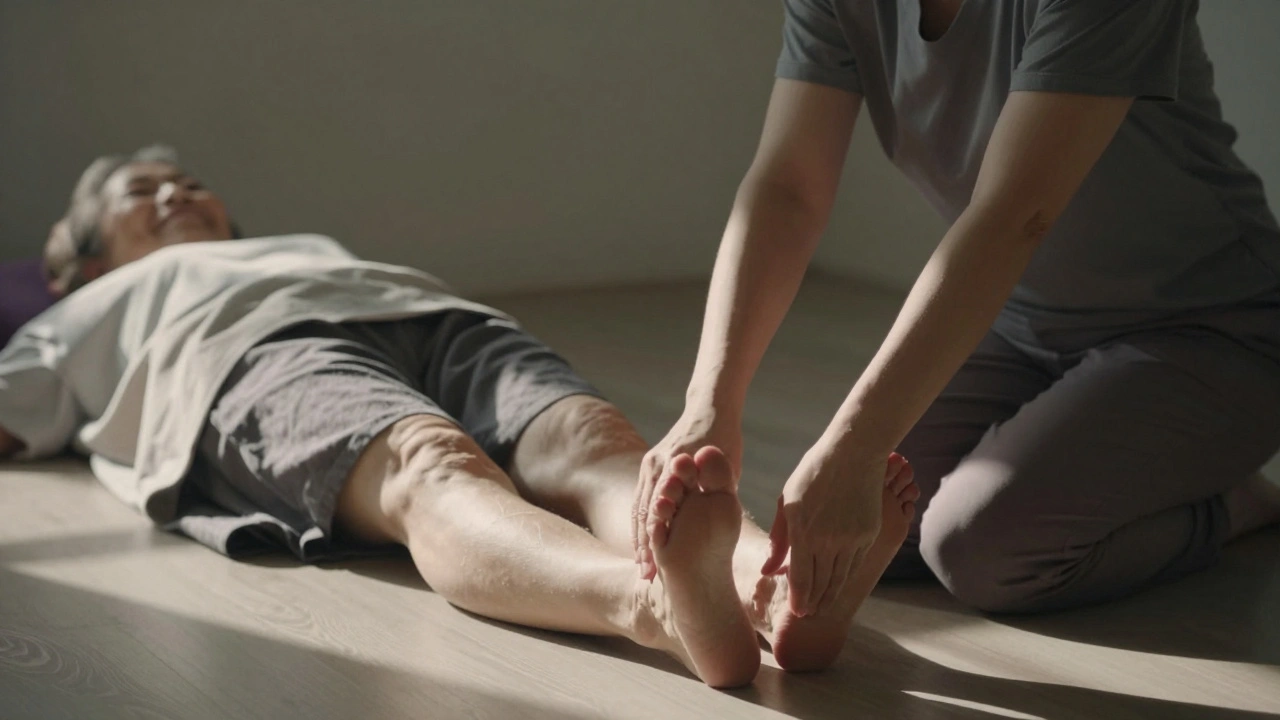
Most massages focus on muscle tissue. Thai massage targets the whole system. You don’t need to undress. You don’t need oils. You wear loose clothing and lie on a mat on the floor. The practitioner uses their body weight to apply pressure - not just their hands. That’s why you’ll feel deep, consistent pressure that lasts longer than a fingertip massage.
Compare it to a yoga session with a personal coach. You’re moved through poses you might not be able to do on your own. The practitioner adjusts your alignment, holds you in stretches, and applies rhythmic pressure. It’s not aggressive. It’s precise. And because it’s done slowly and mindfully, your nervous system learns to let go.
The Science Behind the Pressure
Modern research supports what traditional practitioners have known for centuries. A 2023 study published in the Journal of Bodywork and Movement Therapies found that participants who received weekly Thai massage for six weeks reported a 42% reduction in chronic lower back pain and a 37% improvement in flexibility. Blood pressure dropped by an average of 8 mmHg. Sleep quality improved in 78% of participants.
Why? Thai massage stimulates the parasympathetic nervous system - the part of your body that says, “It’s safe to rest.” It also increases circulation, reduces muscle tension, and triggers the release of endorphins. Unlike painkillers, these effects last. You don’t just feel better during the session - you feel better for days.
Who Benefits Most
Thai massage isn’t one-size-fits-all, but it works wonders for certain groups. People with desk jobs often feel stiff in their hips and shoulders. Thai massage opens the hips with seated forward folds and releases shoulder tension with arm rotations. Athletes use it to recover faster - the stretches improve range of motion without the bruising of deep tissue work.
Seniors find it helps with mobility. One 72-year-old woman in Bangkok, who had struggled to tie her shoes for years, said after six sessions she could finally reach her toes. It’s not magic. It’s consistent, gentle pressure on the sen lines that connect her hip flexors to her hamstrings.
Even people with anxiety benefit. The rhythmic pressure, combined with the quiet, focused environment, creates a meditative state. It’s like a moving meditation - your body moves, your breath follows, and your mind quiets down.
What to Expect in a Session
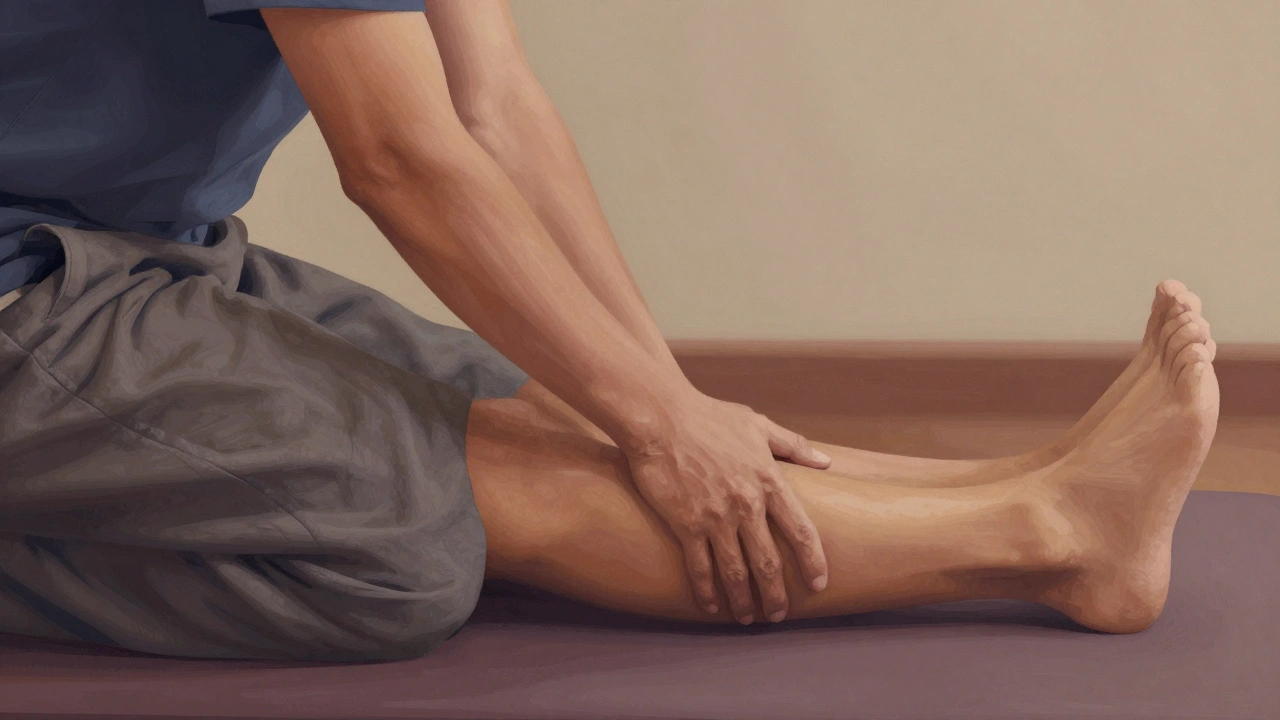
First, you’ll lie on a padded mat on the floor. No table. No oils. Just loose clothing - shorts and a tank top work best. The practitioner will start at your feet, working slowly upward. They’ll press along your calves, stretch your ankles, and then move to your legs, back, arms, and neck.
You’ll be guided into stretches. Some might surprise you. You might end up in a seated twist, or with your legs lifted over your head. Don’t worry - they’ll never push you past your comfort. If something hurts, say so. Thai massage isn’t about pain. It’s about release.
A typical session lasts 60 to 90 minutes. You’ll leave feeling both deeply relaxed and surprisingly energized. It’s not a nap. It’s a reset.
Common Myths
Some think Thai massage is just a stretch session. It’s not. The pressure is intense - sometimes firmer than deep tissue. Others believe it’s only for flexible people. Wrong. It’s actually designed for people who aren’t flexible. That’s why you’re guided through movements you can’t do alone.
Another myth? It’s spiritual or religious. While it has roots in Buddhist healing traditions, modern Thai massage is secular. You don’t need to believe in energy lines to benefit. You just need to be willing to move and breathe.
How Often Should You Go?
For general wellness, once every two to four weeks keeps your body in balance. If you’re dealing with chronic pain, tightness from sitting, or high stress, weekly sessions for 4-6 weeks can create lasting change. After that, you can taper to maintenance.
There’s no rush. Thai massage builds on itself. Each session layers on the last. Your body remembers. Over time, you’ll notice you don’t need to stretch as much in the morning. Your shoulders don’t hunch as easily. You sleep deeper. These aren’t temporary fixes - they’re shifts in how your body functions.
What to Look for in a Practitioner
Not all Thai massage therapists are trained the same. Some learn in weekend workshops. Others train for years in Thailand, often in temples or traditional schools like Wat Pho in Bangkok. Look for someone who mentions their lineage - whether it’s from Chiang Mai, Bangkok, or a certified school abroad.
Ask: “Where did you train?” and “How long was your training?” A serious practitioner will have at least 500 hours of hands-on training. They’ll also be able to explain the sen lines, not just say “I work on energy.”
Watch how they move. A good therapist uses their whole body - elbows, forearms, knees - not just hands. They’ll adjust pressure based on your breathing. And they won’t talk much. The work speaks for itself.
After Your Session
Drink water. Your body is flushing out tension and metabolic waste. Avoid caffeine or heavy meals for a few hours. Give yourself time to feel the effects. You might feel a little sore - like after a good workout - but that should fade in a day.
Some people feel emotional. Tears, laughter, or sudden calmness aren’t unusual. Thai massage releases stored tension - not just physical, but emotional. That’s part of the healing.
Where to Try It
Look for studios that specialize in Thai massage, not general spas. Check reviews that mention “authentic,” “traditional,” or “no oils.” Avoid places that offer “Thai massage with aromatherapy” - that’s a hybrid. True Thai massage uses no oils, no music, and no distractions.
Many practitioners now offer sessions in homes or offices. That’s called outcall Thai massage. It’s convenient, private, and lets you relax in your own space. Just make sure the practitioner brings a proper mat and works on the floor.
Why It Lasts
Thai massage doesn’t just soothe your muscles. It rewires how your body moves. Over time, your posture improves. Your breathing deepens. Your joints move more freely. It’s not a luxury. It’s preventive care for your body.
In Thailand, it’s not just for tourists. It’s part of daily life - like brushing your teeth. People go weekly. Grandparents go with their grandchildren. It’s not about relaxation. It’s about staying whole.
If you’ve tried other massages and felt like they didn’t stick, Thai massage might be what you’ve been missing. It’s not gentle. It’s not passive. But if you’re ready to move, breathe, and truly reset - it works.
Is Thai massage painful?
Thai massage isn’t meant to hurt, but it can feel intense. The pressure is deep and steady, and stretches may challenge your flexibility. A good practitioner will adjust based on your comfort. You should never feel sharp pain. If you do, speak up. The goal is release, not punishment.
Do I need to be flexible to try Thai massage?
No - in fact, Thai massage is ideal for people who aren’t flexible. The practitioner moves your body into stretches you can’t do on your own. You’ll gradually improve your range of motion over time. It’s not about how far you can go - it’s about what your body can safely release.
Can Thai massage help with back pain?
Yes. Studies show Thai massage reduces chronic lower back pain by up to 42% after six weeks of weekly sessions. It works by releasing tension along the sen lines that run from the feet to the head, including those connected to the spine. Combined with gentle spinal stretches, it restores natural alignment and reduces nerve pressure.
How is Thai massage different from yoga?
Yoga is self-guided - you move your own body. Thai massage is assisted. A practitioner moves you through poses, applies pressure, and holds stretches so you don’t have to engage your muscles. It’s like yoga with a personal guide who knows exactly where to press and when to let go.
What should I wear to a Thai massage?
Wear loose, comfortable clothing - like sweatpants and a t-shirt. No underwear with strings or tight waistbands. You’ll be moving in various positions, and the practitioner needs to access your legs, back, and arms. Avoid jeans, skirts, or tight fabrics. You stay fully clothed the whole time.