
Hot Stone Massage: Benefits, Process, and Stress Relief Guide
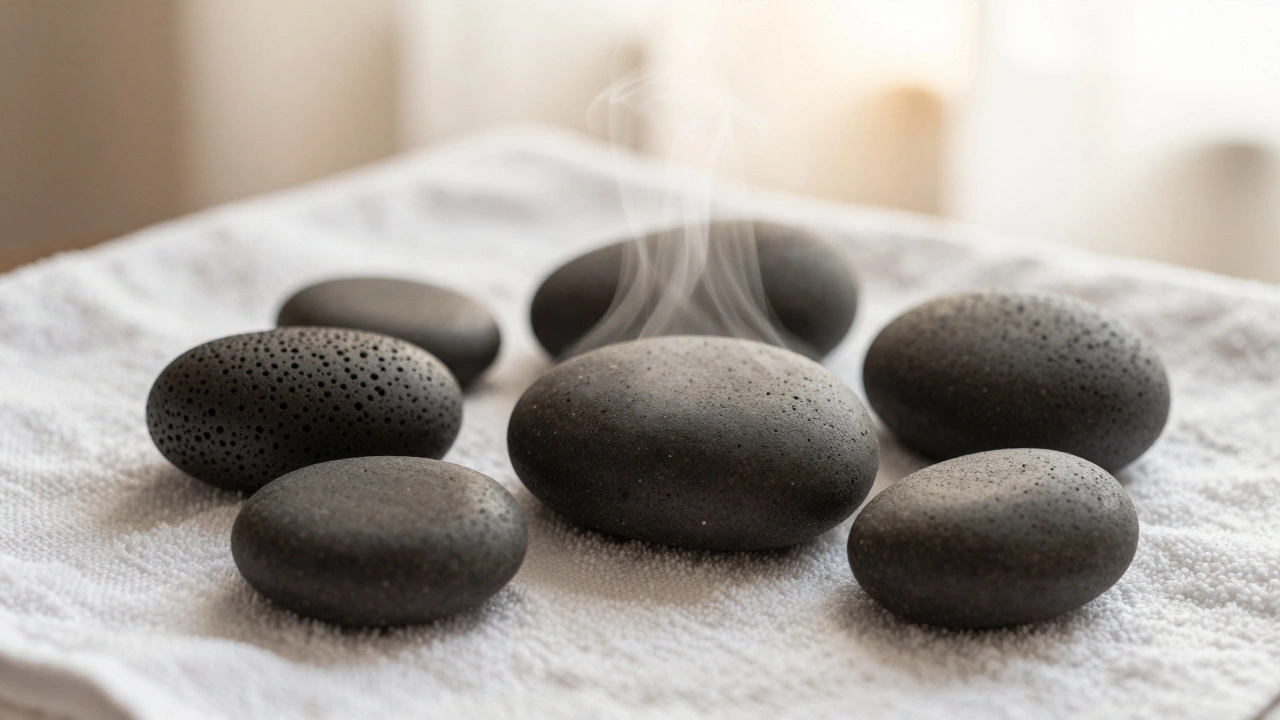
Stress feels heavy sometimes, doesn't it? Like a physical weight sitting on your shoulders while you try to focus on work, bills, or just getting through the day. You might think about booking a standard massage, but have you ever considered what happens when warmth joins the mix? That brings us to Hot Stone Massage, a technique where smooth, heated stones become extensions of the therapist's hands. Unlike a regular session, this method relies on thermal energy to penetrate deep tissue layers quickly.
You probably wonder if it's just a trend or if the heat actually does something. It isn't a fad. While modern spas popularized it recently, the practice has roots dating back centuries. Today, it stands as one of the most effective ways to quiet the nervous system without requiring hours of pressure. By understanding how the stones interact with your body, you can decide if this treatment fits your wellness routine better than other options.
The History and Basics of Healing With Heat
To understand the therapy, we have to look at where the heat comes from. These aren't just any rocks. Therapists use Basalt Stonesvolcanic rocks known for their ability to retain heat for long periods. They are porous and dense, meaning they hold thermal energy steadily without burning the skin. In the early 20th century, medical professionals noticed the soothing effects of heated stones. Later, in the 1990s, Aronne, a massage therapist from New Mexico, refined the technique into the structured modality seen in spas today.
This isn't magic; it's physics and biology working together. When you lie down on the table, your muscles are already somewhat tense, especially around the neck and upper back. Cold hands rubbing tight flesh can sometimes make muscles guard even more against the touch. Heat changes the game entirely. It signals safety to your body. Your natural response to warmth is to let go. The stones sit on key energy centers-chakras-along the spine, feet, and palms before the therapist begins moving them over your muscles.
Many people confuse this with Swedish massage or deep tissue. While the strokes might look similar, the tool is different. A Swedish massage uses oil and hands to create gliding motions on the surface. Deep tissue targets knots with slow friction. Hot stone massage uses the weight and temperature of the stone to glide deeper than a hand usually can, all while relaxing the fascia (the connective tissue wrapping your muscles). You get depth without the bruising or soreness that sometimes follows a vigorous deep tissue session.
How Heat Helps Melts Down Tension
The primary mechanism here is vasodilation. This sounds technical, but simply put, it means widening your blood vessels. When your body encounters heat, arteries expand to circulate more blood. This rush brings fresh oxygen to tired muscles and carries away waste products like lactic acid that accumulate after stress or exercise. Imagine a traffic jam clearing because a new lane opened up-that is what vasodilation does to your circulation.
Beyond circulation, heat affects the Parasympathetic Nervous Systemthe part of the autonomic nervous system responsible for rest and digestion. Most of us live in "fight or flight" mode because our lives demand constant alertness. Our cortisol levels stay high. Placing warm stones on your chest and back triggers the "rest and digest" response. Your heart rate drops, your breathing slows, and your mind stops racing. This isn't just feeling relaxed; it is a measurable biological shift.
Therapists often place stones between the fingers, soles of the feet, or along the spine. These areas are rich in nerve endings. Stimulating these spots creates a feedback loop to the brain. It tells the central nervous system that the body is safe enough to power down non-essential functions. This is why many clients fall asleep immediately after the session ends. The contrast between the ambient room temperature and the warmth of the stones creates a cozy sensory bubble.
| Feature | Standard Massage | Hot Stone Massage |
|---|---|---|
| Depth of Penetration | Limited by finger strength | Enhanced by stone weight and heat |
| Muscle Response | May require acclimatization | Immediate relaxation due to warmth |
| Pain Threshold | Variable, can be sharp | Elevated, less discomfort reported |
| Session Duration | Typically 60 minutes | Often extended to 90 minutes for full effect |
Targeting Specific Areas of Stress
Different parts of the body hold different kinds of stress. Carrying a laptop bag all week stores weight in the trapezius muscles at the top of the shoulder. Poor posture hunches the thoracic spine. Tight hamstrings pull on the lower back. In a typical session, a therapist will warm stones to a precise temperature, usually between 120°F and 140°F, which is comfortable to the touch but too hot to handle directly without gloves.
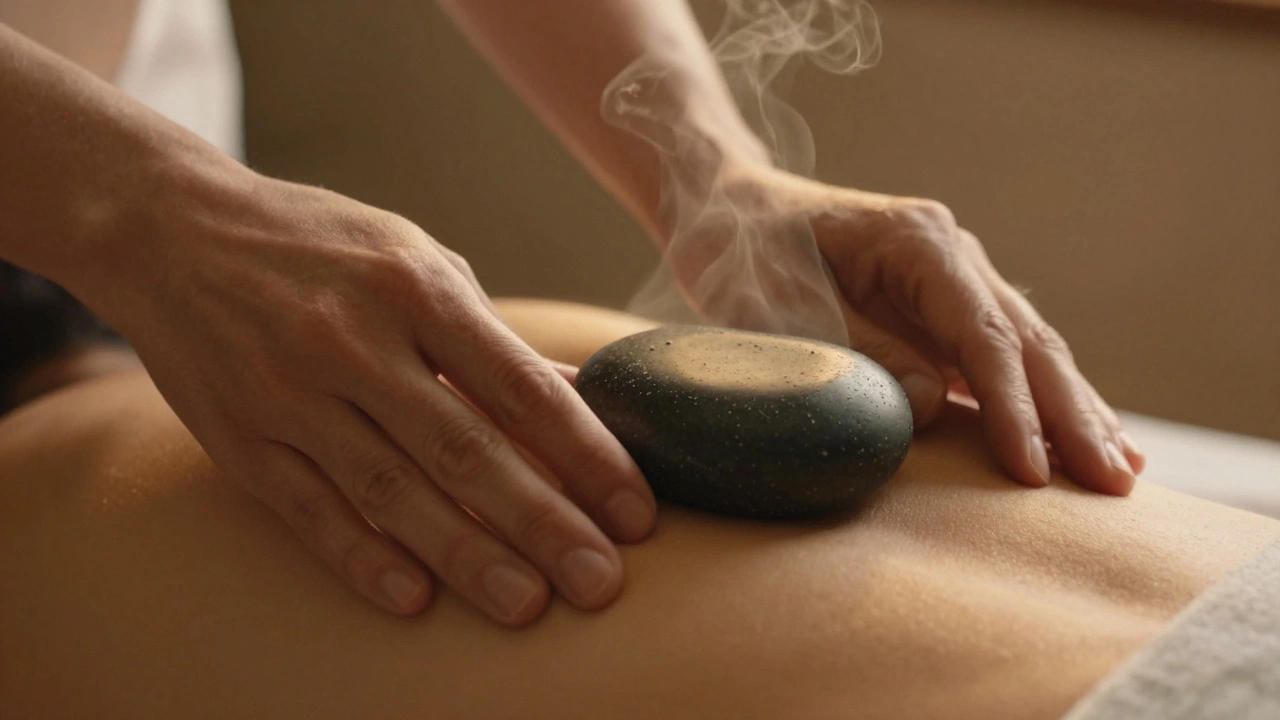
Once the stones are placed, the therapist works on the Myofascial Releasea soft tissue therapy aimed at relieving pain and restoring motion in musculoskeletal injuries. Instead of pressing hard with knuckles, they glide a stone slowly across the muscle belly. Because the muscle is loosened by heat, the stone slides further under the tissue. It acts like a lever. For chronic tightness, this method prevents the muscle from seizing up under pressure.
Some therapists incorporate additional tools alongside the stones. Bamboo wands or wooden blocks might be used for joint alignment, but the stones remain the core delivery system. You might feel stones being placed briefly on the abdomen to soothe digestion issues or held on the forehead to cool migraines (though hot stones specifically target inflammation and stiffness). The versatility depends largely on the practitioner's skill level. Always communicate your pain threshold; a good therapist adjusts stone placement based on your feedback.
Safety Precautions and Who Should Skip It
While this sounds heavenly, heating your body isn't suitable for everyone. Before lying on the table, you must discuss your health history with the therapist. There are specific conditions where heat can cause more harm than good. If you suffer from varicose veins, the heat might increase swelling in those areas. Pregnant women should avoid abdominal heat application unless the therapist has specialized training in prenatal care.
People taking medication that lowers blood pressure might experience dizziness due to rapid vasodilation. Standing up quickly after a session could lead to fainting spells. It is vital to rise slowly and drink water to stabilize your blood pressure. Furthermore, if you have open wounds, burns, or active inflammation from an infection, direct contact with hot surfaces could aggravate the area.
Diabetes patients need special caution because neuropathy (nerve damage) can reduce sensation in the limbs. You might not feel if a stone is too hot, leading to accidental burns. A trained professional will always test stone temperature against their own inner wrist before placing them on your skin, but you still need to speak up immediately if anything feels uncomfortable. Trust your instincts regarding heat levels.
Aftercare and Long-Term Wellness
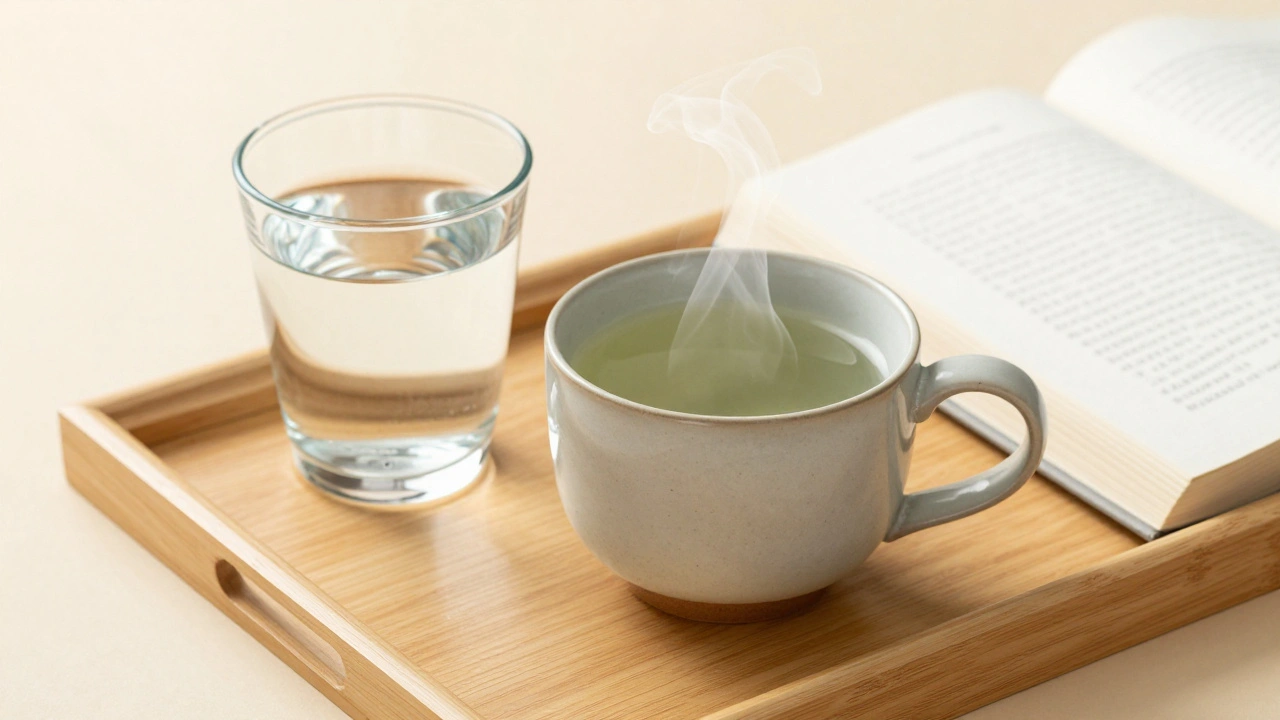
Your job isn't done once the sheet is pulled back off you. The body continues to metabolize toxins released during the session. Hydration is critical. Drink plenty of water for the next 24 hours to help kidneys flush out metabolic waste. Avoid cold showers or intense cardio immediately after the treatment; your body is in a vulnerable state of transition. A warm cup of tea is much better for maintaining the internal warmth generated during the massage.
If you integrate this into a routine, spacing sessions appropriately matters. Once a month is often sufficient for maintenance, but weekly visits might be needed for severe acute stress or injury rehabilitation. Combining hot stone with aromatherapy can amplify results. Essential oils like lavender or chamomile enhance the calming effect of the heat through the olfactory system. Just ensure you don't apply oils directly onto very hot stones without proper dilution, as concentrated oils can irritate skin when heated.
Remember, this is therapy, not a temporary fix. Stress management requires lifestyle adjustments beyond the spa visit. However, hot stone massage provides a reset button that clears physical barriers to mental clarity. Whether you use it for sleep improvement or recovery from sports injuries, knowing what to expect empowers you to get the most out of the experience.
Carolyn Hassell
March 27, 2026 AT 14:05This honestly sounds so relaxing i might book one soon :)