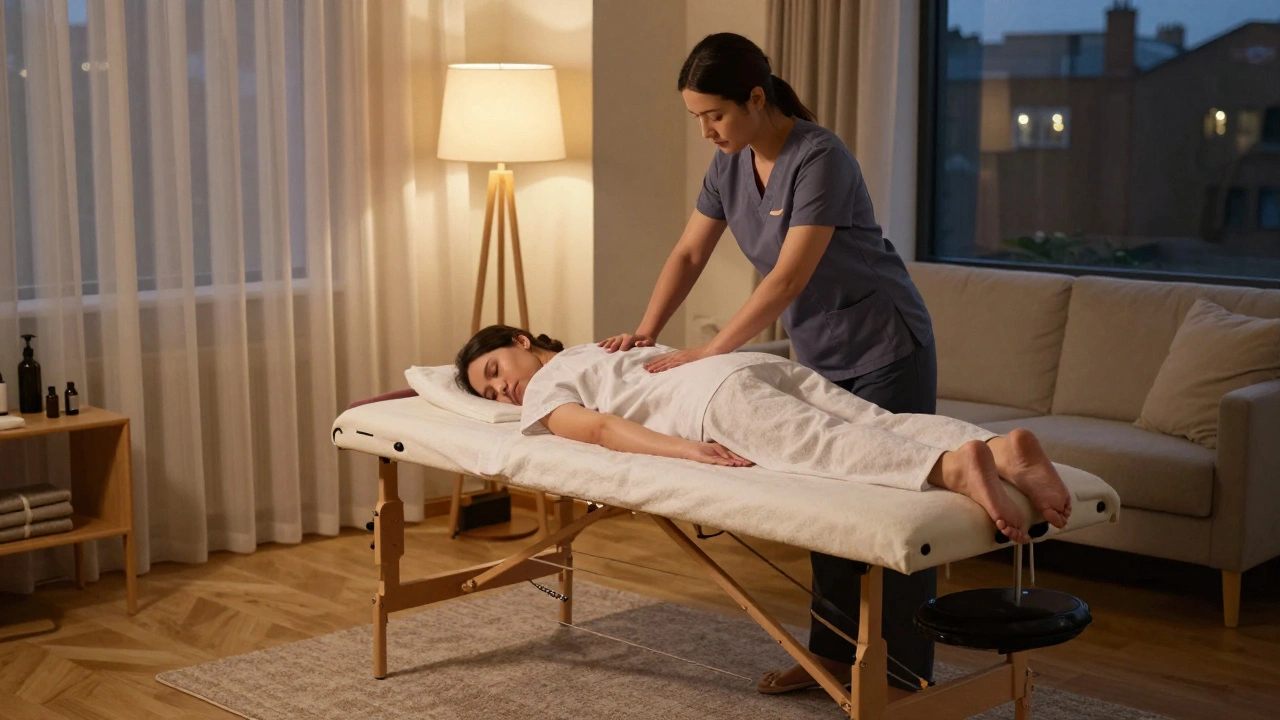
How a Skilled Massage Therapist Boosts Your Physical and Mental Wellbeing
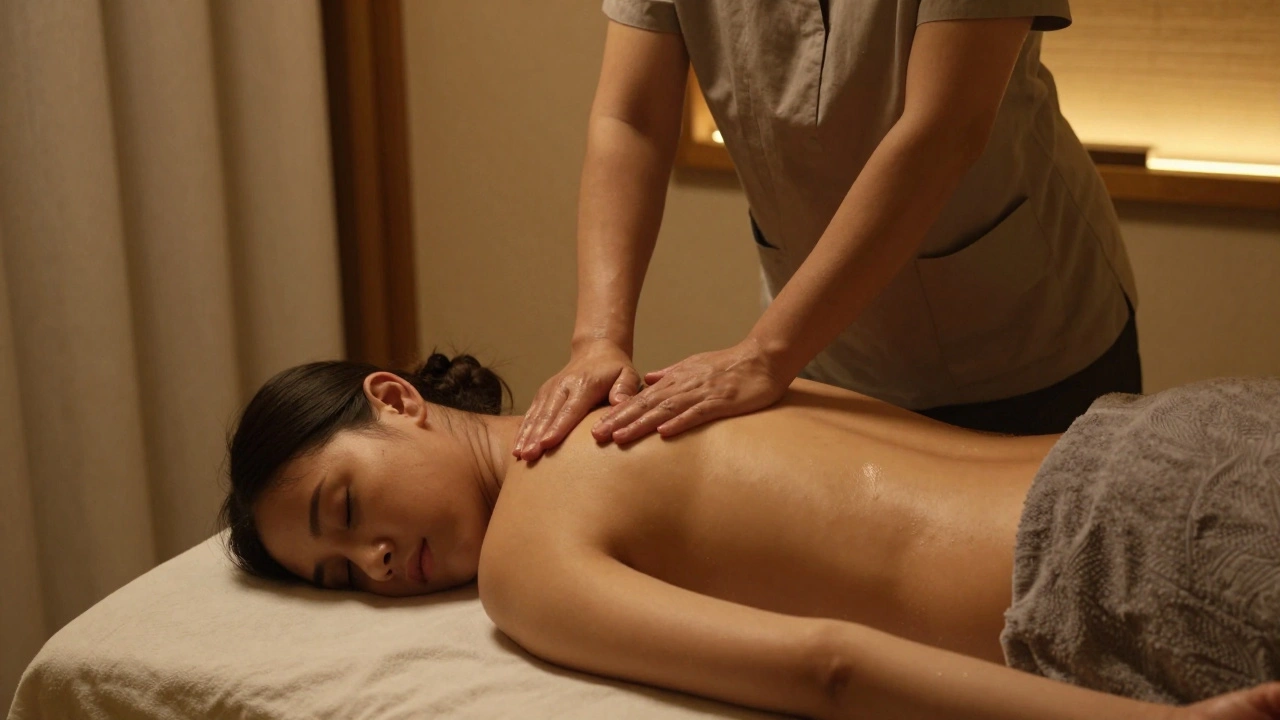
Think about the last time you felt completely relaxed-not just because you were off work, but because your body actually let go. That’s not luck. That’s the work of a skilled massage therapist. Not just someone pressing on your back, but someone who understands how tension hides in your shoulders, how stress tightens your jaw, and how a single session can shift your whole week.
Most people think massage is about pampering. It’s not. It’s about repair. A skilled massage therapist doesn’t just move muscles-they rewire your nervous system. They see patterns you don’t even notice: the way you hold your head forward from staring at screens, the shallow breathing that comes from chronic anxiety, the way your hips lock up after sitting all day. And they fix it-not with one magic move, but with knowledge, touch, and timing.
What Makes a Massage Therapist ‘Skilled’?
A licensed massage therapist has trained for hundreds of hours. In Australia, they must complete at least 500 hours of hands-on study, pass national exams, and keep up with continuing education. But skills go beyond certifications. A truly skilled therapist listens. They don’t just ask, “Where does it hurt?” They ask, “When did this start?” and “What were you doing right before it got worse?”
They know the difference between muscle fatigue and nerve irritation. They can tell if your lower back pain comes from a tight piriformis or from a stressed liver. They use techniques like myofascial release, trigger point therapy, and neuromuscular re-education-not because they sound fancy, but because they work. A 2023 study in the Journal of Bodywork and Movement Therapies found that clients who received care from therapists with advanced training reported 42% greater improvement in chronic pain over six weeks compared to those who got standard sessions.
It’s not about pressure. It’s about precision. A skilled therapist adjusts their touch based on your body’s feedback-not just what you say, but what your muscles say. If your tissue resists, they don’t push harder. They wait. They breathe with you. They find the path of least resistance. That’s the difference between a good massage and a transformative one.
The Physical Ripple Effect
When you get a massage from someone who knows what they’re doing, your body doesn’t just relax-it resets. Blood flow increases by up to 25% in the treated areas, bringing oxygen and nutrients to tired tissues. Lactic acid, the chemical that makes muscles feel sore after a workout, gets flushed out faster. Inflammation drops. That’s not magic. It’s physiology.
Think about athletes. They don’t just get massages after games-they get them before. Why? Because a skilled therapist doesn’t just loosen muscles. They improve joint mobility, reduce muscle stiffness, and prevent injury. One runner in Melbourne I spoke with said her IT band pain vanished after three sessions with a therapist who focused on her glutes and hip flexors-not her knee, where she felt the pain. That’s the mark of a pro: they treat the root, not the symptom.
Even people who sit all day benefit. A 2024 survey of office workers in Melbourne showed that those who received monthly sessions from a skilled therapist reported 30% fewer headaches and 40% less neck stiffness. Why? Because tension builds in layers. The shoulders tighten. The chest collapses. The diaphragm stops working right. A skilled therapist unwinds that chain, one layer at a time.

How Your Mind Gets a Break Too
Here’s the part most people overlook: massage doesn’t just calm your body-it calms your mind. When a skilled therapist works on your back, your nervous system shifts from fight-or-flight mode to rest-and-digest. Cortisol, the stress hormone, drops. Oxytocin, the bonding hormone, rises. Your brain starts releasing endorphins. That’s why you feel that wave of calm that lasts hours-or sometimes days-after a session.
It’s not just about feeling good in the moment. Regular sessions from a skilled therapist can help break cycles of anxiety and insomnia. A 2025 study from the University of Melbourne tracked 120 people with moderate anxiety. Those who received biweekly massages from trained therapists showed a 35% reduction in anxiety symptoms over three months. Not because they were told to breathe or meditate, but because their bodies were literally relearning how to relax.
And it’s not just mental. Sleep improves. Deep sleep increases. You wake up less stiff. You don’t reach for caffeine as soon as you get up. That’s because your autonomic nervous system-your body’s internal control center-starts working better. It’s like rebooting a slow computer. You don’t fix the screen. You fix the operating system.
What Happens When You Skip the Skilled Therapist?
Not all massages are equal. A quick 15-minute session at a mall kiosk? It might feel nice, but it won’t change anything long-term. A friend who “knows pressure points”? They might make you feel better for an hour. But they won’t know if your pain is coming from your spine, your liver, or your emotional stress.
And here’s the real risk: wrong technique can make things worse. Too much pressure on a tight muscle? You can tear tissue. Too little? You waste time. A therapist who doesn’t understand anatomy might push on the wrong spot and trigger nerve pain. I’ve seen people come in with sciatica worsened by a poorly trained therapist who targeted the wrong glute muscle.
That’s why credentials matter. Look for someone with a Certificate IV in Massage Therapy (Australia’s standard), and ask if they’ve done extra training in areas like sports rehab, prenatal care, or chronic pain. A skilled therapist won’t just give you a routine-they’ll adapt. They’ll ask questions. They’ll check in. They’ll remember your history.
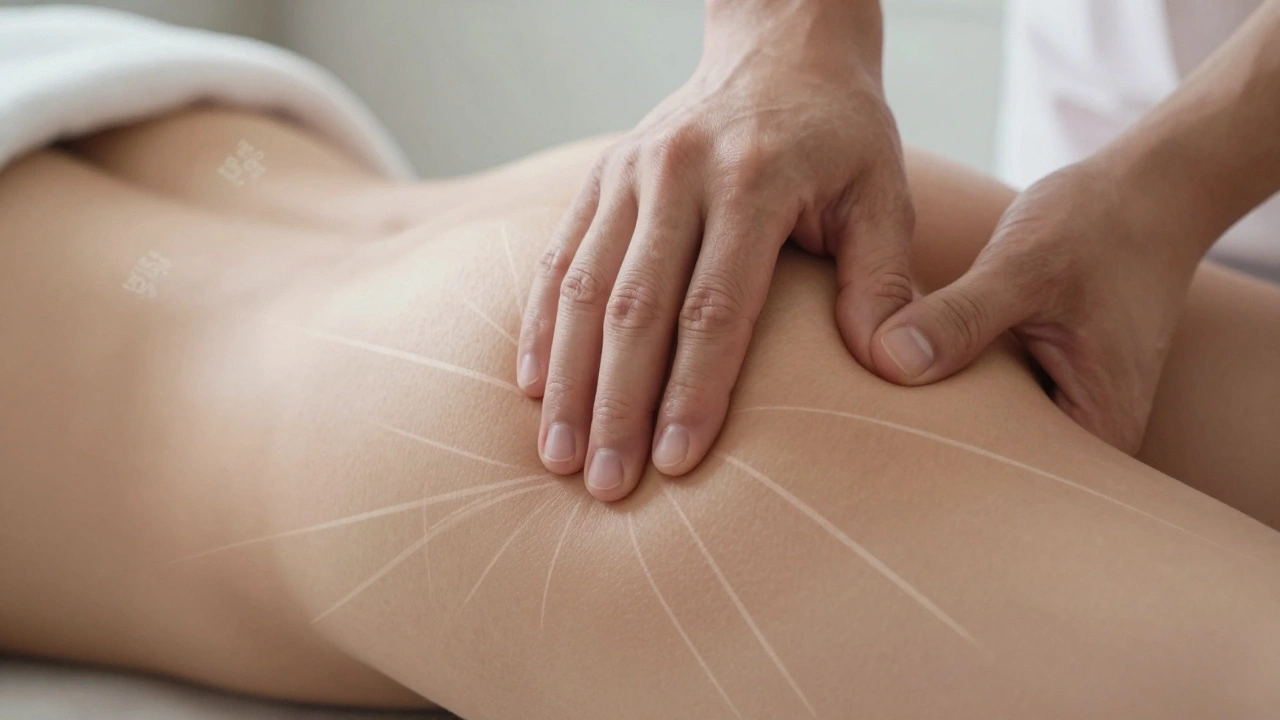
The Long-Term Shift
One session won’t fix a decade of tension. But three months of regular visits? That changes everything. People who stick with a skilled massage therapist don’t just feel better-they start moving differently. Their posture improves. They sleep deeper. They handle stress without clenching their jaw. They notice when their body is tightening up and know how to release it.
It’s like going to the gym, but for your nervous system. You don’t go once and expect to be strong. You go consistently. A skilled therapist becomes part of your health routine, like brushing your teeth or drinking water. They don’t just treat pain. They help you prevent it.
And the best part? You don’t need to be in pain to benefit. Many people start coming in because they’re stressed. They stay because they notice they’re more patient, more focused, more present. One client told me, “I didn’t realize how much I was holding until I stopped holding it.” That’s the quiet power of a skilled touch.
How to Find the Right One
Start with credentials. Look for a therapist registered with a national body like the Australian Association of Massage Therapists. Ask if they’ve worked with clients like you-people with chronic stress, athletes, office workers, new parents. Read reviews that mention specific outcomes, not just “felt great.”
Book a 60-minute session. Don’t go for the cheapest. Don’t go for the flashiest. Go for someone who listens. If they start massaging without asking about your goals, walk out. A skilled therapist will ask: “What brings you here?” “Where do you feel the most tension?” “What’s your day usually like?”
And give it three sessions. The first one might feel good. The second might reveal new tight spots. The third? That’s when the real shift happens. That’s when your body starts to remember what relaxation feels like.
Can a massage therapist help with chronic pain?
Yes, but only if they’re skilled. Chronic pain often stems from muscle imbalances, nerve compression, or poor movement patterns-not just “tight muscles.” A skilled massage therapist uses techniques like myofascial release, trigger point therapy, and neuromuscular re-education to address the root cause. They work alongside physiotherapists and doctors to create a full recovery plan. Studies show that consistent, targeted massage can reduce chronic pain intensity by 40% or more over 12 weeks.
How often should I see a massage therapist?
It depends on your needs. For acute pain or high stress, weekly sessions for 4-6 weeks help reset your body. For maintenance, once every 3-4 weeks keeps tension from building. Athletes often go weekly during training seasons. Office workers benefit from biweekly sessions to counteract sitting. The goal isn’t to become dependent-it’s to build resilience. A skilled therapist will help you learn how to maintain progress between sessions, like stretching routines or breathing techniques.
Is massage therapy covered by health insurance in Australia?
Many private health funds in Australia cover massage therapy under their extras policies, especially if the therapist is registered with a recognized association like AAMT or AMT. Check your policy for “remedial massage” or “massage therapy” coverage. Some funds require a referral from a GP, while others don’t. Always ask your provider before booking, and make sure your therapist can provide a receipt with their provider number.
Can massage therapy replace physical therapy?
No-but they work well together. Physical therapy focuses on restoring movement through exercise, joint mobilization, and rehab techniques. Massage therapy helps reduce muscle tension, improve circulation, and ease pain that blocks movement. A skilled therapist often refers clients to physiotherapists when structural issues are involved. The best outcomes happen when both are used together: massage softens the tissue, and physical therapy rebuilds the function.
Do I need to undress for a massage?
You only undress what you’re comfortable with. Most therapists use draping techniques-covering you with towels so only the area being worked on is exposed. You’ll always be covered, and you can keep underwear on if you prefer. A professional therapist respects your boundaries. If someone pressures you to undress, walk out. Your comfort is part of the healing process.