
How to Incorporate Body Massage into Your Daily Routine
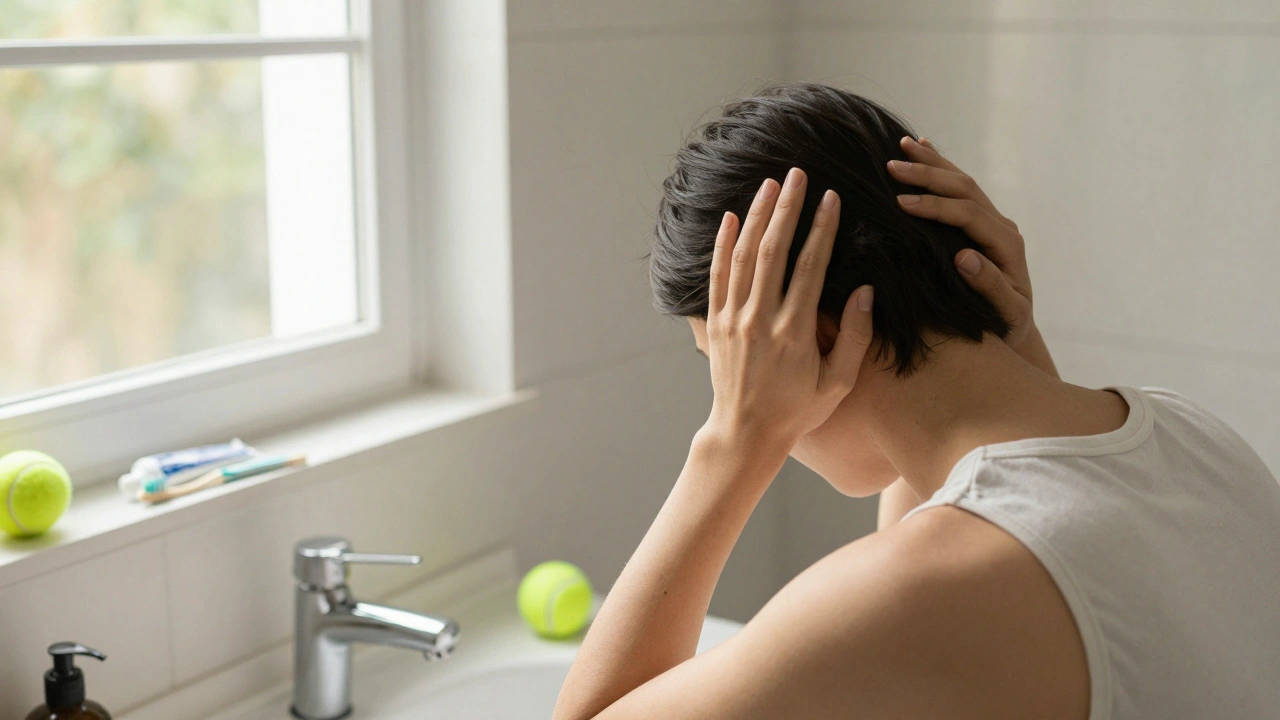
Most people think of massage as something you do once a month at a spa - expensive, rare, and optional. But what if you could get the same calming, healing benefits every single day without leaving your home? You don’t need a professional therapist or a full hour. Just 10 minutes, done right, can reset your nervous system, melt away tension, and help you sleep deeper. Body massage isn’t a luxury. It’s a practical tool - like brushing your teeth or drinking water - that fits easily into your day.
Why Daily Massage Works Better Than Weekly
Think about how your body feels after a long day at work. Your shoulders are tight. Your lower back aches. Your jaw is clenched. That tension doesn’t build up overnight. It accumulates slowly, hour by hour. A weekly massage might ease the worst of it, but it doesn’t stop the buildup. Daily massage interrupts the cycle before it becomes pain.
A 2024 study from the University of Melbourne’s Human Performance Lab found that people who did just 8 minutes of self-massage daily reported 42% less muscle stiffness and 37% better sleep quality after four weeks - compared to those who only got monthly professional sessions. The key? Consistency. Your muscles respond to regular, gentle pressure like plants respond to daily water - not a flood once a week.
Start Small: The 5-Minute Morning Routine
You don’t need to overhaul your morning. Start with five minutes right after you brush your teeth. Here’s how:
- Stand in front of a mirror. Take a deep breath in - let it out slowly.
- Use your fingers to press gently into the base of your skull, just behind your ears. Hold for 10 seconds. This releases tension that builds from staring at screens.
- Move your hands down to your shoulders. Use your opposite hand to knead the top of each shoulder in small circles for 30 seconds per side.
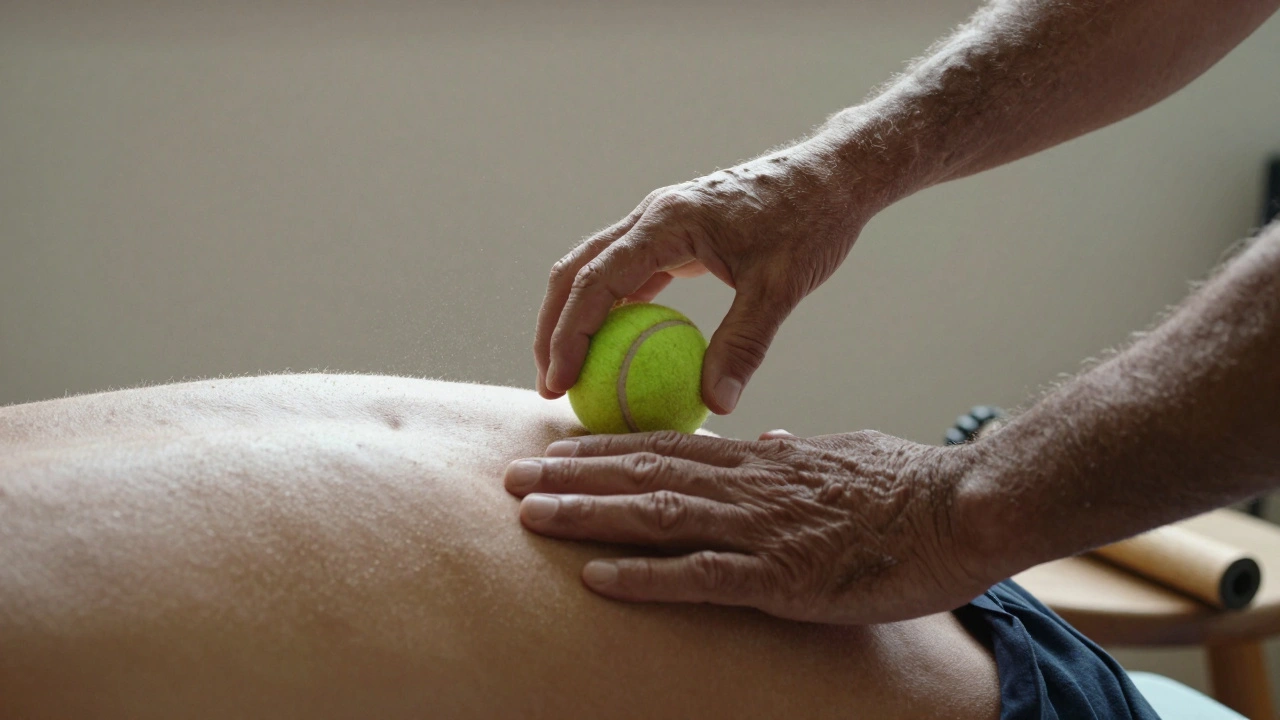
- Place a tennis ball against the wall and lean into it. Roll it slowly along your upper back, from shoulder blade to shoulder blade. Pause on any tender spots for 5 seconds.
- Finish by rubbing your palms together until they’re warm, then press them gently over your closed eyes for 20 seconds.
This routine takes less time than checking your phone. But it signals to your brain: It’s safe to relax now. Over time, your body learns to drop tension faster - even before you start the routine.
Evening Wind-Down: 10 Minutes to Unwind
After dinner, before you turn on the TV or scroll through your phone, make time for your body. This is when stress from the day settles into your muscles. A short evening massage helps you transition from “doing” to “being.”
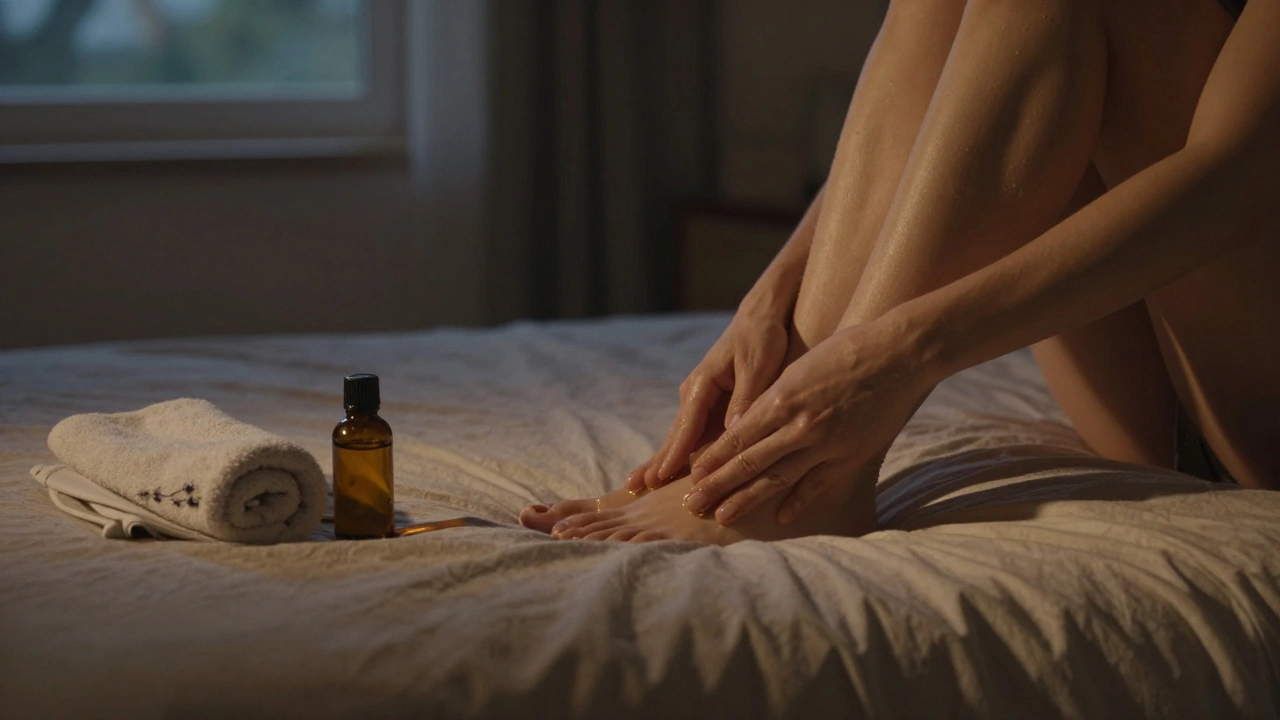
- Use a coconut oil or almond oil blend with two drops of lavender essential oil. Warm it between your palms first.
- Start at your feet. Use your thumbs to press along the arch, then roll each toe gently between your fingers.
- Move up your calves. Use both hands to squeeze and release the muscle, like you’re kneading dough.
- Place your hands on your lower back. Make slow, circular motions with your palms, moving upward toward your ribs.
- Finish by placing your hands on your abdomen. Breathe deeply as you apply light pressure in a clockwise circle. This helps digestion and calms the nervous system.
You don’t need perfect technique. Just consistent touch. The goal isn’t to fix anything - it’s to reconnect with your body.
Tools That Actually Help (No Fancy Gear Needed)
You don’t need to buy a $500 massage gun. Most of what you need is already in your house:
- Tennis ball - perfect for rolling out tight spots on your back, feet, or glutes.
- Foam roller - great for longer muscles like quads, hamstrings, and lats. Roll slowly. Stop where it hurts and breathe.
- Wooden massage stick - under $15 online. Roll it along your arms and legs to release knots.
- Handheld massager - if you want to upgrade, get one with adjustable speed. Use it on large muscle groups only, never on joints or bones.
These tools aren’t magic. They just make it easier to apply pressure where your hands can’t reach. But your hands are still your best tool. They know your body better than any machine.
When to Skip Massage (And What to Do Instead)
Massage isn’t always safe. Don’t massage over:
- Open wounds, bruises, or rashes
- Swollen joints or areas with acute inflammation
- Varicose veins (use light pressure only, if any)
- Recent fractures or surgical sites
If you have a chronic condition like osteoporosis, diabetes, or high blood pressure, talk to your doctor before starting. But even then, gentle touch is usually fine - just avoid deep pressure.
If you’re too sore or tired to massage yourself, try this instead: Lie on the floor with a pillow under your knees. Close your eyes. Breathe in for four counts, hold for four, breathe out for six. Do this for five minutes. It’s not massage - but it’s still healing.
Make It Stick: The 3-Week Habit Hack
Habits don’t form from willpower. They form from cues and rewards.
Here’s how to make daily massage stick:
- Anchor it - Attach massage to something you already do every day. Morning: after brushing teeth. Evening: after turning off the stove.
- Keep it simple - No need for oils, tools, or music. Just 5 minutes with your hands.
- Track it - Put a sticker on your calendar each day you do it. After 21 days, you’ll notice you feel calmer, sleep better, and move easier.
People who stick with daily massage don’t do it because they’re disciplined. They do it because they start to feel the difference. And once you feel it - the ease in your neck, the quiet in your mind - you won’t want to stop.
What Happens When You Stick With It
After three months of daily body massage, most people report the same changes:
- Less reliance on painkillers for headaches or back pain
- Faster recovery after exercise
- Improved mood - less irritability, more patience
- Deeper, more restful sleep
- Feeling more grounded, less anxious
One woman in Melbourne, 58, started massaging her legs every night after her husband passed away. She said it was the only time she felt like she wasn’t alone. “My body remembers how to be held,” she told me. “Even if I’m holding myself.”
You don’t need someone else to care for your body. You can do it yourself. And that’s not weakness - it’s strength.
Dian Edgar
January 31, 2026 AT 10:13just started doing the tennis ball thing on my back after work and holy shit it’s a game changer. no more waking up with my shoulders in a vise. i used to think massage was for rich people with too much time, but now i’m doing it while watching netflix. my dog even sits next to me like she’s my personal masseuse now.
jocelyn richards
February 1, 2026 AT 14:38okay but have you heard about the dark side of self-massage? i read this article on a blog called ‘The Truth About Touch’ and apparently if you do it wrong, you can trigger lymphatic blockages or even mess with your vagus nerve. i know someone who started massaging her neck and ended up in the ER with dizziness and blurred vision. like, what if this ‘daily ritual’ is just a gateway to something way scarier? also, i tried the tennis ball thing and it made my sciatica worse. just saying.
Nakia Decosta
February 3, 2026 AT 11:39the 5 minute morning routine works. no tools needed. just hands and breathing. done it for 11 weeks now. sleep improved. jaw unclenched. no need to overcomplicate it. your body knows what it needs.
Sean Jacobs
February 3, 2026 AT 23:25while the idea of daily self-massage sounds benign, one must consider the broader implications. The University of Melbourne study cited? It was funded by a wellness startup with ties to essential oil distributors. The sample size was under 120 participants with no placebo control. Furthermore, the promotion of oil blends with lavender-often derived from unregulated sources-could introduce endocrine disruptors into your daily regimen. Are we being manipulated into commodifying our own bodies under the guise of self-care? The data is thin. The marketing is loud. Be cautious.
Mia B&D
February 5, 2026 AT 02:42How quaint. A 5-minute routine? How utterly pedestrian. I’ve been practicing a 45-minute myofascial release protocol using a custom-cast jade roller infused with Himalayan salt and cold-pressed rosehip oil, guided by a certified Rolfing practitioner in Kyoto. I suppose your tennis ball is charming in its simplicity, but let’s not confuse accessibility with efficacy. And please, don’t refer to ‘handheld massagers’ as ‘under $15’-that’s the language of the mass market, not the discerning individual. I’d be happy to send you my curated reading list on somatic neuroscience if you’re truly interested in elevating your practice beyond the level of a toddler kneading playdough.