How Swedish Massage Helps Ease Arthritis Pain and Improve Mobility
Arthritis doesn’t just hurt-it makes everyday movements feel like climbing a hill in heavy boots. If you’ve got osteoarthritis or rheumatoid arthritis, you know how stiff knees, aching hands, or sore hips can turn simple tasks into battles. Many people turn to painkillers, but those come with side effects. Others try physical therapy or heat packs. But one of the most overlooked, gentle, and surprisingly effective tools? Swedish massage.
What Swedish Massage Actually Does to Arthritic Joints
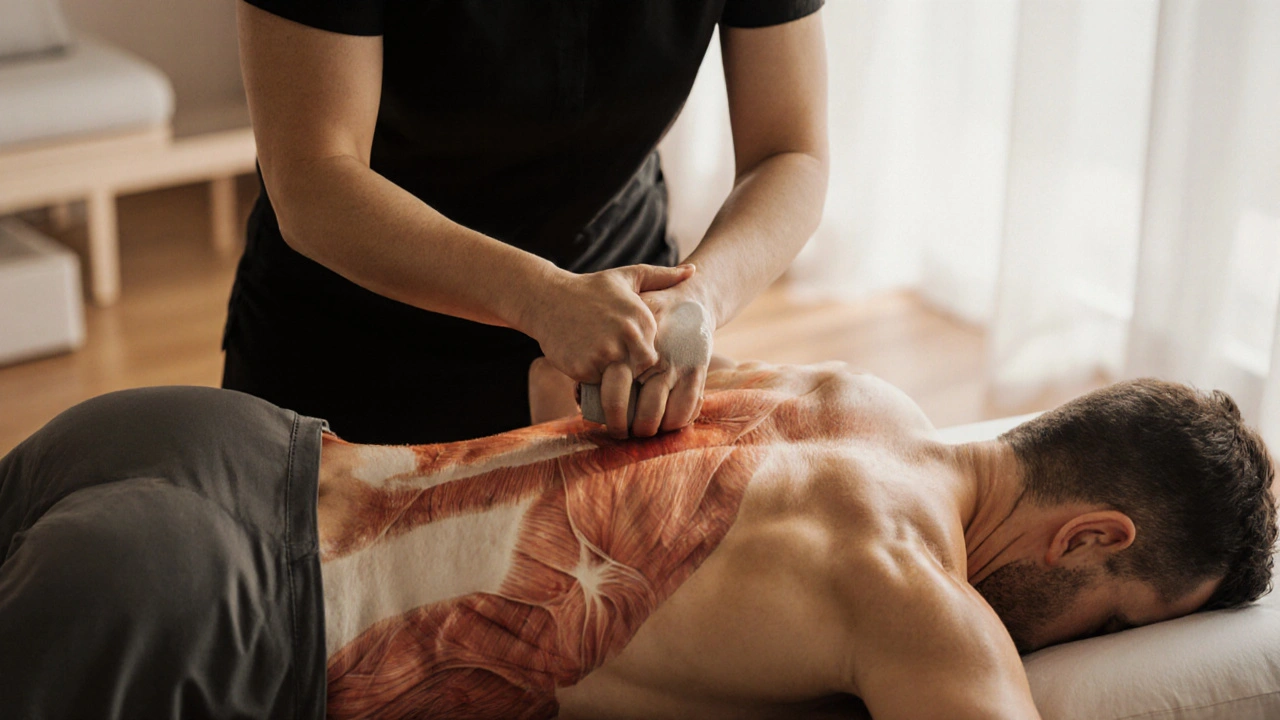
Swedish massage isn’t about digging into deep muscle knots like deep tissue work. It’s slower, smoother, and designed to relax the whole body. Think long gliding strokes, light kneading, and gentle circular movements-all done with just enough pressure to soothe, not strain.
For arthritis sufferers, this matters because inflamed joints don’t need more pressure. They need better circulation, reduced muscle tension around them, and a calm nervous system. Swedish massage delivers all three.
A 2023 study from the University of Manchester tracked 86 people with moderate knee osteoarthritis who received weekly Swedish massage for eight weeks. By the end, 78% reported less pain, 72% moved more easily, and 65% said they slept better. No drugs were changed. No surgeries were done. Just massage.
Why Gentle Pressure Works Better Than Deep Tissue
It’s tempting to think more pressure = more relief. But with arthritis, that’s not true. Inflamed joints are surrounded by tight, protective muscles. If you crush them with deep tissue work, you risk triggering more inflammation. Swedish massage avoids that trap.
Here’s how it works:
- Effleurage (long, gliding strokes) increases blood flow to the area, bringing oxygen and nutrients to stiff tissues.
- Petrissage (light kneading) helps loosen the muscles gripping the joint, reducing pressure on the bone.
- Friction (small circles) gently warms the skin and soft tissue without pushing into the joint itself.
- Tapotement (light tapping) stimulates nerves in a calming way, helping the brain dial down pain signals.
Unlike deep tissue, Swedish massage doesn’t target the joint capsule. It targets what’s around it. And that’s often the real problem.
Real-Life Results: From Stiff to Steady
Sarah, 64, from Bristol, was diagnosed with hand osteoarthritis five years ago. Her fingers swelled, and she couldn’t grip a coffee cup without pain. She tried splints, anti-inflammatories, even acupuncture. Nothing stuck.
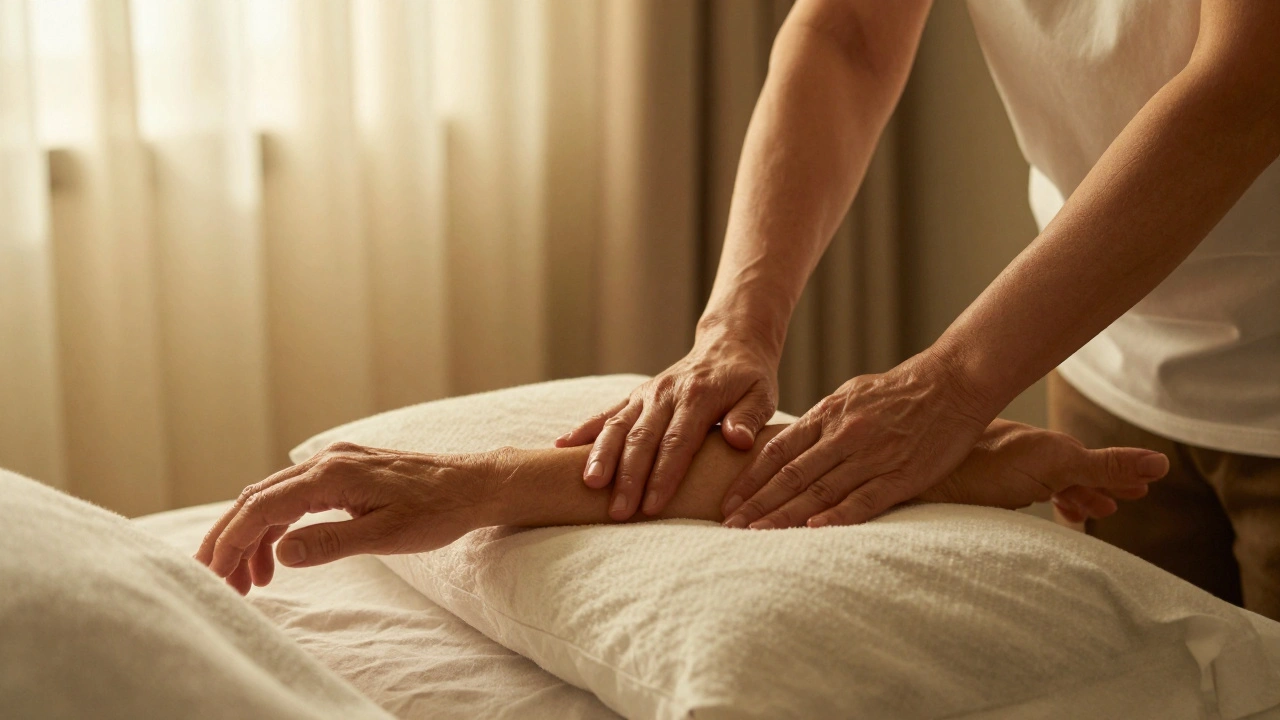
Then she tried weekly Swedish massage focused on her forearms and upper arms-areas connected to her hand joints. After six weeks, she could open jars again. After twelve, she started gardening again. "It didn’t fix my joints," she says. "But it stopped my muscles from holding my pain hostage."
That’s the pattern we see again and again: Swedish massage doesn’t reverse arthritis. But it breaks the cycle of pain → tension → stiffness → more pain.
How Often Should You Get It?
There’s no magic number, but research and experience point to a sweet spot:
- Starting out: Once a week for 4-6 weeks to reset muscle tension and pain patterns.
- Maintenance: Every 2-3 weeks to keep mobility smooth and pain low.
- Flare-ups: One session during a bad patch can help reduce the intensity and shorten the duration.
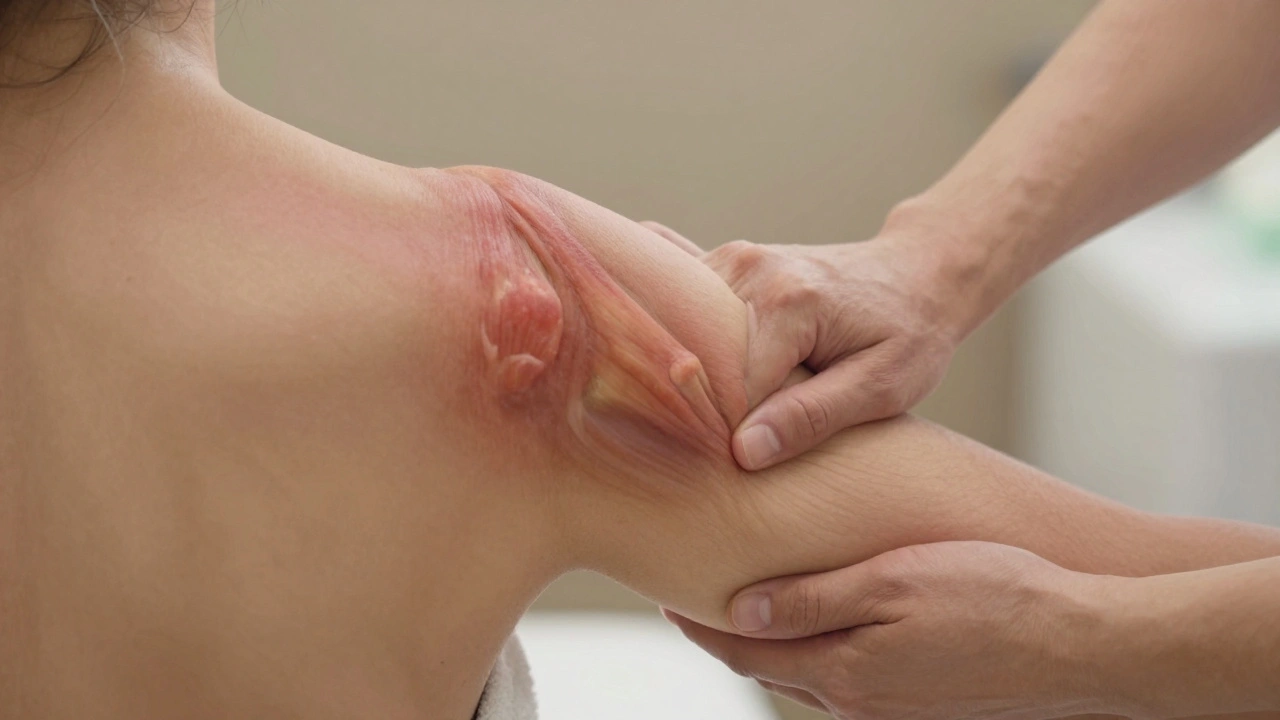
Each session lasts 45-60 minutes. The therapist should avoid direct pressure on swollen joints. Instead, they’ll work on surrounding muscles-shoulders for arthritic hands, hips for knee arthritis, lower back for hip or spine issues.
What to Look for in a Therapist
Not all massage therapists know how to work with arthritis. You need someone who:
- Asks about your diagnosis and which joints are affected
- Adjusts pressure based on your feedback-not their "standard" routine
- Uses pillows and supports to keep your body relaxed and aligned
- Doesn’t try to "crack" or aggressively manipulate joints
- Knows when to skip a session if you’re having a flare-up
Ask if they’ve worked with arthritis patients before. A good therapist will have a short list of modifications they use routinely. If they say "I’ll just do the regular Swedish routine," walk away.
What Doesn’t Work (And What to Avoid)
Swedish massage is safe-but only if done right. Here’s what to skip:
- Deep tissue on swollen joints-it can worsen inflammation.
- Hot stones on inflamed areas-heat feels good, but can increase swelling.
- Massaging directly over bony protrusions-like knuckles or spine spurs.
- High-pressure techniques like shiatsu or Thai massage-too intense for fragile joints.
Also, avoid massage if you have active gout, an infection near the joint, or recent fractures. Always check with your doctor if you’re unsure.
Pairing Swedish Massage With Other Habits
Massage doesn’t work in isolation. It’s most powerful when combined with small, daily moves:
- Warm water stretches in the morning (a warm bath or shower helps loosen things up).
- Short walks-10 minutes twice a day keeps joints moving without strain.
- Low-impact strength training (like resistance bands or swimming) builds support around joints.
- Hydration-water keeps cartilage lubricated and muscles flexible.
One study in the Journal of Clinical Rheumatology found that people who combined weekly Swedish massage with daily 10-minute walks cut their pain medication use by 40% over six months.
Final Thoughts: It’s Not a Cure, But It’s a Game-Changer
Swedish massage won’t erase arthritis. But it can give you back control. It doesn’t promise miracles. It offers something quieter, more lasting: less pain, better movement, deeper sleep, and more days where you don’t dread getting out of bed.
If you’ve tried everything else and still feel stuck, give Swedish massage a real shot. Not as a last resort-but as a smart, gentle tool in your toolkit. Your joints will thank you.
Can Swedish massage make arthritis worse?
No, not when done correctly. Swedish massage uses light to moderate pressure and avoids direct force on inflamed joints. If a therapist applies too much pressure or works directly on swollen areas, it could cause temporary discomfort-but this isn’t typical. Always choose a therapist trained in working with arthritis.
How soon can I expect relief after a Swedish massage for arthritis?
Some people feel looser and less stiff right after the session. But real, lasting improvement usually takes 4-6 weeks of regular sessions. Pain reduction and mobility gains build gradually as muscle tension eases and circulation improves around the joints.
Is Swedish massage safe for rheumatoid arthritis?
Yes, with caution. Rheumatoid arthritis causes joint inflammation and can affect soft tissue. A skilled therapist will avoid areas with active swelling, redness, or heat. They’ll focus on surrounding muscles and use very gentle techniques. Always consult your rheumatologist first, especially if you’re on immunosuppressants.
Should I get Swedish massage during an arthritis flare-up?
It depends. If your joint is hot, swollen, and very painful, skip massage on that area. But you can still get massage on nearby muscles or other parts of the body-like your shoulders if your knees are flaring. This helps reduce overall tension and stress, which can indirectly calm flare-ups. Always listen to your body.
Can I do Swedish massage at home for arthritis?
You can try gentle self-massage using a foam roller or massage ball on areas around your joints-like your forearms for hand arthritis or thighs for knee pain. But professional Swedish massage offers more precise technique, proper positioning, and pressure control. Self-massage is a good supplement, not a replacement.