
How Swedish Massage Can Improve Your Sleep Quality

If you’ve ever tossed and turned for hours, staring at the ceiling while your mind races, you know how brutal poor sleep can be. It’s not just about feeling tired the next day-it’s about mood swings, brain fog, weakened immunity, and long-term health risks. What if the answer isn’t another sleep tracker, melatonin pill, or expensive app, but something simple, natural, and proven? Enter Swedish massage.
What Swedish Massage Actually Does to Your Body
Swedish massage isn’t just gentle rubbing. It’s a system of five core techniques: effleurage (long gliding strokes), petrissage (kneading), friction (deep circular movements), tapotement (rhythmic tapping), and vibration. Together, they don’t just make you feel good-they trigger real, measurable changes in your nervous system.
Unlike deep tissue massage, which targets knots and chronic tension, Swedish massage works on the surface layers of muscle and connective tissue. Its goal isn’t to break down scar tissue, but to calm the system. A 2022 study published in the Journal of Clinical Sleep Medicine found that participants who received weekly Swedish massages for four weeks reported a 31% improvement in sleep quality, with fewer nighttime awakenings and deeper REM cycles.
Why? Because Swedish massage lowers cortisol-the stress hormone-by an average of 30% in just one session. At the same time, it boosts serotonin and dopamine. These aren’t just feel-good chemicals; they’re the building blocks of melatonin, your body’s natural sleep hormone. Less stress. More melatonin. Better sleep. It’s that direct.
The Nervous System Switch: From Fight-or-Flight to Rest-and-Digest
Your body runs on two main modes: sympathetic (fight-or-flight) and parasympathetic (rest-and-digest). Most of us live in overdrive-checking emails at midnight, scrolling before bed, juggling deadlines. That constant stress keeps your nervous system stuck in high gear.
Swedish massage flips the switch. The slow, rhythmic strokes stimulate pressure receptors under the skin, which send signals to the brain to activate the vagus nerve. That’s the main nerve of your parasympathetic system. Once it’s engaged, your heart rate slows, your blood pressure drops, and your digestion kicks in-not because you’re hungry, but because your body finally feels safe enough to recover.
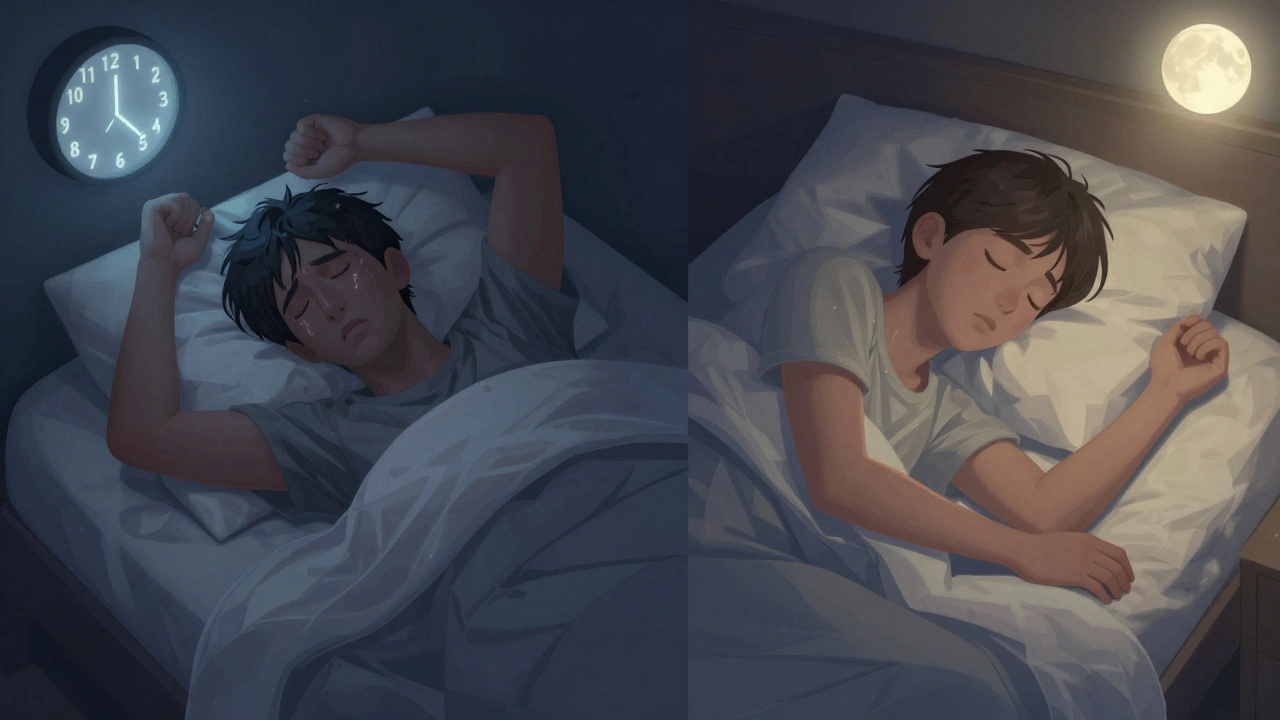
This shift doesn’t vanish after the massage ends. People who get regular Swedish sessions report falling asleep faster-often within 15 minutes-and staying asleep longer. One Melbourne-based client, a 42-year-old teacher, told me she stopped using sleep aids after six weeks of biweekly massages. "I used to wake up at 3 a.m. every night. Now I wake up because the sun’s up. No alarm needed."
How Muscle Tension Blocks Sleep (And How Massage Fixes It)
Tension doesn’t just live in your shoulders. It coils in your jaw, tightens your lower back, and grips your hips. When you lie down, those knots don’t disappear-they scream at your nervous system: "We’re not safe. We’re not relaxed."
Swedish massage doesn’t just loosen muscles. It resets the brain’s perception of them. Through repeated, gentle pressure, the brain learns that those tight areas aren’t under threat. The muscle spindles-sensors that detect stretch and tension-stop sending danger signals. That’s when your body finally lets go.
One 2023 trial with 87 adults with chronic insomnia found that those who received Swedish massage three times a week for six weeks reduced their muscle tension scores by 44%. Their sleep efficiency-the percentage of time spent asleep while in bed-jumped from 68% to 85%.
It’s not magic. It’s neurophysiology.
Real People, Real Results
Take Sarah, 58, from Geelong. She had been on sleep medication for seven years after menopause. Her doctor suggested therapy, but she didn’t want more pills. She tried Swedish massage on a whim. After three sessions, she cut her dosage in half. After eight, she stopped cold. "I used to count sheep. Now I count how many nights I’ve slept through. It’s up to 17 in a row."
Or James, 34, a software developer who worked 70-hour weeks. He’d fall asleep on the couch, wake up with a stiff neck, and repeat. He started getting Swedish massages every two weeks. Within a month, he stopped drinking coffee after 2 p.m. because he didn’t need it anymore. "My brain finally stopped buzzing," he said. "I’m not just sleeping better-I’m thinking clearer."
How Often Should You Get It for Sleep Benefits?
You don’t need weekly sessions to see results. But consistency matters. Here’s what the data shows:
- Once a week for 4 weeks: Noticeable improvement in sleep onset and duration. Best for acute insomnia or high stress.
- Once every two weeks: Sustained improvement. Good for maintaining better sleep long-term.
- Once a month: Mild benefit. Helps prevent regression but won’t fix deep-seated sleep issues.
Many people start with weekly sessions, then taper off. It’s not about addiction-it’s about retraining your body. Think of it like exercise. You don’t run every day once you’re fit. But you don’t stop completely, either.
What to Expect in Your First Session
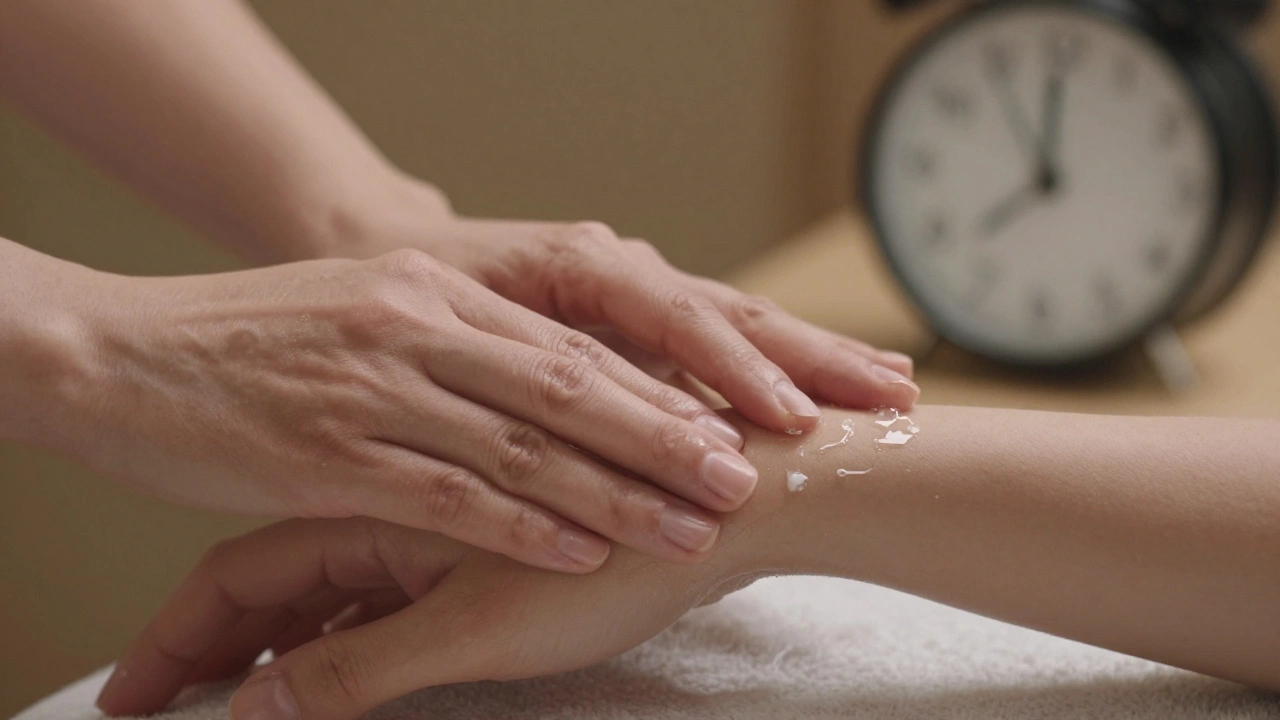
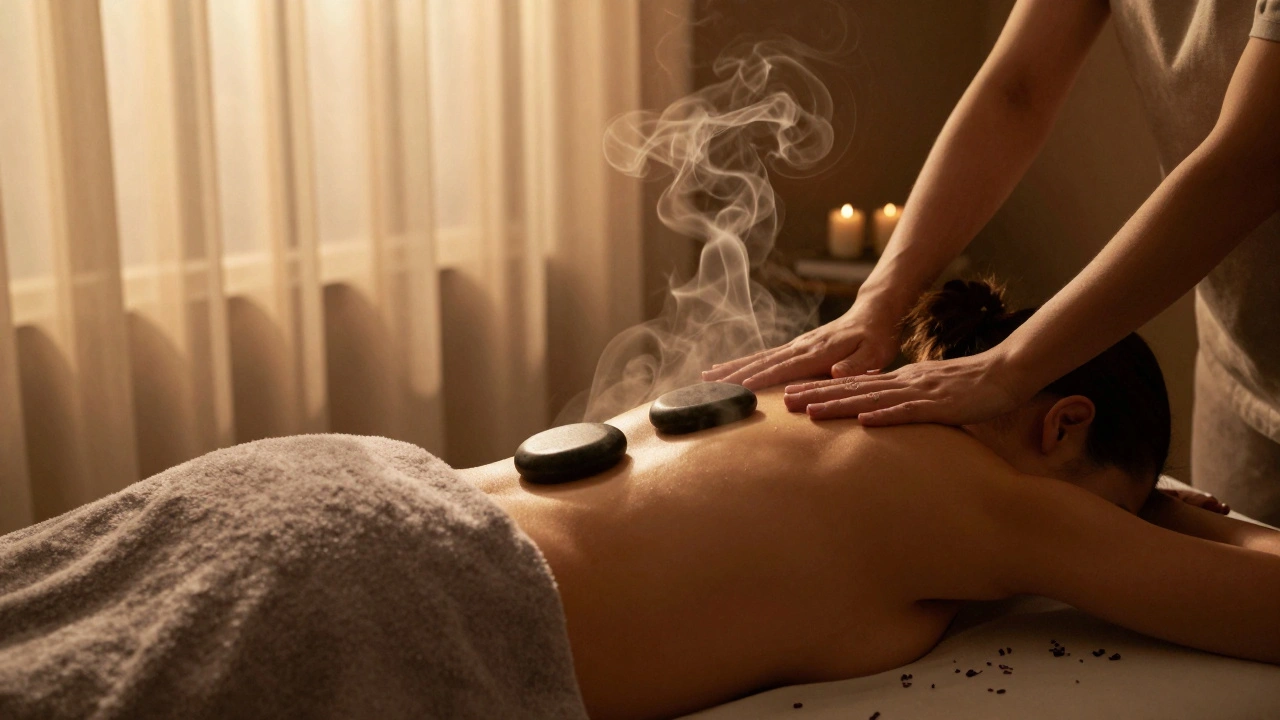
You don’t need to prepare much. No special clothing, no fasting, no rituals. Just show up. Most sessions last 60 to 90 minutes. You’ll lie on a warm table, covered with a towel. The therapist will use light to medium pressure with unscented oil or lotion-unless you ask for lavender or chamomile, which can enhance relaxation.
Don’t expect deep pressure. If your therapist starts digging into your lower back like they’re trying to crack a nut, they’re doing it wrong. Swedish massage should feel soothing, not punishing. You should feel lighter after, not sore.
Afterward, drink water. The massage moves toxins and fluids around. Hydration helps your body flush them out. Then, try to avoid screens for at least 30 minutes. Let your nervous system stay in rest mode.
Who Should Avoid It?
Swedish massage is safe for nearly everyone. But skip it if you have:
- Recent injuries or fractures
- Severe osteoporosis
- Active blood clots or deep vein thrombosis
- Open wounds or skin infections
- High fever or acute illness
If you’re pregnant, talk to your therapist. Many offer prenatal Swedish massage with proper positioning. Always disclose medical conditions upfront. A good therapist will adjust the session to fit your needs.
Why It Beats Sleep Aids
Pill-based sleep solutions come with side effects: grogginess, dependency, memory issues, even increased fall risk in older adults. They treat the symptom-not the cause.
Swedish massage addresses the root: stress, tension, and a nervous system stuck in overdrive. It doesn’t just help you fall asleep-it helps your body remember how to sleep naturally. No chemicals. No withdrawal. No next-day haze.
And it’s not expensive. A 60-minute session in Melbourne averages $85-$120. Compare that to the cost of sleep medications, supplements, and lost productivity from fatigue. You’re not just paying for a massage-you’re investing in your brain’s ability to recover.
What to Look for in a Therapist
Not all massage therapists are the same. Look for:
- Registered with AHPRA (Australian Health Practitioner Regulation Agency)
- Specializes in relaxation or therapeutic massage (not sports or deep tissue)
- Uses gentle, flowing strokes-not forceful pressure
- Asks about your sleep habits and stress levels
- Creates a calm, quiet environment-dim lights, no loud music
Ask: "Do you have experience helping clients with sleep issues?" If they hesitate or say "I just give massages," move on. This isn’t just a luxury-it’s a targeted intervention.
Can Swedish massage really help with insomnia?
Yes. Multiple clinical studies show that regular Swedish massage improves sleep onset, reduces nighttime awakenings, and increases deep sleep stages. It works by lowering cortisol, boosting serotonin, and activating the parasympathetic nervous system-key drivers of natural sleep.
How soon after a massage will I sleep better?
Many people notice a difference after the first session-falling asleep faster or sleeping more deeply. But for lasting results, aim for at least four weekly sessions. The nervous system needs time to relearn how to relax.
Is Swedish massage better than other types for sleep?
Compared to deep tissue or sports massage, yes. Those are more intense and can stimulate the nervous system instead of calming it. Swedish massage is designed for relaxation. Hot stone and aromatherapy can enhance it, but the core technique-long, rhythmic strokes-is what triggers the sleep response.
Can I do Swedish massage at home?
You can mimic some benefits with self-massage using a foam roller or massage ball, but it’s not the same. The power of Swedish massage comes from another person’s steady, intentional touch-something your own hands can’t fully replicate. For true nervous system reset, professional sessions are more effective.
Do I need to use essential oils or heated stones?
No. The core technique is what matters. Lavender oil or heated stones can add comfort, but they’re extras. A skilled therapist using plain lotion and proper strokes will deliver better results than any fancy add-on.
If you’re tired of fighting sleep, it’s time to try something that works with your body-not against it. Swedish massage isn’t a quick fix. It’s a reset button for your nervous system. And after a few sessions, you might just find that the best sleep aid you’ve ever used was sitting on a massage table all along.
Nishi Thakur
December 15, 2025 AT 12:07After months of insomnia, I started biweekly Swedish massages and honestly? My sleep hasn't been this deep in a decade. No pills, no gadgets-just steady hands and quiet room. I used to wake up at 2 a.m. terrified my mind was still running. Now I wake up because the birds are singing. It’s not hype. It’s biology.
Fletcher Sacré
December 16, 2025 AT 15:47okay but like… this sounds like a sponsored post from a massage place in melbourne. who even wrote this? the guy who owns the spa? also i tried massage once and the therapist asked if i wanted lavender. i said no. she gave me side eye like i’d insulted her cat. also i fell asleep mid-session and drooled on the table. not worth $120.
Asher Luptak
December 16, 2025 AT 19:46The nervous system doesn't 'flip a switch'-it recalibrates through repeated somatic input. The effleurage strokes? They’re not just 'gentle.' They're rhythmic entrainment-matching the body's natural oscillatory frequencies. Cortisol reduction is measurable, yes, but the real magic is in the vagal tone restoration. We've known this since the 1990s, but the wellness industry repackages neurophysiology as 'magic' to sell sessions. Still… it works. I'm not disputing the outcome. Just the marketing.
Franklin onah
December 18, 2025 AT 00:38Bro. You're telling me I don't need another sleep tracker? I spent $300 on a Oura ring and now you're saying a 60-minute rubdown is better? I'm not mad… I'm just disappointed in my life choices. Also, I tried self-massage with a lacrosse ball. Ended up screaming and texting my ex for comfort. So yeah. Professional help. Got it.
Abraham Pisico
December 19, 2025 AT 10:23Let me get this straight: you’re selling a $100 session as a cure for modern life’s chronic stress… and people are buying it? I’m not saying it doesn’t work-I’m saying it’s a Band-Aid on a bullet wound. We’re not sleeping because we’re drowning in dopamine overload, screen glare, and existential dread. A massage won’t fix your 3 a.m. scroll spiral. But hey, at least you’ll feel relaxed while you’re still awake.
Tarapada Jana
December 19, 2025 AT 16:43Interesting. But I must point out: the entire premise rests on Western biomedical reductionism. In Ayurveda, sleep disorders are linked to vata imbalance-excess air and ether. Massage? Yes. But only with warm sesame oil, done at sunset, with breathwork. The real issue here isn't cortisol-it's disconnection from natural cycles. You can't fix a spiritual disorder with a commercial service.
Lippard Babette
December 20, 2025 AT 19:34I’ve been doing this for a year now-every two weeks. I’m 52, post-menopause, and honestly? This is the only thing that’s helped more than yoga. I used to need a heating pad and melatonin just to lie down. Now I just show up, breathe, and let go. The therapist knows my name. She asks how my week was. It’s not just the massage-it’s the safety. That matters too.
Srimon Meka
December 21, 2025 AT 22:12You're all missing the point. This isn't about massage. It's about consent. Touch. Human contact without agenda. In a world where we’re all ghosting each other, where intimacy is a swipe, where screens replace skin-this is radical. The massage isn’t healing your muscles. It’s reminding your nervous system: you’re not alone. You’re safe. And that? That’s the real sleep aid.