How to Prepare for an Indian Head Massage: A Simple Step-by-Step Guide
Indian head massage isn’t just a luxury-it’s a practical way to relieve stress, ease tension, and improve circulation. If you’ve never tried it before, you might wonder: How do I prepare for an Indian head massage? The truth is, you don’t need to do much. But doing a few simple things beforehand can make a big difference in how you feel during and after the session.
What Exactly Is an Indian Head Massage?
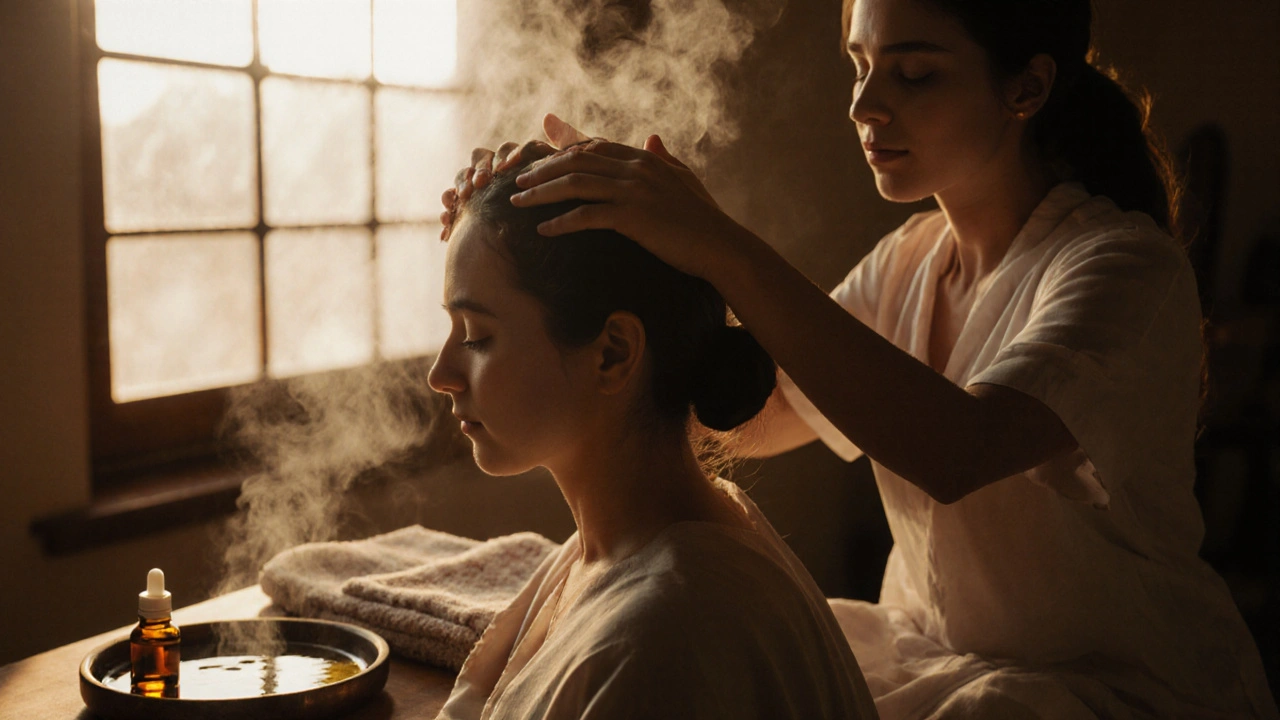
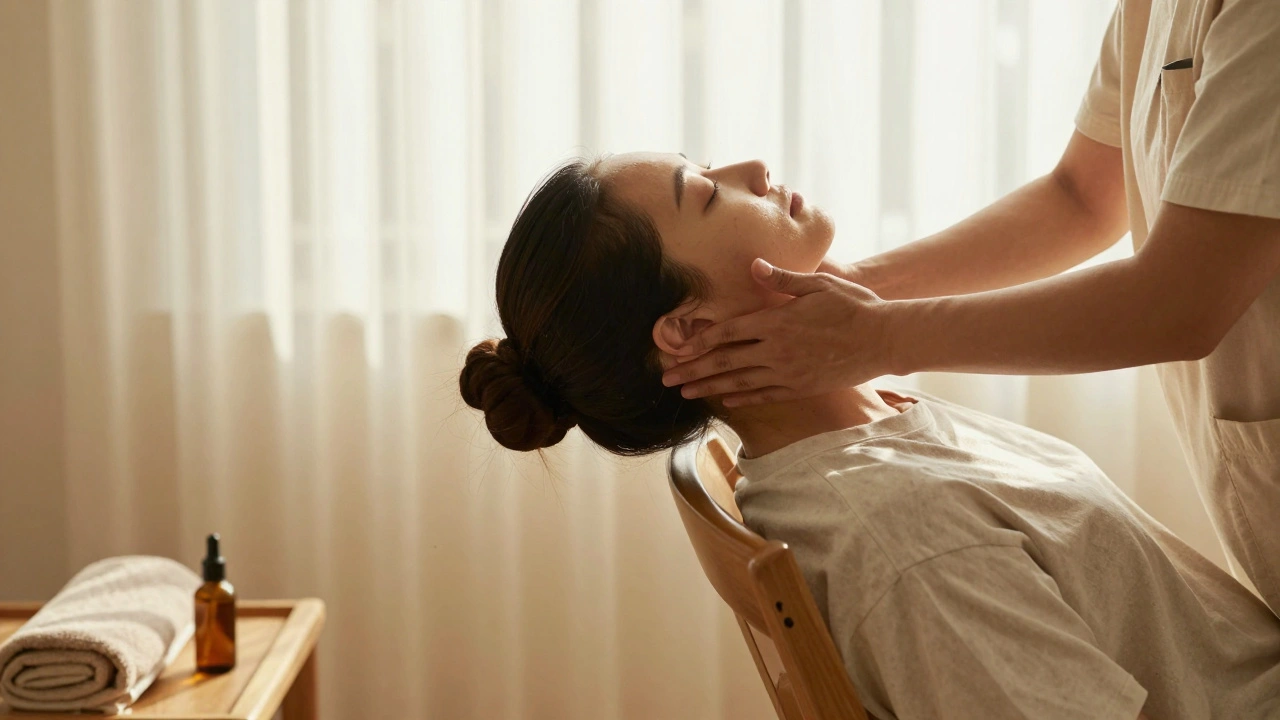
Originating from Ayurvedic traditions in India, this massage focuses on the head, neck, shoulders, and upper back. Unlike full-body massages, it doesn’t require you to undress. You stay fully clothed, usually sitting in a comfortable chair. The therapist uses their thumbs, fingers, and palms to apply pressure along pressure points, stretch the neck, and massage the scalp. It typically lasts 20 to 45 minutes.
People often report feeling calmer, less tense, and even more focused after a session. Some say it helps with headaches, sleep issues, and even hair health. That’s because the scalp has hundreds of nerve endings connected to the brain, and stimulating them can trigger deep relaxation.
What to Wear
You don’t need special clothes. Just wear something loose and comfortable. A cotton top or t-shirt works best. Avoid tight collars, heavy jewelry, or anything that might dig into your neck or shoulders. If you have long hair, tie it up in a loose bun or ponytail. This keeps it out of the way so the therapist can access your scalp and neck more easily.
Many people assume they need to remove makeup or wash their hair beforehand. That’s not necessary. In fact, having slightly oily hair can be helpful-it gives the therapist better grip during the massage. If your hair is very greasy or has heavy styling products, a quick rinse without shampoo is fine. But don’t wash it right before. Natural oils help the massage feel smoother.
When to Schedule Your Session
Timing matters more than you think. Avoid scheduling your massage right after a heavy meal. Your body is busy digesting, and that can make you feel sluggish or even nauseous during the massage. Aim for at least 90 minutes after eating.
Also, avoid caffeine right before. Coffee, energy drinks, or strong tea can make you feel jittery, which fights against the calming effect of the massage. If you’re used to morning coffee, wait until after your session. Same goes for alcohol-don’t drink the night before or the day of. You want your nervous system calm and responsive.
What to Bring (Nothing, Really)
You don’t need to bring anything. Most places provide a clean towel, a neck pillow, and massage oil. If you’re going to a spa or salon, they’ll have everything ready. But if you’re getting a home massage or visiting a therapist for the first time, it’s smart to ask ahead. Some therapists use sesame, coconut, or almond oil. If you have sensitive skin or allergies, mention it when you book.
Some people like to bring their own essential oils-lavender for relaxation, peppermint for headaches. That’s fine, but only if you’re sure it won’t irritate your skin. Let the therapist know beforehand. They might have better options already on hand.
How to Get Mentally Ready
Physical prep is easy. Mental prep takes a little more attention.
Turn off your phone. Seriously. Even if you think you’ll just check one message, that tiny vibration can break your focus. Put it on silent and leave it in your bag or pocket. If you’re anxious about missing something, tell a friend or family member you’ll be offline for 30 minutes.
Take three slow breaths before the massage starts. In through your nose, hold for two seconds, out through your mouth. Do it again. This tells your body: I’m safe. I’m relaxing. It’s a small trick, but it works.
Let go of expectations. You don’t need to "feel" anything dramatic. Some people feel warmth, tingling, or deep calm. Others just feel sleepy. All of that is normal. There’s no "right" way to feel.
What Happens During the Massage
Most sessions follow a pattern:
- Light pressure on the shoulders and upper back to release tension
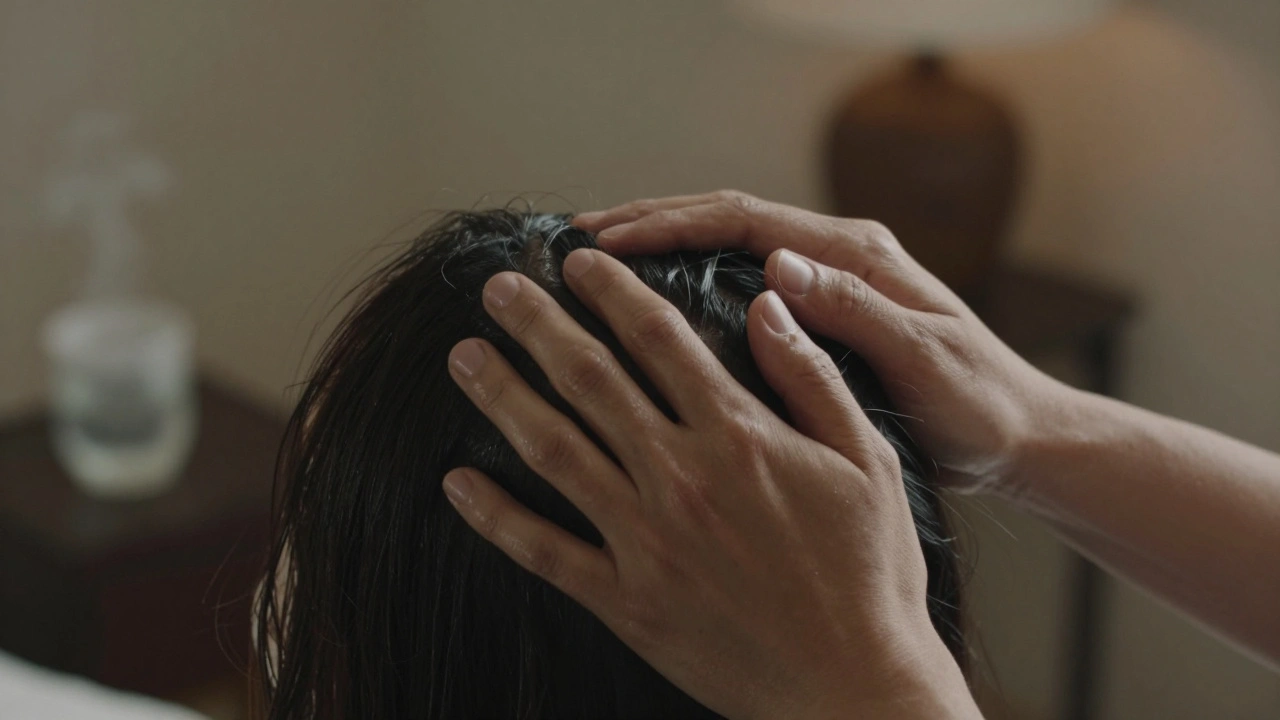
- Slow circular motions on the scalp using the pads of the fingers
- Gentle stretching of the neck and jaw
- Pressure points around the forehead, temples, and behind the ears
- Final light strokes to soothe the scalp
The pressure should never hurt. If it does, speak up. A good therapist will adjust immediately. This isn’t a deep tissue massage. It’s about rhythm, not force.
Some therapists use warm oil. Others use dry techniques. Both are effective. Oil helps with glide and can nourish the scalp. Dry massage is great if you’re sensitive to oils or want a quicker session.
What to Do After
Don’t rush out. Take five minutes to sit quietly. Drink a glass of water. Your body is releasing tension and toxins, and hydration helps flush them out.
Avoid screens for at least 15 minutes. The last thing you want is to jump back into scrolling or working. Let your mind settle. If you can, take a short walk outside. Natural light and fresh air help anchor the calm you just created.
Some people feel sleepy after. That’s normal. Others feel energized. Either way, don’t plan anything demanding right after. No meetings, no driving long distances, no heavy tasks. Give yourself space to absorb the effects.
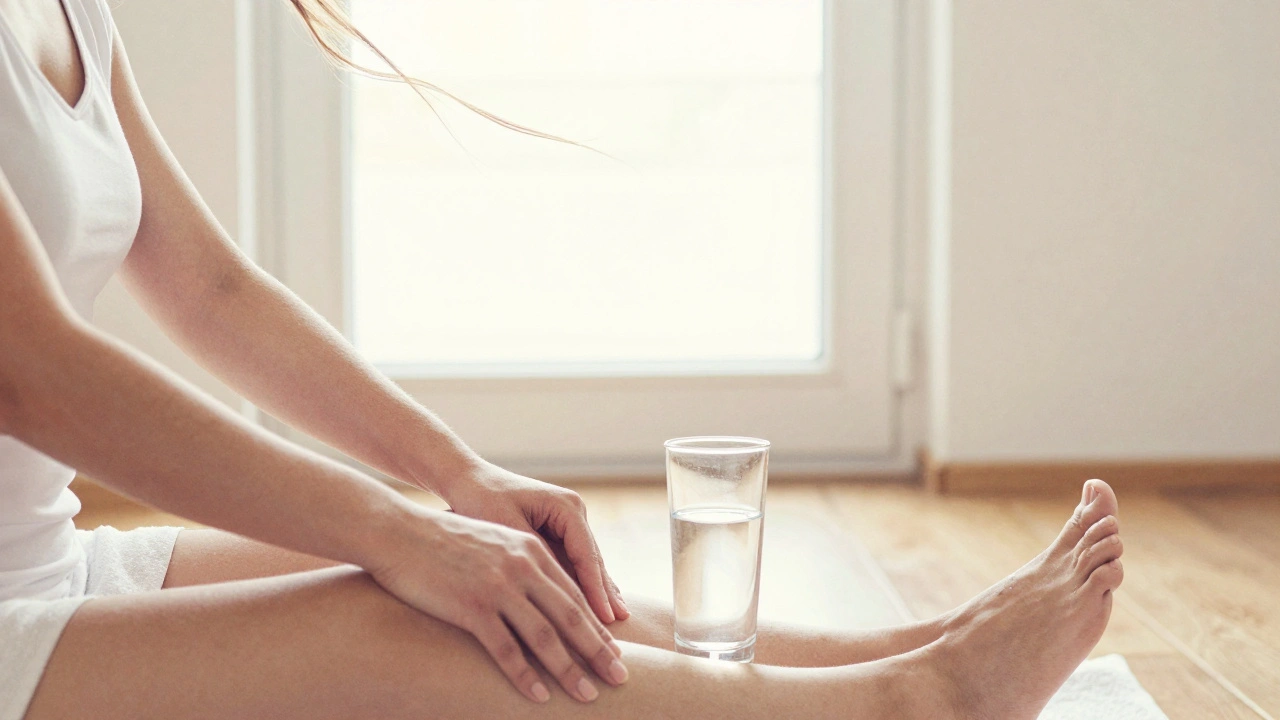
Who Should Avoid This Massage
Indian head massage is safe for most people. But there are exceptions:
- If you have a scalp infection, open sores, or recent burns
- If you’ve had a head injury or concussion in the last 6 weeks
- If you have severe osteoporosis or neck vertebrae issues
- If you’re pregnant and haven’t had a massage before
If you’re unsure, check with your doctor. It’s always better to be safe.
How Often Should You Get It?
Once a week is ideal if you’re stressed, have frequent headaches, or sit at a desk all day. Twice a month works for maintenance. Some people do it once a month as a self-care ritual.
If you want to try it at home, you can. Use a few drops of warm coconut or almond oil. Massage your scalp in small circles for 5-10 minutes before bed. It’s not the same as a professional session, but it’s a great start.
Common Mistakes People Make
- Washing hair right before-too clean = less grip for the therapist
- Wearing tight clothes or jewelry-makes it harder to relax
- Expecting instant results-this works over time, not in one session
- Skipping aftercare-drinking water and resting boosts the benefits
The biggest mistake? Thinking you need to be perfect. You don’t. Just show up. Let go. Let your head be touched.
Do I need to wash my hair before an Indian head massage?
No, you don’t need to wash your hair. Slightly oily hair actually helps the therapist get a better grip. Washing it right before can strip natural oils and make the massage less effective. A quick rinse without shampoo is fine if your hair is very greasy, but avoid a full wash.
Can I get an Indian head massage if I have long hair?
Yes, long hair is not a problem. In fact, many people with long hair get this massage regularly. Just tie it into a loose bun or ponytail before the session. The therapist will work around it and still reach all the pressure points on your scalp and neck.
Is Indian head massage good for hair growth?
It can help. Massaging the scalp increases blood flow, which delivers more oxygen and nutrients to hair follicles. Many people notice less shedding and stronger hair after regular sessions. But it’s not a miracle cure-pair it with a healthy diet and good scalp hygiene for the best results.
How long does an Indian head massage usually last?
Most sessions last between 20 and 45 minutes. A 20-minute session focuses on the scalp and neck. A 45-minute session includes shoulders and upper back. Choose based on your time and needs. Even 10 minutes of self-massage at home can make a difference.
Can I do Indian head massage on myself?
Absolutely. Use a few drops of warm oil and massage your scalp in small circles with your fingertips for 5-10 minutes. Focus on the temples, crown, and back of the head. Do it before bed to help with sleep. It’s not as deep as a professional session, but it’s a great daily habit.