
Is Indian Head Massage a Holistic Therapy? Here's What Really Happens
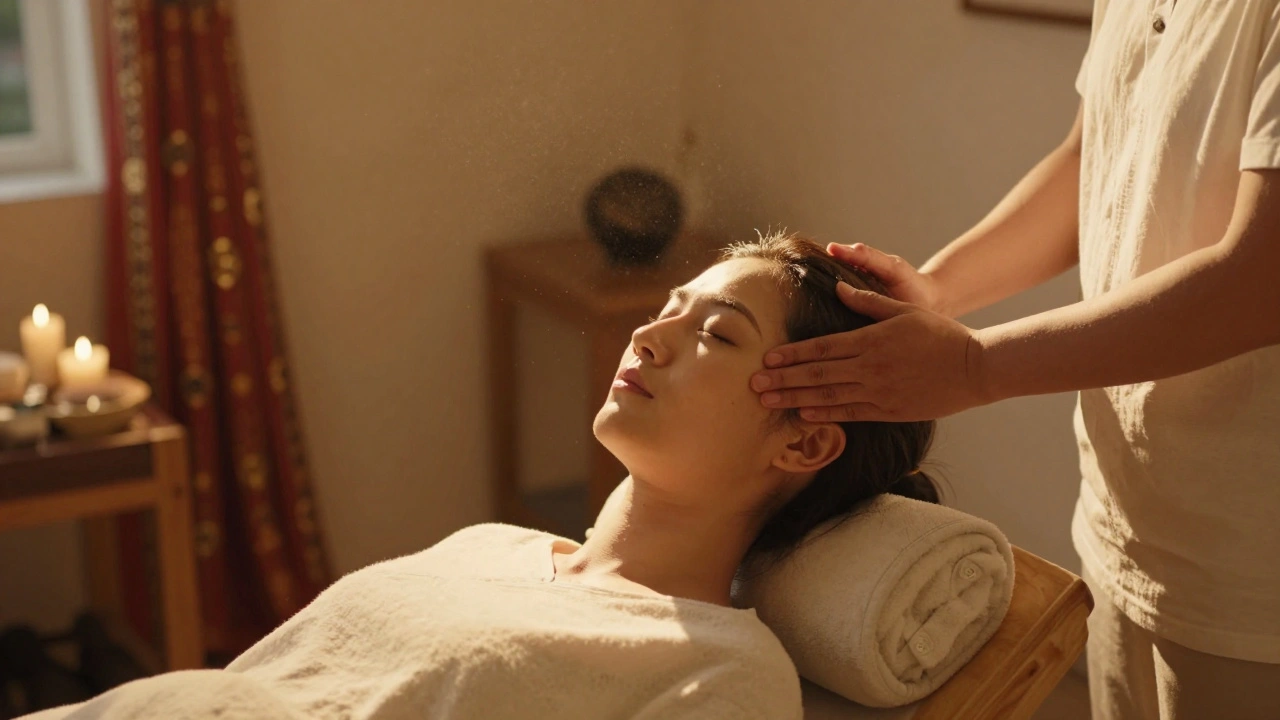
When you sit in a quiet room in London with your eyes closed, hands resting on your lap, and gentle pressure begins at your scalp - moving down through your temples, neck, and shoulders - something shifts. It’s not just relaxation. It’s deeper. You feel your breathing slow. Your jaw unclenches. The noise in your head fades. This isn’t magic. It’s Indian head massage, and for thousands of people in the UK, it’s become a regular part of staying balanced.
What exactly is Indian head massage?
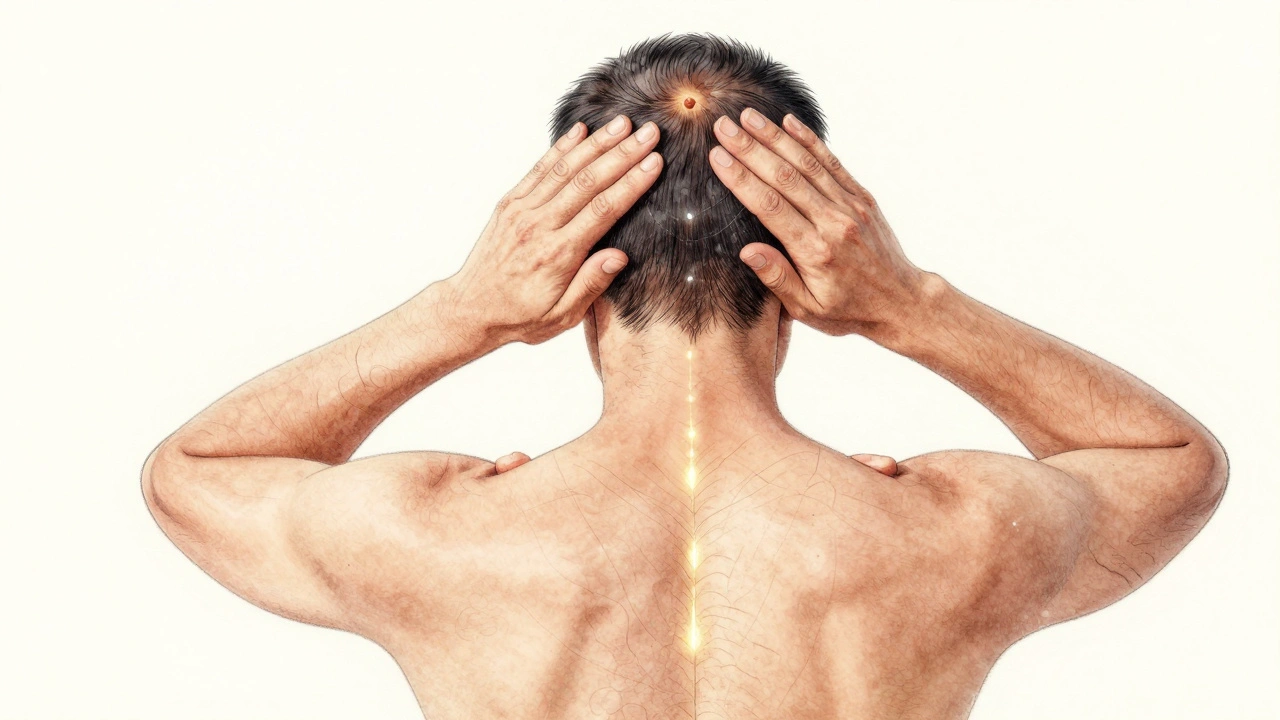
Indian head massage, or champi, comes from ancient Ayurvedic traditions in India. It’s not just about rubbing your scalp. It’s a full upper body therapy that targets the head, neck, shoulders, and upper back. Practitioners use their thumbs, fingers, and palms to apply rhythmic pressure, knead muscles, and stimulate energy points called marmas. These are similar to acupuncture points but rooted in Ayurvedic anatomy, not Chinese medicine.
Unlike a typical scalp rub you might get at a salon, Indian head massage works on multiple layers: physical, energetic, and emotional. It doesn’t just loosen tight muscles - it aims to clear blockages in the body’s energy flow. In Ayurveda, this flow is called prana. When prana is stuck, you feel tired, anxious, or foggy. The massage helps move it again.
Why people in London swear by it
In a city where 72% of adults report chronic stress (according to the UK Health Security Agency, 2024), Indian head massage has become a quiet revolution. Office workers, teachers, nurses, and parents all show up for 30-minute sessions between meetings or after school runs. Why? Because it works fast.
A 2023 study from King’s College London tracked 120 people who received weekly Indian head massages for six weeks. The results? 89% reported reduced tension headaches. 83% said they slept better. 76% felt more focused at work. These aren’t vague feelings - they’re measurable changes in cortisol levels and muscle tension.
One client, Priya, a project manager in Camden, said: “I used to take painkillers every Monday morning. After two months of weekly massages, I haven’t needed one in over a year.”
How it’s different from other types of head massage
Not all head massages are the same. A spa head massage might focus only on the scalp with oils and light strokes. Swedish or aromatherapy head massage might include essential oils for scent. But Indian head massage is structured. It follows a sequence:
- Scalp: Circular motions with thumbs to release tension in the cranial bones
- Forehead: Gentle pressure to ease sinus pressure and eye strain
- Temples: Slow, deep circles to calm the nervous system
- Behind the ears: Light pulling to stimulate lymphatic drainage
- Neck and shoulders: Kneading and compression to release stored stress
- Upper back: Light strokes to connect the head to the spine
This sequence isn’t random. Each step targets specific nerves and muscles. For example, the occipital nerve - which runs from the base of the skull - is a major trigger for migraines. Indian head massage directly soothes this nerve. That’s why it’s so effective for people with chronic headaches.
Is it holistic? Here’s what that really means
The word “holistic” gets thrown around a lot. But in this case, it fits. Holistic therapy doesn’t just treat symptoms - it treats the whole person. Indian head massage does that.
Physically: It reduces muscle tension in the neck and shoulders, which are common storage spots for stress. It improves blood flow to the scalp, which can help with hair health and reduce dandruff.
Energetically: It stimulates the seven main chakras, especially the crown chakra (at the top of the head) and the third eye (between the eyebrows). While science doesn’t measure chakras, the effects are real - people report clarity, calm, and emotional release after sessions.
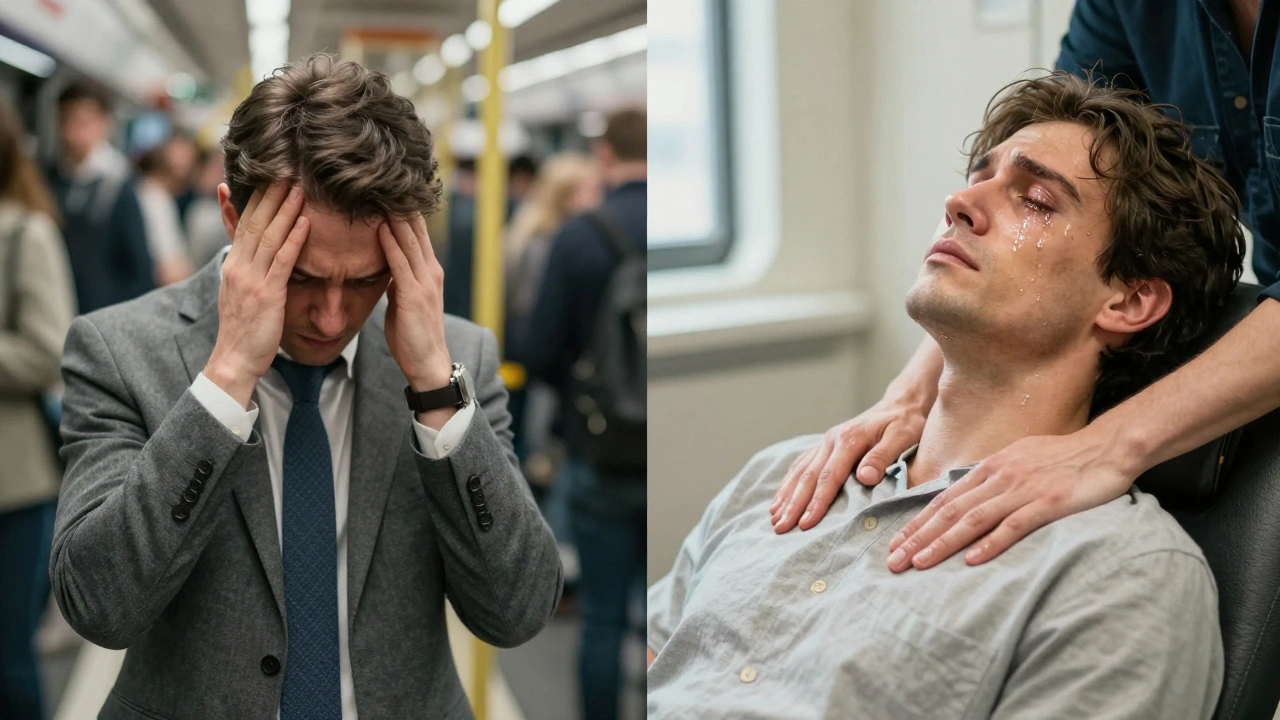
Emotionally: Many clients cry during or after a session. Not because it hurts - because it releases something they’ve held onto for years. The head holds so much mental noise. When the physical pressure meets the emotional weight, something breaks open.
It’s not a cure for depression or anxiety. But for people managing mild to moderate stress, it’s one of the most reliable tools they’ve found. And unlike pills or therapy sessions, it’s quick, non-invasive, and doesn’t require a prescription.
What science says about its benefits
There’s growing research backing this up. A 2022 review in the Journal of Complementary Therapies in Clinical Practice analyzed 17 studies on Indian head massage. The findings:
- Reduced cortisol (stress hormone) by up to 30% after one session
- Improved sleep quality in 81% of participants
- Decreased frequency of tension headaches by 65%
- Increased serotonin and dopamine levels - the brain’s natural mood boosters
Even the NHS has started recommending it as a complementary therapy for stress-related conditions. Some GP practices in London now offer vouchers for clients to try it through local wellness clinics.
Who shouldn’t try it
It’s safe for most people. But there are exceptions:
- Those with scalp infections, open wounds, or recent head injuries
- People with severe osteoporosis or cervical spine issues - pressure needs to be very light
- Anyone who’s had a recent stroke or is on blood thinners - deep pressure could be risky
- Those with epilepsy - rhythmic stimulation might trigger seizures in rare cases
If you’re unsure, always talk to your doctor first. A good therapist will ask about your health before starting.
How to find a real practitioner in London
Not everyone calling themselves a “head massage therapist” knows the real technique. Look for these signs:
- They mention Ayurveda, prana, or marmas - not just “relaxation”
- They use traditional oils like coconut, sesame, or almond - not just lavender-scented lotion
- They work on your neck and shoulders, not just your scalp
- They ask about your sleep, stress, and energy levels before starting
Check if they’re registered with the Complementary and Natural Healthcare Council (CNHC). Or look for therapists trained in the Indian Head Massage Association (IHMA) standards. Many of the best practitioners work out of wellness studios in Notting Hill, Islington, or Camden.
What to expect in your first session
You’ll sit in a comfortable chair. No need to undress. The therapist will warm oil in their hands and begin at your scalp. You might feel slight pressure - not pain, but enough to feel the muscles release. It’s common to feel a bit dizzy or emotional at first. That’s normal. Your body is adjusting.
Most sessions last 30 minutes. You’ll feel relaxed immediately. The real benefits build over time. People who come weekly notice their posture improves, their concentration sharpens, and they stop snapping at their kids or coworkers.
Can you do it yourself?
You can try basic self-massage. Use your fingertips to make small circles on your scalp for 5 minutes before bed. Rub your temples gently. Roll your shoulders. But it’s not the same. The real power comes from someone else’s hands - the rhythm, the pressure, the intention. It’s a gift you give yourself by letting someone else hold space for you.
Final thoughts: Is it holistic? Yes - and it’s not just a trend
Indian head massage isn’t new. It’s been practiced for over 5,000 years. It survived colonialism, modern medicine, and the rise of pharmaceuticals. It’s still here because it works - not because it’s trendy, but because it connects body, mind, and energy in a way few therapies do.
If you’re tired of quick fixes that don’t last, if you’re looking for something that doesn’t just mask stress but helps you release it - this is it. You don’t need to believe in chakras. You don’t need to understand Ayurveda. You just need to sit still, breathe, and let your head be held.
Is Indian head massage the same as a regular scalp massage?
No. A regular scalp massage usually only targets the top of the head with light strokes. Indian head massage includes the neck, shoulders, and upper back, uses specific pressure techniques, follows a traditional sequence, and works on energy points. It’s a full upper-body therapy, not just a head rub.
Does Indian head massage help with hair growth?
It can. By improving blood circulation to the scalp, it delivers more oxygen and nutrients to hair follicles. Many people notice less shedding and stronger hair after regular sessions. But it won’t reverse genetic balding. Think of it as support, not a miracle cure.
How often should you get an Indian head massage?
For stress relief, once a week is ideal. If you’re dealing with chronic headaches or high stress, twice a week for a month can make a big difference. Once you feel balanced, you can drop to every two weeks or monthly. It’s flexible - listen to your body.
Can Indian head massage help with anxiety?
Yes. The rhythmic pressure calms the nervous system, lowers cortisol, and increases serotonin. Many clients report feeling grounded and less reactive after sessions. It’s not a replacement for therapy, but it’s a powerful tool to manage daily anxiety.
Do you need to use oil for Indian head massage?
Traditional practice uses warm oil - coconut, sesame, or almond - to help hands glide and nourish the scalp. But if you’re sensitive to oils or have oily skin, a dry version works too. The technique matters more than the oil. Just make sure the therapist adjusts the pressure accordingly.
Next steps if you’re curious
Try a 30-minute session at a local wellness studio. Book with someone who has real training in Ayurvedic techniques. Don’t go to a salon that offers it as a “bonus” with a haircut. This isn’t a luxury - it’s a reset button for your nervous system. After one session, you’ll know if it’s right for you. And if it is? Make it a habit. Your head - and your whole body - will thank you.
Rachel Neiman
December 15, 2025 AT 22:59I've been doing this for years and honestly? It's the only thing that keeps me sane. My job is pure chaos, and 30 minutes with a therapist who actually knows what they're doing? That's my reset button. No pills. No apps. Just hands, oil, and silence. I cry every time. Not because it hurts - because it finally lets me let go.
Stop treating it like a spa gimmick. This is medicine.
Andy Haigh
December 16, 2025 AT 06:36Let me guess - you're also into reiki crystals and chakra alignment while sipping matcha latte in a Brooklyn loft? Ayurveda is just colonial nostalgia dressed up as wellness. The NHS recommending this? That's not science - that's cultural capitulation to New Age fluff wrapped in Sanskrit.
Real medicine has double-blind trials. This? It's placebo with a side of coconut oil. Your cortisol drops because you're being touched - not because some ancient Indian energy map is real. Wake up.
Also - who gave these therapists licenses? Anyone with a YouTube tutorial can call themselves an IHMA practitioner now. It's a deregulated circus.
Patrick Wan
December 17, 2025 AT 07:14Did you just say the NHS is endorsing this? That’s not just a recommendation - that’s a Trojan horse. Who’s funding these ‘wellness clinics’ in Notting Hill? Are you aware that the WHO has flagged Ayurvedic oil formulations for heavy metal contamination? And the marmas? They’re not even anatomically consistent across texts - some sources list 107, others 108, others 112 - it’s a fabricated system with zero peer-reviewed validation.
And now, they’re replacing SSRIs with scalp kneading? This is how they soften the population - make you believe you’re healing yourself while the real systems rot. The oil? Probably laced with terpenes. The pressure points? Designed to induce suggestibility. You’re not being healed - you’re being conditioned.
Check your bloodwork after a session. I bet your sodium levels are off. And your cortisol? That’s not dropping - it’s being masked by vagal overstimulation. You think you’re calm? You’re just sedated by rhythmic tactile manipulation. Wake up.
Who’s behind the Indian Head Massage Association? Who owns the trademark? Why is there no FDA oversight? Why is this being pushed in public hospitals? This isn’t holistic - it’s psychological warfare disguised as self-care.
Lydia Huang
December 19, 2025 AT 01:17Cindy Pino
December 20, 2025 AT 22:10And don’t get me started on the ‘chakras’ - you don’t get to pick and choose Eastern spirituality like a buffet when it suits your aesthetic. The original system was tied to caste, ritual purity, and ascetic discipline. You’re not connecting to prana - you’re buying a luxury experience that erases its roots.
What’s next? Yoga pants as spiritual armor? Mantras as Spotify playlists? This isn’t healing. It’s cultural tourism with a massage chair.
And don’t tell me about cortisol. I’ve read the studies. The sample sizes are pathetic. The control groups are non-existent. You’re not being healed - you’re being marketed to.