
Lymphatic Drainage Massage: Transform Your Health from the Inside Out
Ever feel swollen, tired, or just off-even after a good night’s sleep? You might not be low on caffeine. You could be low on lymph flow. The lymphatic system doesn’t have a pump like your heart, but it does have one powerful ally: manual lymphatic drainage massage. This isn’t just another spa trend. It’s a quiet, gentle therapy that’s been used for decades to help people with chronic swelling, fatigue, and even recurring infections. And it works-not because it’s magic, but because it follows the body’s own design.
What Exactly Is the Lymphatic System?
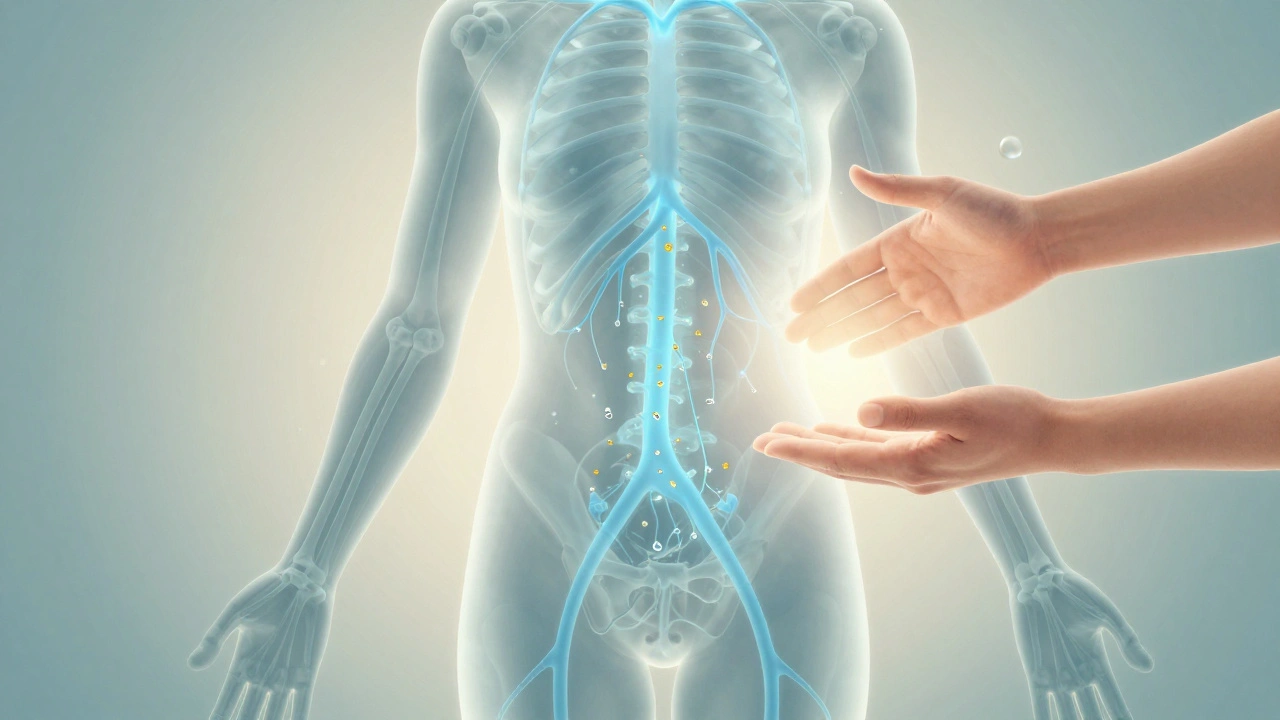
Your blood delivers oxygen and nutrients, but it doesn’t clean up the mess. That’s where the lymphatic system comes in. It’s a network of vessels, nodes, and organs that moves fluid, waste, toxins, and immune cells around your body. Think of it as your body’s sewage and security system rolled into one. Lymph fluid carries dead cells, bacteria, and excess fluid from tissues back toward the bloodstream. Along the way, lymph nodes filter it out. If this system slows down, you get puffiness, sluggish immunity, and even skin issues like acne or dullness.
Unlike blood, which gets pushed by the heart, lymph moves slowly. It relies on muscle movement, breathing, and external pressure. That’s why people who sit all day, recover from surgery, or have chronic inflammation often feel bloated or heavy. Lymphatic drainage massage helps restart that flow.
How Lymphatic Drainage Massage Works
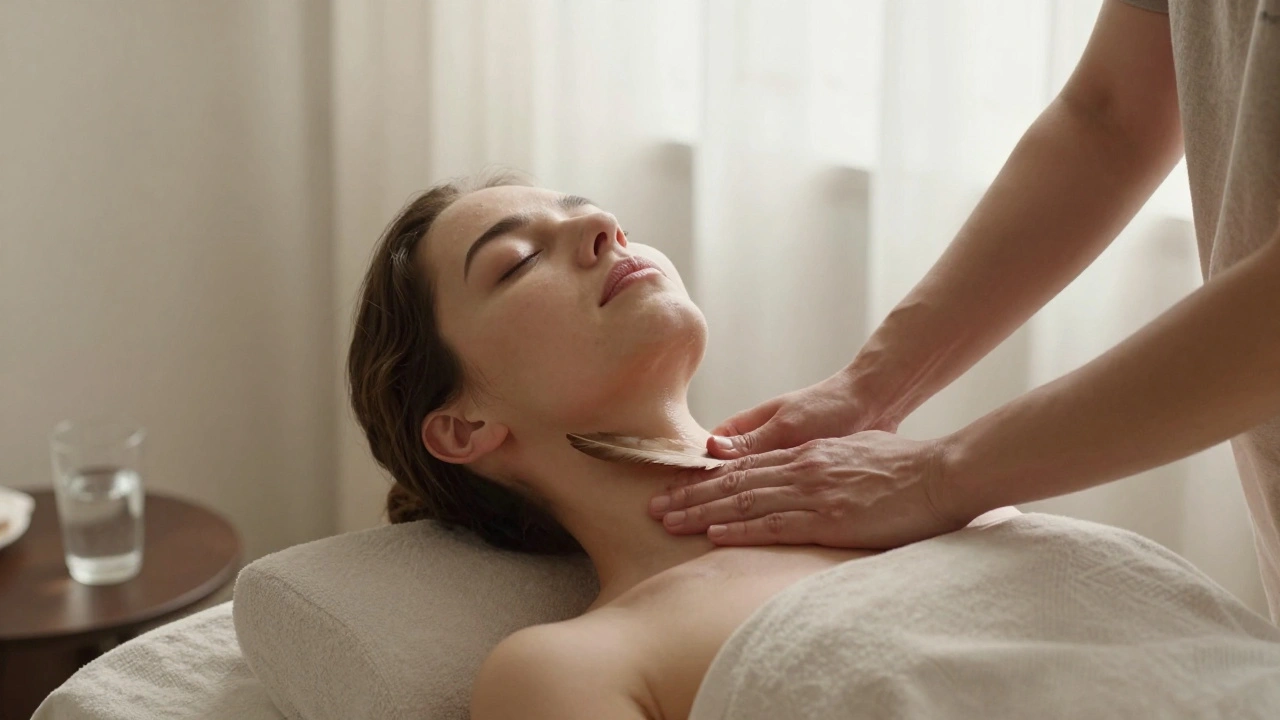
This isn’t a deep-tissue rubdown. You won’t feel pressure. You’ll feel almost nothing-until you notice the difference later. The technique uses light, rhythmic strokes, usually no more than the weight of a nickel. Therapists follow the natural pathways of lymph flow: from the extremities toward the trunk, then toward the collarbones and neck.
It starts at the neck, where the largest lymph ducts empty into the bloodstream. From there, the therapist works down the arms, across the abdomen, and down the legs-always with the grain of the lymph flow. The strokes are slow, circular, and feather-light. Sessions last 45 to 75 minutes. Most people describe it as deeply relaxing, like floating.
Why so gentle? Because the lymphatic vessels are delicate. Too much pressure collapses them. Light touch, done correctly, actually opens them up. It’s like coaxing a sleepy river to flow again.
Who Benefits Most?
You don’t need to be sick to benefit. But some groups see dramatic results:
- Post-surgery patients-especially after breast cancer surgery, liposuction, or facial procedures. Swelling can last months without lymphatic support.
- People with chronic edema-swelling in legs, ankles, or hands from standing too long, pregnancy, or lymphedema.
- Those with recurring sinus infections or colds-a sluggish lymph system means slower immune response.
- People with fibromyalgia or chronic fatigue-many report better sleep and less brain fog after regular sessions.
- Anyone with dull skin or puffiness around the eyes-lymphatic drainage helps flush toxins that cause puffiness and lack of glow.
A 2021 study in the Journal of Clinical Lymphology tracked 87 people with post-surgical swelling. After six weekly sessions of lymphatic drainage, 82% saw a 40% or greater reduction in limb volume. No drugs. No compression garments. Just hands.
What You Can Expect After a Session
Right after? You’ll feel calm. Maybe even sleepy. That’s normal. Your body is redirecting energy toward repair.
Within 24 hours, many notice:
- Less puffiness around the eyes or face
- Softer, less tight skin
- Better digestion (lymph flows through the gut)
- Reduced joint stiffness
- Clearer thinking
Some people report needing to use the bathroom more often. That’s your body flushing out the waste it’s been holding. Drink water. It helps.
One woman in her late 40s, a teacher in London, came in after years of morning facial swelling. She’d tried everything-sleeping with extra pillows, cutting salt, drinking lemon water. Nothing stuck. After four sessions, she stopped using concealer. "I didn’t realize how much I was hiding," she said. "Now I just look... normal."
What It Doesn’t Do
Let’s clear up the myths:
- It doesn’t "detox" you-your liver and kidneys handle toxins. Lymphatic massage just helps move fluid so they can do their job better.
- It won’t make you lose weight-it reduces water retention, not fat. If you’re hoping to shed pounds, this isn’t a substitute for diet or exercise.
- It’s not a cure-all-it’s a supportive therapy. Works best with movement, hydration, and sleep.
Some clinics promise miracles. Don’t fall for it. Real lymphatic drainage is subtle, science-backed, and slow-acting. The results build over weeks.
How Often Should You Get It?
It depends on your goal.
- For acute swelling (after surgery or injury): 2-3 times a week for 2-4 weeks.
- For chronic issues (lymphedema, fatigue): once a week, then taper to every 2-4 weeks.
- For maintenance (glow, sleep, digestion): once a month.
Many people start with a series of five sessions and then decide. One session won’t change your life. But five? That’s when the body starts to remember how to move.
Can You Do It Yourself?
You can learn basic moves. But don’t expect professional results.
Simple self-massage tips:
- Start at the neck-gently stroke down toward the collarbone.
- Use your fingertips, not your knuckles.
- Stroke slowly, 2-3 seconds per movement.
- Always move toward the heart.
- Do it in the morning, before you eat or drink.
Apps and videos can help. But if you have serious swelling, cancer history, or active infection, skip self-massage. See a trained therapist.
What to Look for in a Therapist
Not all massage therapists are trained in lymphatic drainage. Look for:
- Certification in Vodder or Foldi technique
- Background in physiotherapy or oncology rehab
- Experience with post-surgical clients
- Use of light pressure-no deep tissue, no oil-heavy massage
In London, clinics like the Lymphatic Care Centre and the London Wellness Clinic offer certified sessions. Ask about their training. A good therapist will explain the flow, not just give you a "relaxing massage."
When to Avoid It
There are red flags:
- Active infection (fever, flu, cellulitis)
- Untreated cancer (unless cleared by your oncologist)
- Heart failure or severe kidney disease
- Deep vein thrombosis (DVT)
If you’re unsure, talk to your doctor. A simple blood test can rule out serious issues.
Pair It With These Habits
Lymphatic drainage works better with lifestyle support:
- Hydrate-drink at least 1.5L of water daily. Lymph is mostly water.
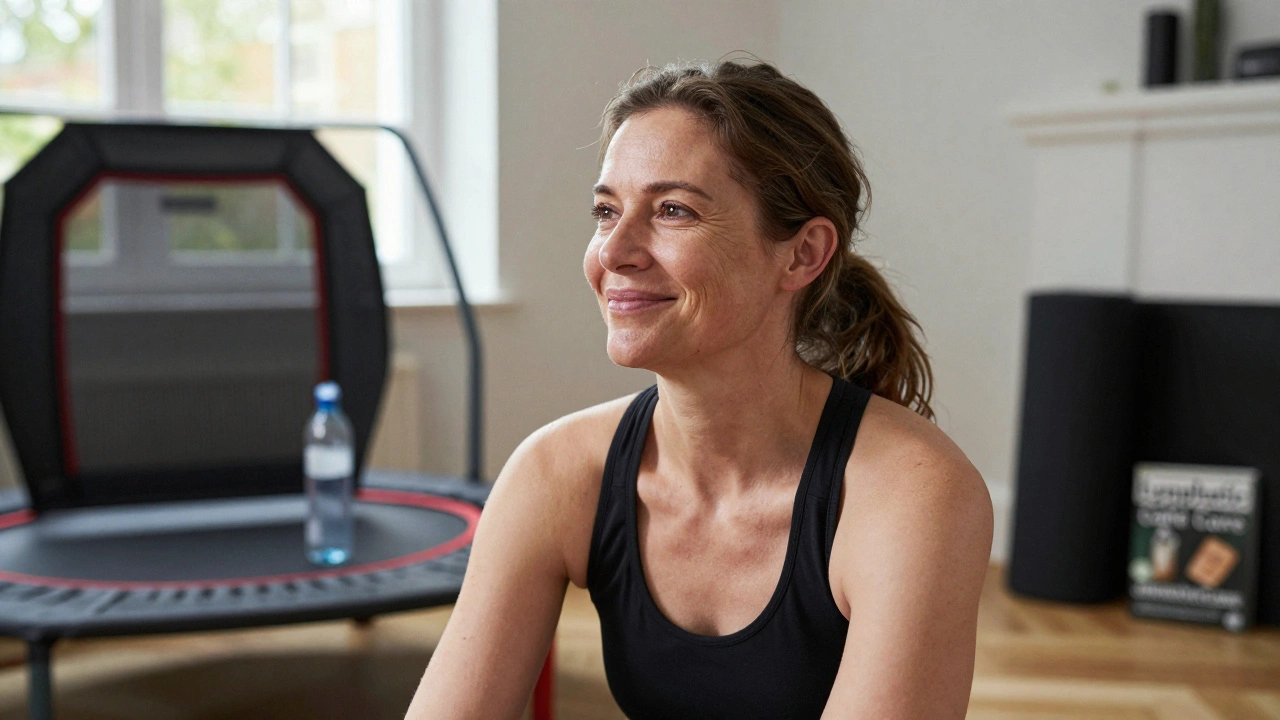
- Movement-walk 20 minutes a day. Even gentle bouncing on a rebounder helps.
- Deep breathing-inhale through the nose, exhale slowly. It massages the thoracic duct.
- Reduce salt-excess sodium pulls fluid into tissues.
- Sleep on your back-side sleeping can compress lymph vessels in the neck.
One man in his 50s, recovering from lymph node removal, started doing 10 minutes of rebounding each morning. After six weeks, his swelling dropped by 60%. "I didn’t think bouncing on a mini-trampoline would help," he said. "But it did."
Is lymphatic drainage massage painful?
No, it shouldn’t be. The strokes are extremely light-lighter than a feather. If you feel pressure, discomfort, or pain, the therapist is using too much force. Lymphatic vessels are fragile. The technique relies on gentle stimulation, not force. You should feel relaxed, not strained.
How soon will I see results?
Some people feel less puffiness after one session, especially around the eyes or face. For deeper issues like chronic swelling or immune sluggishness, it takes 3-5 sessions to notice real change. Think of it like training a muscle-it takes repetition to retrain your body’s flow.
Can lymphatic drainage help with acne?
It can, indirectly. When lymph fluid backs up in the skin, it can trap toxins and bacteria, contributing to breakouts. By improving drainage, especially around the jawline and chin, many people see fewer breakouts. It’s not a direct treatment for acne, but it supports skin health by reducing inflammation and improving circulation.
Is it safe after breast cancer surgery?
Yes, when done by a certified therapist trained in oncology lymphatic care. In fact, it’s often recommended to prevent or manage lymphedema after lymph node removal. Always get clearance from your oncologist first. A qualified therapist will avoid direct pressure on surgical sites and use modified techniques.
Do I need to undress for a lymphatic drainage massage?
You’ll be covered with a drape, and only the area being worked on will be exposed. Most sessions focus on the neck, arms, abdomen, and legs. You can wear comfortable underwear or a swimsuit. The therapist will ensure privacy and modesty at all times. This isn’t a sensual massage-it’s clinical in approach.