
Rejuvenate Your Senses with Thai Massage in London
Ever feel like your body is running on autopilot? Your shoulders are tight from staring at screens, your mind won’t switch off, and you’ve forgotten what it feels like to breathe deeply without thinking about it? If you’ve tried stretching, yoga, or even a regular Swedish massage and still feel drained, it might be time to try something that doesn’t just relax your muscles-it rewires your whole system. That’s where Thai massage comes in.
Unlike other massages that focus on kneading soft tissue, Thai massage is a full-body experience that combines acupressure, assisted yoga postures, and deep stretching. It’s not just a treatment; it’s a ritual that dates back over 2,500 years to ancient Thailand. And right here in London, you can find authentic sessions that stay true to its roots-not the watered-down versions you get in some hotel spas.
What Makes Thai Massage Different?
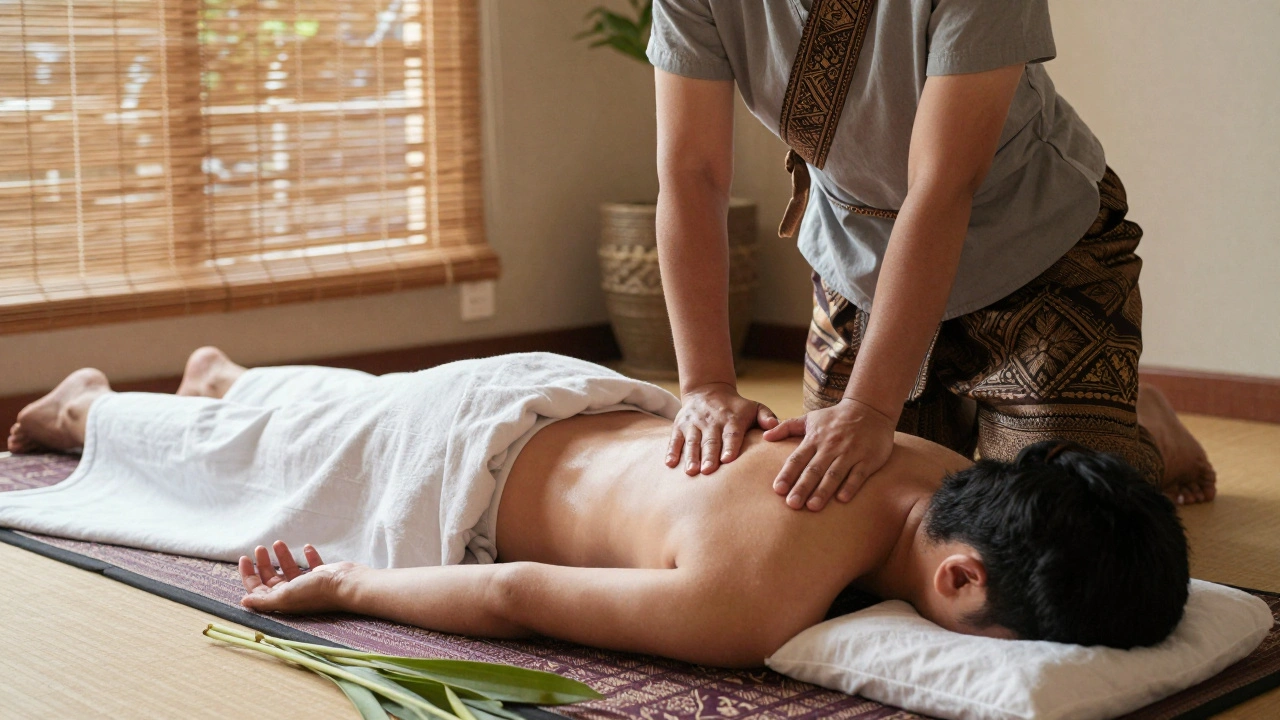
Most massages are passive-you lie still while someone works on you. Thai massage is active. You wear loose, comfortable clothing. No oils. No undressing. The therapist uses their hands, thumbs, elbows, knees, and even feet to guide your body through a series of stretches and pressure points. It feels like a mix between a yoga class and a deep tissue session, but without the need to do any of the work yourself.
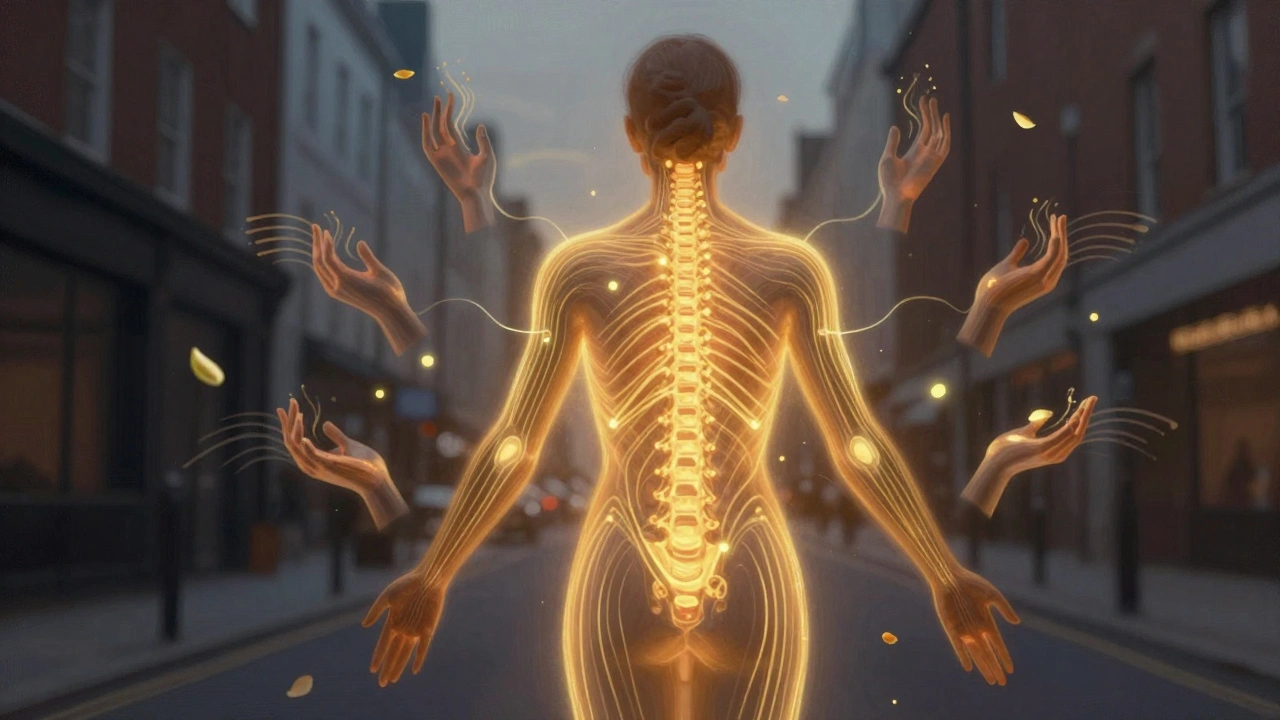
The technique targets the body’s ten energy lines, called sen lines, which are similar to meridians in traditional Chinese medicine. By applying rhythmic pressure along these lines, the therapist helps release blockages that cause tension, fatigue, and even emotional stagnation. It’s not about hitting knots-it’s about restoring flow.
Studies from the Journal of Bodywork and Movement Therapies show that people who received regular Thai massage reported a 37% reduction in perceived stress levels after just six sessions. That’s not placebo. That’s measurable change.
Why London Is a Secret Hub for Authentic Thai Massage
London has one of the largest Thai communities in Europe. You’ll find family-run studios in Camden, Soho, and Peckham where therapists trained in Chiang Mai or Bangkok run their clinics. These aren’t franchises. These are people who grew up learning massage from their grandparents or spent years apprenticing under masters in Thailand.
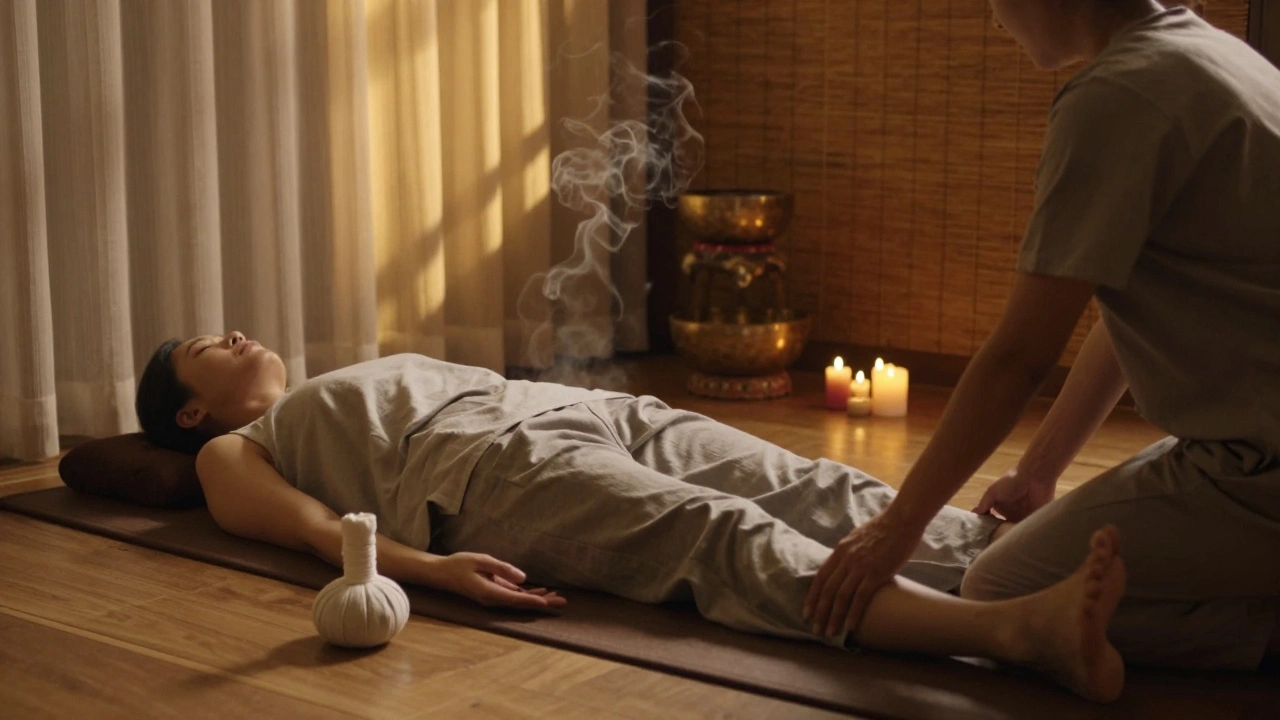
At places like Wat Pho Thai Massage in Islington or Thai Healing Sanctuary in Brixton, sessions follow the traditional structure: a 90-minute treatment begins with a gentle warm-up, moves into deep stretches for the legs and back, then focuses on the shoulders, neck, and head. The therapist moves with intention-not speed. There’s no rush. No playlist of ambient music playing too loud. Just quiet breathing, the soft sound of hands pressing into skin, and the occasional whisper of “breathe out” when you’re holding tension.
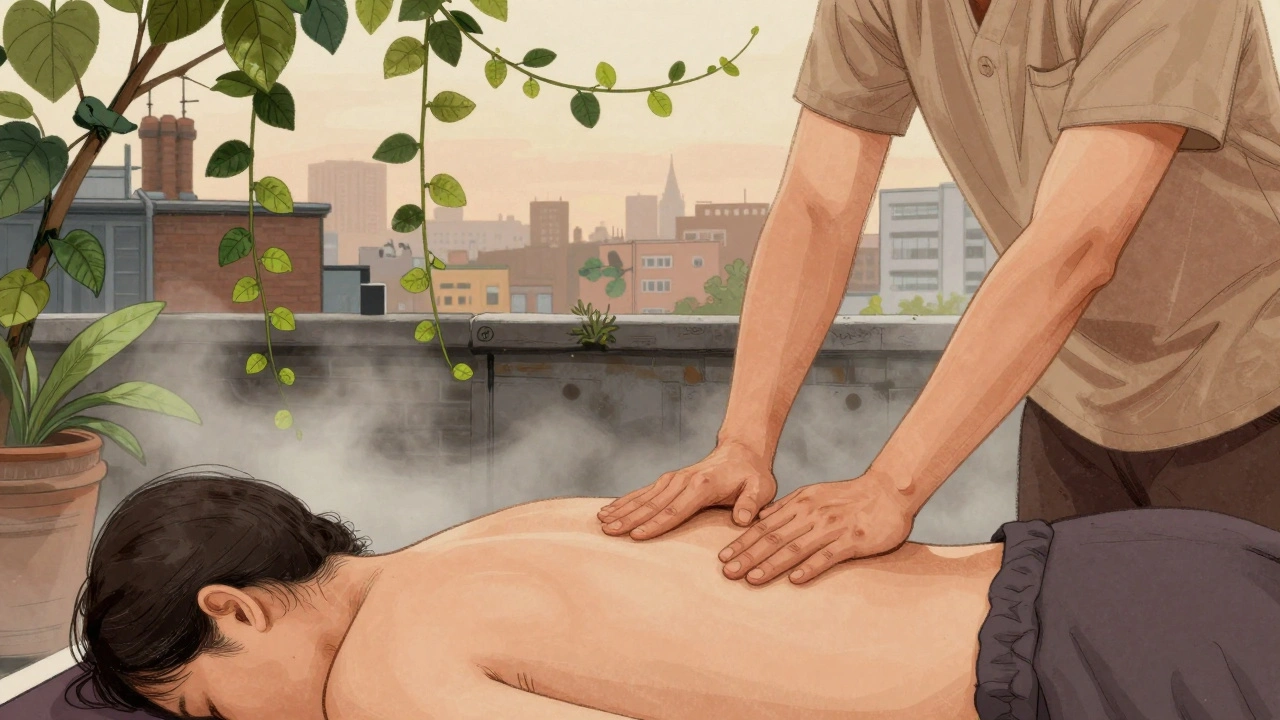
Some places even offer outdoor sessions in hidden courtyards or rooftop gardens, where the scent of lemongrass and kaffir lime leaves drifts through the air. It’s not just therapy-it’s sensory immersion.
What You’ll Actually Feel During and After
During the session, you might feel intense pressure-sometimes uncomfortable, sometimes surprisingly pleasant. It’s not supposed to hurt, but it’s not supposed to be easy either. You’ll feel your hips open, your spine lengthen, your jaw unclench. A lot of people gasp or laugh unexpectedly. That’s normal. Your body is releasing tension it didn’t even know it was holding.
Right after, you’ll feel light. Not sleepy, not zoned out-light. Like you’ve shed a coat you didn’t realize you were wearing. Your breathing slows naturally. Your eyes feel clearer. You might notice you’re standing taller. That’s the energy lines opening up.
Most people report improved sleep the next night. Better digestion. Less neck pain. One client, a London delivery driver who’d been suffering from chronic lower back pain for five years, said after three sessions: “I didn’t know I could bend over to tie my shoes without wincing.”
Who It’s For (And Who Should Skip It)
Thai massage isn’t for everyone-but it’s for more people than you think.
Great for:
- Office workers with stiff necks and rounded shoulders
- Runners or cyclists with tight hamstrings and hips
- People with anxiety who struggle to relax
- Anyone who’s tried other massages and felt like they didn’t go deep enough
Not recommended if you have:
- Recent fractures or severe osteoporosis
- Active blood clots or deep vein thrombosis
- Severe disc herniation with nerve damage
- Are pregnant without prior experience-some positions can be too intense
If you’re unsure, talk to your therapist. Good ones will ask about your health history before you even lie down. They’ll adjust pressure, skip stretches, or modify the session to fit your body. This isn’t a one-size-fits-all treatment.
How to Find the Real Deal in London
Not every place calling itself “Thai massage” is authentic. Some use the name to charge more for a regular Swedish massage with a few stretches thrown in.
Here’s how to spot the real thing:
- Look for therapists who mention their training in Thailand-specific schools like Wat Pho or Chiang Mai University are a good sign.
- Check if they use a mat on the floor, not a massage table. Traditional Thai massage is done on a padded floor mat.
- They won’t use oils or lotions. You’ll be in loose cotton pants and a t-shirt.
- The session lasts at least 90 minutes. Anything shorter is usually a cut-down version.
- They’ll ask about your energy, not just your pain. “Do you feel heavy in your chest?” or “Where do you hold your stress?” are common questions.
Book with places that have reviews mentioning “felt like I was in Thailand” or “my body didn’t know how to relax until this.” Avoid places with overly glossy websites and stock photos of people in sarongs drinking tea.
How Often Should You Go?
There’s no rule. But most people who start feeling the difference go every two to four weeks. Think of it like brushing your teeth-not a one-time fix, but a habit that keeps your system running smoothly.
If you’re recovering from injury or dealing with high stress, weekly sessions for a month can be transformative. After that, you can scale back. One woman in Hackney, a teacher with chronic migraines, started going weekly during exam season. After three months, she cut it to every three weeks-and her headaches dropped from 12 a month to two.
What to Expect on Your First Visit
Arrive 10 minutes early. Drink water. Don’t eat a heavy meal right before. You’ll be asked to change into provided clothing. The therapist will explain the flow of the session. They might ask you to rate your tension on a scale of 1 to 10. Don’t hold back. They’re not judging you-they’ve seen it all.
During the massage, don’t worry about being “good” at it. If you need to shift, cough, or laugh, go ahead. The therapist will pause and wait. This isn’t performance. It’s restoration.
Afterward, take it slow. Don’t jump into a meeting or a run. Sit quietly. Sip warm water. Let your body settle. Many people say they feel more connected to their own body after the first session. That’s the real gift.
Why Thai Massage Isn’t Just a Trend-It’s a Reset Button
In a city that never sleeps, Thai massage gives you permission to stop. Not to nap. Not to scroll. To just be. To feel your breath. To notice how your body moves when it’s not trying to hold itself together.
It’s not magic. But it’s science. It’s tradition. It’s the kind of healing that doesn’t come in a pill or an app. It comes from human hands, patient rhythm, and a system that’s been refined over centuries.
If you’ve been looking for a way to truly recharge-not just rest-this might be the answer you’ve been walking past without seeing.
Is Thai massage painful?
It can feel intense, especially if you’re tight, but it shouldn’t hurt. A good therapist will check in with you and adjust pressure. If you’re wincing or holding your breath, speak up. The goal is release, not punishment.
Do I need to be flexible to try Thai massage?
No. Thai massage is for all body types and flexibility levels. The therapist moves you gently into stretches based on what your body allows. You don’t need to touch your toes. You just need to show up.
How much does Thai massage cost in London?
Prices range from £60 to £120 for a 90-minute session. Higher-end studios in Mayfair or Knightsbridge may charge more, but authentic, skilled therapists in areas like Brixton or Hackney offer excellent value at £70-£85. Avoid places under £50-they’re likely cutting corners.
Can I do Thai massage at home?
You can try self-stretches or use a foam roller, but you can’t replicate the full Thai massage experience alone. The technique relies on another person applying precise pressure and guiding your body in ways you can’t do yourself. Think of it like trying to give yourself a haircut-you can do a little, but not the whole thing.
Is Thai massage the same as yoga?
It’s similar in movement, but not the same. In yoga, you’re doing the poses yourself. In Thai massage, someone else moves you through them while applying pressure. It’s yoga without the effort. That’s why it’s so powerful for people who are too tired to stretch on their own.
If you’ve been feeling stuck, heavy, or just out of sync with your own body, don’t wait for a crisis to act. Book a session. Let your body remember what it feels like to be truly relaxed-not just quiet.

Charles Rios
December 3, 2025 AT 09:50Thai massage sounds like a cult but I’m weirdly convinced
No oils no table just floor and someone using their FOOT on your back
That’s either ancient wisdom or someone’s revenge fantasy
I’m in
randy sng
December 3, 2025 AT 11:14OMG YES 😍 I went to a place in Brixton last month and I cried halfway through 🤯 like not because it hurt but because I realized I hadn’t taken a full breath in 7 years
My therapist asked if I held stress in my chest and I literally had no idea what she meant until she pressed and I started sobbing
Now I go every 2 weeks and my boss says I ‘look less like a僵尸’
WORTH EVERY POUND 💸🙏
Mary Aslanyan
December 5, 2025 AT 00:46Okay but this is just yoga with a side of emotional manipulation
And who says you need someone else to stretch you? I do 20 minutes of foam rolling every morning and my posture is better than 90% of the people in this thread
Also the ‘energy lines’ thing is just rebranded acupuncture with extra steps
Don’t fall for the mysticism
It’s just pressure + stretching
Nothing special
Stan Alley
December 6, 2025 AT 23:05Of course you’re going to cry
It’s not the massage
It’s the fact that you’ve spent your entire adult life pretending you’re fine
And then some stranger in a cotton shirt presses into your hip and suddenly you remember you’re a human being who’s been holding their breath since 2018
It’s not magic
It’s just the first time you’ve let yourself feel something in years
And now you’re mad because you didn’t know you were dying inside
And that’s not the therapist’s fault
It’s yours
Louise Tuazon
December 7, 2025 AT 20:24Thank you for writing this so beautifully 💛
I’ve been doing Thai massage for 3 years now and I still get teary-eyed after every session
It’s not just about the body-it’s like your soul gets a little hug
I used to think I was too ‘busy’ to take care of myself
Now I schedule it like a doctor’s appointment
Because if your body’s screaming for help, you don’t wait for an emergency to listen
You show up
And you let someone help you
And that’s okay
You’re allowed to be soft
Alison Bennett
December 8, 2025 AT 12:39Did you know the Thai government secretly trains therapists to implant subliminal messages during sessions?
They use the breathing cues and pressure points to program people into becoming more compliant workers
That’s why they never use music-it’s to avoid interference with the neural frequency
I read it on a forum in Bangkok
They even use lemongrass because it’s a natural sedative that lowers critical thinking
Be careful
They’re watching
Abraham Delgado
December 9, 2025 AT 01:59My cousin works at one of those places in Camden
She says the owners are part of a secret network that collects your bio data from your sweat and sells it to Big Pharma
They’re testing how stress patterns correlate with antidepressant resistance
That’s why they ask you to rate your tension
It’s not for you
It’s for their database
Don’t give them your pain
They’ll monetize it
And then sell you back the cure