Sports Massage London: The Foundation of Athletic Success
When you're pushing your body to its limits-whether you're a weekend runner, a competitive cyclist, or a professional athlete-your muscles don't just need rest. They need targeted care. That’s where sports massage London comes in. It’s not a luxury. It’s not a spa treat. It’s a non-negotiable part of training for anyone serious about performance, recovery, and staying injury-free.
What Makes Sports Massage Different?
Not all massages are created equal. A Swedish massage might relax you. A deep tissue massage might melt away chronic tension. But sports massage is built for one thing: athletic performance. It combines techniques from Swedish, deep tissue, and myofascial release-but with a clear purpose. It’s timed, targeted, and tailored to the demands of sport.
Think of it like tuning a race car. You don’t just change the oil. You check the suspension, balance the tires, adjust the engine timing. Sports massage does the same for your body. It addresses muscle imbalances before they turn into injuries. It flushes out metabolic waste after a hard session. It restores range of motion that’s been lost to repetitive strain.
Therapists in London who specialize in sports massage don’t just guess what you need. They ask: What sport do you play? How many hours a week do you train? Where do you feel tight? What’s your last injury? That’s how they build a plan.
How It Helps Before, During, and After Training
Sports massage isn’t just for post-race recovery. It works at every stage of your training cycle.
- Before training: A pre-event session-usually 20 to 30 minutes-warms up the muscles, increases blood flow, and primes the nervous system. It’s like a dynamic warm-up, but deeper. Studies show athletes who get pre-event massage report improved reaction times and reduced perceived exertion.
- During training: For endurance athletes-marathoners, triathletes, rowers-massage during multi-day events helps maintain mobility and delay fatigue. It’s not about deep pressure. It’s about keeping tissues loose so you don’t lock up.
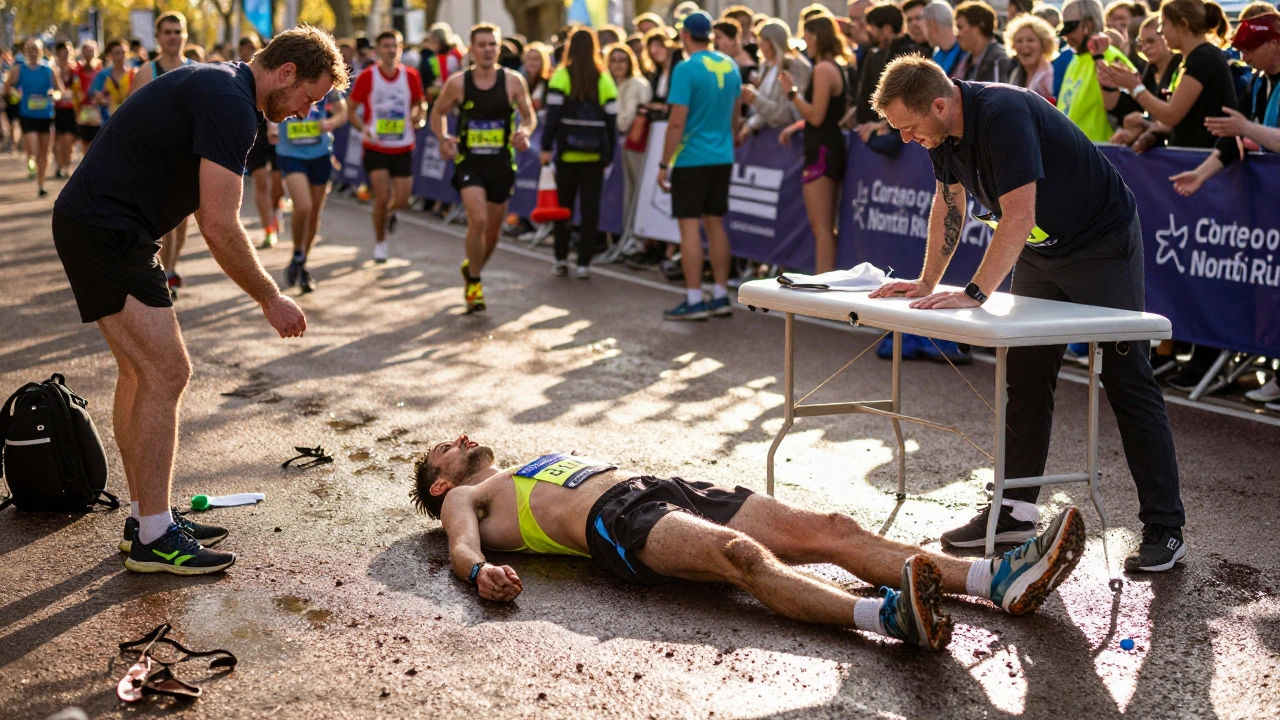
- After training: This is where most people think of massage. Post-exercise sessions focus on reducing inflammation, breaking up adhesions, and speeding up recovery. One 2023 study of elite runners found those who received sports massage within two hours of a hard run recovered 27% faster in muscle strength tests compared to those who didn’t.
Common Injuries Sports Massage Prevents in London Athletes
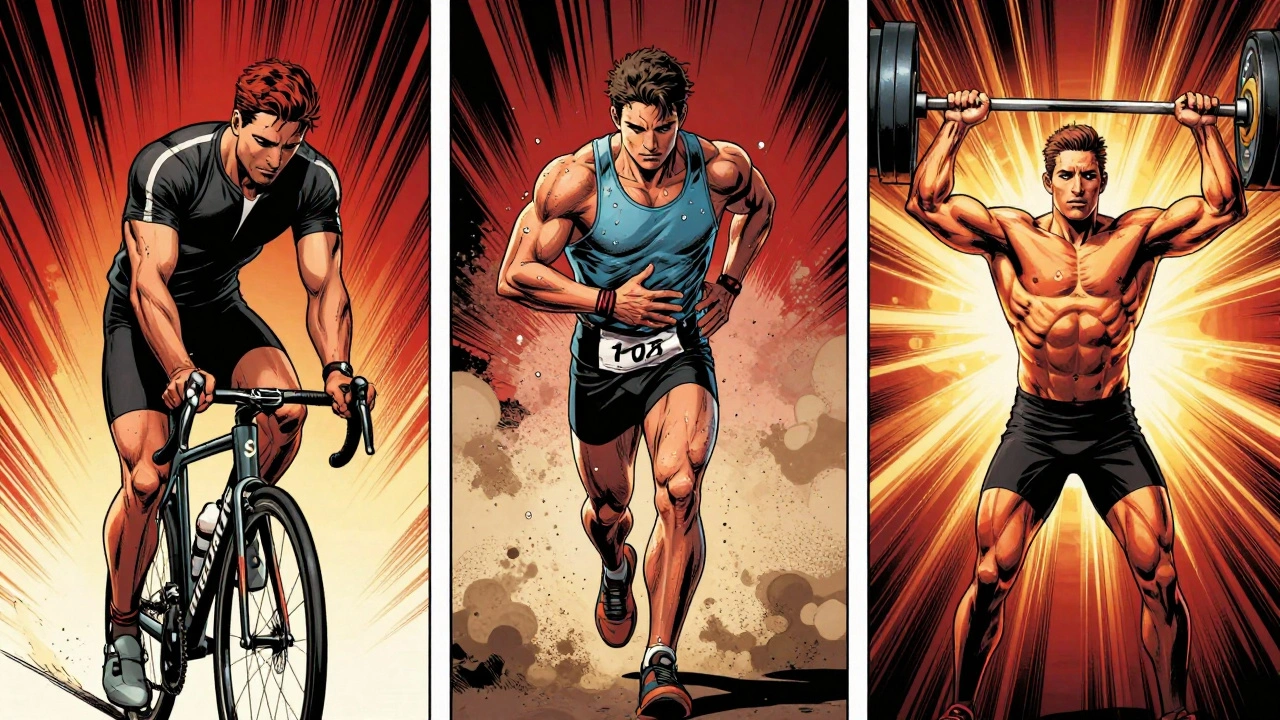
London has a huge population of runners, cyclists, gym-goers, and team sport players. And with that comes a predictable pattern of injuries.
Here are the top three issues we see-and how sports massage tackles them:
- Iliotibial band syndrome (ITBS): Common in runners. The IT band gets tight from overuse, causing sharp pain on the outside of the knee. Sports massage breaks up tension in the tensor fasciae latae and glutes, which pull on the IT band. Regular sessions reduce flare-ups by up to 60% in consistent users.
- Hamstring strains: Often from sudden sprints or poor hip mobility. Massage targets the hamstrings, glutes, and lower back to restore length and reduce stiffness. A 2024 survey of London-based physiotherapists found 82% of athletes who received regular sports massage avoided hamstring re-injury over a 12-month period.
- Shoulder impingement in swimmers and cyclists: Tight pecs and upper traps compress the rotator cuff. Massage releases the chest, shoulders, and neck, restoring proper scapular movement. It’s not just about the shoulder-it’s about the whole kinetic chain.
Who Benefits Most? Not Just Pros
You don’t need to be in the Olympics to benefit. In fact, the most consistent clients are often weekend warriors.
Take Sarah, a 42-year-old teacher who runs 5Ks on weekends. She started getting monthly sports massages after a nagging calf strain wouldn’t go away. Within three sessions, her pain disappeared. Six months later, she ran her first half-marathon. She didn’t change her training. She just started recovering better.
Same with James, a 35-year-old office worker who lifts weights three times a week. He had chronic lower back stiffness. His physio told him to stretch. He did. Nothing changed. Then he added biweekly sports massage. The tightness? Gone. His deadlift form improved. His confidence came back.
Sports massage isn’t about fixing broken bodies. It’s about keeping good bodies running longer.
What to Expect in a Session
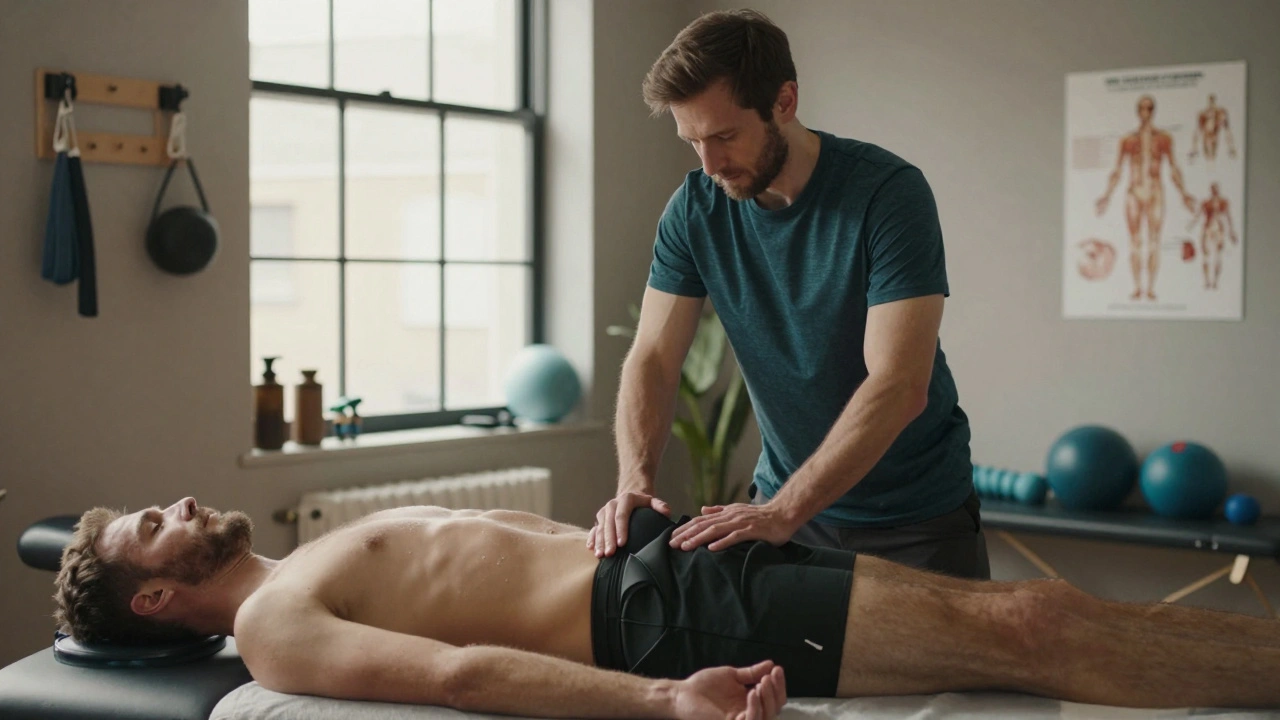
A typical sports massage in London lasts 60 to 90 minutes. The therapist starts with a short chat: your training schedule, recent sore spots, any injuries. Then they’ll assess your posture and movement-maybe ask you to do a few squats or lunges.
The massage itself isn’t gentle. It’s firm. It’s deep. It might hurt a little-but not in a bad way. Think of it as a ‘good pain’-the kind that says, ‘I’m releasing something that’s been stuck for weeks.’
They’ll use their hands, elbows, forearms. Sometimes tools like foam rollers or massage balls. The focus is always on the muscles and connective tissues that matter most for your sport.
You’ll leave feeling lighter. Looser. More mobile. And yes-maybe a little sore the next day. That’s normal. It means the work was effective.
How Often Should You Get It?
There’s no one-size-fits-all. But here’s a practical guide based on training load:
- Recreational athletes (1-3 sessions/week): Once a month. Keeps things loose, prevents small issues from turning big.
- Regular competitors (3-5 sessions/week): Every 2-3 weeks. Helps manage accumulated fatigue and supports faster recovery.
- Elite or high-volume athletes (6+ sessions/week): Weekly or even twice a week during peak training. This isn’t optional-it’s part of the schedule, like sleep or nutrition.
Many athletes in London now book their sessions like appointments: every Tuesday after training. It becomes part of their routine. And that’s when the real results show up.
Where to Find the Right Therapist in London
Not every massage therapist knows sports. Some are trained in relaxation. Others in medical rehabilitation. You need someone who’s worked with athletes.
Look for these signs:
- They’ve worked with runners, cyclists, or team sports teams.
- They talk about biomechanics, muscle imbalances, or training phases-not just "tension" or "stress."
- They ask about your sport, your goals, your schedule.
- They don’t just give you a generic massage-they customize it.
Many top therapists in London are affiliated with physio clinics or sports performance centers. Others work independently but have certifications from the Sports Massage Association or the British Association of Sports and Remedial Massage. Ask to see their credentials.
Why It’s Not Just About Recovery
Sports massage doesn’t just help you heal faster. It helps you train harder.
When your muscles are free from restrictions, your movement becomes more efficient. That means less energy wasted. Better form. More power. Fewer compensations. All of that adds up to better performance.
And it’s not just physical. Athletes who get regular massage report better sleep, reduced anxiety, and higher motivation. There’s a mental reset that comes with deep, intentional bodywork. You feel more connected to your body. More in tune.
In London, where training space is limited and recovery time is precious, sports massage gives you an edge. It’s not magic. But it’s science. And it works.
Is sports massage painful?
It shouldn’t be unbearable. You’ll feel deep pressure, maybe some discomfort-especially in tight areas-but it should never feel like sharp pain or make you want to pull away. A good therapist will check in with you constantly. If it’s too much, say so. The goal is release, not punishment.
Can sports massage help with chronic pain?
It can help manage it, but it won’t cure structural issues like arthritis or torn ligaments. For chronic pain caused by muscle tightness, imbalances, or overuse-yes, it’s one of the most effective tools. Many London athletes use it alongside physiotherapy to keep flare-ups under control.
Do I need to be injured to get sports massage?
Absolutely not. In fact, the best results come when you start before you’re injured. Regular sessions prevent problems from building up. Think of it like oil changes for your body-you don’t wait until the engine seizes.
How long does it take to see results?
Some people feel looser after one session. But real, lasting change takes consistency. Most athletes notice improved mobility and reduced soreness after 3-4 sessions over 4-6 weeks. If you’re training hard, make it a habit.
Can I get sports massage on the same day as a race?
Yes-but only if it’s a light, pre-event session. Avoid deep pressure on race day. Focus on circulation and relaxation. Save the deep work for the day after. Many elite runners in London get a 20-minute pre-race massage 90 minutes before starting. It calms the nervous system without fatiguing the muscles.