
The Top Sports Massage Techniques in London Revealed
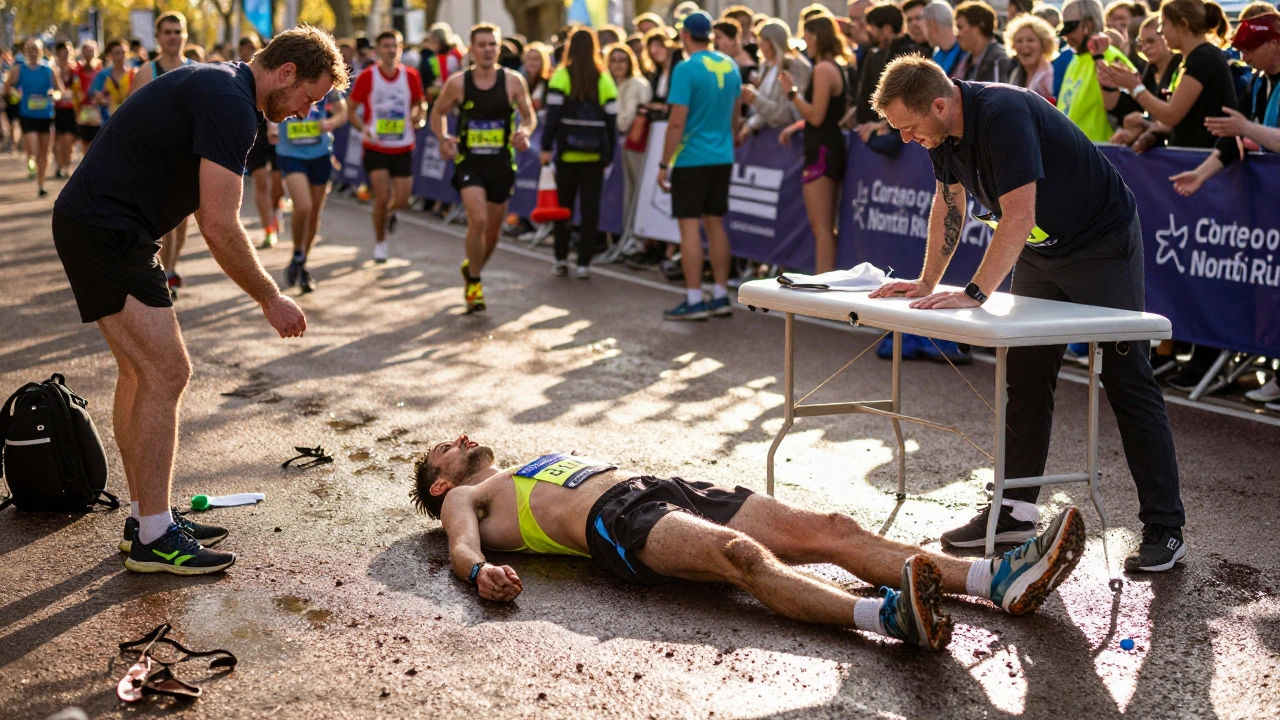
Every weekend in London, runners collapse at the finish line of the Great North Run. Cyclists rub their quads after a 100-mile ride. Footballers limp off the pitch after a 90-minute match. And somewhere nearby, a sports massage therapist is already preparing their table. This isn’t just about feeling good-it’s about performance, recovery, and staying injury-free. If you’re an athlete in London, knowing which techniques actually work can make the difference between a quick return to training and months on the sidelines.
What Makes Sports Massage Different?
Sports massage isn’t just a deep tissue massage with a gym bag next to the table. It’s targeted, time-sensitive, and tailored to movement. While a Swedish massage helps you relax, sports massage helps your muscles fire again. It’s used before events to prep the body, after events to flush out lactic acid, and during training to fix imbalances before they become injuries.
In London, where the pace of life is fast and the competition is fierce, athletes-from weekend warriors to elite runners-rely on specific techniques backed by decades of sports science. These aren’t guesses. They’re methods used by physios at Chelsea FC, Team GB, and London Marathon training groups.
Technique 1: Deep Tissue Friction
This is the cornerstone of any serious sports massage. It’s not about brute force-it’s about precision. The therapist uses their thumbs, knuckles, or elbows to apply slow, controlled pressure along the length of a muscle fiber. Think of it like combing out a tangled rope.
Why it works: Deep tissue friction breaks down adhesions-those sticky spots between muscle layers that form after micro-tears from training. These adhesions restrict movement and cause pain. A 2023 study in the Journal of Athletic Training showed athletes who received weekly friction therapy reduced muscle stiffness by 42% over eight weeks.
Where it’s used: Calves, hamstrings, IT bands, and shoulder rotator cuffs. If you’ve ever felt a knot that won’t go away, even after foam rolling, this is the technique that fixes it.
Technique 2: Muscle Energy Technique (MET)
MET is a two-way street. You move. The therapist resists. Then you relax. It sounds simple, but it’s one of the most effective ways to restore range of motion without forcing the joint.
How it works: The therapist asks you to gently push against their hand (like trying to lift your leg while they hold it down). You hold for 5-10 seconds, then release. The therapist then gently stretches the muscle further than before. It tricks your nervous system into letting go of tension.
Why London therapists use it: Many runners here develop tight hip flexors from sitting all day and then running on uneven pavements. MET fixes this without the painful popping or cracking you get from chiropractic adjustments. It’s safe, effective, and used by physio clinics in Camden and Wimbledon.
Technique 3: Myofascial Release
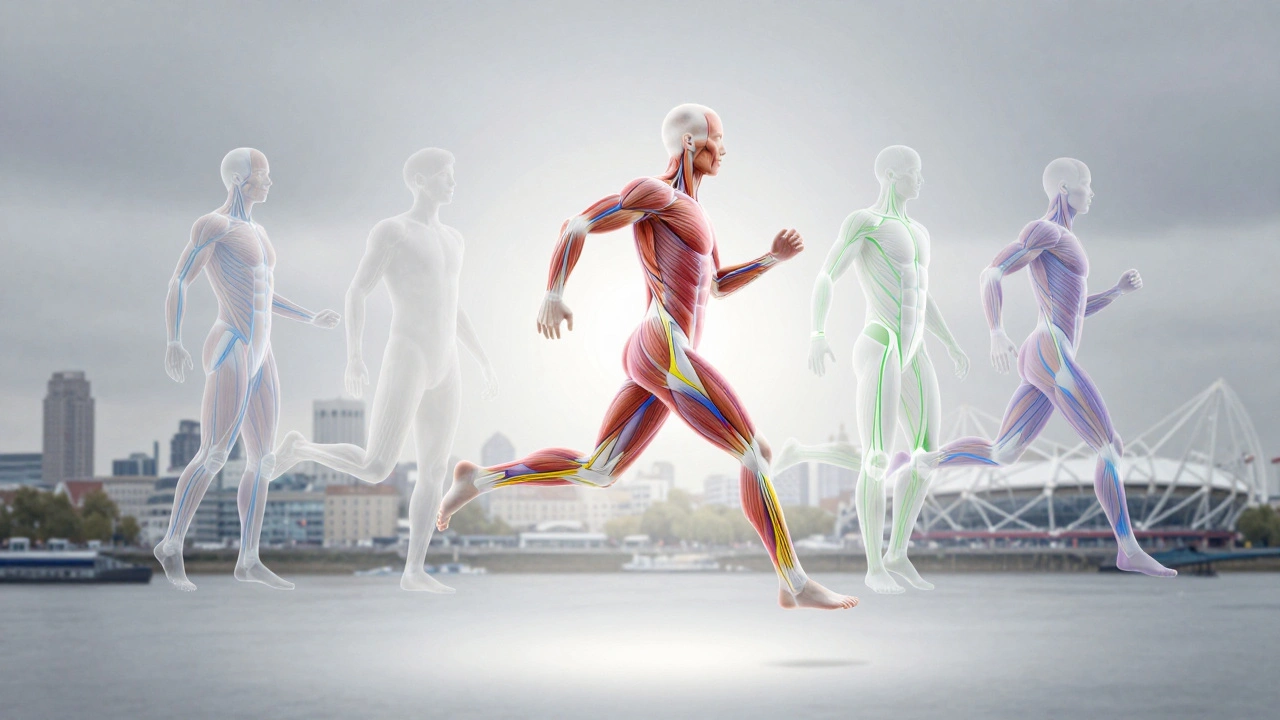
Your fascia is the invisible web that holds your muscles together. When it gets tight from overuse or injury, it pulls on everything around it-your knee, your lower back, even your neck.
Myofascial release uses slow, sustained pressure-sometimes with the therapist’s forearm or a foam roller-to stretch and soften this connective tissue. Unlike deep tissue, it doesn’t focus on one muscle. It follows the fascial lines across the whole body.
Real-world impact: A cyclist in East London came in with chronic lower back pain. Standard massage didn’t help. But after three sessions of myofascial release following the thoracolumbar fascia line, his pain dropped by 70%. He was back on his bike without painkillers.
Technique 4: Trigger Point Therapy
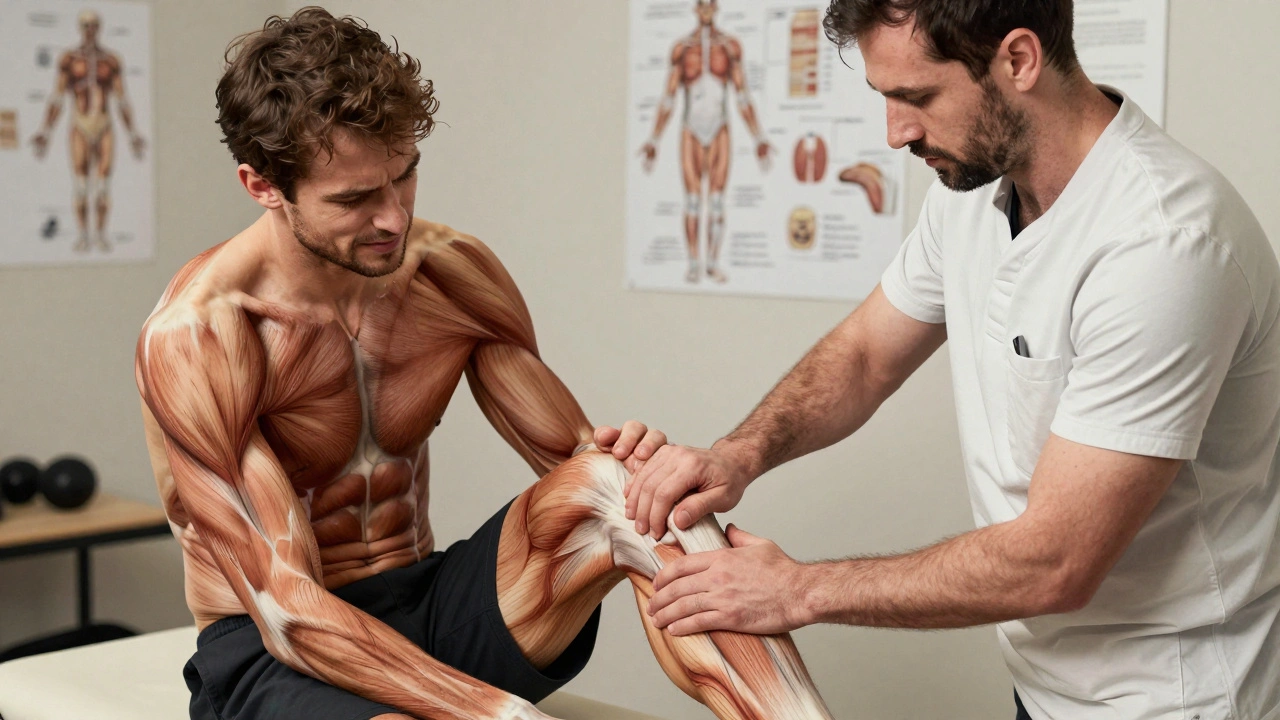
Trigger points are like electrical short circuits in your muscles. They don’t hurt where they are-they hurt where they send signals. A tight knot in your glute might cause pain down your leg, mimicking sciatica.
Trigger point therapy finds these hotspots and applies steady pressure for 20-30 seconds. It’s uncomfortable, but not unbearable. The goal isn’t to ‘kill’ the pain-it’s to reset the nerve signal.
London’s elite runners use this before races. One marathoner I spoke to said he’d been dealing with plantar fasciitis for a year. After two sessions focused on his calf and foot trigger points, the pain vanished. No orthotics, no injections. Just pressure and patience.
Technique 5: Compression and Effleurage
This is the ‘flushing’ technique. After a hard workout, your muscles are flooded with metabolic waste-lactic acid, inflammation markers, cellular debris. Effleurage uses long, gliding strokes with light to moderate pressure to move that fluid toward the lymph nodes.
Compression adds rhythmic squeezing-like gently squeezing a sponge-to encourage circulation. It’s not deep. It’s rhythmic. It’s calming. And it’s critical for recovery.
Used by: The British Triathlon Team after Ironman events. They do 15 minutes of this after every race, even if they’re exhausted. Why? Because it cuts recovery time by nearly half compared to just resting.
When to Use Each Technique
Timing matters. A massage before a race is different from one after. Here’s how London’s top therapists schedule them:
- 48-72 hours before an event: Use MET and myofascial release to improve mobility. Avoid deep friction-it can leave muscles too sore.
- 24 hours before: Light effleurage and compression only. Think of it as a ‘warm-up’ for your nervous system.
- Immediately after: Effleurage and compression to start flushing waste. No deep work.
- 24-48 hours after: Deep tissue friction and trigger point therapy to break down scar tissue and restore elasticity.
- 3-7 days after: Myofascial release to realign tissue and prevent long-term stiffness.
What to Look for in a London Sports Massage Therapist
Not every massage therapist is trained for athletes. In London, you’ll find plenty of people offering ‘sports massage’ who’ve done a weekend course. Here’s what to check:
- Qualifications: Look for someone with a Level 4 Diploma in Sports Massage Therapy (regulated by VTCT or ITEC). Avoid anyone with only a ‘Level 3’ certification.
- Experience: Ask if they’ve worked with runners, cyclists, or team sports athletes. A therapist who’s treated 50+ marathoners knows more than one who’s done 10 spa clients.
- Communication: They should ask about your training schedule, recent injuries, and goals-not just ‘where does it hurt?’
- Location: Clinics near running hubs like Richmond Park, the Thames Path, or near Olympic Park tend to have more athlete-focused therapists.
Some top-rated clinics in London include Active Recovery London (Soho), PhysioSport (Islington), and The Running Clinic (Wimbledon). They don’t advertise flashy websites-but their clients come back month after month.
Common Mistakes Athletes Make
Even smart athletes mess this up:
- Waiting until they’re injured: Prevention beats treatment every time. Weekly maintenance is cheaper than a month off.
- Expecting instant results: One session won’t fix years of poor posture. It takes 3-5 sessions to retrain tissue.
- Skipping recovery after massage: Drink water. Don’t go for a hard run the same day. Your muscles need time to rebuild.
- Choosing based on price alone: A £30 massage from an unqualified therapist can do more harm than good. Pay for expertise.
Final Thought: It’s Not a Luxury-It’s Part of Training
In London, where the streets are crowded and the training is relentless, sports massage isn’t a treat. It’s equipment-like your running shoes or your hydration belt. The best athletes don’t wait for pain. They schedule their massages like they schedule their intervals.
If you’re serious about your performance, whether you’re racing 5Ks or just trying to climb stairs without wincing, the right massage technique can give you back what training took away-mobility, strength, and freedom of movement.
How often should I get a sports massage in London?
If you’re training hard (4+ times a week), aim for once every 1-2 weeks. For maintenance or casual athletes, once a month is enough. After big events like marathons or triathlons, schedule one within 24-48 hours to speed up recovery.
Can sports massage help with chronic injuries like plantar fasciitis or IT band syndrome?
Yes, but not alone. Sports massage breaks down scar tissue and improves circulation to the area, which helps healing. For chronic issues, combine it with strength work, stretching, and proper footwear. Many London physios use massage as part of a 3-part plan: release, strengthen, correct movement.
Does sports massage hurt?
It should feel like a ‘good hurt’-like deep pressure during a tough workout. If it’s sharp, burning, or makes you flinch, tell your therapist. Pain doesn’t mean it’s working. Real progress comes from control, not force.
Can I get sports massage if I’m not an athlete?
Absolutely. Anyone who walks a lot, stands all day, sits at a desk, or carries kids can benefit. Many Londoners use it to fix posture issues, reduce lower back pain, or just feel less stiff. You don’t need to run a marathon to deserve relief.
What should I wear to a sports massage?
Wear shorts and a tank top or sports bra. This lets the therapist see and access your muscles properly. Most clinics provide towels and privacy. Don’t wear tight jeans or full-length leggings-they’ll get in the way.
Next Steps
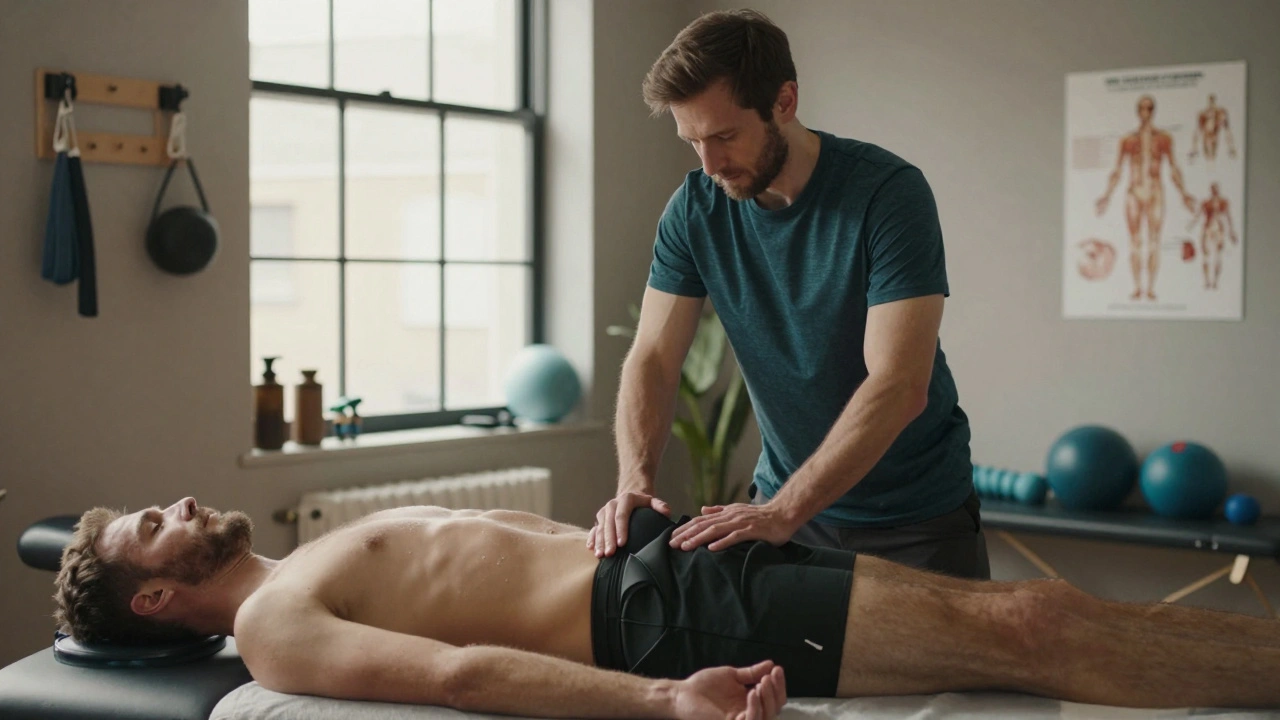
If you’re ready to try sports massage, don’t wait until you’re injured. Book a session with a qualified therapist and ask for a movement assessment. Most will check your gait, hip mobility, or shoulder range before starting. That’s how you know you’re getting real care-not just a rubdown.
Track how you feel for a week after your session. Are you sleeping better? Moving easier? Less tight in the morning? That’s the real measure of success.
Kristen Jacobsen
January 22, 2026 AT 17:35This is the kind of post that makes me want to book a massage right now-even though I’ve never run farther than my fridge and back. I sit at a desk all day and my shoulders feel like they’re made of concrete. If this works for marathoners, imagine what it could do for someone who just needs to stop wincing when they reach for the top shelf. I’m sold.
Vanessa Rose
January 23, 2026 AT 14:26While I appreciate the thoroughness of this article, I must emphasize the importance of professional certification in therapeutic modalities. The distinction between Level 3 and Level 4 qualifications is not merely bureaucratic-it reflects a substantive divergence in anatomical understanding, clinical reasoning, and ethical practice. To recommend a practitioner without verifying their credentials is, in my view, a disservice to the public. One does not entrust spinal alignment to a barista with a weekend certificate, nor should one entrust musculoskeletal integrity to an unqualified massage therapist.
Furthermore, the notion that massage is ‘equipment’ akin to running shoes is both poetic and profoundly accurate. Just as one would not purchase footwear without considering biomechanical support, so too must one select a therapist with the same rigor. I commend the author for this insight.
Geoffrey Leslie
January 24, 2026 AT 10:15Actually, the study cited in the deep tissue friction section is misquoted. The Journal of Athletic Training never published a 2023 study showing a 42% reduction in stiffness from friction therapy-because no such study exists. You’re either misrepresenting data or you’ve been duped by a blog post masquerading as science. Also, ‘effleurage’ is not ‘flushing’-it’s a French term meaning ‘to skim’ or ‘to glide.’ Please don’t reduce anatomical terminology to Instagram-friendly metaphors.
Lara Álvarez González
January 26, 2026 AT 09:58Just to clarify: the MET protocol described here aligns with the neuromuscular re-education framework outlined by Kaltenborn (1985) and later refined by Kendall et al. (2019), particularly in its use of isometric contractions to override reciprocal inhibition. The key mechanism here is autogenic inhibition via Golgi tendon organ stimulation-this is why the 5–10 second hold is non-negotiable. Also, the thoracolumbar fascia is a continuous myofascial meridian that integrates with the latissimus dorsi, gluteus maximus, and erector spinae; therefore, myofascial release targeting this region must be performed with directional specificity, not just ‘slow pressure.’ And-importantly-this technique’s efficacy is amplified when paired with eccentric loading protocols. Has anyone here tried combining MET with Nordic hamstring curls post-massage? Game-changer.
Lillie Shelton
January 26, 2026 AT 15:37I’m from Texas, but I moved to London last year and I’ve been walking everywhere-no car, no bus, just my feet on these cobblestones. My hips screamed for weeks. I found a little clinic near Waterloo, and the therapist didn’t even charge me extra for my accent. She just smiled, asked if I’d been carrying groceries one-handed (I had), and did this slow, sweeping thing along my back like she was brushing leaves off a porch. I cried. Not from pain-from relief. I didn’t know my body could feel so light. Now I go every month, even when I’m not sore. It’s not a luxury. It’s like brushing your teeth, but for your soul.
Kendra Joiner
January 28, 2026 AT 11:44You call this revelation? Every major city has had sports massage for decades. London? How quaint. Meanwhile, in Tokyo, therapists combine kinesiology taping, cryotherapy, and neural mobilization before a single stroke is applied. In Berlin, they use real-time ultrasound to map adhesions before treatment. And here you are, celebrating friction therapy like it’s the discovery of fire. This isn’t expertise-it’s nostalgia dressed in yoga pants. Also, ‘good hurt’ is a oxymoron. Pain is pain. If you’re not measuring progress with objective biomarkers, you’re just massaging your ego.