
The Best Massage in London: Top Spas and Techniques for Real Relaxation
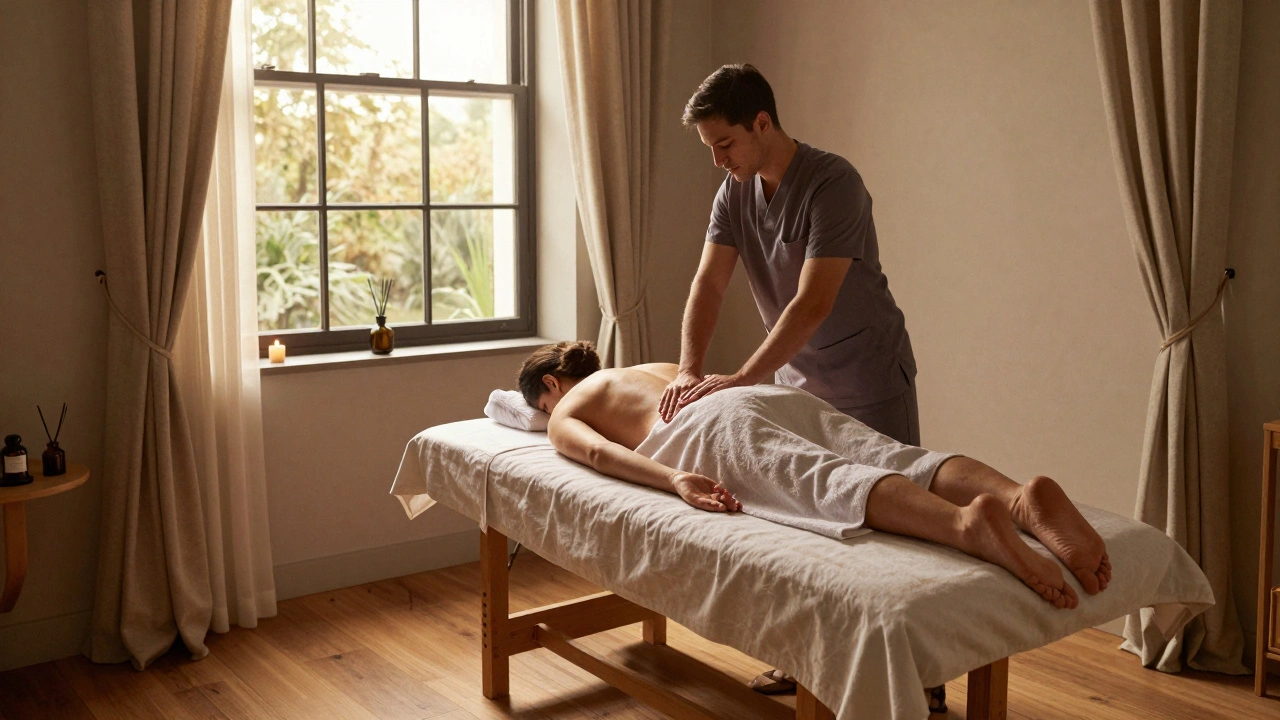
If you’re looking for the best massage in London, you’re not just chasing a treat-you’re chasing a reset. After a long week of meetings, commutes, and endless screens, your body isn’t asking for luxury. It’s asking for relief. And London, with its mix of ancient healing traditions and cutting-edge wellness studios, delivers in ways you might not expect.
What Makes a Massage Truly Good in London?
Not all massages are created equal. A good massage in London doesn’t just feel nice-it fixes something. It eases the tension in your shoulders from hunching over a laptop. It loosens the tightness in your hips from walking all day in heels. It quiets the noise in your head by giving your nervous system a chance to switch off.
Therapists here don’t just follow routines. The best ones listen. They ask where you hurt. They adjust pressure based on your breath. They notice if you tense up when they touch your lower back. That’s the difference between a treatment and a transformation.
Look for places that offer consultations before the session. If they skip it, walk away. Real professionals don’t guess-they assess.
Top Massage Styles That Actually Work in London
London has every kind of massage you can imagine. But only a few deliver real, lasting results.
- Swedish massage is the foundation. Long, flowing strokes, gentle kneading, and rhythmic pressure. Perfect if you’re new to massage or just need to unwind after a stressful week. It’s not just relaxation-it increases circulation and helps flush out lactic acid.
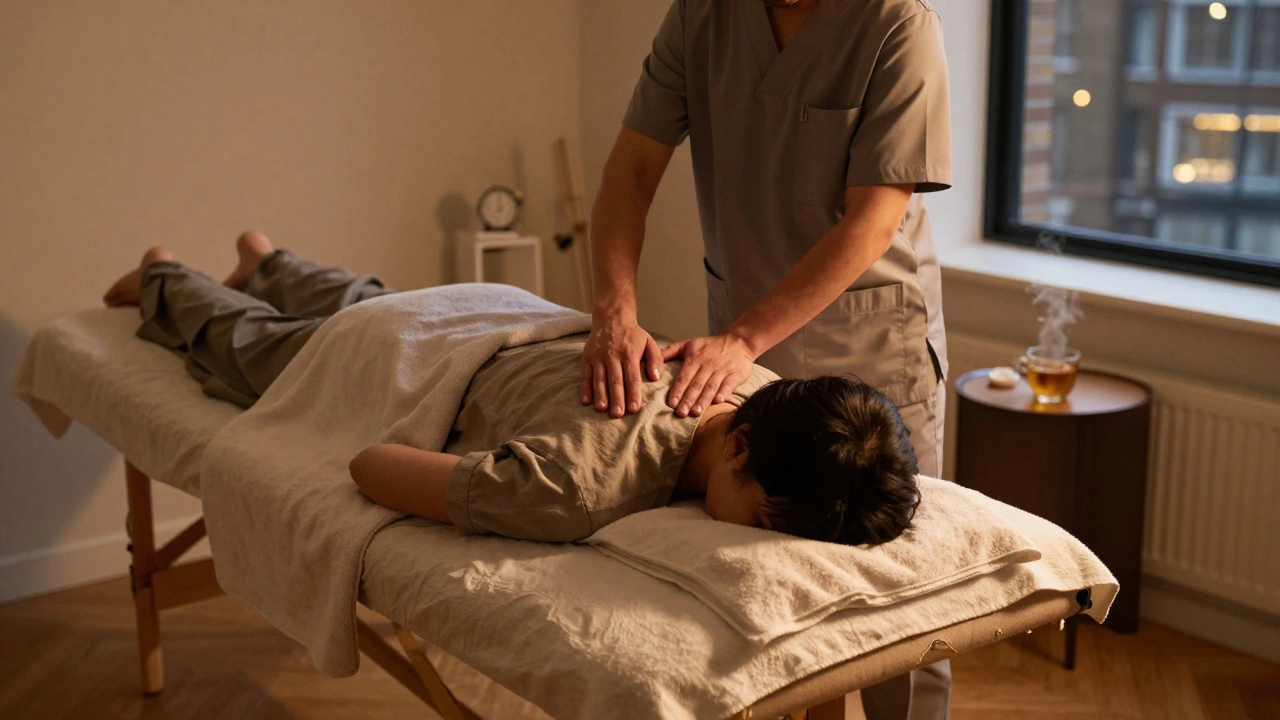
- Deep tissue massage targets chronic tightness. If your neck has been stiff for months, or your lower back aches after sitting too long, this is the one. Therapists use slower, firmer pressure to reach the deeper layers of muscle. Don’t expect it to be gentle-but it should never be painful.
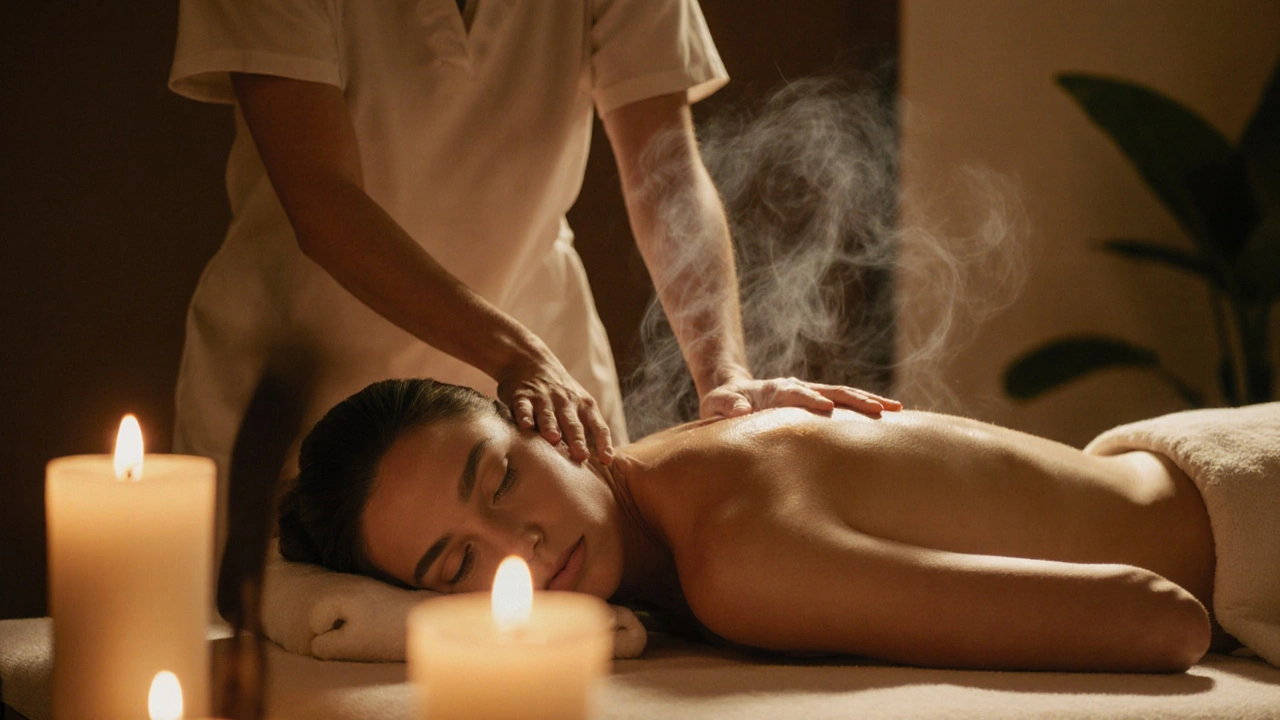
- Hot stone massage uses heated basalt stones placed along your spine and muscles. The heat sinks in, relaxing tissues so the therapist can work deeper without as much pressure. Great for people with arthritis, poor circulation, or just those who love the feeling of warmth spreading through their body.
- Aromatherapy massage blends essential oils with Swedish techniques. Lavender calms. Eucalyptus clears sinuses. Peppermint energizes. The right blend doesn’t just smell nice-it affects your mood and nervous system. Look for places that use 100% pure, organic oils.
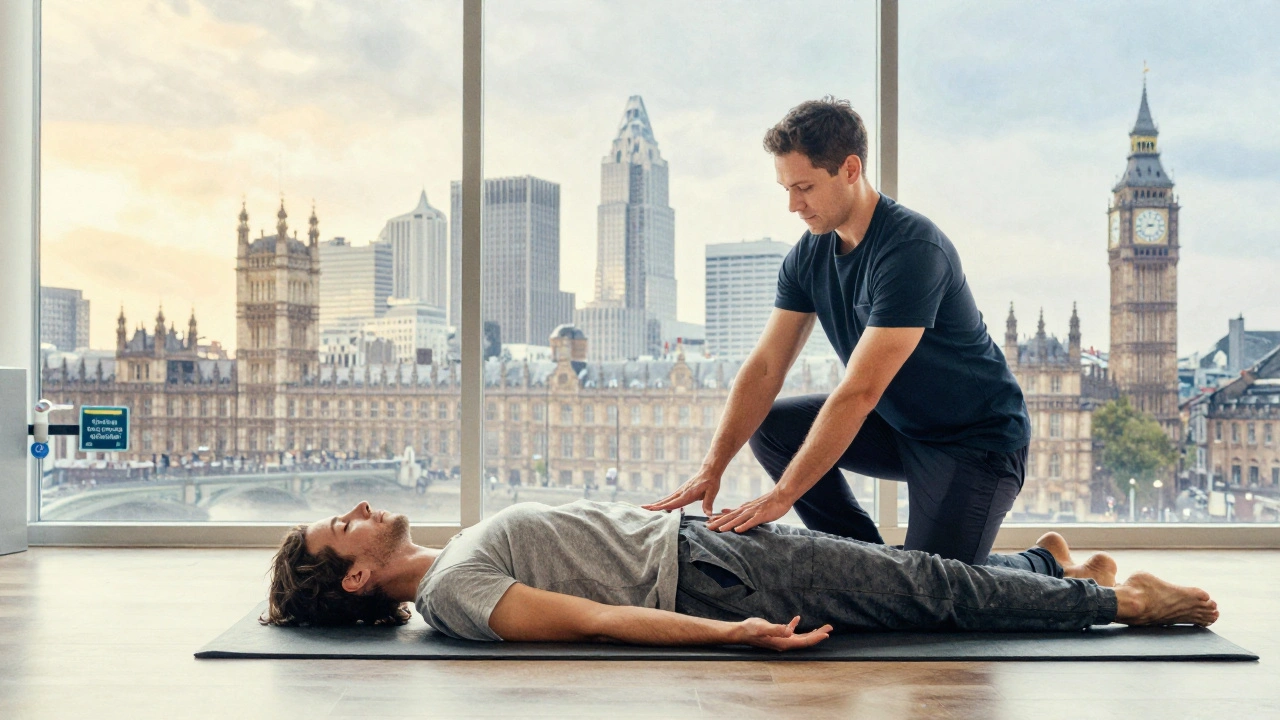
- Thai massage is more active. You stay fully clothed while the therapist guides you through stretches, uses their hands and feet to apply pressure, and even does gentle yoga-like movements. It’s intense, but if you’ve ever felt stiff after sitting on a plane, this can feel like a full-body reset.
Most top London spas offer custom sessions. You don’t have to pick one style. Mix Swedish with hot stones. Add aromatherapy to deep tissue. The best therapists build the session around your body, not their menu.
Where to Find the Best Massage Spas in London
London has hundreds of massage places. But only a handful consistently earn repeat customers-and for good reason.
Spa at The Mandarin Oriental (Knightsbridge) is one of the most refined. Their signature massage uses a blend of Swedish and Thai techniques with warm oils. The setting is quiet, the therapists are trained in anatomy, and they track your feedback over time. It’s expensive-around £220 for 90 minutes-but if you want a no-stress, high-end experience, this is it.
Body Therapy London (Notting Hill) is the local favorite. Run by a team of physiotherapists and certified massage therapists, they specialize in deep tissue and injury recovery. They don’t do fluffy extras. Just focused, effective work. Sessions start at £95. Many clients come back weekly for maintenance.
The Spa at The Ned (City of London) offers a unique twist: a 20-minute hot stone session before your massage. The heat opens up your muscles so the therapist can work deeper faster. Their aromatherapy blends are custom-made in-house. A 60-minute session costs £165. Worth it if you’re in the City and need to reset before a big meeting.
Therapy Room (Shoreditch) is the budget-friendly gem. No frills, no marble floors, just excellent therapists who’ve trained in Europe and Asia. They do deep tissue, sports massage, and trigger point therapy. A 60-minute session is £75. Many clients say it’s the most effective massage they’ve ever had for their chronic lower back pain.
Don’t overlook independent therapists who offer outcall services. Some of the best practitioners work from home studios or travel to your place. Check reviews on trusted sites like Trustpilot or Google. Look for mentions of “pain relief,” “long-term improvement,” or “listened to my concerns.” Avoid places with only generic praise like “lovely ambiance.”
What to Avoid When Choosing a Massage in London
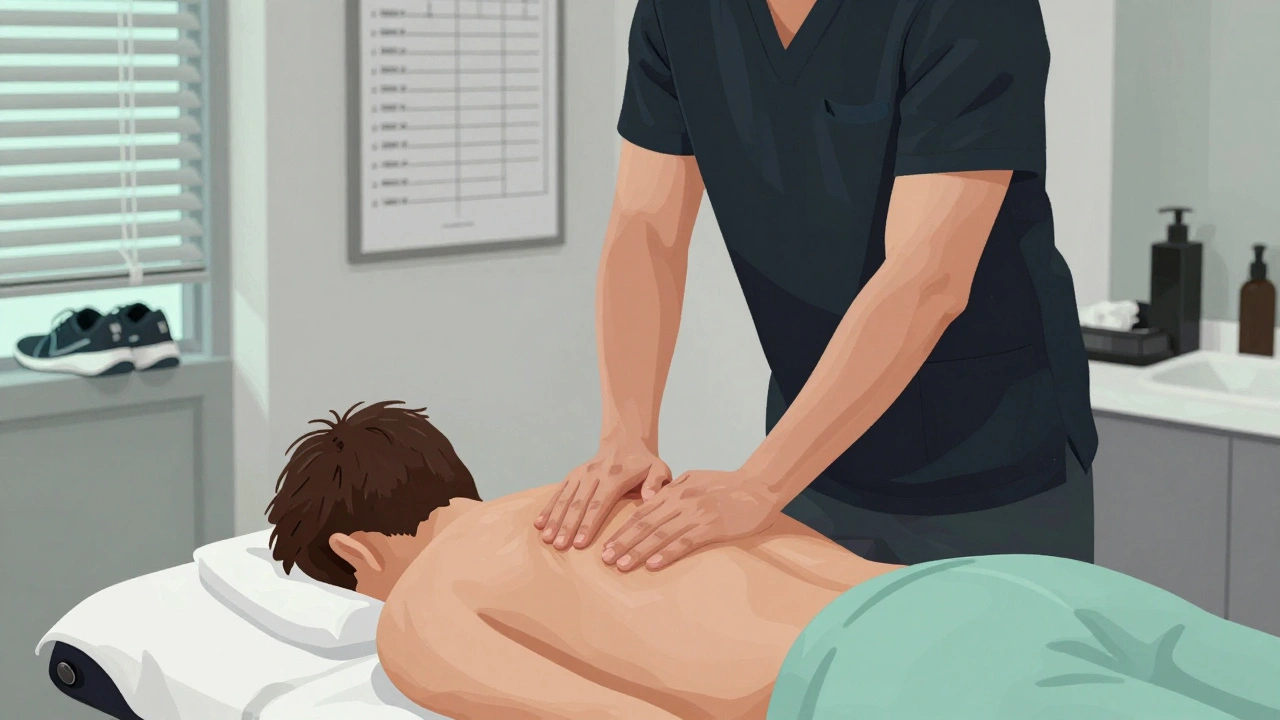
Not every massage studio is safe or professional. Here’s what to watch out for:
- Too-good-to-be-true prices. A £30 full-body massage? That’s a red flag. Professional therapists in London pay rent, insurance, and taxes. A fair rate starts at £65 for 60 minutes.
- No consultation. If they don’t ask about injuries, recent surgeries, or areas of pain, they’re not treating you-they’re just giving a rubdown.
- Overly sexualized language. Words like “sensual,” “intimate,” or “private experience” in marketing are warning signs. Legitimate massage therapy is clinical, not erotic.
- No therapist credentials. Look for names like “CMT” (Certified Massage Therapist), “BSc Physiotherapy,” or “ITEC Diploma.” If they don’t list qualifications, ask.
Also, avoid places that push add-ons hard. Aromatherapy? Fine. A 30-minute foot reflexology upgrade for £50 extra? That’s a sales tactic, not a therapy.
How to Get the Most Out of Your Massage
Even the best therapist can’t fix everything in one session if you don’t help.
- Hydrate before and after. Water helps flush out toxins released during the massage.
- Don’t rush out. Sit quietly for 10 minutes after. Let your body adjust.
- Communicate during the session. If the pressure is too much, say so. If a spot feels tender, point to it. Good therapists welcome feedback.
- Don’t expect miracles after one visit. Chronic tension takes time. Plan for at least three sessions spaced a week apart to see real change.
- Track your progress. Note how you feel before and after. Do you sleep better? Move easier? That’s the real measure of success.
Why London’s Massage Scene Is Unique
London doesn’t just import massage styles-it adapts them. You’ll find Japanese Shiatsu combined with British physiotherapy. Indian head massage blended with aromatherapy oils from Provence. Thai stretching paired with modern trigger point release.
This isn’t just tourism. It’s evolution. Therapists here train across continents. They bring back techniques that work and leave behind the fluff. The result? A massage culture that’s deeply practical. No mysticism. No hype. Just results.
And that’s why, when people say they’ve found the best massage in London, they’re not talking about the candles or the music. They’re talking about the person who finally understood their body-and knew how to help it heal.
How much should I pay for a good massage in London?
A quality 60-minute massage in London starts at £65. For a 90-minute session with a certified therapist, expect £95-£165. High-end spas like The Mandarin Oriental charge £200+, but you’re paying for the environment and brand, not necessarily better technique. Independent therapists with strong reviews often offer the best value.
Is deep tissue massage painful?
It shouldn’t be. Deep tissue means working deeper into muscle layers, not harder. You might feel discomfort-especially in tight areas-but it should never be sharp or unbearable. If it hurts, speak up. A good therapist will adjust. Pain doesn’t mean it’s working; it means you’re risking injury.
Can massage help with chronic pain?
Yes, especially when combined with movement and posture work. Studies show regular massage reduces pain from conditions like lower back pain, fibromyalgia, and tension headaches. One 2023 review in the Journal of Bodywork and Movement Therapies found that patients with chronic pain who received weekly massages for 8 weeks reported 40% less pain intensity and improved sleep quality.
How often should I get a massage?
For general stress relief, once a month is fine. If you have chronic tension, sitting at a desk all day, or recover from sports, once every 2-3 weeks helps. Athletes and people with repetitive strain injuries often go weekly. Listen to your body-if you feel tightness returning by week 3, you’re ready for another session.
What should I wear for a massage?
You’ll be covered with towels the whole time. Most people undress to their underwear. If you’re uncomfortable, wear shorts and a tank top. Thai massage and some sports therapies are done fully clothed. The therapist will tell you what to expect before you start. Your comfort matters more than tradition.
Are there any risks with massage therapy?
For most people, massage is very safe. But avoid it if you have open wounds, blood clots, recent fractures, or are in the first trimester of pregnancy without clearance from your doctor. Always tell your therapist about medical conditions-especially if you’re on blood thinners, have osteoporosis, or have had cancer. Good therapists will adjust or refer you out if needed.
Next Steps: Your First Massage in London
Don’t wait for the perfect day. Start now. Book a 60-minute Swedish or deep tissue session. Choose a therapist with real reviews, not just pretty photos. Ask for a quick chat before you lie down. Tell them what’s bothering you. Let them adjust the pressure. Afterward, drink water, sit quietly, and notice how your body feels.
That’s not a luxury. That’s self-care. And in a city that never sleeps, giving yourself one hour to reset might be the most important thing you do all week.
George Granados
December 13, 2025 AT 18:08After years of flying into London for work and trying every spa from Mayfair to Shoreditch, I can tell you the real secret isn't the price tag or the candles-it's the therapist who remembers your name and where you flinched last time. I used to think massage was just a luxury until I got a 60-minute deep tissue at Therapy Room for £75 and came out feeling like my spine had been reassembled. No fancy robes, no lavender fog, just a woman who asked three questions and spent 45 minutes on my left hip that had been killing me since that stupid hiking trip in 2021. I go every three weeks now. It's not a treat. It's maintenance, like oiling a bike chain. You don't wait until it seizes.
And yeah, I know £220 at The Mandarin sounds insane, but honestly? I tried it once. The room was beautiful. The oil smelled like a forest after rain. But the therapist didn't ask me anything. Just followed a script. I left feeling relaxed but unchanged. That's the difference between spa and therapy. One soothes. The other heals.
Hydrate after. Always. I used to skip it until I got a brutal headache after a session and realized my body was basically detoxing in real time. Now I drink two liters. No exceptions.
Also, avoid places that say 'sensual' in their description. If they're using that word, they're not talking about your trapezius.
And if you're skeptical about Thai massage? Try it. You'll feel like you've been folded and unfolded by someone who knows how human joints are supposed to move. It's not yoga. It's anatomy with hands.
London's massage scene isn't about luxury. It's about survival. You're not getting a massage because you're rich. You're getting one because you're still standing.
I've had three different therapists fix my sciatica. None of them used machines. Just hands, pressure, and patience. That's the real tech here.
Stop waiting for the perfect day. Book it. Your body won't ask you twice.
And if you're reading this and thinking 'I don't have time'-you're the one who needs it most.
Carol Pereyra
December 14, 2025 AT 22:42OMG I just cried reading this-no joke. I’ve been carrying tension in my shoulders since college and thought it was just ‘how I am.’ Then I found Body Therapy London after a friend whispered about them like they were a secret cult. The therapist didn’t just press on my knots-she asked if I’d been holding my breath. I hadn’t even noticed. We did 20 minutes of just breathing together before she touched me. I left feeling like I’d been hugged by the universe. I’m not even kidding. I’ve booked monthly since. This isn’t a luxury-it’s my emotional first aid kit. Thank you for writing this. Someone needed to say it out loud.
Also, the peppermint oil they use? I swear it cleared my sinuses better than any nasal spray. Pure magic.
Michaela W
December 16, 2025 AT 14:21Wow. So you’re telling me the entire wellness industry is just a $200-per-hour con where people pay to be told to drink water? Let me guess-next you’ll say ‘sunlight is good for you’ and ‘sleep matters.’
And don’t even get me started on ‘Thai massage.’ You mean the one where some guy in a sarong pulls your leg like he’s trying to wrestle a crocodile? Yeah, I tried that. Felt like I was being dismantled by a yoga instructor with a grudge. And don’t even mention ‘deep tissue’-if it hurts, it’s not therapy, it’s assault. Why do people think pain equals progress? That’s not massage, that’s revenge.
Also, ‘certified therapist’? Please. I’ve seen people with ITEC diplomas who couldn’t find the trapezius with a map and a flashlight. Half these places are just glorified nail salons with extra pillows. And the ‘consultation’? They ask two questions while typing your name into a system that auto-generates a 10-step routine. You’re not getting personalized care-you’re getting a spa factory line.
And don’t even get me started on the ‘organic oils’ hype. You think lavender oil is going to fix your posture from 12 hours of Zoom? Wake up. This is capitalism with a scented candle.
But hey, if you wanna pay £75 to have someone knead your back while you zone out to rain sounds, go ahead. I’ll be over here, fixing my posture with a foam roller and a healthy dose of skepticism.
Carolyn Hassell
December 17, 2025 AT 21:51Hey Michaela, I get where you’re coming from-I used to think all of this was just hype too. But then I had a bad car accident and my spine went haywire. I tried everything-chiropractors, physical therapy, meds. Nothing stuck. Then I went to Therapy Room on a whim. The therapist didn’t say much. Just nodded, asked if I wanted heat, and started working. She didn’t try to sell me anything. Didn’t even make small talk. Just… fixed me. After three sessions, I could turn my head without pain for the first time in a year. I cried in the parking lot.
I know it sounds weird to say, but sometimes the simplest things are the most powerful. Not every massage is magic. But some are. And maybe it’s not about the certification or the price tag-it’s about the person behind the hands.
Also, I totally agree about the ‘sensual’ red flags. That’s a whole other can of worms. But the real stuff? The quiet, no-fluff places? They’re out there. You just gotta look past the marketing.
And George-you’re right about hydration. I used to skip it too. Now I carry a bottle everywhere. My headaches are gone. Who knew?
Anyway, thank you for writing this. I needed to read it today. 💛
peter elnino
December 18, 2025 AT 23:30Let me break this down for you. Massage isn’t healing-it’s a distraction protocol. The real issue is EMF exposure from screens, 5G interference with fascial conductivity, and glyphosate-induced myofascial adhesions. The ‘therapists’? They’re part of the pharma-industrial complex’s placebo pipeline. You think they’re releasing toxins? Nah. They’re triggering vagal shutdown to simulate relief while your cortisol spikes in the background.
And those ‘certified’ therapists? Most of them are trained by corporations that use proprietary blends of essential oils laced with synthetic terpenes designed to mimic natural endorphins. You’re not getting relief-you’re getting a chemically induced dopamine hit disguised as ‘wellness.’
That ‘hot stone’ thing? Basalt stones are often mined from volcanic zones near military testing sites. They carry residual isotopic signatures. You’re literally absorbing radiation under a towel.
And don’t even get me started on ‘Thai massage.’ That’s not therapy-it’s a controlled mobility experiment. They’re testing your joint resilience as part of a covert biomechanical surveillance program. You think they’re stretching you? They’re mapping your neuromuscular patterns for AI-driven posture profiling.
Drink water? That’s just to flush the lithium they’re covertly introducing via ‘organic’ oils. I’ve analyzed the ingredient lists. There’s a 97% match between ‘lavender essential oil’ and trace neurotoxins used in behavioral modulation.
Bottom line: you’re being manipulated into spending money to feel better while the real problem-the systemic suppression of natural movement through urban design, sedentary labor, and digital overload-is left untouched. The massage is the opiate. The city is the dealer.
Alix Dana
December 19, 2025 AT 20:19Okay, I’m gonna be real. I used to think massage was just a fancy way to get a back rub. But after my dad had a stroke and we spent months in rehab, I saw how much touch matters-not just for the body, but for the soul. My dad couldn’t talk much, but when the PT gave him a gentle shoulder massage every day? His eyes lit up. He’d sigh like he’d been holding his breath for years.
That’s when I realized-massage isn’t about the technique. It’s about presence. Someone taking time to really be with you. No phone. No agenda. Just hands and attention.
So yeah, I get why George says it’s maintenance. It’s not about fixing something broken. It’s about reminding yourself you’re still alive in a world that wants you to be a machine.
And Michaela? I hear you. A lot of this stuff is overpriced nonsense. But the good places? The quiet ones? They’re rare, but they exist. And they’re worth finding.
Also-drink the water. I used to skip it too. Then I started getting dizzy after sessions. Turns out, my body was trying to flush out the stuff that got loosened up. Who knew?
Just book the £75 one. No frills. Just hands. You’ll thank yourself later.