
The Do's and Don'ts of a Perfect Body Massage
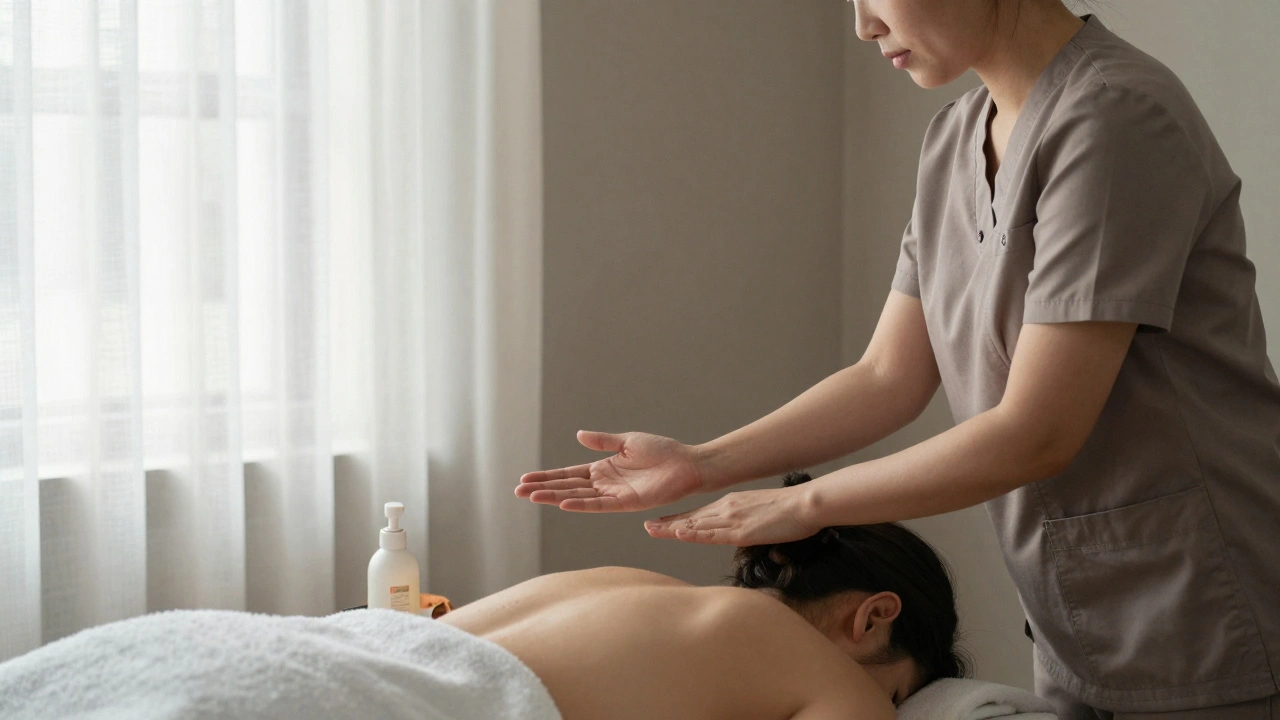
Getting a body massage shouldn’t feel like a gamble. You want to walk out feeling relaxed, not sore, confused, or worse-used. Too many people have had bad experiences because they didn’t know what to expect, or worse, what to avoid. A perfect body massage isn’t about luxury candles or expensive oils. It’s about understanding what works, what doesn’t, and why.
Do: Communicate Before the First Touch
Most therapists won’t ask you the right questions unless you speak up. Don’t assume they know you’re still recovering from a back injury or that your shoulders are tight from hunching over a desk all day. Tell them. Right away. Say: "I have pain in my lower back," or "I’m sensitive to pressure." This isn’t being difficult-it’s helping them do their job better.
A good therapist will adjust on the spot. They’ll use lighter pressure on scar tissue, avoid certain areas after surgery, or skip deep work if you’re on blood thinners. If they don’t ask you anything, that’s a red flag. A massage isn’t a one-size-fits-all routine. It’s a conversation with your hands.
Don’t: Expect Pain to Mean It’s Working
You’ve heard it before: "No pain, no gain." That myth kills more good massages than bad oil. Deep pressure isn’t about hurting you-it’s about releasing tension. If you’re gritting your teeth, holding your breath, or tensing up, your muscles are fighting back. That’s the opposite of relaxation.
Real progress happens when your body lets go. A skilled therapist works with your nervous system, not against it. If you feel sharp, stabbing, or burning pain, say "stop." That’s not deep tissue-it’s injury waiting to happen. You should feel pressure, yes, but not agony. Think "deep release," not "torture session."
Do: Use the Right Oil or Lotion
Not all massage oils are created equal. Coconut oil? Great for dry skin. Sweet almond? Smooth and light. But if you’re allergic to nuts, it’s a disaster waiting to happen. Even natural oils can cause reactions. Always ask what’s being used. If they hesitate or say "it’s fine," ask for a patch test.
Some places use scented oils because they smell nice. But if you’re sensitive to fragrance, that lavender scent could trigger headaches or nausea. Unscented, hypoallergenic options exist. Request them. Your skin deserves better than a marketing gimmick.
Don’t: Skip Hydration After
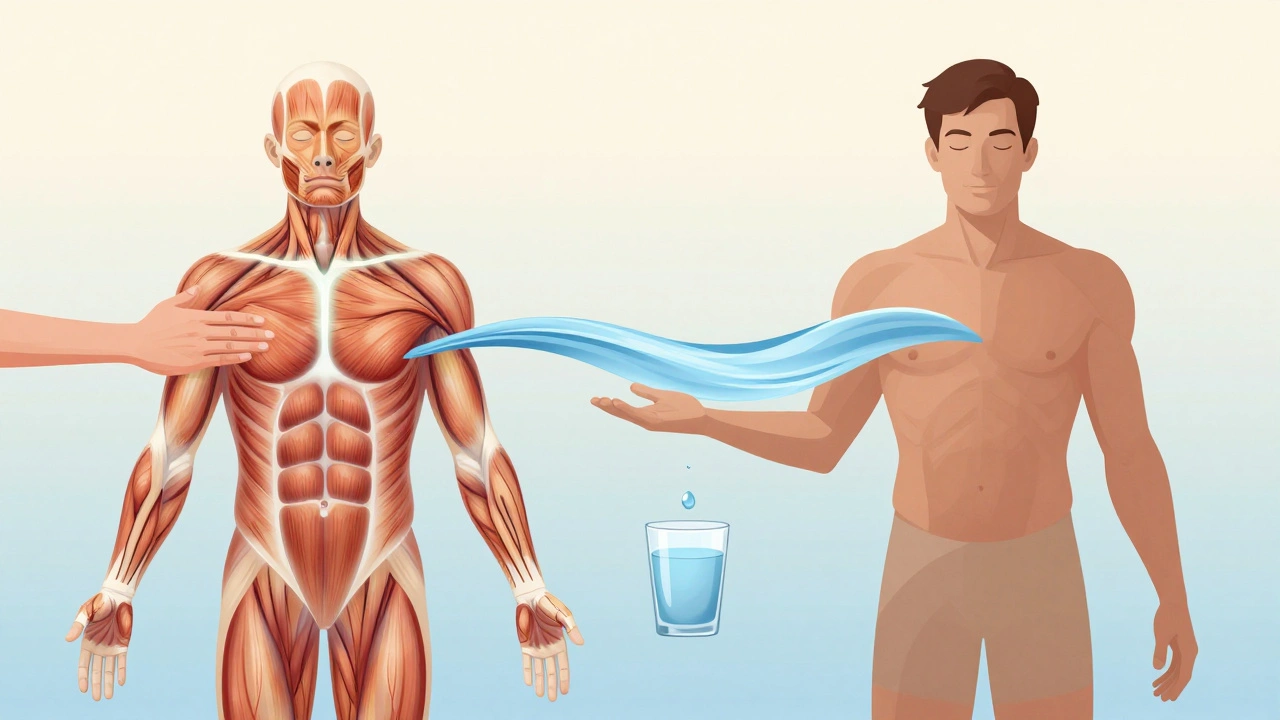
Massage moves toxins, fluids, and metabolic waste. Your body needs water to flush it out. If you walk out and grab a coffee or a burger, you’re setting yourself up for stiffness or even a headache the next day. Drink at least two glasses of water within an hour after your session. That’s not a suggestion-it’s science.
Studies show people who hydrate after massage report 40% less soreness the next day. That’s not magic. It’s biology. Your muscles were worked. Now they need to recover. Water helps.
Do: Let the Therapist Work in Silence
Some people feel guilty if they don’t chat. Others talk nonstop because they’re nervous. But silence is part of the therapy. Your nervous system needs quiet to shift from "fight or flight" to "rest and digest."
A perfect massage lets your mind drift. The rhythm of the hands, the warmth of the oil, the slow release of tension-that’s where healing happens. If you’re scrolling through your phone or explaining your week, you’re not relaxing. You’re multitasking.
That doesn’t mean you can’t speak. If something feels off, say so. But otherwise, let the quiet do its job. Many clients say the best part of their massage was the silence.
Don’t: Go in Right After a Workout or a Big Meal
Getting a massage after an intense gym session? Bad idea. Your muscles are already inflamed. Adding pressure on top of that can make soreness worse, not better. Wait at least 4-6 hours after hard exercise.
And don’t show up full. A massage involves deep pressure on your abdomen and diaphragm. If you just ate a heavy meal, you’ll feel bloated, nauseous, or even dizzy. Wait two hours after eating. A light snack? Fine. A pizza? Not so much.
Do: Give Feedback During the Session
Therapists aren’t mind readers. They can’t tell if your left hip feels like it’s on fire unless you tell them. Say: "That’s too deep," "Can you go a little higher?" or "That spot feels amazing."
Good therapists welcome feedback. It’s not rude-it’s part of the process. In fact, the best sessions happen when you and the therapist are in sync. You’re not being demanding. You’re being smart.
Don’t: Assume More Time = Better Result
One hour? Two hours? Five? Longer isn’t always better. Most people get the most benefit from 60 to 90 minutes. Beyond that, your body hits a saturation point. You’re not getting deeper relaxation-you’re just getting tired.
Also, longer sessions often mean more pressure on areas that don’t need it. A 120-minute massage might include 40 minutes of repetitive work on your calves because the therapist has to fill time. That’s not therapeutic. That’s padding.
Focus on quality, not quantity. A focused 60-minute session with clear intent beats a rushed two-hour "spa special."
Do: Schedule Regularly, But Not Too Often
Weekly massages? Great if you’re an athlete or in chronic pain. Monthly? Perfect for most people. Weekly for six weeks, then switch to monthly? Even better.
Why? Because your body needs time to integrate the changes. Too frequent, and you’re not giving your tissues a chance to heal. Too rare, and you’re just managing symptoms instead of fixing patterns.
Think of it like brushing your teeth. Daily maintenance prevents big problems. Same with massage. Consistency beats intensity.
Don’t: Use Massage as a Substitute for Medical Care
If you have numbness, tingling, sharp pain, or radiating symptoms, massage won’t fix it. Those are signs of nerve issues, herniated discs, or other medical conditions. A massage therapist isn’t a doctor. They’re a specialist in soft tissue-not diagnosis.
Don’t delay seeing a physiotherapist or GP because you think a massage will "fix" your sciatica. It might ease the tension around the area, but it won’t correct the root cause. Use massage as support-not solution.
Do: Notice How You Feel the Next Day
A perfect massage doesn’t just feel good in the moment. It leaves you feeling lighter, more mobile, and calmer for days. If you feel worse-stiff, achy, or drained-it’s a sign something went wrong.
Did they work on an inflamed area? Did they use too much pressure? Did they ignore your feedback? That’s not normal. It’s a signal. Pay attention. Your body is talking. Listen.
Keep a simple log: date, duration, pressure level, how you felt after. Over time, you’ll learn what works for you. That’s the real secret to a perfect massage: knowing yourself.
Mini FAQ
Can I get a body massage if I’m pregnant?
Yes, but only with a therapist trained in prenatal massage. Avoid deep pressure on the abdomen and inner thighs. Positions matter too-lying on your side or using pillows is safer than lying face down. Always check with your doctor first, especially in the first trimester.
How often should I get a body massage?
For general wellness, once a month is ideal. If you have chronic pain, stress, or an active lifestyle, once every two weeks works well. More than twice a week usually offers diminishing returns unless you’re recovering from injury or training intensely.
Is it normal to feel sore after a massage?
Mild soreness is normal, especially after deep tissue work. It should feel like a good stretch, not bruising. If you’re stiff for more than two days or feel sharp pain, the pressure was too intense. Drink water, move gently, and talk to your therapist next time.
Should I shower before or after a massage?
Shower before to remove sweat, lotions, or perfume-it helps the therapist work better. Shower after to rinse off excess oil and help your body flush out released toxins. A warm shower can also help relax muscles further.
Can I get a massage if I have high blood pressure?
Yes, but avoid vigorous techniques like deep tissue or vigorous Swedish strokes. Gentle, slow pressure is best. Always inform your therapist beforehand. Some studies show gentle massage can help lower blood pressure over time-but only if done safely.
What to Do Next
Next time you book a massage, go in with three clear goals: communicate your needs, stay hydrated, and listen to your body. Don’t let tradition, pressure, or awkwardness stop you from speaking up. The best massage isn’t the most expensive one-it’s the one where you felt truly seen.
Try keeping a simple log for a month. Note the date, type of massage, pressure level, how you felt afterward, and whether you drank water. You’ll start seeing patterns. That’s how you find your perfect massage-not by following rules, but by knowing yourself.