The Science Behind Sports Massage in London: What You Need to Know
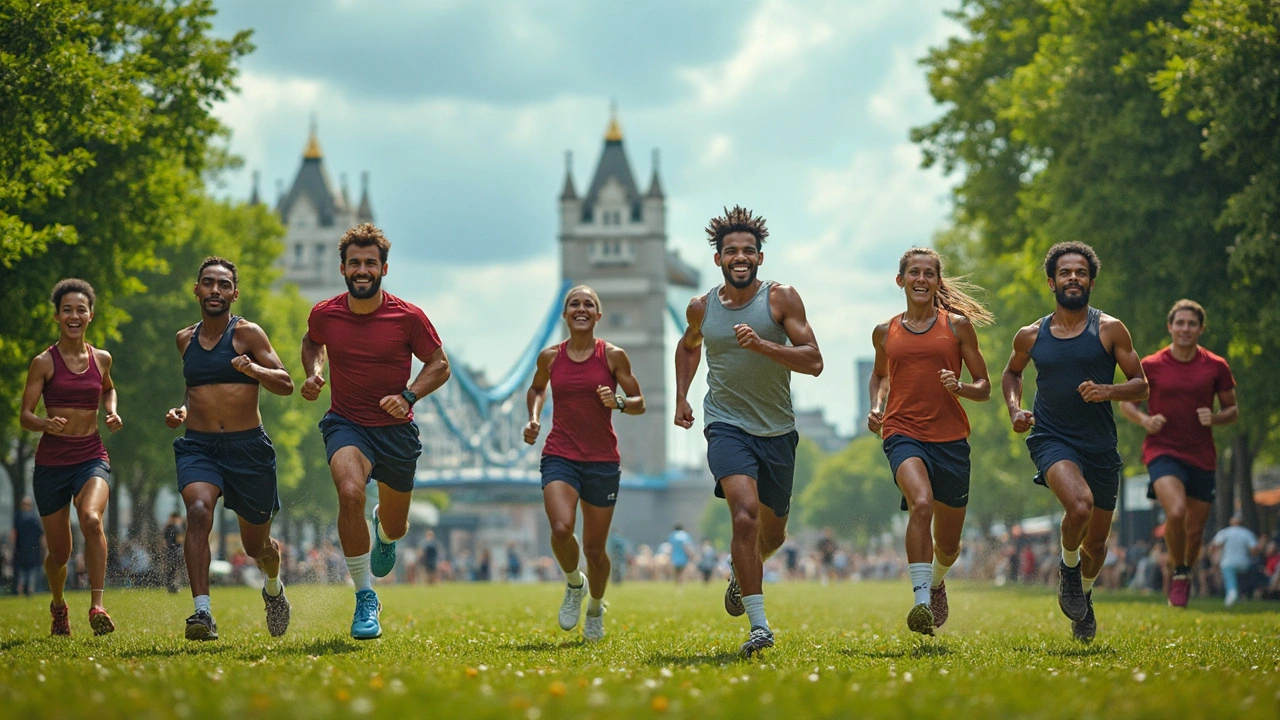
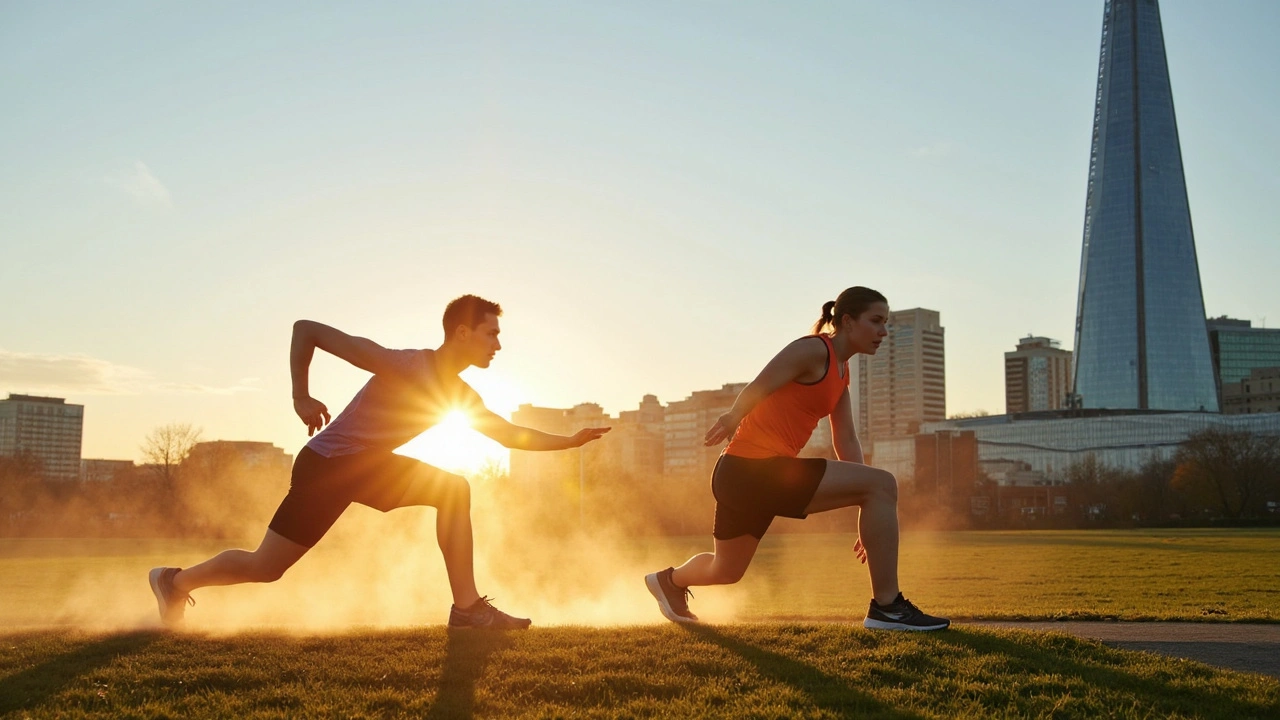
Every weekend in London, runners, cyclists, football players, and gym-goers walk into clinics with sore muscles, tight shoulders, or nagging pains. They don’t just want to feel better-they want to get back to training, competing, or even just walking without discomfort. What they’re often looking for is sports massage, but few understand why it works-or why it’s different from a regular massage. The truth? It’s not magic. It’s science.
How Sports Massage Works on Muscle Tissue
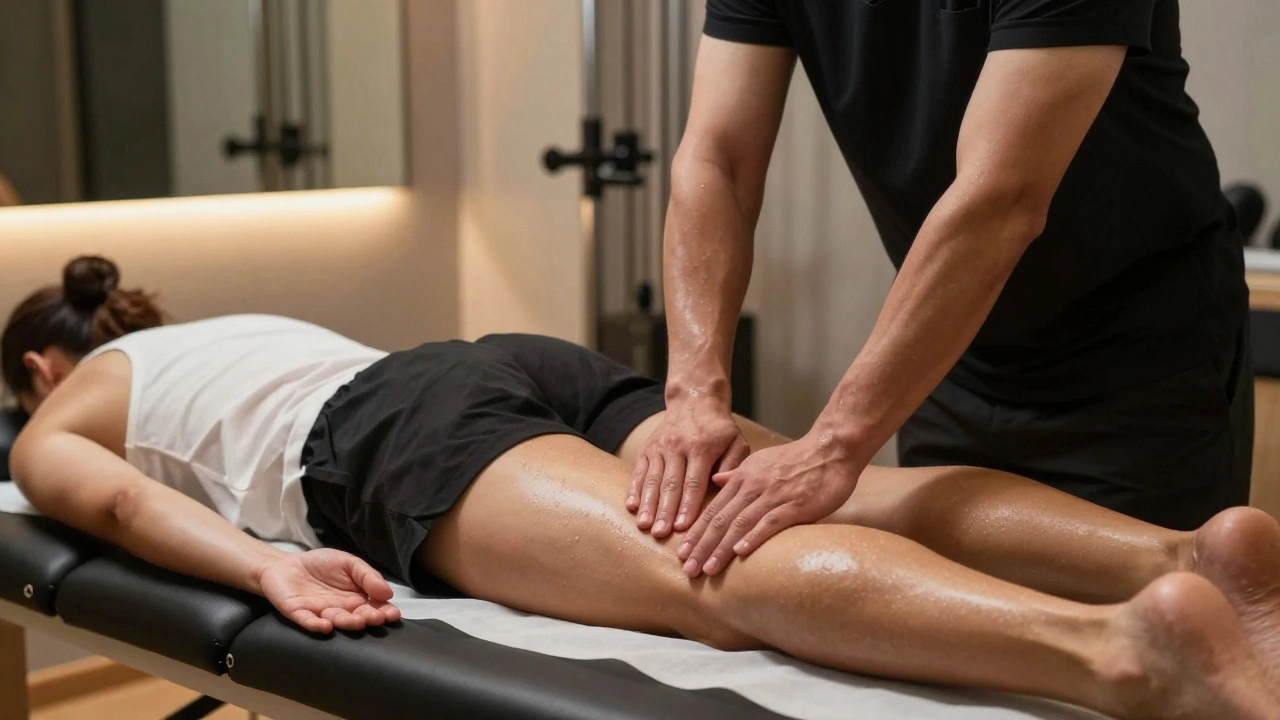
Sports massage isn’t just about kneading away tension. It’s a targeted therapy designed to improve blood flow, break up adhesions, and reduce inflammation in muscles that have been pushed hard. When you train intensely, your muscle fibers develop tiny micro-tears. That’s normal. But if those tears don’t heal properly, scar tissue forms. That’s when stiffness, reduced range of motion, and recurring injuries start.
Studies from the Journal of Athletic Training show that sports massage increases circulation by up to 30% in treated areas within 15 minutes. More blood flow means more oxygen and nutrients reach damaged tissue. It also helps flush out metabolic waste like lactic acid and inflammatory cytokines that build up after hard workouts. Think of it like cleaning out a clogged drain-massage helps the body’s natural cleanup crew do its job faster.
Another key mechanism is the reduction of fascial tightness. Fascia is the connective tissue that wraps around every muscle. When it gets stuck or glued together from repetitive motion, it pulls on muscles and joints. A skilled sports massage therapist uses deep, specific strokes to release these restrictions. This isn’t just pressure-it’s precision.
When to Get a Sports Massage
Timing matters. Many people wait until they’re in pain. That’s too late. The best results come from using sports massage as part of a regular recovery routine, not just an emergency fix.
- Before competition: A light, stimulating session 24-48 hours before an event helps activate muscles, improve flexibility, and mentally prepare the body. It’s not about deep pressure-it’s about waking up the nervous system.
- After training: Within 2-6 hours post-exercise, massage reduces muscle soreness and accelerates recovery. A 2023 study from King’s College London found athletes who received post-workout massage reported 30% less DOMS (delayed onset muscle soreness) than those who didn’t.
- During training cycles: Weekly sessions during heavy training blocks prevent breakdown. Elite runners in London’s training groups often schedule biweekly massages as part of their regimen.
- For injury recovery: Once the acute phase is over (usually 48-72 hours after injury), massage helps realign scar tissue and restore mobility. Physical therapists in London often refer patients to certified sports massage therapists for this exact reason.
What Makes London’s Sports Massage Scene Unique
London has one of the highest concentrations of professional athletes, fitness enthusiasts, and weekend warriors in the UK. That demand has created a highly specialized market. Unlike general massage spas, top sports massage clinics in London employ therapists with specific certifications-like those from the Sports Massage Association or British Association of Sports Massage.
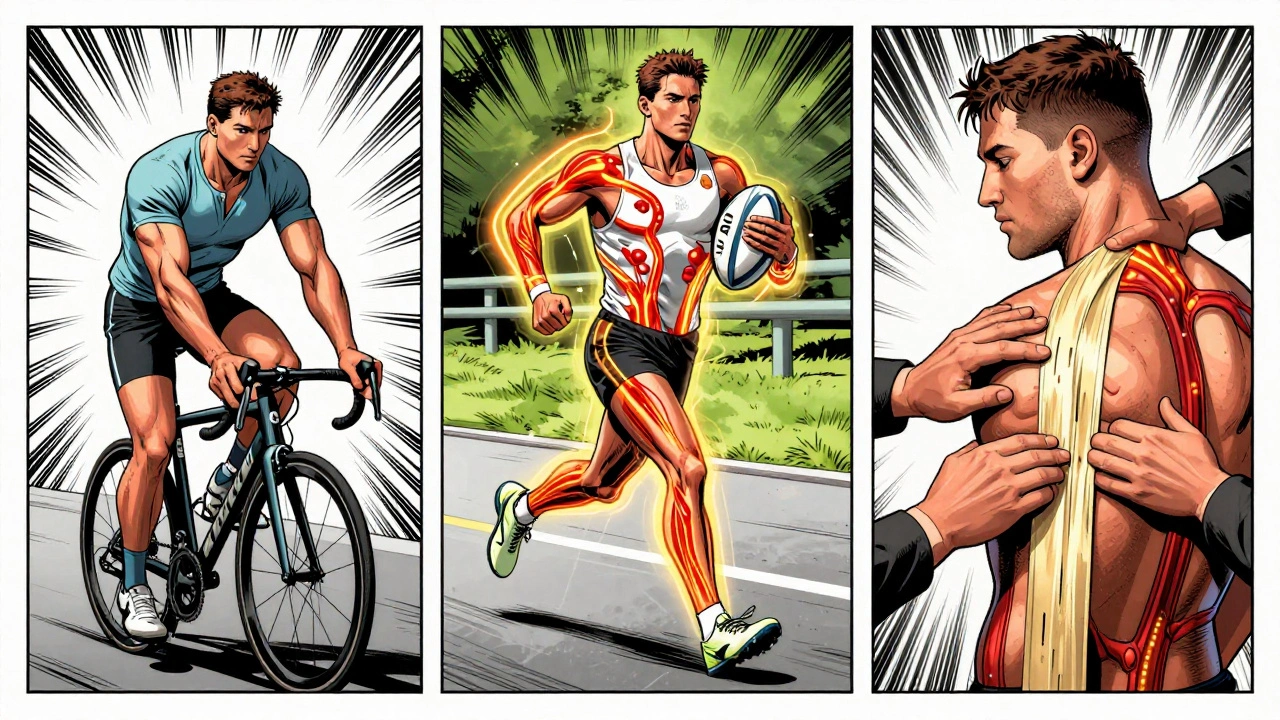
These therapists don’t just guess where your tension is. They assess posture, gait, movement patterns, and even your training log. A therapist working with a London marathon runner will know exactly which hip flexors and calf muscles are overworked based on stride data. A rugby player? They’ll focus on the shoulders, neck, and thoracic spine-areas hit hardest in scrums and tackles.
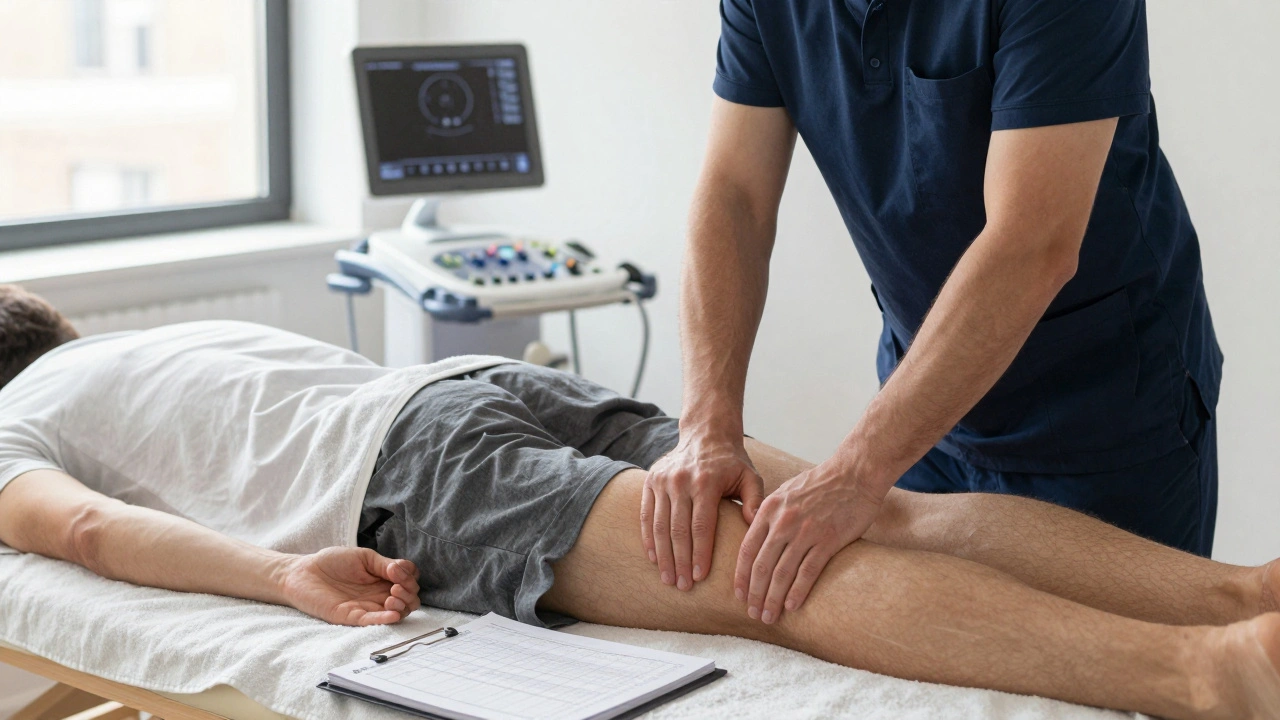
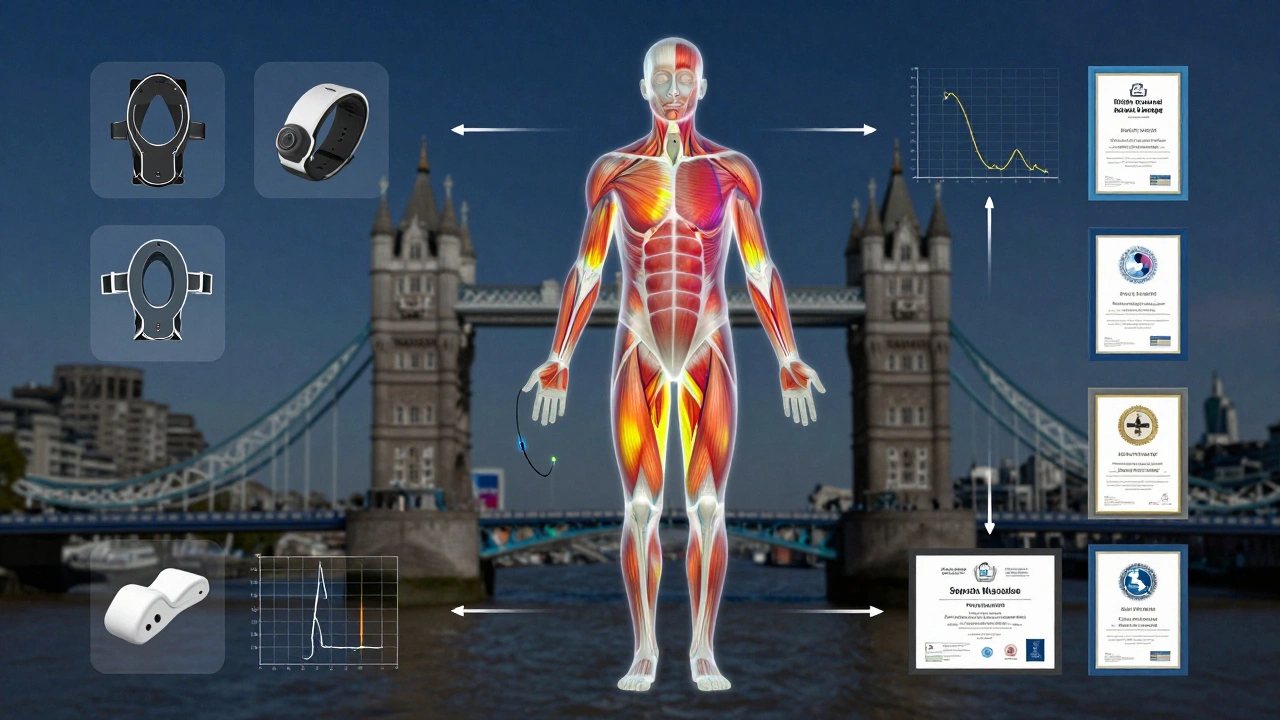
Many clinics now integrate with physiotherapy practices. Some even use handheld ultrasound devices to map muscle density before and after treatment. Others track recovery with wearable sensors that measure muscle recovery speed. It’s not just touch anymore-it’s data-driven.
Common Myths About Sports Massage
There’s a lot of misinformation out there. Let’s clear up a few:
- Myth: It has to hurt to work. False. Pain triggers muscle guarding, which reduces effectiveness. Deep pressure should feel like a "good hurt"-not a scream. If you’re clenching your fists or holding your breath, the therapist is going too hard.
- Myth: One session fixes everything. No. Recovery is cumulative. Just like training, massage builds results over time. Most athletes see noticeable changes after 3-5 sessions.
- Myth: It’s only for pros. Wrong. Anyone who runs, lifts, cycles, or even walks uphill daily can benefit. Londoners who commute on foot or cycle to work often report fewer lower back issues after regular sessions.
- Myth: Massage replaces stretching or foam rolling. It complements them. Foam rolling targets surface tension. Massage reaches deeper layers and addresses movement restrictions you can’t fix on your own.
What to Expect in Your First Session
Your first visit should feel like a consultation, not just a treatment. A qualified therapist will ask:
- What’s your sport or activity?
- How often do you train?
- Where do you feel tightness or pain?
- Have you had any recent injuries?
- What’s your recovery routine like?
They’ll then perform a quick movement screen-maybe ask you to squat, hinge at the hips, or rotate your shoulders. This helps them map out which muscles are overactive and which are underactive. The massage itself usually lasts 60-90 minutes. You’ll be draped appropriately, and only the area being worked on will be exposed.
Afterward, you might feel slightly tired or even a bit sore for 24 hours. That’s normal. Drink water. Move gently. Avoid intense training for the rest of the day.
Choosing the Right Therapist in London
Not everyone who calls themselves a "sports massage therapist" has the right training. Look for these signs:
- They hold a Level 4 qualification in sports massage (recognized by UK Sport or CIMSPA).
- They work with athletes or have case studies from real clients.
- They don’t offer "erotic" or "relaxation" services-sports massage clinics focus on performance and recovery.
- They ask questions about your training, not just your pain.
- They offer follow-up advice-like stretches, hydration tips, or foam rolling routines.
Top clinics in areas like Islington, Wimbledon, and Hackney often list their therapists’ qualifications online. Don’t be afraid to ask for proof.
Who Should Avoid Sports Massage?
While safe for most, sports massage isn’t for everyone. Avoid it if you have:
- Open wounds, burns, or recent surgery in the area
- Deep vein thrombosis (DVT) or blood clotting disorders
- Severe osteoporosis
- Acute inflammation or infection (like a fever or flu)
- Uncontrolled high blood pressure
If you’re unsure, consult your doctor or physiotherapist first. It’s better to be safe than sorry.
The Bottom Line
Sports massage in London isn’t a luxury-it’s a tool. Like proper footwear, hydration, or sleep, it’s part of the foundation for staying active and injury-free. The science is clear: it improves recovery, reduces pain, and helps you train harder, longer. You don’t need to be an elite athlete to benefit. You just need to care about your body enough to treat it right.
Is sports massage painful?
It shouldn’t be. While some pressure is needed to work deep into muscle tissue, pain means your body is tensing up-which defeats the purpose. A good therapist adjusts pressure based on your feedback. You should feel a deep stretch or release, not sharp pain. If it hurts, speak up.
How often should I get a sports massage?
It depends on your training load. Weekend warriors can benefit from once every 2-4 weeks. Serious athletes training 5+ days a week often go weekly. During peak competition seasons, some increase to twice a week. The key is consistency-not intensity. Regular sessions prevent problems before they start.
Can sports massage help with chronic injuries like runner’s knee?
Yes, but not alone. Sports massage can reduce muscle tightness that contributes to knee pain-especially in the IT band, quads, and hamstrings. However, it must be combined with strength training, mobility work, and possibly physiotherapy. Massage addresses symptoms; rehab addresses the root cause.
Do I need to undress for a sports massage?
You’ll be covered with a towel at all times. Only the area being worked on is exposed. Most people wear shorts or underwear. Women often wear sports bras. The therapist will leave the room while you change. Privacy and comfort are standard.
What’s the difference between sports massage and deep tissue massage?
Deep tissue massage targets general chronic tension anywhere in the body. Sports massage is focused on performance, movement, and injury prevention. It uses specific techniques like friction, trigger point therapy, and muscle stripping-all based on the athlete’s sport and biomechanics. A sports therapist knows how a cyclist’s hips differ from a swimmer’s shoulders.
Can sports massage help with post-workout soreness?
Absolutely. Studies show it reduces DOMS (delayed onset muscle soreness) by up to 30%. The massage helps flush out inflammatory byproducts and increases blood flow to tired muscles. Many London runners swear by a 30-minute session 4 hours after a long run to cut recovery time.
If you’re serious about staying active, consistent sports massage isn’t optional-it’s part of your training plan. London has the experts. You just need to show up.