
Top 10 Benefits of Full Body Massage You Didn't Know About
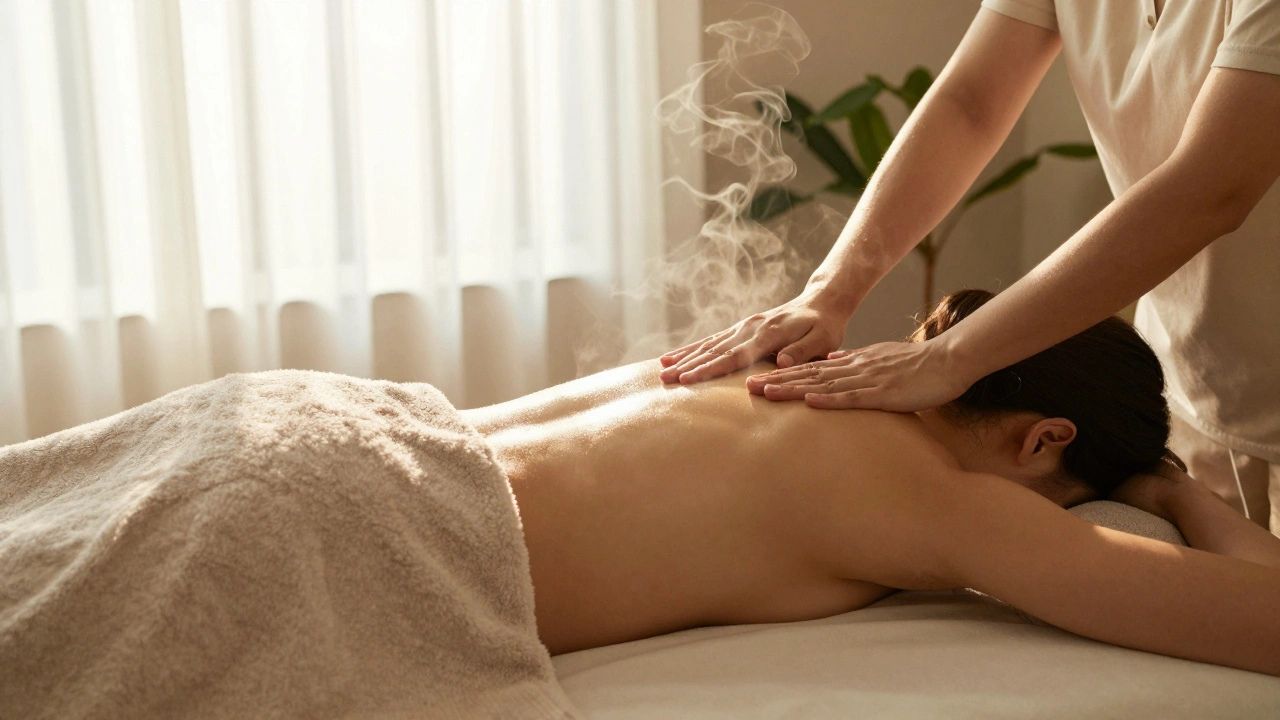
Most people think of a full body massage as just a luxury - something you do when you’re stressed or treating yourself after a long week. But what if the real power of a full body massage goes way beyond relaxation? Turns out, there are dozens of science-backed benefits most people never hear about. You might walk in for tension relief and walk out with better sleep, stronger immunity, and even improved digestion. Here are the top 10 benefits of full body massage you didn’t know about - and why your next session could be one of the smartest health moves you make this year.
1. It Boosts Your Immune System
Regular full body massage doesn’t just make you feel good - it makes you harder to sick. A 2010 study from Cedars-Sinai Medical Center found that people who received weekly massages for five weeks had a 20% increase in lymphocytes, the white blood cells that fight off viruses and bacteria. This isn’t just a temporary spike. The effect lasts for days after each session. Massage reduces cortisol, the stress hormone that suppresses immune function, and increases serotonin and dopamine - the body’s natural mood and immunity boosters. If you’re someone who catches every cold going around, adding a monthly full body massage to your routine could be the quiet game-changer you’ve been missing.
2. It Improves Digestion
Think your gut has nothing to do with your back or shoulders? Think again. The parasympathetic nervous system - the part of your body responsible for rest and digestion - gets activated during a full body massage. When your muscles relax, your digestive organs get more blood flow. This helps move food through your system more efficiently. Many clients report reduced bloating, less constipation, and even fewer acid reflux episodes after consistent massage. Therapists often use gentle circular motions over the abdomen during a full body session, which directly stimulates the intestines. It’s not magic - it’s neurology.
3. It Lowers Blood Pressure Naturally
High blood pressure doesn’t always need a prescription. A 2023 meta-analysis of 16 clinical trials showed that people who received regular full body massage saw an average drop of 10 mmHg in systolic pressure and 5 mmHg in diastolic pressure over eight weeks. That’s comparable to the effect of light aerobic exercise. Massage reduces stress hormones, relaxes blood vessel walls, and improves circulation. For people who can’t or won’t take medication, or who want to reduce their reliance on it, massage offers a safe, non-pharmaceutical option. Just one session won’t do it - but three times a month? That’s a real strategy.
4. It Enhances Sleep Quality Deeply
Struggling to fall asleep or stay asleep? Your muscles might be the culprit. Tension in your neck, shoulders, and lower back keeps your nervous system stuck in ‘alert’ mode. A full body massage triggers the release of melatonin - your body’s natural sleep hormone - while lowering cortisol. In a 2021 University of Miami study, participants with chronic insomnia who received weekly massages for four weeks fell asleep 30% faster and slept 25% longer. They didn’t just sleep more - they slept deeper. If you’ve tried sleep apps, melatonin supplements, or cutting out caffeine and still wake up tired, your body might just need more physical relaxation.
5. It Speeds Up Muscle Recovery After Workouts
Most athletes know foam rolling. Few know that a professional full body massage can reduce muscle soreness by up to 30% faster than rest alone. Why? Massage increases blood flow to fatigued muscles, flushing out lactic acid and inflammatory markers. It also breaks up adhesions - tiny knots in muscle tissue that form after intense training. A 2022 study in the Journal of Athletic Training showed that athletes who got a 30-minute full body massage within two hours of a hard workout recovered strength 20% quicker than those who didn’t. You don’t need to be an Olympian for this to matter. If you run, cycle, lift weights, or even take long walks, your muscles will thank you.
6. It Reduces Chronic Pain Without Medication
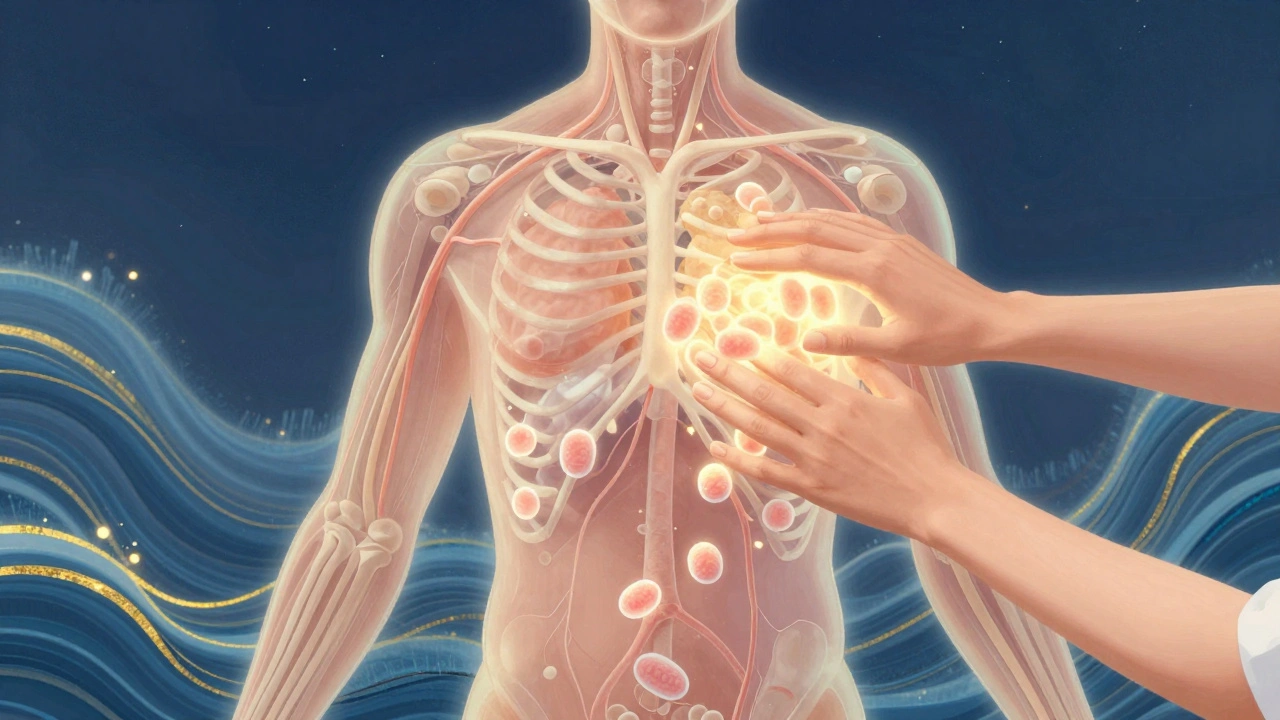
Back pain? Arthritis? Fibromyalgia? Massage doesn’t just mask pain - it changes how your nervous system processes it. A 2020 review in the Annals of Internal Medicine found that massage therapy was as effective as physical therapy for chronic lower back pain, with fewer side effects. Massage stimulates gate control theory - where pressure signals from the skin override pain signals traveling to the brain. It also reduces inflammation at the cellular level. For people on long-term painkillers, massage offers a way to reduce dosage without losing quality of life. It’s not a cure, but it’s one of the few non-drug treatments with strong, repeatable results.
7. It Improves Skin Tone and Elasticity
Your skin is your largest organ - and it loves massage. The pressure and movement during a full body session increase circulation to the skin’s surface, delivering more oxygen and nutrients. This boosts collagen production and helps remove toxins through sweat and lymphatic drainage. Many clients notice their skin looks brighter, feels softer, and even looks firmer after just a few sessions. It’s not a replacement for skincare, but it’s a powerful complement. If you’ve been using expensive creams and seeing little change, try pairing them with monthly massage. You’ll see results where lotions can’t reach.
8. It Helps with Anxiety and Emotional Balance
Massage isn’t just physical - it’s deeply emotional. The human touch, especially when delivered with care and consistency, lowers levels of the stress hormone cortisol by up to 50% in just one session. At the same time, it increases oxytocin - the bonding hormone linked to trust and calm. People dealing with anxiety, grief, or burnout often report feeling emotionally lighter after a session, even if they didn’t talk about anything. This isn’t placebo. Neuroimaging studies show reduced activity in the amygdala - the brain’s fear center - after massage. If you’ve tried therapy, meditation, or medication and still feel on edge, your body might be holding onto more than you realize.
9. It Enhances Respiratory Function
Ever notice how tense your chest and shoulders feel when you’re stressed? That tension restricts your breathing. A full body massage, especially when it includes the upper back, shoulders, and ribcage, helps release those tight muscles. This allows your lungs to expand more fully. A 2019 study in the Journal of Bodywork and Movement Therapies found that people with mild asthma who received weekly massages improved their lung capacity by 15% over six weeks. Even if you don’t have asthma, better breathing means more energy, clearer thinking, and less fatigue. If you’ve ever felt like you can’t take a full breath, massage might be the missing piece.
10. It Supports Detoxification Through Lymphatic Flow
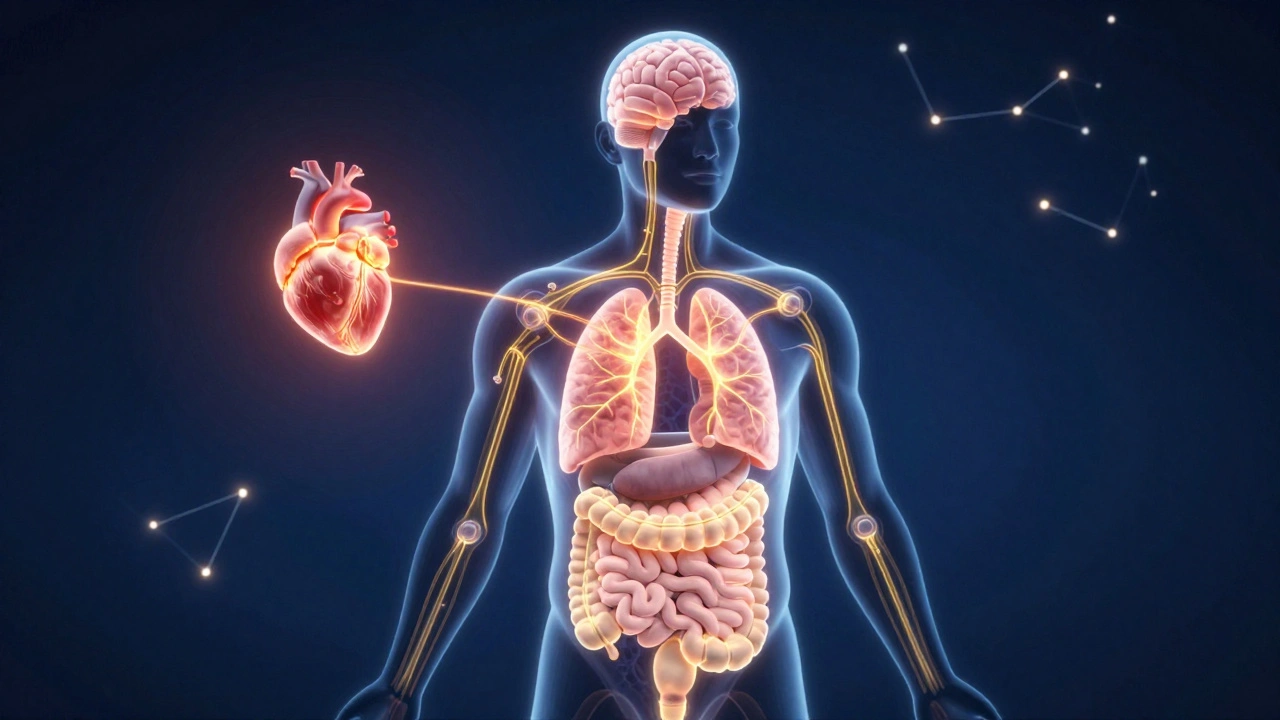
Your lymphatic system - the body’s waste removal network - doesn’t have a pump like your heart. It relies on movement. Massage, especially with long, sweeping strokes, helps move lymph fluid through your body, carrying away metabolic waste, excess fluids, and toxins. This isn’t about ‘flushing out poisons’ like some wellness blogs claim - it’s about supporting your body’s natural cleanup crew. People who get regular full body massages often report less swelling in their hands and feet, fewer headaches, and clearer skin. It’s subtle, but it’s real. And it happens without pills, juices, or extreme diets.
What to Expect in a Full Body Massage Session
A typical full body massage lasts 60 to 90 minutes. You’ll lie on a warm table, covered with a towel. The therapist will work on your back, legs, arms, neck, feet, and sometimes your head and abdomen - depending on your needs. Oil or lotion is used to reduce friction. Pressure can be adjusted - light for relaxation, deeper for muscle release. You don’t need to talk. In fact, silence is encouraged. Most people fall asleep. That’s normal. Afterward, drink water. Your body is releasing fluids and toxins. Avoid caffeine or heavy meals right after. Give yourself an hour to feel the full effects.
How Often Should You Get One?
For general wellness: once a month. For chronic pain or high stress: every two weeks. For athletes or physically demanding jobs: weekly. Most people feel a difference after just one session. But the real benefits - immune boost, better sleep, lower blood pressure - show up after 4 to 6 consistent sessions. Think of it like brushing your teeth. One time won’t prevent cavities. But doing it daily? That’s how you stay healthy.
Who Should Avoid Full Body Massage?
Most people can safely get a full body massage. But if you have: an active infection, fever, open wounds, blood clots, recent surgery, or severe osteoporosis - check with your doctor first. Pregnant women can get massage too, but only from therapists trained in prenatal care. Always tell your therapist about any health conditions, medications, or recent injuries. Honesty makes it safer - and more effective.
Can full body massage help with weight loss?
No, massage doesn’t directly burn fat or cause weight loss. But it can support weight management indirectly. By reducing stress hormones like cortisol - which are linked to belly fat storage - and improving sleep and digestion, massage helps create a body environment where healthy habits stick better. It’s not a weight loss tool, but it removes barriers that make weight loss harder.
Is a full body massage the same as a Swedish massage?
Not exactly. Swedish massage is a type of full body massage that uses long, flowing strokes, kneading, and circular movements to relax muscles. But ‘full body massage’ is a broader term - it can include Swedish techniques, deep tissue, myofascial release, or even aromatherapy. A full body massage focuses on covering the entire body, while Swedish refers to the style. Most spas offer a full body Swedish massage as their standard option.
Do I need to undress completely for a full body massage?
No. You should undress to your comfort level. Most therapists use draping - covering you with towels, revealing only the area being worked on. You’ll always be private. If you’re uncomfortable, say so. A good therapist will adjust. Many people keep their underwear on. What matters is that your skin is accessible to the therapist’s hands - not how much you take off.
Can I get a full body massage if I have sensitive skin?
Yes. Most therapists use hypoallergenic oils or lotions - like sweet almond or grapeseed oil - that are gentle on sensitive skin. Always let your therapist know about allergies or skin conditions like eczema or psoriasis before the session. They can adjust the products and pressure. Some even offer fragrance-free options.
Why do I feel tired after a massage?
It’s normal. Your body just went through deep physical and nervous system recalibration. Muscles released tension, circulation increased, and stress hormones dropped. That’s a lot of activity for your system to process. Drink water, rest, and avoid intense exercise or caffeine right after. Most people feel energized the next day.
Is a full body massage worth the cost?
If you’re using it as a one-off treat, maybe not. But if you treat it like preventive healthcare - like dental checkups or exercise - then yes. Think of it as investing in fewer doctor visits, less painkiller use, better sleep, and lower stress. A £60 session every four weeks is cheaper than a monthly prescription or missed workdays from chronic pain. The return on investment isn’t just financial - it’s in your quality of life.
Next Steps: How to Get Started
Look for a licensed massage therapist with experience in full body work. Check reviews that mention pain relief, relaxation, or improved sleep - not just ‘great hands.’ Ask if they offer a consultation before your first session. Start with a 60-minute session. Don’t rush into deep pressure. Let your body adjust. Book it like you would a doctor’s appointment - not as a treat, but as part of your health routine. Your body will notice the difference - long before you do.


Tyler Crimp
January 17, 2026 AT 19:06I used to think massage was just a fancy spa thing until I started getting them monthly for my lower back pain. After three sessions, I stopped needing ibuprofen just to sit at my desk. Not to mention I sleep like a rock now. No more midnight tossing and turning. My partner even noticed I’m less irritable. It’s wild how something so simple can fix so much.
Also, I didn’t know about the lymphatic drainage thing - now I drink way more water after sessions. Feels like my body finally got a reset button.
Madison Horst
January 18, 2026 AT 22:41okay but the digestion part? game changer. i had constant bloating for years, tried everything - probiotics, gluten free, keto, you name it. nothing worked. then i got a massage and the therapist did those little circular moves on my stomach and i swear i felt my gut go ‘ohhhhhhh’.
two months later, no more afternoon bloat. i dont even think about it anymore. also, my skin looks less puffy? weird how all this connects. why dont doctors talk about this more?
Frank Naessens
January 19, 2026 AT 17:37the blood pressure thing is legit. my dad’s been getting weekly massages for his hypertension and his numbers dropped from 150/95 to 128/82 in three months. no meds changed, just massage. he’s 72 and says he feels like he’s 55 again.
also, the sleep thing - i used to be the guy who’d wake up at 3am thinking about work. now i just zone out during the massage and wake up feeling like i napped for six hours. crazy how touch can rewire your nervous system.
Patricia Estera Esquejo
January 20, 2026 AT 10:39I’ve been saying this for years and no one listens. Massage isn’t a luxury - it’s a medical necessity. Your body isn’t a machine you can ignore until it breaks. You think caffeine and Advil fix stress? No. They just bury it deeper until your immune system collapses or your heart gives out.
I had a client with fibromyalgia who couldn’t walk without pain. After six weeks of weekly sessions? She hiked Mount Tamalpais. Sixty dollars a week to avoid a lifetime of opioids? That’s not expensive - that’s revolutionary. Why are we still treating pain like it’s a moral failing instead of a physical signal?
Stop normalizing suffering. Your body is begging you to slow down. Listen.
julia costa
January 21, 2026 AT 12:19