
What Makes a Great Massage Therapist? Key Qualities to Look For
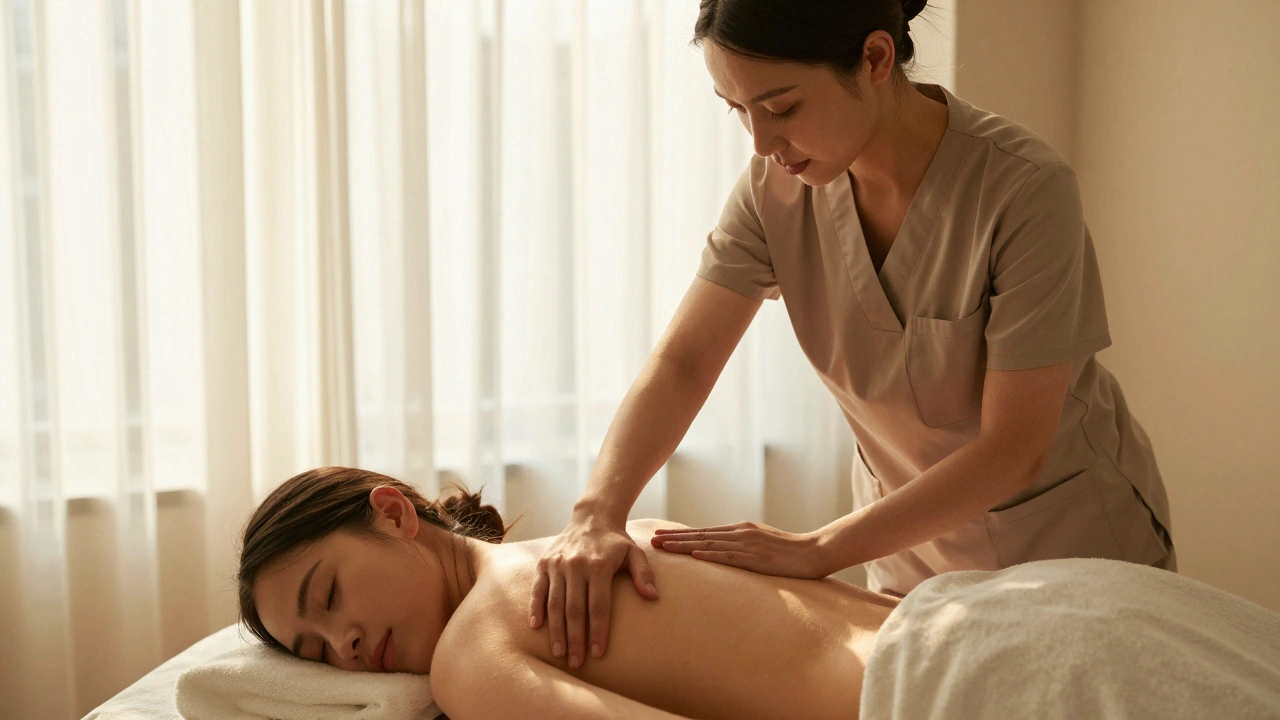
Not all massage therapists are the same. You can walk into a spa, book a session, and walk out feeling like you’ve been pummeled instead of pampered. Or you can find someone who truly listens, reads your body, and leaves you feeling lighter, calmer, and more connected to yourself. So what’s the difference? What makes a great massage therapist stand out from the rest?
They Listen More Than They Touch
A great massage therapist doesn’t just show up with a checklist of strokes. They start by asking questions. Not the kind you’d expect from a doctor’s intake form - "Do you have any injuries?" - but deeper ones. "What’s been bothering you lately?" "Where do you carry stress?" "Do you prefer firm pressure or something softer?" I’ve seen therapists who skip this part entirely. They assume everyone wants deep tissue, even if you’re tense from sitting at a desk all day. The best ones adjust on the fly. If you flinch when they press your shoulder, they don’t push harder. They pause. They ask. They change their approach. That’s not just skill - that’s empathy in motion.They Know Their Hands Are Tools, Not Weapons
Massage isn’t about brute force. Some therapists think pressure equals effectiveness. It doesn’t. A great therapist uses their whole body - forearms, elbows, knuckles - not just their thumbs. They know how to apply weight with control, not just strength. You shouldn’t leave with bruises unless you asked for deep tissue. I remember one session where the therapist used the edge of her forearm to glide along my spine. It felt like warm oil flowing under my skin. No digging. No cracking. Just smooth, intentional movement. That’s technique. That’s training. That’s the difference between someone who learned a few moves online and someone who spent years mastering anatomy and biomechanics.They’re Trained, Certified, and Keep Learning
Anyone can call themselves a massage therapist. But not everyone has completed a certified course. In the UK, most reputable practitioners hold qualifications from organisations like the Complementary and Natural Healthcare Council (CNHC) or City & Guilds. Look for credentials. Ask where they trained. But certification isn’t the end. The best therapists keep learning. They take workshops in myofascial release, prenatal massage, or scar tissue mobilisation. They read journals. They talk to physiotherapists. They understand how muscles connect, how nerves run, how inflammation responds to touch. A therapist who says "I do everything" without specifics might be guessing. One who talks about trigger points or lymphatic flow? That’s someone who knows their stuff.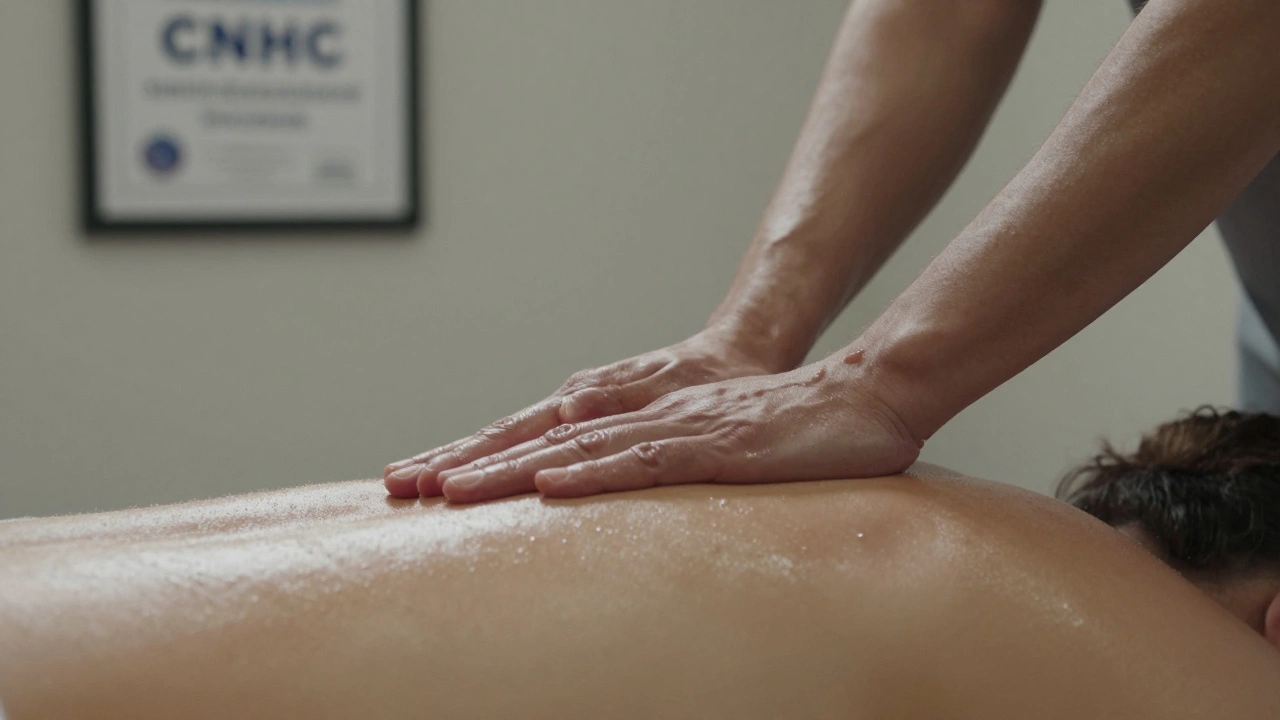
They Notice What You Don’t Say
Your body talks even when you’re silent. A great therapist picks up on tension you didn’t even realise you had. Maybe your left hip is higher than your right. Maybe your breath catches when they near your lower back. Maybe you sigh deeply when they touch your neck - not from pain, but from relief. I’ve had therapists who noticed I was holding my jaw tight during a shoulder massage. Without saying a word, they gently guided my head into a supported position and held it there for a full minute. I didn’t even know I was clenching. That’s intuition built on experience.They Respect Boundaries - Physical and Emotional
Massage isn’t just about muscles. It’s about trust. A great therapist knows how to create a safe space. They leave the door slightly open. They ask before adjusting your position. They never assume comfort. They don’t make you feel guilty for being shy or quiet. I once had a therapist who noticed I was nervous and said, "You don’t have to talk. I’ll just follow your body." That moment of quiet respect meant more than any technique ever could.They Don’t Sell You a Package
The worst therapists turn every session into a sales pitch. "You need a monthly package." "This oil is our bestseller." "You should try our hot stone upgrade." A great therapist focuses on your needs, not their revenue. They might suggest a follow-up if they see real progress - but they don’t pressure you. They let you decide. If you’re coming in for tension relief after a long week, they don’t try to upsell you into a full-body detox. They give you what you came for - and maybe a little extra, because they care.
They Leave You Feeling Whole, Not Just Relaxed
Some massages make you sleepy. Others make you feel like you’ve been hit by a truck. A great massage leaves you feeling balanced. Like your body finally caught up with your mind. You might notice you’re breathing deeper. Your shoulders drop. Your neck doesn’t feel like a knot anymore. You walk out without reaching for your phone. You feel present. That’s not luck. That’s skill.They’re Consistent
One great session doesn’t make a great therapist. Consistency does. You should be able to come back month after month and get the same level of care. No random moods. No skipped warm-ups. No rushed sessions because they’re behind schedule. I’ve had therapists who were brilliant one week and off the next. One time, they were distracted. Didn’t ask how I was feeling. Just started massaging. I left feeling worse. That’s why reviews matter - not just the star rating, but the patterns in the comments. "Always professional." "Never rushes." "Knows exactly where to press." Those are the signs.They Treat You Like a Person, Not a Appointment
The best massage therapists remember your name. They remember you mentioned your dog passed last month. They don’t ask why you’re stressed - they nod and say, "That’s a lot to carry." They don’t rush you out the door. They ask if you want water. They hand you a warm towel. They don’t check their watch. They’re fully there. And that presence? It’s the quietest, most powerful part of the whole experience.If you’re looking for a great massage therapist, don’t just look at their prices or their website photos. Look at how they talk. How they listen. How they move. The right one won’t just fix your muscles. They’ll help you reconnect with yourself.
How do I know if a massage therapist is properly certified?
In the UK, look for registration with the Complementary and Natural Healthcare Council (CNHC) or certification from accredited bodies like City & Guilds or VTCT. These organisations require at least 600 hours of training, anatomy and physiology exams, and ongoing professional development. Always ask to see their certificate - a reputable therapist will have no problem showing it.
Should I go for a deep tissue massage if I’m not in pain?
Not necessarily. Deep tissue isn’t better - it’s just different. It’s designed for chronic tension, sports injuries, or thick muscle layers. If you’re just feeling stiff from sitting all day, a Swedish or relaxation massage will do more good without leaving you sore. A great therapist will match the technique to your goals, not push you into something intense just because it’s "more effective."
Can a massage therapist help with chronic stress?
Yes - but not by magic. Massage lowers cortisol levels and activates the parasympathetic nervous system, which helps your body shift out of "fight or flight" mode. Regular sessions - even once a month - can help reset your stress response over time. But it works best when paired with sleep, movement, and mindfulness. A good therapist will notice patterns in your tension and may suggest simple stretches or breathing techniques to try at home.
What should I wear during a massage?
Wear whatever makes you comfortable. Most therapists provide draping - meaning only the area being worked on is uncovered, and everything else stays covered with towels. Many people choose to undress completely, but others keep their underwear on. A professional will never make you feel awkward about your choice. Your comfort comes first.
Is it normal to feel sore after a massage?
A little soreness can happen after deep tissue or sports massage, especially if you haven’t had one in a while. But sharp pain, bruising, or lasting discomfort isn’t normal. If you’re sore for more than two days, the pressure may have been too much. A great therapist will adjust based on your feedback - they don’t believe "no pain, no gain."
How often should I get a massage for best results?
For general stress relief or maintenance, once a month works well. If you have chronic tension, sports injuries, or high stress, every 2-3 weeks helps keep things balanced. Athletes or people with desk jobs often benefit from weekly sessions. The key isn’t frequency - it’s consistency. Even one session every two months can make a difference if you’re tuned in to your body’s signals.
When you find a therapist who gets it - who listens, respects, and truly understands your body - you’ll know. It’s not about the oil, the music, or the candles. It’s about the quiet confidence in their hands. And that’s something no marketing brochure can fake.