
Why Massage Therapists Are Healthcare's Unsung Heroes

Massage therapists are a vital but often overlooked part of healthcare teams. Every day in hospitals across Australia, they quietly ease pain and anxiety for patients. Yet most people don’t realize how much they contribute to recovery. A 2023 study found over 60% of hospital staff don’t even know massage therapists are part of their team. Let’s uncover why these professionals deserve more recognition.
Key Takeaways
- Massage therapists reduce pain and anxiety in hospitals, yet often go unrecognized.
- They work alongside doctors and nurses to improve patient recovery.
- Studies show massage therapy cuts pain scores by up to 30% in chronic conditions.
- Insurance coverage for massage therapy is limited in many healthcare systems.
- Patients can advocate for massage therapy as part of their treatment plan.
How Massage Therapists Help with Pain Management
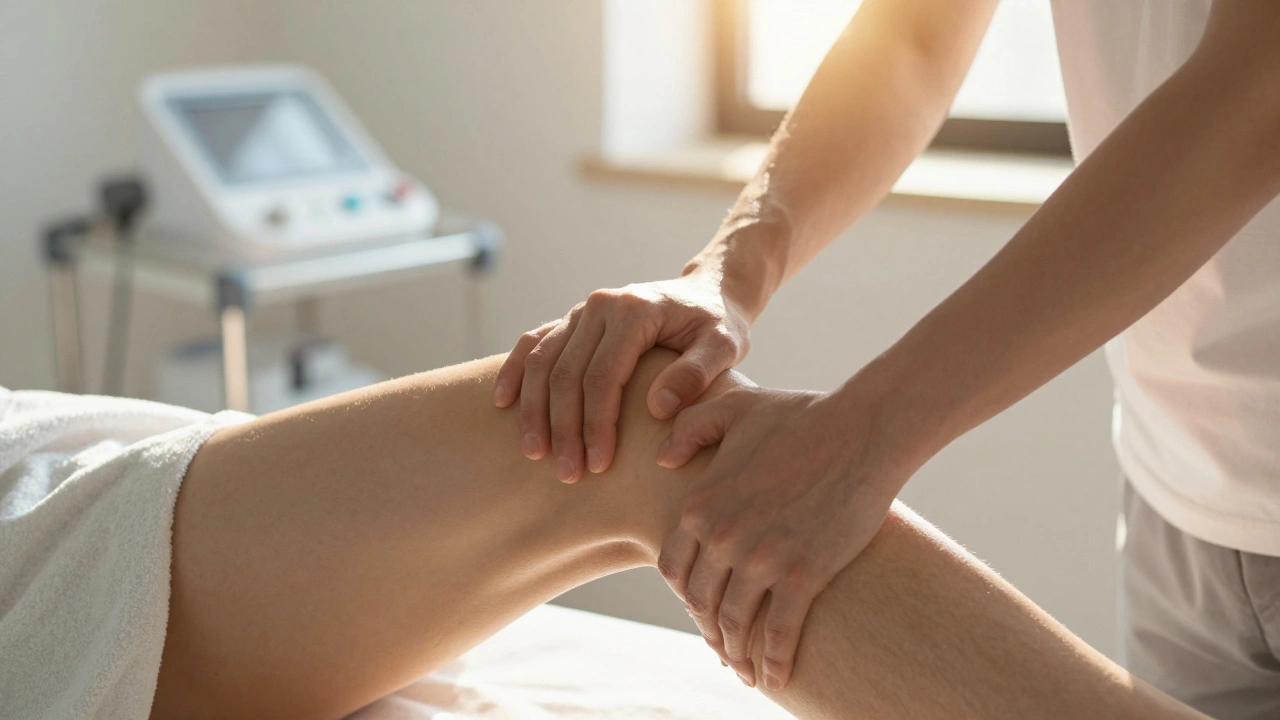
After surgery, patients often struggle with pain. Traditional painkillers can cause drowsiness or nausea. Massage therapists offer a drug-free alternative. At Melbourne’s Royal Hospital, therapists schedule sessions for post-op patients. A 2024 report from the Australian Institute of Health and Welfare showed patients receiving massage therapy had 25% faster recovery times. For example, a woman recovering from knee replacement surgery found relief through gentle massage. She moved her leg sooner and needed fewer painkillers.
Mental Health and Stress Reduction
Stress and anxiety are common in hospitals. Cancer patients face immense emotional strain. Massage therapists lower cortisol levels and promote relaxation. In Sydney’s oncology units, sessions reduce nausea and improve sleep. One patient shared, "After a massage, my stress dropped so much I could talk to my family without feeling overwhelmed." Research in the Journal of Clinical Oncology confirms massage therapy reduces anxiety scores by 20-30% in clinical settings.
Working with Healthcare Teams
Massage therapists don’t work alone. They collaborate with doctors, nurses, and physical therapists. At the Royal Melbourne Hospital, therapists attend daily care meetings. They share insights on a patient’s pain levels and mobility. This teamwork ensures treatments are coordinated. For instance, a physical therapist might recommend massage before exercises to loosen tight muscles. Doctors often refer patients for non-pharmacological pain relief. This integrated approach leads to better outcomes.
The Evidence Behind the Practice
Decades of research support massage therapy’s effectiveness. A 2022 review in the Journal of Pain Management found chronic back pain patients had 30% lower pain scores after regular sessions. Another study showed cancer patients experienced less fatigue. Australian hospitals now include massage therapy in pain management guidelines. The Australian Institute of Health and Welfare states it’s a proven tool for improving recovery. This isn’t just comfort-it’s real health improvement.

Why Massage Therapists Are Overlooked
Despite the evidence, massage therapists remain underappreciated. Many healthcare systems prioritize drugs and surgery over hands-on therapies. Insurance often doesn’t cover massage therapy, making it inaccessible. Some doctors still view it as "alternative" rather than mainstream care. In Australia, public hospitals rarely have dedicated massage therapists. This lack of integration means patients miss out on benefits. It’s a systemic issue that needs addressing.
How to Support Massage Therapy in Healthcare
Patients can advocate for themselves. Ask your doctor if massage therapy fits your condition. Private health funds in Australia often cover sessions, so check your policy. Hospitals can integrate therapists into care teams, as seen in leading facilities. Educating healthcare providers about the benefits is key. When patients, doctors, and therapists work together, everyone wins.
Can massage therapy replace medical treatment?
No, massage therapy is complementary. It works alongside medical treatments like surgery or medication. For instance, a patient with a broken bone needs a cast first, then massage to ease muscle stiffness around the injury. Always consult your doctor before starting massage therapy.
Is massage therapy covered by insurance in Australia?
Some private health funds cover massage therapy under "extras" policies, but public hospitals rarely include it. Coverage varies by provider, so check your policy details. Many therapists also offer bulk-billed sessions for concession card holders.
What conditions do massage therapists treat?
They specialize in pain management, stress relief, and mobility issues. Common conditions include chronic back pain, post-surgical recovery, cancer-related fatigue, and anxiety. Therapists tailor sessions to each patient’s needs-no two treatments are identical.
How do I find a qualified massage therapist?
Look for practitioners registered with the Australian Association of Massage Therapists. They must complete accredited training and maintain professional insurance. Hospitals often have in-house therapists vetted by medical staff.
Can massage therapy help with mental health?
Absolutely. Studies show it reduces symptoms of depression and anxiety by lowering stress hormones. In mental health clinics, therapists use gentle techniques to create a calming environment. It’s especially effective when combined with counseling or medication.
Gail Ingram
February 5, 2026 AT 03:05I've seen firsthand how massage therapists help patients in hospitals. They're part of the team that makes recovery smoother. It's time we give them the credit they deserve!
Paul Waller
February 5, 2026 AT 18:38They really do make a difference, but nobody talks about it.
Kirsty Edwards
February 7, 2026 AT 07:21Massage therapy? It's a nice idea, but honestly, is it really necessary? I mean, we have doctors and nurses for a reason! It's just a fad, right?!!!
Nelly Todorova
February 7, 2026 AT 22:24Oh come on! You have no idea! I've had massage therapy help me through cancer treatments. It's not a 'fad'-it's life-changing! How can you say that?!
Richard Jahnke
February 8, 2026 AT 02:16While I appreciate the sentiment, this is why American healthcare is superior. In the United States, we have comprehensive coverage for such therapies. Australia's system is clearly lacking.
Nathan Poupouv
February 9, 2026 AT 12:40Massage therapists are truly vital but often overlooked.
They play a key role in pain management and recovery.
For example, after surgery, patients often need pain relief without more drugs.
Massage can help reduce swelling and speed up healing.
In my experience, a friend of mine had knee surgery and the massage therapy sessions made a huge difference.
She was able to move sooner and needed fewer painkillers.
It's not just about comfort-it's about real medical benefits.
Studies show it cuts pain scores by up to 30% in chronic conditions.
Insurance coverage is still a big issue though.
Many systems don't cover it, which limits access.
We need to push for more integration into healthcare teams.
Hospitals like the Royal Melbourne Hospital already do this, and it works.
It's time to recognize these professionals as essential healthcare providers.
From what I've seen, integrating them into standard care plans leads to better outcomes for everyone involved.
More research is needed, but the current evidence is strong.