
Best Massage in London: Relax and Rejuvenate with Top Therapies
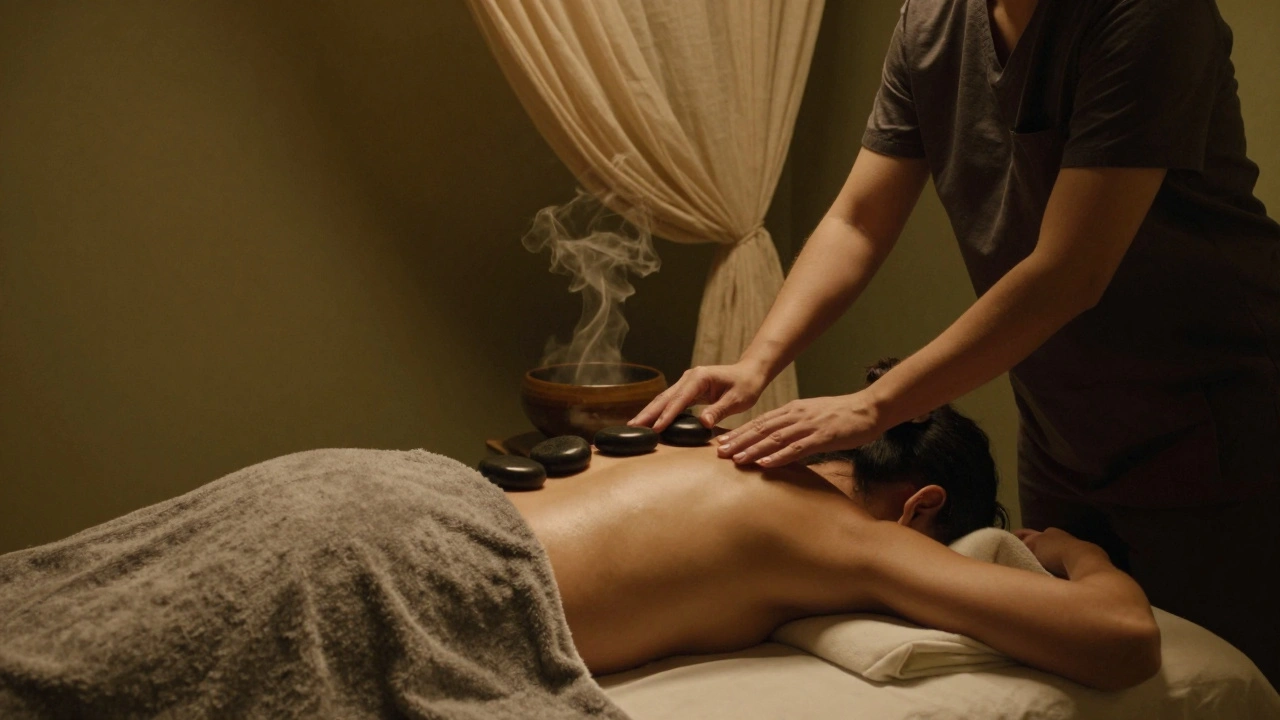
London isn’t just about busy streets and endless meetings-it’s also home to some of the most restorative massage experiences in the world. If you’ve ever left a long day at work feeling like your body is made of concrete, you know what true relief feels like. The right massage doesn’t just loosen tight muscles; it resets your nervous system, lowers cortisol, and brings back a sense of calm you didn’t know you were missing.
Why London’s Massage Scene Stands Out
London has over 1,200 registered massage therapists and more than 300 dedicated wellness studios. What sets it apart isn’t just the number-it’s the diversity. You can walk into a hidden alley in Notting Hill and find a traditional Thai massage using herbal compresses, or step into a sleek Mayfair clinic where hot stone therapy is paired with aromatherapy oils imported from Provence. The city blends ancient techniques with modern science, and therapists here often train in multiple modalities-Swedish, deep tissue, myofascial release, and even lymphatic drainage.
Unlike other cities where massage is treated as a luxury add-on, London sees it as part of daily wellness. A 2024 survey by the British Association of Massage Therapists found that 68% of regular clients use massage to manage chronic stress, not just soreness. That’s why the best spots don’t just offer a service-they offer a reset.
What Makes a Massage Truly Restorative?
Not all massages are created equal. A good one leaves you feeling lighter, not just less tense. Here’s what separates the best from the rest:
- Pressure that adapts - The best therapists check in constantly. They don’t assume you want deep pressure. If you flinch, they adjust. If you sigh, they go deeper.
- Environment that soothes - Dim lighting, quiet music, clean linens, and no distracting smells. Even the scent of lavender should feel intentional, not overpowering.
- Time that matters - A 30-minute session is fine for a quick neck release. But real rejuvenation? That takes 60 to 90 minutes. Anything shorter often feels rushed.
- Follow-up care - The top places give you simple tips: drink water, avoid caffeine for a few hours, stretch gently. They treat you like a patient, not a customer.
One client in Chelsea told me she’d tried six places before finding one that actually helped her chronic shoulder pain. The seventh therapist asked about her sleep habits, her desk setup, and whether she carried her bag on one shoulder. That’s the difference.
Top Massage Styles in London (And Who They’re For)
Choosing the right type of massage is like picking the right workout. It depends on what you need right now.
- Swedish Massage - Gentle, flowing strokes. Best for beginners, stress relief, or if you just want to melt into the table. Ideal if you’ve never had a massage before or if you’re recovering from illness.
- Deep Tissue Massage - Focused pressure on knots and chronic tension. Great for runners, desk workers, or anyone with tight upper backs and hips. Not for the faint of heart-it can feel intense, but the relief lasts for days.
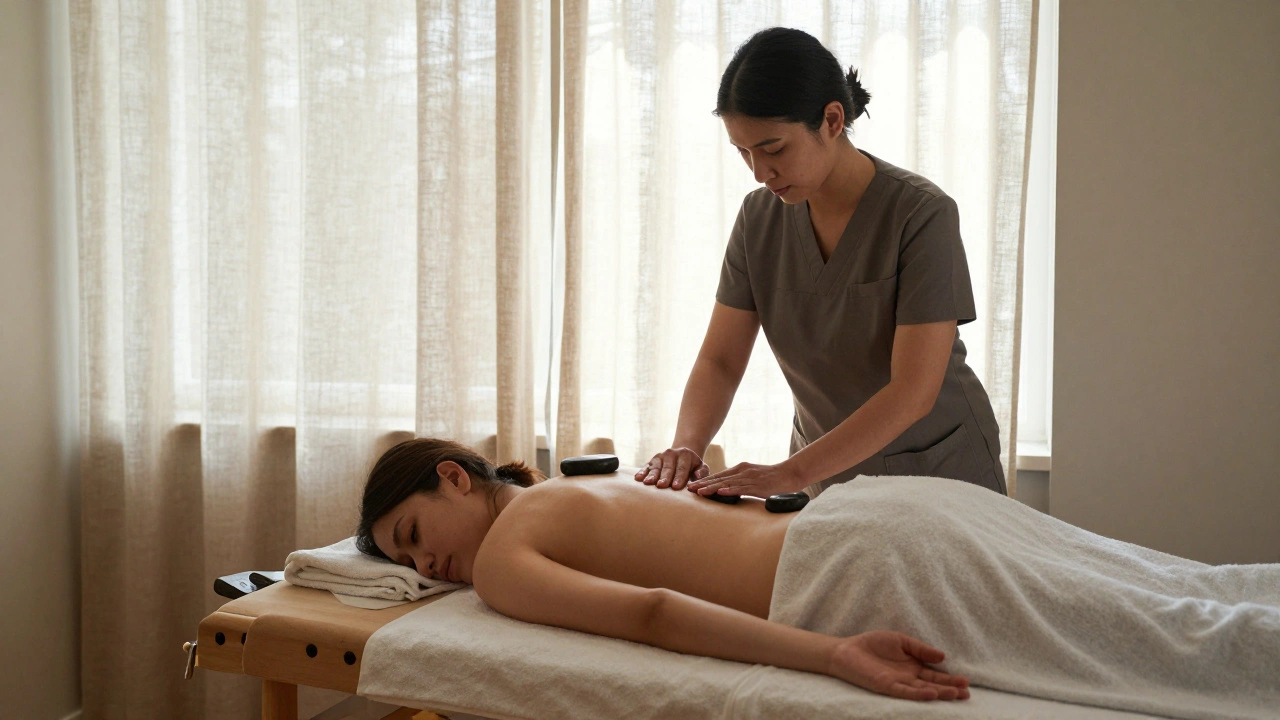
- Hot Stone Massage - Smooth, heated stones placed along your spine and muscles. The warmth relaxes deep tissue faster than hands alone. Perfect for winter months or if you always feel cold.
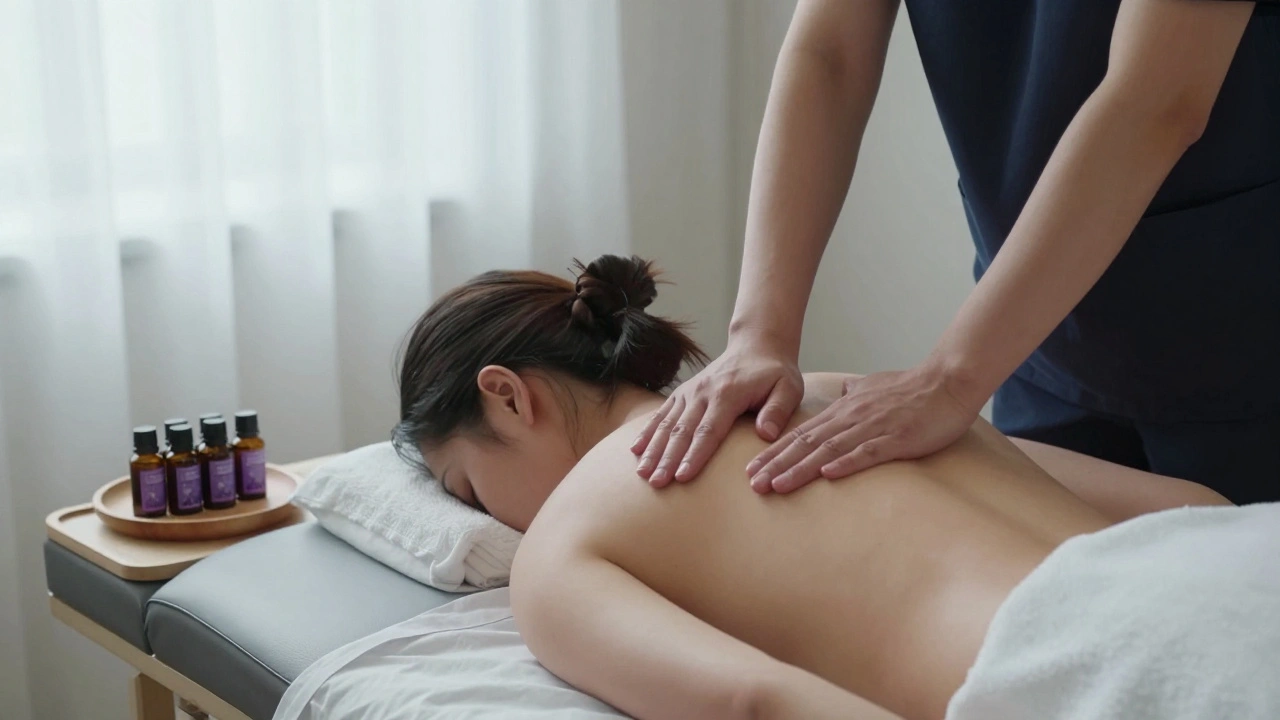
- Aromatherapy Massage - Essential oils like bergamot, eucalyptus, or chamomile are blended into the oil. Helps with anxiety, sleep issues, or low energy. Avoid if you have sensitive skin or allergies.
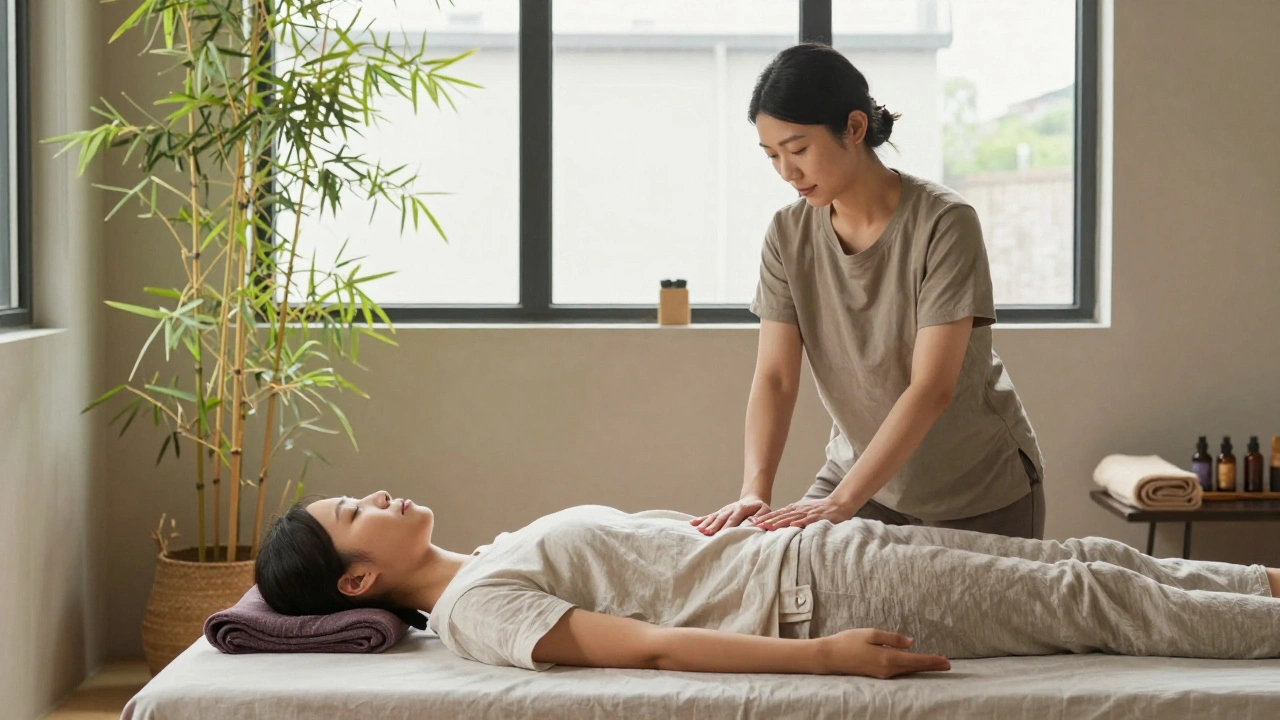
- Thai Massage - No oils, no table. You stay dressed, and the therapist guides you through stretches like yoga. Great for stiffness, poor posture, or if you want to feel mobile after.
- Lymphatic Drainage Massage - Extremely light, rhythmic touches. Helps reduce swelling, boosts immunity, and improves skin clarity. Popular after travel, surgery, or during allergy season.
Most top London clinics let you mix styles. A 90-minute session might start with hot stones, move into deep tissue on your back, and end with aromatherapy on your temples. Customization is the norm, not the exception.
Where to Find the Best Massage in London
Here are three standout places that consistently get high marks-not just for their techniques, but for their attention to detail:
- The Sanctuary Spa (Notting Hill) - Known for their signature Recharge Ritual, a 90-minute blend of hot stone, Swedish, and aromatherapy. Therapists are certified in both Eastern and Western methods. Book ahead-slots fill up weeks in advance.
- Body Balance London (Mayfair) - Focuses on therapeutic outcomes. They offer free 15-minute consultations before your first session to assess your tension patterns. Their deep tissue work is backed by physiotherapists.
- Green Lotus Wellness (Camden) - A quieter, more holistic space. Offers Thai massage, reflexology, and even guided breathing sessions after your treatment. Their oils are organic and vegan. Great for those who want a mindful experience.
Don’t overlook smaller studios in areas like Peckham or Hackney. Some of the most skilled therapists work independently, offering private sessions out of converted lofts. Check reviews on trusted platforms like Trustpilot or Google-look for patterns in feedback, not just star ratings.
What to Expect on Your First Visit
Your first massage should feel welcoming, not intimidating. Here’s the typical flow:
- You’ll fill out a short form: medical history, areas of pain, preferences (pressure, music, scent).
- You’ll be shown to a private room with a heated table, clean towels, and a robe.
- The therapist will knock before entering and ask if you’re comfortable with the temperature and music.
- You’ll undress to your comfort level-most people keep underwear on. Sheets cover you at all times.
- They’ll leave the room while you get settled. You’ll be told when to come out.
- During the massage, speak up if something hurts or feels off. No judgment.
- Afterward, you’ll get water, maybe a herbal tea, and time to rest before dressing.
Most places offer a quiet room to sit in afterward. Don’t rush out. Let your body absorb the relaxation. You’ll feel it more if you give it five minutes.
How Often Should You Get a Massage?
There’s no one-size-fits-all answer. But here’s a practical guide:
- Once a month - For general stress relief and maintenance. Good for office workers, parents, or anyone with a busy schedule.
- Every two weeks - If you’re active (runner, gym-goer, dancer) or have ongoing tension in your neck, shoulders, or lower back.
- Weekly - For chronic pain, recovery from injury, or high-stress periods (like job changes or family transitions).
Some people do a 3-session package and then reassess. Many clinics offer loyalty discounts after three visits. It’s worth asking.
Red Flags to Watch For
Not every place that says "massage" is safe or professional. Avoid these:
- Therapists who don’t ask about your health history.
- Places that don’t use clean linens or reuse towels.
- Staff who pressure you into extra services or upsell oils you didn’t ask for.
- Locations that are poorly lit, have no privacy, or feel like a hotel room with a table.
- Prices that seem too low-£25 for a 60-minute massage? That’s usually a sign of underpaid staff or unlicensed workers.
Legitimate therapists are registered with bodies like the Complementary and Natural Healthcare Council (CNHC) or the Federation of Holistic Therapists (FHT). Ask to see their credentials. You have the right to know who’s touching your body.
Make It a Habit, Not a Treat
The best massage in London isn’t the one with the fanciest décor or the most Instagrammable candles. It’s the one you keep coming back to-because it works. Consistency matters more than intensity. A 30-minute session every other week does more for your nervous system than a 90-minute treat once a year.
Think of it like sleep or hydration. You don’t wait until you’re exhausted to rest. You build it into your rhythm. Start with one session. Notice how your shoulders feel the next day. Notice how you breathe deeper at night. Then go again.
London’s pace won’t slow down. But you don’t have to carry it all. A good massage doesn’t just relax your muscles-it reminds you that rest isn’t a reward. It’s a requirement.
What’s the average cost of a massage in London?
A 60-minute massage in London typically costs between £60 and £100, depending on location and therapist experience. Premium clinics in Mayfair or Knightsbridge may charge £120-£150. Budget options under £50 often skip proper hygiene or therapist training. Stick to registered professionals.
Is it okay to get a massage if I’m pregnant?
Yes-many London therapists specialize in prenatal massage. Look for practitioners trained in pregnancy-specific techniques. Avoid deep pressure on the abdomen and inner thighs. The best studios will ask for your trimester and may use side-lying positions for comfort.
Can massage help with anxiety?
Absolutely. Studies show massage lowers cortisol by up to 31% and increases serotonin and dopamine. Aromatherapy and gentle Swedish techniques are especially effective for anxiety. Many London clinics now offer mindfulness-integrated sessions with breathing guidance.
Should I tip my massage therapist in London?
Tipping isn’t expected in London’s professional massage industry. Therapists are paid a fair wage, and prices reflect that. If you want to show appreciation, leave a Google review or refer a friend. That means more than a 10% tip.
How long do the effects of a massage last?
Immediate relaxation lasts 24-48 hours. Muscle tension relief can last a week or more, especially with deep tissue or myofascial work. For lasting change, combine massage with movement-walking, stretching, or yoga. One session won’t fix years of poor posture, but regular sessions will.
Colin Napier
December 6, 2025 AT 19:17London massage scene is insane, honestly-1,200 registered therapists? That’s more than some small cities have dentists. And the fact that they blend Thai, myofascial, and lymphatic? No wonder people come back weekly. I’ve had sessions in NYC and LA, but nothing compares to the attention to detail here. The Sanctuary Spa’s Recharge Ritual? I’d sell a kidney for a slot.
Sharon Bryant
December 7, 2025 AT 04:43You said 'restorative'-not 'restarative.' Fix your spelling.
Derren Spernol
December 7, 2025 AT 23:56I used to think massage was just a fancy back rub until I hit 40 and started waking up like a robot that forgot to reboot. The deep tissue at Body Balance? Changed my life. I used to have this knot in my left trap that felt like a golf ball embedded in muscle. After three sessions, it’s just… gone. Not better. Gone. I didn’t even know I was holding that much tension until it vanished. Now I go every two weeks like clockwork. My therapist asks about my sleep, my posture, even what I ate before the session. It’s not a luxury-it’s maintenance. Like brushing your teeth, but for your nervous system. And yeah, the 90-minute sessions are worth every penny. Thirty minutes is just a warm-up. You need time for your body to actually surrender.
Also, the guy at Green Lotus in Camden? He doesn’t even use scented oils unless you ask. Just clean linens, quiet, and a vibe that says ‘you’re safe here.’ I cried halfway through. Not because it hurt. Because I realized I hadn’t relaxed like that since college.
And don’t even get me started on the price thing. £25 massages? Please. That’s not a deal-that’s exploitation. Therapists deserve to make a living wage. If you’re paying less than £60, someone’s getting screwed. Probably the person giving the massage.
My buddy tried one of those ‘discount spas’ near King’s Cross. Came out with a bruise the size of a grapefruit and a rash from their ‘mystery oil.’ No credentials. No questions asked. Just a guy in a hoodie with a bottle of coconut oil and a prayer. Don’t be that guy.
Now I bring my mom. She’s 72, has arthritis, and she swears by the lymphatic drainage. Says it makes her legs feel like they’re not filled with concrete anymore. And she doesn’t even like being touched. That’s how good it is.
Consistency beats intensity. One epic session once a year? Useless. Two 45-minutes every other week? That’s how you rewire your body. It’s not magic. It’s science. And London’s got it locked down.
Triston Hargrave
December 8, 2025 AT 12:17Massage isn't a cure-it's a Band-Aid on a broken leg. You think lowering cortisol means you're healed? Nah. You're just numbing the symptom. True healing requires posture correction, mobility work, and accountability. But hey, if you wanna pay £150 to feel sleepy for an hour, go ahead. 😒
Jodie Rae Plaut
December 10, 2025 AT 09:56For anyone new to this-don’t overthink it. Start with a 60-minute Swedish. No pressure, no expectations. Just let your body learn what relaxation feels like. The key is consistency, not intensity. Even 30 minutes weekly can reset your autonomic nervous system over time. And if you’re pregnant, don’t skip it-prenatal massage reduces swelling, improves sleep, and lowers anxiety markers. Just make sure your therapist is certified in prenatal techniques. Look for FHT or CNHC credentials. If they don’t mention them, ask. You deserve safe care.
Also-drinking water after? Non-negotiable. Massage flushes toxins. Skip hydration and you’ll feel foggy. I’ve seen clients do this all the time. They leave, grab a coffee, and wonder why they’re tired. It’s not the massage-it’s the caffeine spike after a detox.
And yes, tipping isn’t expected here. But a five-star review? That’s gold. Therapists live off those. One review can land them a new client who needs help. That’s how you pay it forward.
Patsy Ferreira
December 12, 2025 AT 03:29How can you say 'massage helps anxiety' when the whole industry is built on exploiting vulnerable people who can't afford therapy? And don't get me started on 'aromatherapy'-most of those oils are synthetic and cause inflammation. And why do you assume everyone wants lavender? What if I'm allergic? You people are so naive.
William Terry
December 14, 2025 AT 03:10Man I used to think massage was for rich people until I got laid off last year and started going to that little place in Peckham. £45 for 60 mins and the lady there asked if I wanted to talk or just be quiet. I cried the whole time and she didn’t say a word. Just kept working. That’s the real magic right there. Not the candles. Not the oils. Just someone who knows how to hold space.
Peter Jones
December 16, 2025 AT 01:45The data cited from the British Association of Massage Therapists is compelling-68% using massage for chronic stress management aligns with neuroendocrine research showing parasympathetic activation through somatic touch. The reduction in cortisol levels, particularly with rhythmic, moderate-pressure techniques, correlates with decreased inflammatory cytokines. Furthermore, the integration of mindfulness-based breathing protocols in post-massage protocols, as referenced in the Green Lotus model, demonstrates a clinically significant improvement in HRV metrics. This isn’t wellness theater-it’s evidence-based somatic medicine.
That said, the emphasis on consistency over intensity is critical. A 2023 meta-analysis in the Journal of Bodywork and Movement Therapies showed that biweekly sessions yielded 47% greater long-term pain reduction than monthly sessions. The takeaway? Frequency > duration.
Theophilus Twaambo
December 17, 2025 AT 21:46Wait-so you’re telling me it’s okay to get a massage from someone who doesn’t have a license? That’s illegal! And you didn’t even mention that the CNHC requires continuing education credits! And what about liability insurance? Did you check if those therapists are covered? No? Then you’re putting people at risk! And why are you promoting 'converted lofts'? That’s a fire hazard! And you didn’t even mention ventilation standards! And what if someone has a latex allergy and the sheets aren’t hypoallergenic? You’re irresponsible!
Douglas McCarroll
December 19, 2025 AT 05:05Hey, if you’re reading this and you’ve been putting off a massage because you think it’s too expensive or you don’t ‘deserve’ it-just go. One session. No pressure. No guilt. You don’t have to be broken to benefit. You just have to be human. The body holds everything we don’t say-stress, grief, silence. A good therapist doesn’t fix you. They help you remember how to breathe again. And if you’re worried about the cost? Look for community clinics, student therapists, or sliding-scale spots. They’re out there. And if you’re lucky enough to find one that feels like home? Hold onto them. They’re rare. And yeah, you’re worth it.