
Best Massage in London: Top Spas and Therapists for True Relaxation
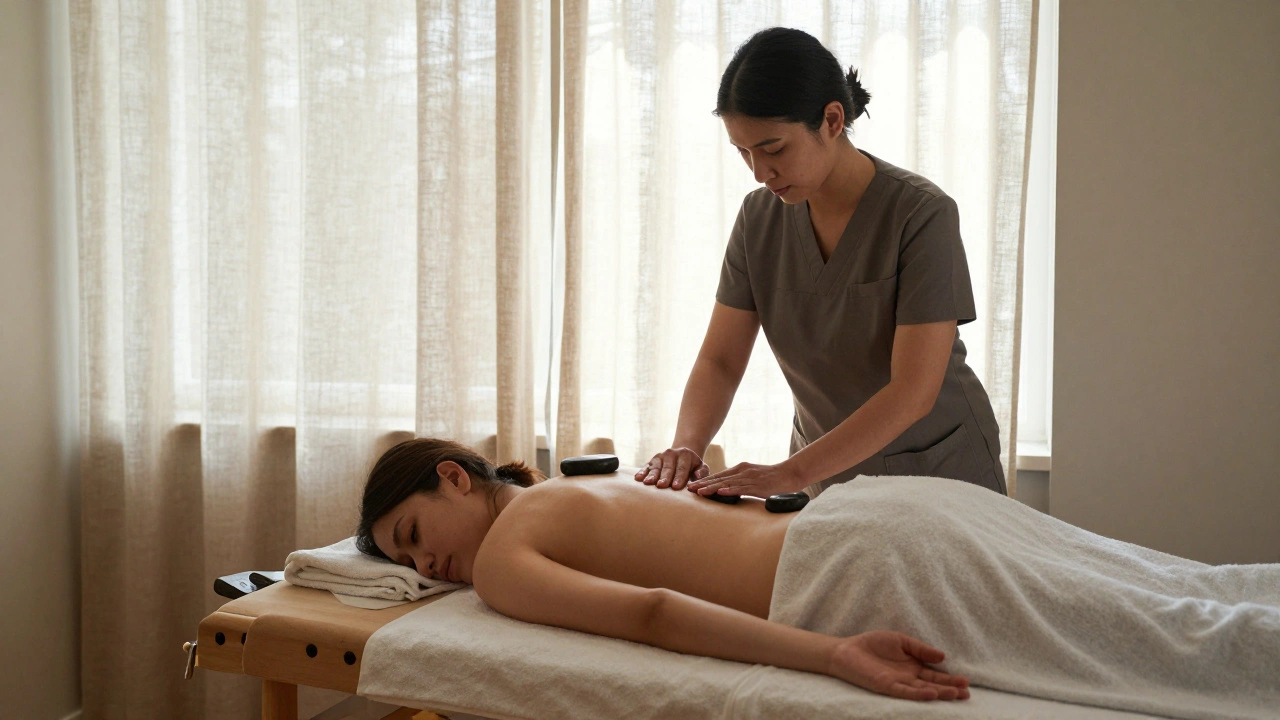
If you’ve ever walked out of a massage feeling like your body forgot how to be tense, you know why London’s best massage spots are more than just a luxury-they’re a necessity. After a long week in the city, the right hands can undo years of hunching over desks, rushing through Tube stations, and carrying stress in your shoulders. But with hundreds of places claiming to offer the best massage in London, how do you find the one that actually delivers? Not the flashy one with the Instagram-worthy decor. Not the one that charges £200 just to sit in a robe. The real one-the place where time slows down, your muscles melt, and you leave feeling like a new person.
What Makes a Massage Truly Great in London?
A great massage isn’t about the candles, the lavender oil, or the price tag. It’s about the therapist. It’s about their training, their attention to detail, and whether they actually listen to you. In London, the best therapists don’t just follow a script. They read your body. They notice the tightness in your left trapezius from staring at a screen all day. They adjust pressure based on your breathing, not a fixed routine.
Look for therapists with certifications from recognized bodies like the VTCT, ITEC, or the Complementary and Natural Healthcare Council (CNHC). These aren’t just badges-they mean they’ve passed practical exams, studied anatomy, and understand how to work safely with injuries or chronic conditions. Many top spas in London now require their therapists to have at least 500 hours of hands-on training. That’s not an accident. That’s how you get results.
And don’t be fooled by the word “luxury.” A £120 massage from a poorly trained therapist will leave you sore. A £75 session with someone who knows how to release trigger points? That’s the real value.
Where to Find the Best Massage in London
London is full of options, from hidden gems in Notting Hill to high-end retreats in Mayfair. Here are the spots that consistently earn repeat clients-not because of their decor, but because of their results.
- The London Massage Company (Covent Garden): This isn’t a spa. It’s a clinic disguised as a sanctuary. Their therapists specialize in combining Swedish techniques with deep tissue work, tailored to your pain points. Many come here after sports injuries or long-haul flights. The 90-minute session includes a post-session mobility guide-something you won’t find at most luxury spots.
- Spa at The Landmark London (Marylebone): If you want the full experience-hot stone, aromatherapy, and a quiet room with floor-to-ceiling windows-this is it. Their therapists are trained in both Eastern and Western methods. The signature massage uses warm basalt stones and organic lavender oil from Provence. It’s not cheap, but the silence afterward? Priceless.
- Therapy Works (Battersea): A local favorite with no frills and zero marketing. Run by a former physiotherapist, this place focuses on long-term relief. They don’t push packages. They ask, “What do you need today?” and adjust accordingly. Clients come back for sciatica, migraines, and stress. Many say it’s the only place that helped after years of failed treatments.
- Mayfair Holistic Centre: Known for their Thai massage therapists who trained in Chiang Mai. Their sessions include assisted stretching and acupressure along energy lines. If you’ve ever tried Thai massage and felt like you were being pulled apart, this is the place to try it again-correctly.
Types of Massage That Actually Work in London
Not all massages are created equal. Some are soothing. Others are healing. Here’s what actually delivers results in the context of London’s urban stress.
- Swedish Massage: The baseline. Gentle strokes, kneading, circular movements. Ideal if you’re new to massage or just need to unwind after a long week. It increases circulation and reduces cortisol levels by up to 30% in a single session, according to a 2023 study from King’s College London.
- Deep Tissue Massage: For chronic tension, IT band pain, or that stubborn knot between your shoulder blades. It uses slower, deeper pressure to break up adhesions. Don’t expect it to be relaxing-it’s therapeutic. You might feel sore the next day. That’s normal.
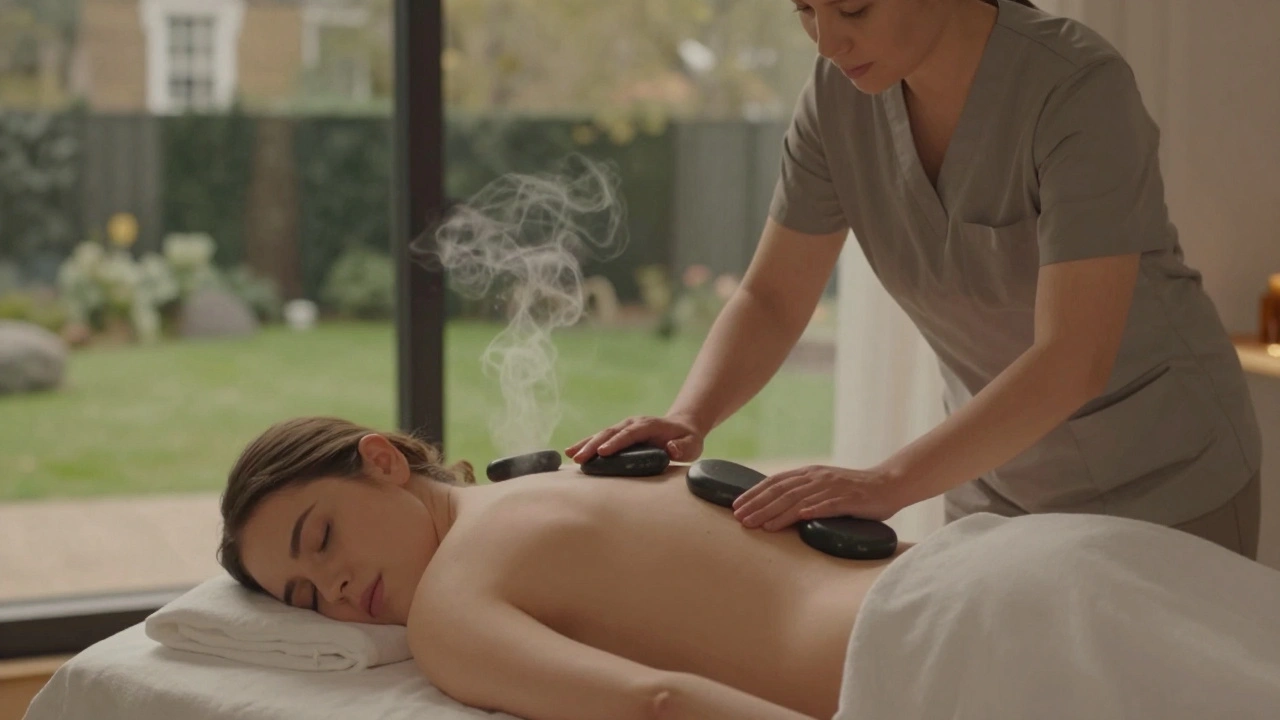
- Hot Stone Massage: The heated stones (usually basalt) help muscles relax deeper than manual pressure alone. Perfect for people with stiff necks from commuting or working in cold offices. The heat also helps with lymphatic flow.
- Aromatherapy Massage: Uses essential oils like eucalyptus, chamomile, or bergamot. Not just for scent-these oils have real effects. Bergamot lowers heart rate. Lavender reduces anxiety. A 2024 trial at the University of Westminster found participants reported 40% better sleep after weekly aromatherapy sessions over four weeks.
- Thai Massage: A mix of yoga-like stretching and acupressure. Done on a mat, fully clothed. Great for people who feel stiff from sitting all day. It improves flexibility and reduces lower back pain faster than traditional massage alone.
What to Avoid in London Massage Spas
Not every place with “massage” in the name is worth your time-or your money. Here’s what to watch out for:
- Too-good-to-be-true deals: £30 for 60 minutes? That’s not a bargain. It’s a red flag. Therapists need to earn a living wage. If a place is charging that little, they’re either underpaying staff or cutting corners on hygiene.
- No consultation: If the therapist doesn’t ask about your pain, injuries, or goals before starting, walk out. Massage isn’t a one-size-fits-all service.
- Overly sexualized environments: London has a problem with unlicensed “massage parlours” that blur the line. Legitimate spas are clean, professional, and focused on health. If the room feels like a hotel suite with dim lighting and no visible therapist credentials, it’s not worth the risk.
- Pressure to buy packages: The best places let you book one session. If they push 10-session bundles on your first visit, they care more about sales than your well-being.
How to Pick the Right Therapist for You
Here’s a simple checklist before you book:
- Check their qualifications. Look for CNHC, VTCT, or ITEC on their website or profile.
- Read reviews that mention specific results: “My shoulder pain disappeared after three sessions,” not “Great ambiance.”
- Ask if they’ve worked with your issue before-sciatica, migraines, post-surgery recovery.
- Book a 60-minute session first. No need to commit to 90 minutes on trial.
- Pay attention to how they communicate. Do they explain what they’re doing? Do they check in? That’s the sign of a pro.
Don’t be afraid to try more than one therapist. Just like doctors, massage therapists have different styles. One might be great for stress relief, another for injury recovery. Find the one who matches your body’s needs.
What to Expect After Your Session
After your massage, you might feel: light, sleepy, or even a little emotional. That’s normal. Your body’s releasing stored tension. Drink water. Avoid caffeine or alcohol for a few hours. You might feel sore the next day if it was a deep tissue session-that’s a sign it worked. But if you feel worse after 48 hours, call the spa. Something might be off.
Most people notice improved sleep within one session. Reduced headaches in two. Better posture and mobility after three. That’s the pattern. It’s not magic. It’s science.

When to Skip Massage
Massage isn’t for everyone. Avoid it if you have:
- An active infection or fever
- Recent surgery (within 6 weeks)
- Deep vein thrombosis (DVT)
- Severe osteoporosis
- Open wounds or burns
If you’re pregnant, make sure the therapist is trained in prenatal massage. Not all are. And if you’re on blood thinners, ask before deep pressure is used.
Final Tip: Make It a Habit
The best massage in London isn’t the one you book once a year. It’s the one you schedule every four to six weeks. That’s the sweet spot for keeping stress from building up. Think of it like dental checkups-for your muscles. You wouldn’t wait until your tooth hurts to see a dentist. Don’t wait until your neck locks up to book a massage.
London moves fast. But your body doesn’t have to. Find the right therapist. Stick with them. And let yourself truly relax.
What’s the average cost of a massage in London?
A standard 60-minute massage in London costs between £65 and £120, depending on location and therapist experience. High-end spas in Mayfair or Knightsbridge may charge £140 or more, while independent clinics in areas like Brixton or Peckham offer quality sessions for £50-70. The key is not the price-it’s whether the therapist is qualified and listens to your needs.
How often should I get a massage in London?
For general stress relief and muscle maintenance, every 4 to 6 weeks is ideal. If you have chronic pain, sit at a desk all day, or train intensely, weekly or biweekly sessions may help. Once a month is the minimum to prevent tension from becoming chronic. Most top therapists recommend regular sessions-not just for relaxation, but as part of long-term physical health.
Is deep tissue massage painful?
It shouldn’t be unbearable. You’ll feel pressure, maybe even a burning sensation in tight areas, but it shouldn’t make you flinch or gasp. A good therapist will check in regularly: “Is this too much?” If you’re in sharp pain, speak up. Pain isn’t progress-it’s a warning. Deep tissue should feel like a deep release, not an injury.
Can I get a massage if I’m pregnant?
Yes, but only with a therapist trained in prenatal massage. They’ll avoid certain pressure points, use side-lying positions, and avoid deep abdominal work. Many London clinics now offer dedicated prenatal sessions. Always inform your therapist you’re pregnant before the session starts.
Do I need to undress for a massage?
You’re always covered with a towel. Most therapists ask you to undress to your comfort level-usually down to your underwear. If you’re uncomfortable, you can keep your clothes on. Thai massage and chair massages are done fully clothed. The therapist’s skill matters more than how much skin is exposed.
What’s the difference between a spa massage and a clinical massage?
Spa massages focus on relaxation and ambiance. Clinical massages focus on results-pain relief, mobility, injury recovery. Spa therapists may use more oils and calming music. Clinical therapists ask about your posture, work habits, and pain history. If you have a specific issue, like lower back pain from driving, a clinical approach will help more. Many top London places blend both.
Next Steps: Book Your First Session
Don’t wait for a crisis. Book a 60-minute session at one of the recommended spots. Try a Swedish or aromatherapy massage first. See how your body responds. Then decide if you want to go deeper. Most places offer a free 10-minute consultation before your first session. Use it. Ask questions. See if the vibe feels right.
London’s best massage isn’t about the most expensive room. It’s about the person who knows how to help you feel human again.
rachel newby
December 31, 2025 AT 03:28Ugh I went to that ‘London Massage Company’ last month and honestly? Total overhyped scam. The therapist was literally scrolling through Instagram while ‘massaging’ me. £110 for this? I’ve had better in a Walmart parking lot with a foam roller. Also why is everyone acting like deep tissue is some mystical cure? It’s just hard pressure. Stop romanticizing pain.
Tina Nielsen
January 1, 2026 AT 17:28i just got back from therapy works in battersea and wow 😌 the lady there asked me how i was feeling every 5 mins and actually remembered i had that weird shoulder thing from last time... no fancy candles no pushy packages just quiet hands and real care. sometimes the simplest places are the ones that fix you 🌿
Brian Opitz
January 2, 2026 AT 23:40It is an incontrovertible fact that the commodification of wellness in urban centers has reached a point of absurdity. The notion that a massage can be a ‘necessity’ rather than a privilege is a symptom of a culture that confuses symptom management with holistic health. Furthermore, the uncritical endorsement of unregulated modalities such as Thai massage and aromatherapy lacks empirical rigor. One must question the scientific validity of claims regarding cortisol reduction and sleep improvement derived from small, non-peer-reviewed trials. The entire article reads like a marketing brochure disguised as medical advice.
Frances Chen
January 3, 2026 AT 22:03People treat massage like it’s a magic wand but it’s really just a conversation between your body and someone who knows how to listen
Some therapists are artists, some are technicians, and some are just trying to make rent
That’s why you gotta try a few before you settle
And yeah, the £30 deals? Yeah they’re sketchy but not because the therapist is bad-because the system is broken
They’re paid like crap and you’re paying for the illusion of luxury
Find the quiet place with the no-frills sign and the therapist who doesn’t rush you
That’s where the real work happens
Not in the Mayfair suites with the rose petals and the overpriced tea
Dian Edgar
January 5, 2026 AT 01:09just wanna say i went to the landmarke last year and yeah the stones were warm and the oil smelt nice but what stuck with me was how the girl asked if i wanted more pressure and actually waited for my answer
no one ever does that
also i cried halfway through and she just kept going like it was normal
weirdly that meant more than the massage itself
thanks for the recs btw