
Find Your Balance with Indian Massage in London
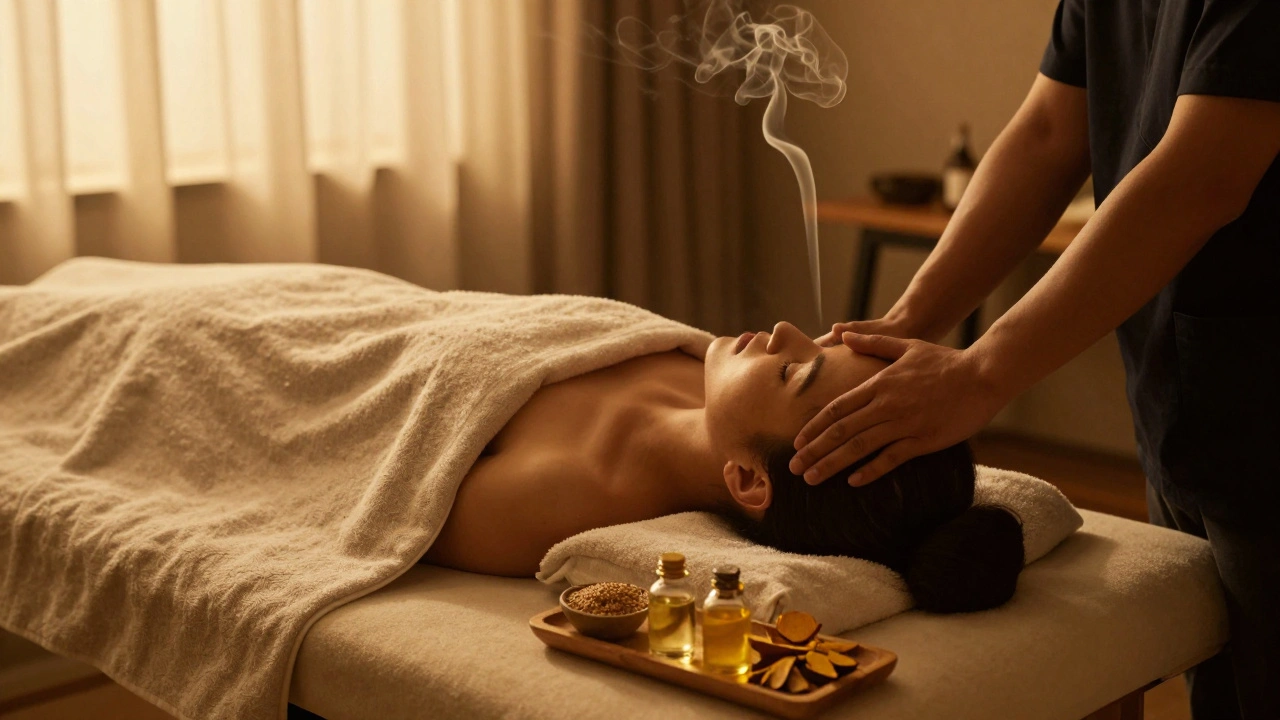
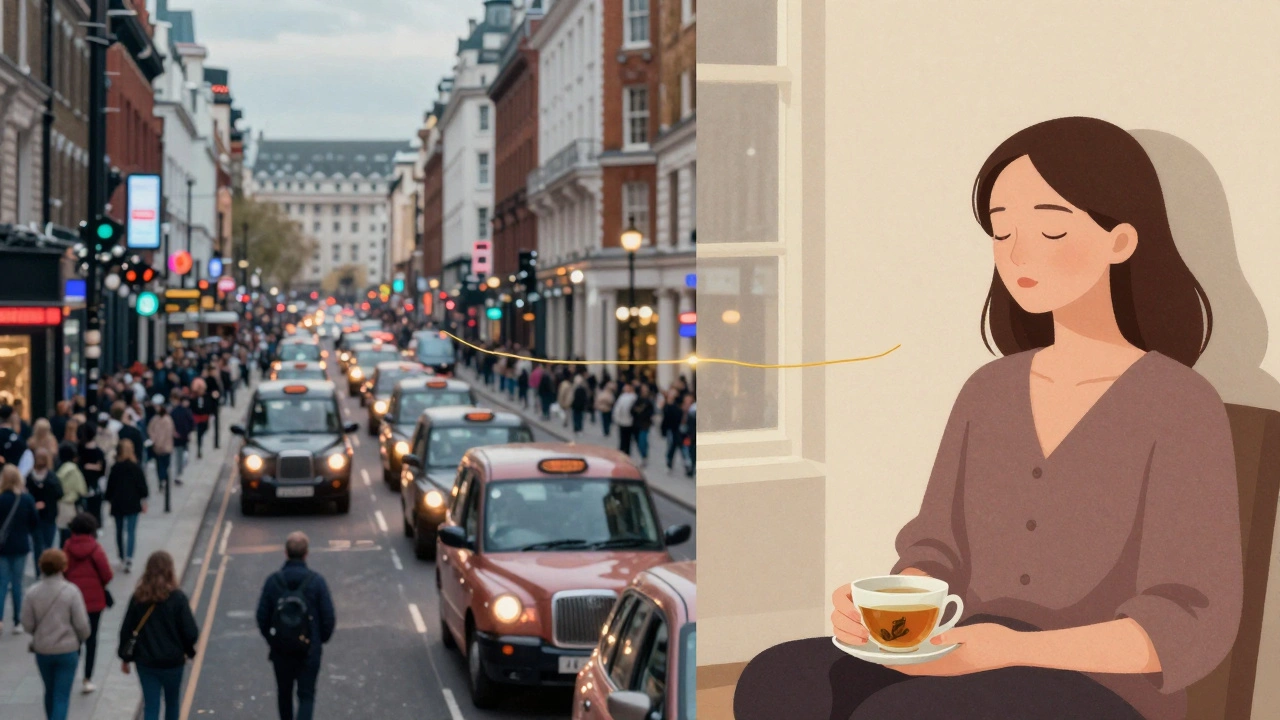
Walking through the busy streets of London, it’s easy to feel drained. The constant noise, the rush, the screens glowing at every corner-your body starts to carry the weight of it all. That’s when you realize: you don’t just need a massage. You need something deeper. Something rooted in centuries of healing tradition. That’s where Indian massage comes in.
What Makes Indian Massage Different
Indian massage isn’t just about kneading tight muscles. It’s a full-system reset. Rooted in Ayurveda, the ancient Indian system of life, it works on energy channels called nadis and pressure points known as marmas. Unlike Swedish or deep tissue massage that focus mostly on muscles, Indian massage targets your entire nervous system, circulation, and even your mental state.
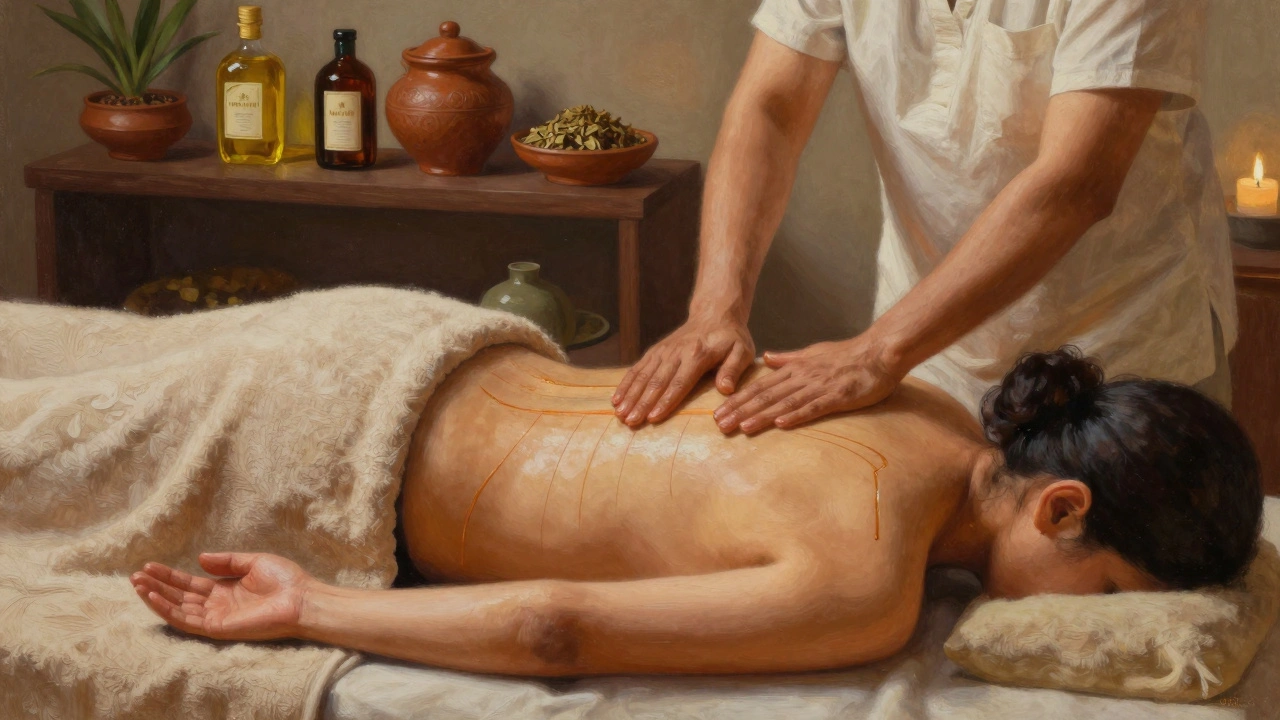
There are two main types you’ll find in London: Indian head massage and full-body Ayurvedic massage. The head massage uses firm, rhythmic strokes on the scalp, neck, and shoulders. It’s the go-to for people who sit at desks all day, stare at screens, or suffer from tension headaches. The full-body version uses warm herbal oils-like sesame, coconut, or mustard oil infused with turmeric, ashwagandha, or brahmi-and long flowing strokes that follow the body’s natural energy flow.
Studies from the National Center for Complementary and Integrative Health show that regular Ayurvedic massage can lower cortisol levels by up to 30% in just four weeks. That’s not a guess. That’s measurable stress reduction.
Why Londoners Are Turning to Indian Massage
London is a city of over 9 million people. Most of them are tired. And not just sleepy tired-bone-deep, soul-weary tired. The commute, the cost of living, the pressure to perform-it all builds up. People try yoga, meditation, even therapy. But when they need something physical, something immediate, they turn to touch.
Indian massage offers something most other therapies don’t: it’s both calming and energizing. You don’t leave feeling like you’ve been put to sleep. You leave feeling like you’ve been rebooted.
Therapists in London who specialize in Indian techniques often train in Kerala or Delhi, studying under masters who’ve spent decades perfecting the art. They don’t just copy techniques-they understand the philosophy. The oil isn’t just for lubrication. It’s medicine. The pressure isn’t random-it’s calibrated to your dosha (your body type in Ayurveda: Vata, Pitta, or Kapha).
One client in Camden, a graphic designer who worked 70-hour weeks, said after her third session: "I didn’t know my shoulders could feel that light. I slept through the night for the first time in months."
What to Expect in Your First Session
Your first session usually lasts between 60 and 90 minutes. You’ll start with a short consultation. The therapist will ask about your sleep, digestion, stress levels, and any areas of pain. This isn’t just small talk. It helps them choose the right oils and pressure.
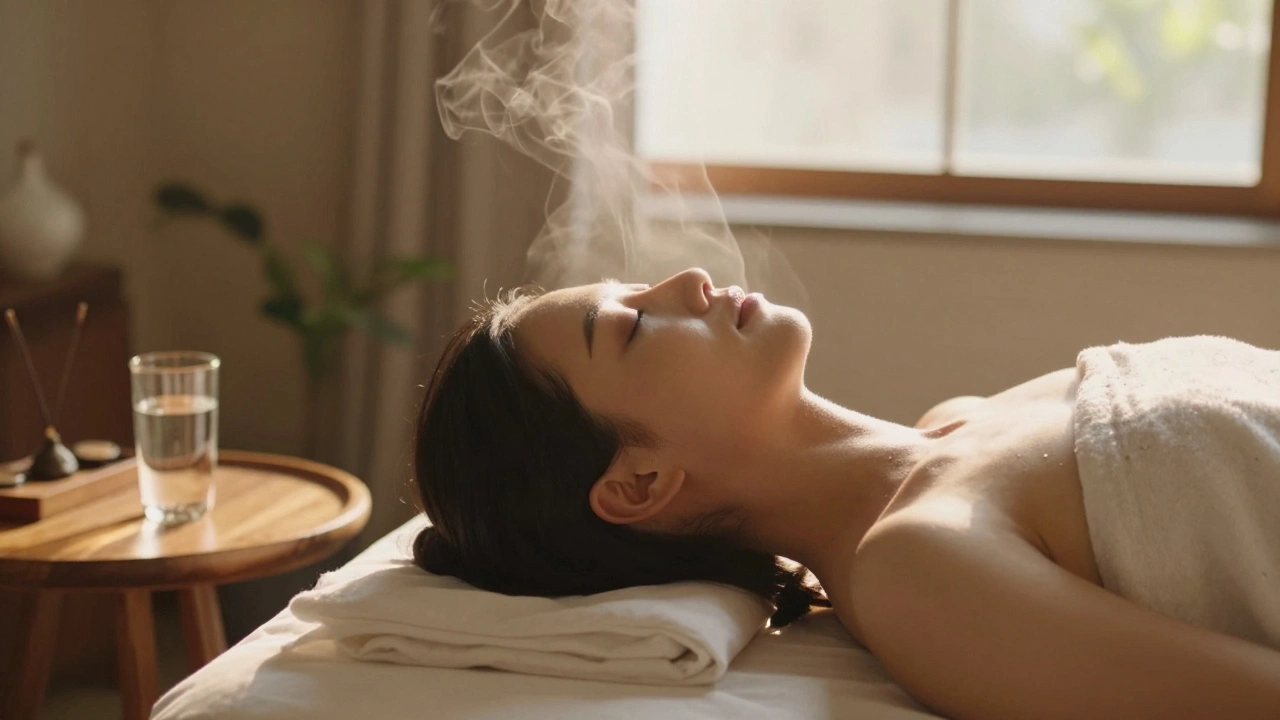
You’ll lie on a padded table, covered with a warm towel. The room will be dim, maybe scented with cardamom or sandalwood. The therapist’s hands move with rhythm-not fast, not slow, but steady. They’ll start at your feet or head, depending on your needs, and work their way up, using their thumbs, palms, and sometimes even forearms.
The oil is warm, never greasy. It soaks in. You might feel a slight tingling at first-that’s the herbs waking up your skin. After 20 minutes, your body starts to release. Your breathing slows. Your jaw unclenches. You might even drift off. That’s normal. That’s the point.
Afterward, you’ll be offered warm water or herbal tea. No showers right away. The oil needs time to work. Most people feel a little dazed at first. Then, within a few hours, a quiet clarity sets in.
Where to Find Authentic Indian Massage in London
Not every place that says "Indian massage" actually does it right. Some shops just use the name to sound exotic. Here’s how to spot the real thing:
- They use traditional oils-check the ingredient list. If it says "mineral oil" or "aloe vera gel," walk away.
- The therapist asks about your dosha or lifestyle. If they don’t, they’re just giving a regular massage with oil.
- They don’t rush. Sessions should last at least 60 minutes. Anything shorter is a gimmick.
- They might have certificates from Ayurvedic colleges in India, like the Kerala Ayurveda Academy or the Institute of Ayurveda and Integrative Medicine.
Some trusted spots in London include:
- The Ayurveda Centre in Notting Hill-run by a therapist trained in Kerala for seven years.
- Shanti Spa in Brixton-specializes in head massage for professionals and students.
- Golden Lotus in Camden-uses organic, cold-pressed oils and offers dosha-based sessions.
Don’t be afraid to ask questions. A good therapist will welcome them.
Who Should Try It-and Who Should Skip It
Indian massage is for almost everyone. But it’s not for everyone.
Great for:
- People with chronic tension in the neck, shoulders, or scalp
- Those with poor sleep or high stress
- Anyone recovering from burnout
- People who feel mentally foggy or emotionally drained
Not recommended for:
- People with open wounds, severe skin infections, or recent surgery
- Those with acute inflammation or fever
- Women in the first trimester of pregnancy (unless cleared by an Ayurvedic specialist)
If you have a medical condition, talk to your doctor first. But for most people, it’s safe, gentle, and deeply effective.
How Often Should You Get It?
One session can give you a reset. But real change happens with consistency.
For stress relief: once every two weeks.
For chronic tension or sleep issues: once a week for four weeks, then every other week.
For maintenance: once a month.
Many Londoners treat it like a monthly tune-up-like an oil change for your nervous system. It’s not a luxury. It’s self-care that actually works.
What Happens After Your Session
You might feel a little spacey right after. That’s your nervous system settling. Don’t jump into a meeting or a crowded tube. Give yourself an hour to breathe.
Drink water. Avoid caffeine and heavy meals for a few hours. Your body is detoxing. The oils are pulling out toxins through your skin and lymph system.
Within 24 hours, you’ll likely notice:
- Deeper, more restful sleep
- Less tension in your jaw and forehead
- Improved focus
- Reduced headaches
After a month of regular sessions, clients report fewer sick days, less anxiety, and even better digestion. It’s not magic. It’s biology.
Can You Do It at Home?
You can try. But don’t expect the same results.
Home head massages with coconut oil help. But without the trained pressure points, the right oil blends, and the ritual of the session, it’s not the same. The power of Indian massage isn’t just in the technique-it’s in the intention. The therapist’s focus, the quiet room, the warmth of the oil, the silence. That’s the medicine.
That said, if you want to extend the benefits, try this: every night for five minutes, massage your scalp with warm sesame oil. Use your fingertips in small circles. Breathe slow. It’s a tiny ritual. But it adds up.
Indian Massage Isn’t Just a Treatment. It’s a Return.
London moves fast. But your body remembers how to slow down. Indian massage doesn’t fight that. It helps you remember.
It’s not about fixing what’s broken. It’s about returning to balance. The kind of balance that doesn’t come from apps or supplements. It comes from touch. From tradition. From time.
If you’ve been feeling off-kilter, worn thin, or just... disconnected-this might be the reset you’ve been looking for. Not because it’s trendy. But because it’s true.
Is Indian massage the same as Ayurvedic massage?
Indian massage and Ayurvedic massage are closely linked. Ayurvedic massage is a type of Indian massage based on Ayurvedic principles, using herbal oils and pressure points tied to doshas. "Indian massage" can also refer to simpler techniques like Indian head massage, which doesn’t always follow full Ayurvedic protocols. In London, most reputable spas combine both.
Does Indian massage hurt?
It shouldn’t. The pressure is firm but never sharp or painful. If you feel pain, speak up. Good therapists adjust on the spot. Some areas-like tight shoulders or the base of the skull-might feel tender, but that’s different from pain. It’s the feeling of tension releasing, not injury.
How long do the effects last?
You’ll feel immediate calm after one session. For lasting results-better sleep, less anxiety, reduced tension-you need regular sessions. Most people notice real changes after 3-4 visits. The effects compound over time, like savings in a bank account.
Can Indian massage help with migraines?
Yes, especially Indian head massage. Studies show it reduces the frequency and intensity of tension-type headaches and migraines by improving blood flow to the scalp and calming the trigeminal nerve. One 2023 trial found participants had 40% fewer migraine days after eight weekly sessions.
What’s the difference between Indian head massage and a regular scalp massage?
Indian head massage includes the neck, shoulders, and upper back-not just the scalp. It uses specific pressure points along the head and spine that are linked to the nervous system. A regular scalp massage feels nice but doesn’t target those deeper energy channels. Indian head massage is a full-system reset.
Do I need to undress for Indian massage?
For Indian head massage, you stay fully clothed-usually just remove your jewelry. For full-body Ayurvedic massage, you’ll be covered with towels and only uncover the area being worked on. Privacy and comfort are always prioritized.

Jeff Herman
January 27, 2026 AT 20:53Just had my first Ayurvedic session last week at Golden Lotus-wow. I didn’t think oil on my skin could make me cry, but it did. Not sad tears-like, my soul finally exhaled. I’ve been sleeping like a baby since. No apps, no supplements, just warm sesame oil and someone who actually listened. This isn’t spa fluff. It’s ancient wisdom that works.
peter may
January 28, 2026 AT 15:30One must, however, exercise epistemological caution: the commodification of Ayurveda in Western metropolises often results in a performative simulacrum-devoid of the soteriological context that imbues the practice with its true ontological weight. The oil is not merely a vehicle; it is a metaphysical conduit, calibrated not by market demand, but by the tri-dosha cosmology of classical Caraka Samhita. To reduce this to a 'stress-relief tool' is to mistake the map for the territory.
Prabha Chaudhary
January 28, 2026 AT 22:52I’m from Kerala. My grandma did this for me every Sunday. The oil wasn’t 'organic'-it was just coconut oil, heated on a wood stove. The pressure? Not random. She knew where every marmas point was. You don’t need a certificate to know how to heal. You just need to care. London’s got good places-but don’t forget the heart behind it.
Tobia Ciottone
January 30, 2026 AT 05:12They’re lying. This isn’t healing-it’s a front for mind control. The oils? Full of nano-tracking particles. The pressure points? Designed to sync your nervous system with the global surveillance grid. I checked the ingredients on one bottle-'ashwagandha' is just a code word for something they got from a black site in Goa. Why do you think they never let you shower right away? They’re absorbing your bio-data. Wake up.
William Lapes
January 30, 2026 AT 05:45Ugh, another fancy massage for rich people. We got cheap Thai places down the street that do the same thing for $30. Why pay $120 for some guy in a linen robe to rub your head? I just use a tennis ball on my neck and call it a day. This whole 'Ayurveda' thing sounds like yoga bullshit wrapped in fancy words.
Gerry Hodgins
February 1, 2026 AT 02:02There’s a comma missing after 'turmeric, ashwagandha, or brahmi' in paragraph three. Also, 'dosha' is not capitalized. And 'marmas' should be pluralized as 'marmas'-not 'marmas'. This article is full of grammatical errors. How can you trust a massage technique if the writing’s sloppy?
Mindy Robinson
February 2, 2026 AT 07:08OMG I’m so glad someone wrote this!! I’ve been going to Shanti Spa for 6 months now and I swear it saved my life after my divorce. I used to wake up with my jaw clenched so hard I’d get migraines. Now? I just breathe. I don’t even need coffee anymore. If you’re feeling lost-just try it once. No pressure. Just warmth, quiet, and someone who doesn’t ask you to 'fix' yourself.
Chris Crimmins
February 4, 2026 AT 05:58For anyone considering this: the cortisol reduction statistic cited is from a 2021 NCCIH pilot study with 42 participants. It’s promising, but not definitive. That said, the physiological effects-reduced muscle tone, increased parasympathetic activity-are well-documented in multiple peer-reviewed journals. If you’re seeking evidence-based complementary therapy, this ranks higher than most.
Carter Rhea
February 4, 2026 AT 10:08What’s interesting isn’t just the technique-it’s the silence. In a world where we’re always being told what to do, how to feel, what to buy… here, you just lie there. No podcast. No playlist. No therapist talking about your 'energy blocks'. Just hands. Warmth. Stillness. Maybe that’s the real medicine. Not the oil. Not the points. But the permission to stop.
Michelle McCulley
February 6, 2026 AT 02:13My cousin got this in India and now she won’t shut up about it. I’m like, ‘you’re literally just getting a massage’ but then I tried it and now I’m addicted. Like… I cry every time. Not because it hurts. Because it feels like someone finally saw me. And that’s weird. And beautiful. And I’m not even gonna pretend I understand Ayurveda. I just know I feel better. And that’s enough.