
How to Choose the Best Thai Massage Therapist in London

If you’ve ever tried Thai massage, you know it’s not just a massage-it’s a full-body experience. No oils, no lying still. You’re stretched, pressed, rocked, and guided through positions like you’re in a quiet, sweaty yoga session with someone who knows exactly where to push. But finding the right Thai massage therapist in London? That’s trickier than it looks. Too many places slap on the name and call it Thai, but skip the real technique, the energy lines, the rhythm. You don’t want to pay £80 for a generic pressure session and leave feeling like you got a good rubdown, not a transformation.
Understand What Real Thai Massage Is
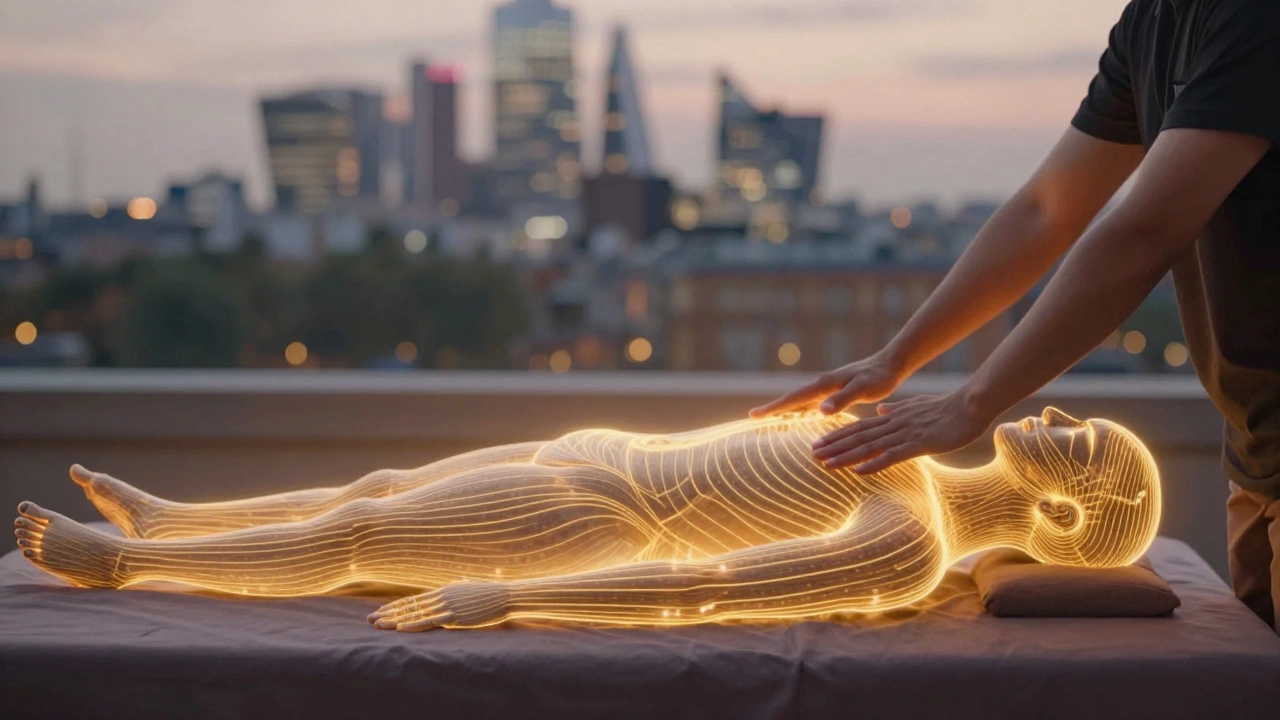
Thai massage isn’t just finger pressure. It’s a blend of acupressure, assisted yoga postures, and energy line work based on Sen lines-similar to meridians in traditional Chinese medicine. A true Thai massage therapist uses their hands, thumbs, elbows, knees, and even feet to apply rhythmic pressure along these lines. You stay fully clothed, usually in loose cotton pants and a t-shirt. No oils. No music blasting. Just breath, movement, and steady pressure.
There’s a big difference between a therapist who learned a few stretches from a YouTube video and one trained in Chiang Mai or Bangkok. Authentic Thai massage is taught in schools like Wat Pho, where students spend months learning anatomy, energy lines, and the philosophy behind the practice. If your therapist can’t name the Sen lines or explain how pressure on the foot affects the head, they’re likely not fully trained.
Check Their Training and Certification
Don’t assume a certificate from a two-day workshop means they’re qualified. Look for therapists trained at recognized Thai institutions. Wat Pho in Bangkok is the gold standard. Others include the Traditional Thai Massage School in Chiang Mai or the Thai Healing Alliance International. These schools require 100+ hours of training, including hands-on practice and anatomy.
Ask: “Where did you train, and how many hours of formal Thai massage training did you complete?” A serious therapist will name a school, not just say they took a course in London. Some UK-based schools offer good training, but if they don’t reference Thai lineage, dig deeper. A therapist who trained under a Thai master-especially one who’s been certified by the Thai Ministry of Public Health-has a higher chance of delivering authentic results.
Watch How They Move
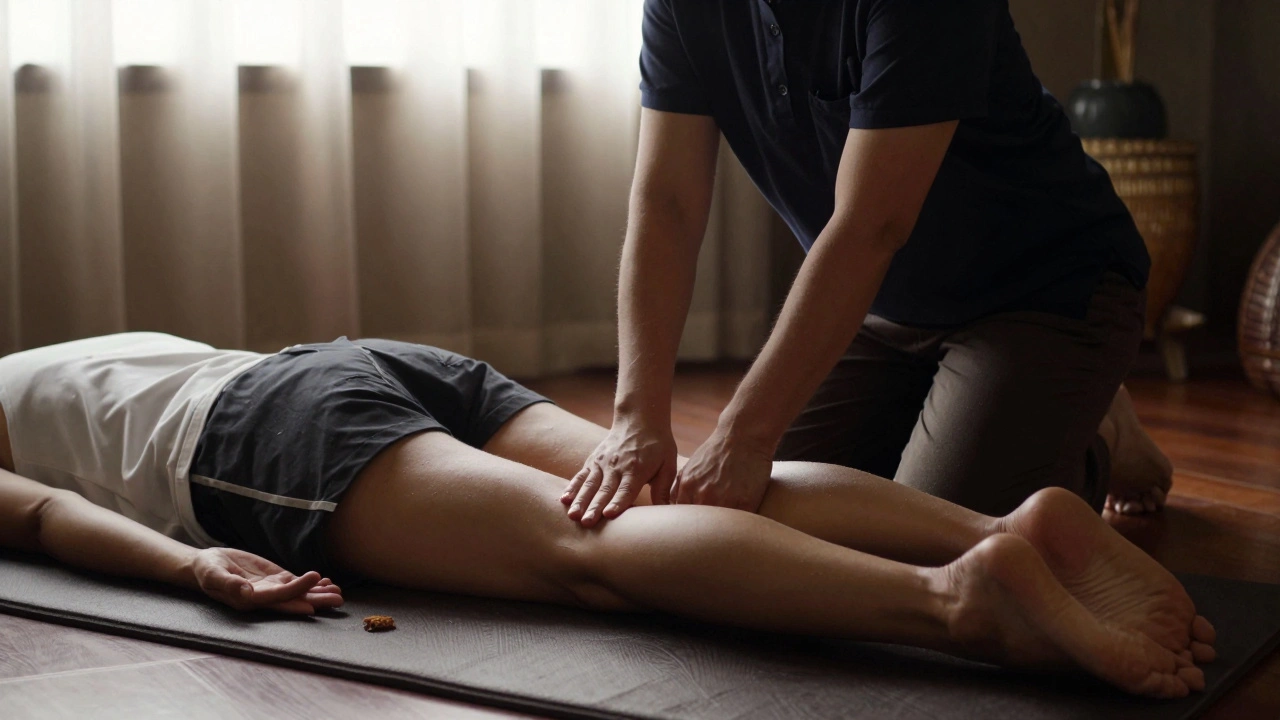
Thai massage isn’t about strength-it’s about flow. Watch how the therapist moves during the session. Do they use their body weight, letting gravity do the work? Or do they look like they’re straining, using only their arms? A skilled therapist will shift their stance, use their knees to press into your back, or lean with their whole body to apply deep, even pressure without tiring.
Also, pay attention to the rhythm. Thai massage has a natural cadence-long, slow presses followed by gentle rocking. It’s meditative. If the session feels rushed, choppy, or like a series of random squeezes, it’s not Thai massage. It’s just a massage with stretchy moves.
Ask About Their Experience with Your Needs
Not all Thai massage is the same. Some therapists focus on relaxation. Others specialize in injury recovery or athletic performance. If you have tight hips from sitting all day, or shoulder pain from typing, tell them. A good therapist will adjust their approach.
Ask: “Have you worked with clients who have [your issue] before?” If they’ve helped people with sciatica, IT band syndrome, or desk posture problems, that’s a good sign. Thai massage is powerful for mobility issues-it opens the hips, releases the spine, and realigns the shoulders. But only if the therapist knows how to apply pressure correctly. Too much force on a tight IT band can make things worse.
Look at Reviews-But Not the Ones You Think
Five-star reviews on Google aren’t always trustworthy. Some places pay for them. Look for detailed reviews that mention specifics: “They used their foot on my lower back,” “I felt energy move up my leg,” or “They asked me to breathe into the stretch.” These are signs of real technique.
Avoid reviews that just say “Relaxing!” or “Great massage!” Those could be Swedish or deep tissue. Real Thai massage leaves you feeling like you’ve been reset-not just relaxed. You might feel sore the next day, but in a good way. Like you moved better, breathed deeper, stood taller.
Visit Before You Book
Most good Thai massage studios welcome a quick tour before booking. Walk in, ask to see the room. Is it clean? Quiet? Is there space to move? Thai massage needs room-you’ll be rolled, twisted, and stretched. If the table is crammed into a tiny room with no floor space, they’re cutting corners.
Ask to see their credentials. Not a photo on the wall-ask to see the actual certificate. A serious therapist won’t mind. If they hesitate, that’s a red flag. Also, notice how they speak. Do they explain what they’re doing? Or do they just say, “Just relax”? Authentic practitioners guide you through the process. They’ll tell you when to breathe, when to relax, and when to push back slightly.
Price Tells a Story
Thai massage in London typically costs between £60 and £100 for 60 minutes. Anything under £50? Be suspicious. You’re not paying for a massage-you’re paying for years of training, physical skill, and knowledge. A therapist charging £35 is either inexperienced, cutting corners, or not even doing real Thai massage.
On the flip side, £120+ is often a premium brand, not better technique. Some high-end spas charge more for ambiance, not skill. Don’t assume more expensive means better. Focus on training, not the décor.
Trust Your Body
After your first session, pay attention to how you feel 24 hours later. Do you move more freely? Does your breathing feel deeper? Are your shoulders less tense? Or do you just feel a little sore, like you got a good workout?
Real Thai massage doesn’t just release muscles-it realigns your body’s structure. You might notice you stand straighter, walk differently, or sleep deeper. That’s the real sign you’ve found a good therapist.
If you leave feeling worse-sharp pain, numbness, dizziness-that’s not normal. Thai massage should be intense, but never damaging. A good therapist checks in constantly. If they don’t, walk away.
Where to Start in London
Some trusted places in London with verified Thai training include:
- Wat Pho London - Run by a certified instructor from Wat Pho, Bangkok. Offers 90-minute sessions with full Sen line work.
- Thai Bodyworks - Based in Camden, staff trained at the Thai Healing Alliance. Focus on therapeutic outcomes.
- Chiang Mai Massage Studio - Owner trained in northern Thailand. Specializes in mobility and injury recovery.
These aren’t ads-they’re places where therapists can show you their training certificates and explain their Sen lines. Avoid places that don’t list their therapist’s background at all.
What to Expect on Your First Visit
You’ll fill out a short form-nothing medical, just basic info. You’ll change into loose clothes (they usually provide them). The therapist will ask about your goals: relaxation? Pain relief? Better movement?
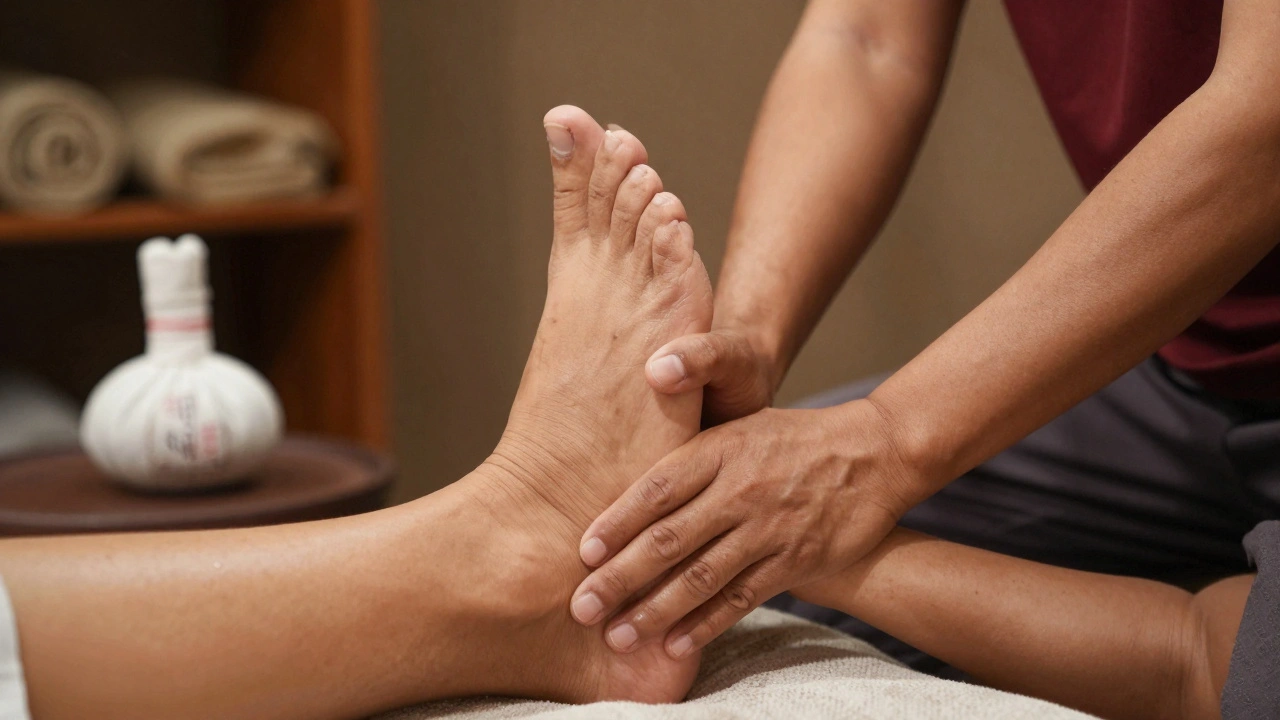
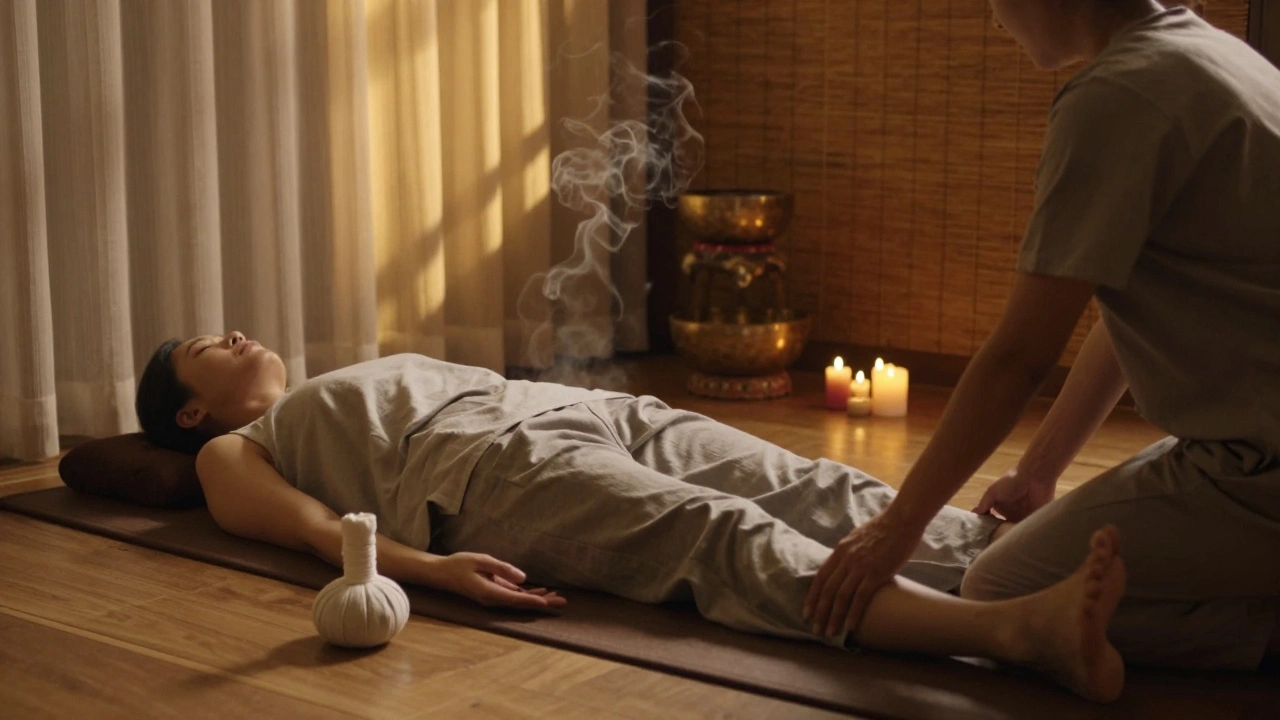
Then, you’ll lie on a mat on the floor. No table. No music. Just quiet. The session starts with gentle pressure on your feet, then moves up your legs, back, arms, and head. You’ll be guided into stretches-some you’ll recognize from yoga, others you’ve never felt before. You might laugh. You might groan. You’ll definitely breathe.
At the end, you’ll sit up slowly. You might feel light-headed. That’s normal. Drink water. Don’t rush. Let your body settle. The effects often build over the next day.
How is Thai massage different from Swedish or deep tissue?
Swedish massage uses oils and long strokes to relax muscles. Deep tissue targets knots with focused pressure. Thai massage is fully clothed, uses no oils, and combines stretching, acupressure, and rhythmic movement along energy lines. It’s more like a guided yoga session with therapeutic pressure. You don’t just relax-you realign.
Do I need to be flexible for Thai massage?
No. Thai massage is adapted to your body. A good therapist works within your limits. If you can’t touch your toes, they won’t force you. They’ll use gentle pressure and small movements to open you up over time. Flexibility improves with repeated sessions, not in one.
Can Thai massage help with chronic pain?
Yes. Many people with lower back pain, sciatica, or stiff shoulders find relief. Thai massage releases tension in muscles, tendons, and connective tissue while improving joint mobility. It’s especially effective for pain caused by poor posture or repetitive movement. Studies show it reduces pain scores more than standard massage for chronic conditions.
How often should I get Thai massage?
For maintenance, once a month is enough. If you’re dealing with pain or tightness, once a week for 4-6 weeks helps reset your body. After that, you can reduce frequency. Think of it like exercise-you don’t need to do it every day, but consistency matters.
Is Thai massage safe during pregnancy?
Yes, but only with a therapist trained in prenatal Thai massage. Standard Thai massage includes deep pressure and twists that aren’t safe in pregnancy. Look for therapists who specifically mention prenatal training. Avoid sessions in the first trimester unless cleared by your doctor.
Next Steps
Start by calling one of the studios listed above. Ask about the therapist’s training. Ask to see a certificate. Ask what Sen lines they work with. If they hesitate or give vague answers, move on. The right therapist will welcome your questions. They’ll be proud of their training.
Book your first session. Wear loose clothes. Don’t eat right before. Drink water after. And let yourself feel the difference-not just in your muscles, but in how you carry yourself.

Sean Fimio
January 21, 2026 AT 03:31OMG YES I JUST HAD ONE IN BROMLEY AND I THOUGHT I WAS GONNA DIE BUT THEN I COULD BREATHE AGAIN??!! 😭🙏 Like my hips hadn’t moved like that since college???
Dr. Atul James Singh
January 21, 2026 AT 05:40The Sen lines are not meridians-they are distinct anatomical-energetic conduits rooted in the Sushumna-Nadi paradigm of Ayurvedic-Taiji syncretism. Most Western practitioners misinterpret the kinetic transmission as mere myofascial release. Without grounding in the classical texts of the Vajrayana-Thai corpus, you're merely performing contortionist physiotherapy.
peter may
January 22, 2026 AT 18:57How utterly pedestrian. The very notion that one might ‘choose’ a Thai massage therapist based on a Google review is symptomatic of the cultural dilution of Eastern wisdom in the age of capitalism’s commodified wellness. Wat Pho is not a ‘studio’-it is a sacred lineage. To reduce this to a £60–£100 transaction is to misunderstand the entire ontological framework of Thai somatic philosophy.
Have you ever considered that your inability to feel ‘energy movement’ stems not from the therapist, but from your own spiritually anesthetized nervous system? Perhaps you need a retreat in Chiang Mai… or a therapist who doesn’t charge by the minute.
Tobia Ciottone
January 22, 2026 AT 23:57Wait-so you’re telling me these ‘certified’ therapists aren’t being monitored by the UK government? And what if Wat Pho is just a front for a Thai intelligence operation to implant subliminal suggestions via pressure points? I read a blog once that said the ‘Sen lines’ were actually mapped from Cold War-era CIA experiments on Thai monks. They’re using massage to program people into compliance. I’m not even kidding. I’ve been avoiding all massage since 2018. My cat’s the only one I trust now.
Jeff Herman
January 23, 2026 AT 11:44Hey everyone-just wanted to say thank you for this thread. I was so nervous to try Thai massage after a bad experience with deep tissue (like, cried in the car afterward 😅). But I went to Thai Bodyworks last week and the therapist, Priya, asked me if I wanted to go slow or go deep-and I said ‘slow,’ and she did this beautiful rhythm with her knee on my lower back while humming. I didn’t even know you could do that. I felt like I’d been holding my breath for 10 years. If you’re on the fence-just go. You don’t have to be flexible. You just have to show up.
William Lapes
January 24, 2026 AT 07:28Why are we even talking about this? Just go to a gym and do yoga. Or get a foam roller. All this ‘Sen lines’ crap is just fancy marketing. I got a 60-minute Thai thing for £40 in Croydon and I felt great. They didn’t even ask for my birth certificate. Who cares if they trained in Bangkok? I’m not paying £80 to get my feet touched by someone who talks like a monk.
Carter Rhea
January 24, 2026 AT 21:17Man, I’ve been doing Thai massage for 12 years-trained in Chiang Mai, then taught in Portland, then moved to NYC. What nobody says is that the real magic isn’t in the technique-it’s in the silence. The therapist’s presence. The way they don’t rush you to breathe. The way they notice when you tense up and just… wait. That’s the training. Not the certificate. Not the Sen lines. Just being there. And yeah, some places are scams. But the good ones? They don’t advertise. They’re the ones with the dusty floor mats, the single candle, and the therapist who says ‘breathe’ three times the whole session. Find those. They’re hiding in plain sight.
Also-don’t drink water right after. Let your body settle. You’ll thank me tomorrow.
M. D. Crosson
January 26, 2026 AT 07:37This is the most helpful thing I’ve read all year. Thank you. I just booked my first session. I’m nervous but excited. I’ll come back and update after. You guys are the best. 💪❤️