
Sports Massage London: Relieve Pain and Improve Flexibility
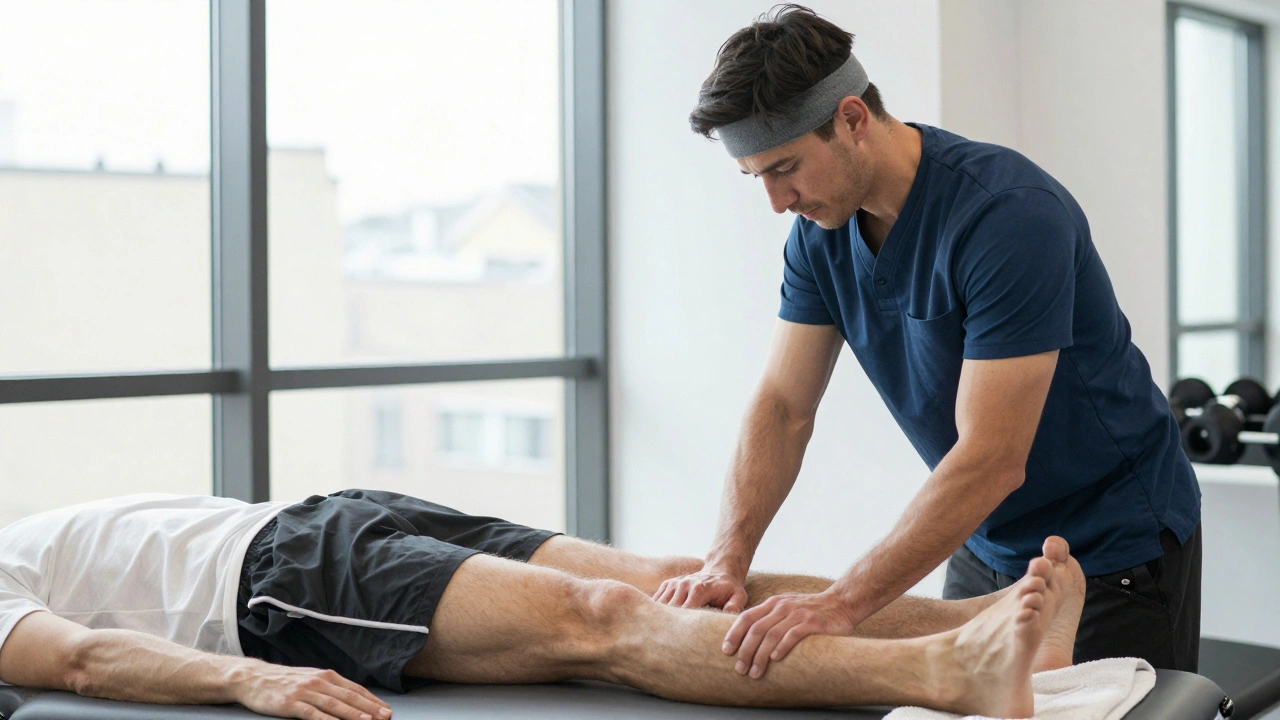
Running late for your morning jog? Feeling stiff after a weekend football match? Or maybe you’re training for a marathon and your hamstrings scream every time you stretch? If you’re in London and your body feels like it’s running on old batteries, sports massage isn’t a luxury-it’s a necessity.
What Exactly Is Sports Massage?
Sports massage is deep, targeted bodywork designed for people who move a lot. It’s not just a regular massage with a gym membership. It’s built to treat the specific strains that come from running, cycling, weightlifting, or even just carrying a heavy backpack all day. Unlike Swedish massage, which focuses on relaxation, sports massage digs into muscle tissue to break up adhesions, flush out lactic acid, and restore range of motion.
Think of it like tuning up a bike. You don’t just wipe the chain-you adjust the gears, check the tension, and clean out the grit. That’s what sports massage does for your muscles. It’s used by elite athletes in London, from Premier League footballers to weekend warriors who do CrossFit in Hackney.
Why Londoners Are Turning to Sports Massage
London isn’t just a city of commuters-it’s a city of movers. Thousands of people here run, cycle, climb, swim, or play team sports. And with the city’s uneven pavements, long commutes, and desk jobs that turn spines into question marks, muscle tension builds fast.
A 2024 study by the London Sports Institute tracked 1,200 active residents over six months. Those who received weekly sports massage reported a 47% reduction in muscle soreness and a 32% improvement in flexibility compared to those who didn’t. The biggest gains? In the hips, lower back, and calves-the areas that take the most abuse in urban movement.
It’s not just about feeling better after a workout. It’s about staying active without injury. One runner from Clapham started sports massage after three stress fractures in two years. After six weeks of biweekly sessions, she ran her first 10K in 18 months-pain-free.
How It Works: The Science Behind the Pressure
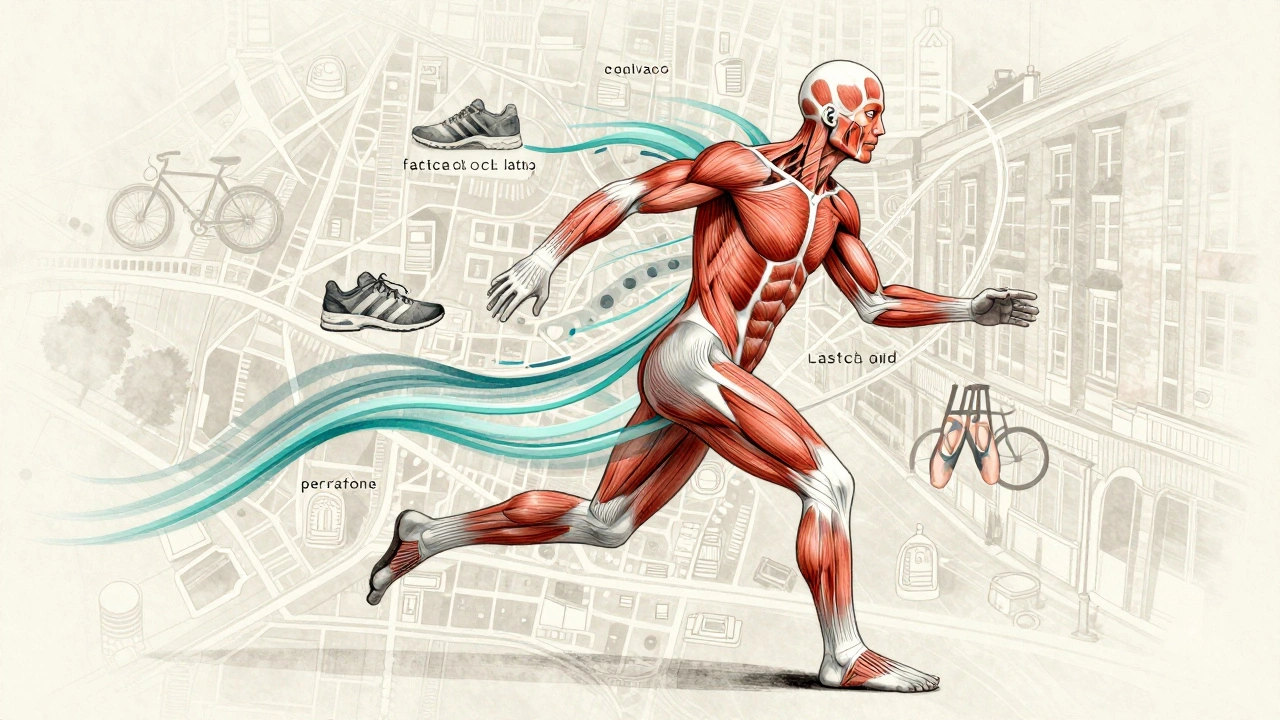
Sports massage isn’t magic. It’s physiology. When you train hard, your muscles develop tiny tears and scar tissue. Blood flow slows. Fluid builds up. That’s when you feel tight, achy, or stiff.
A skilled sports massage therapist uses techniques like:
- Deep tissue work to break down knots in the fascia
- Trigger point therapy to release overloaded muscle fibers
- Myofascial release to free up connective tissue that’s stuck
- Stretching techniques to restore natural length to shortened muscles
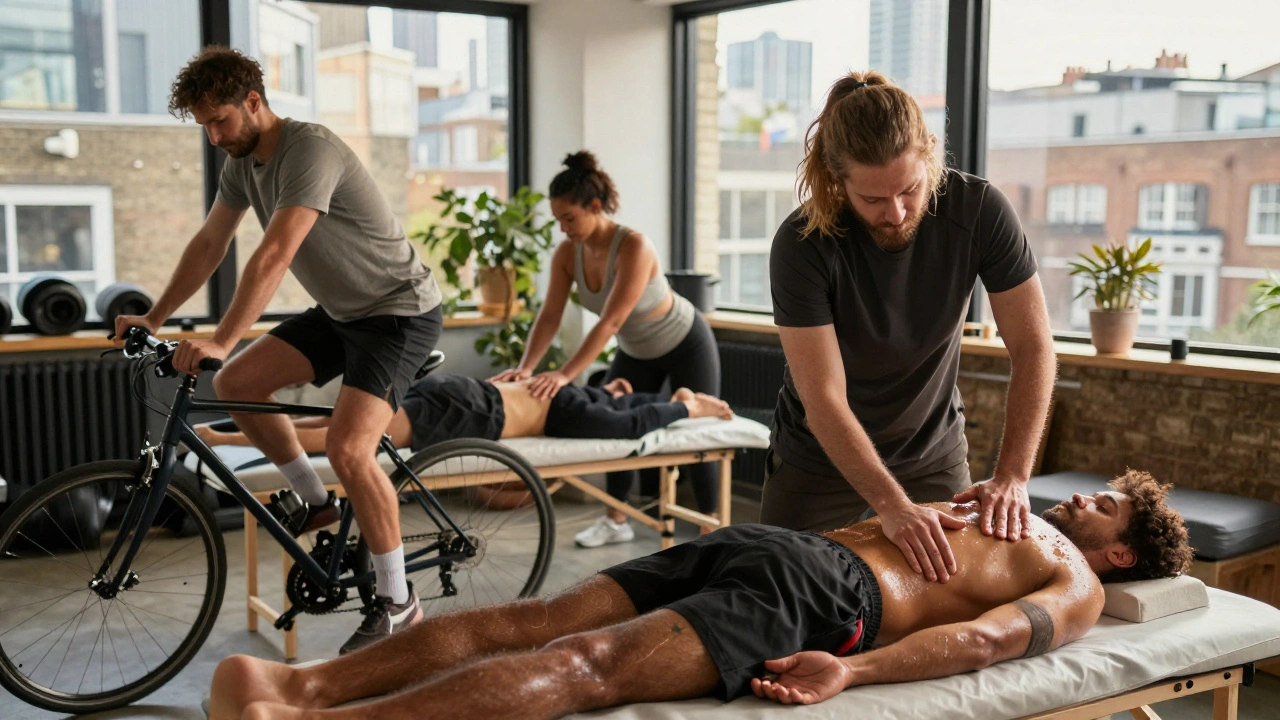
Each session is tailored. If you’re a cyclist, they’ll focus on your quads, glutes, and IT bands. If you’re a dancer, they’ll target your ankles, calves, and hip flexors. No two bodies are the same-and no two sessions should be either.
When to Get It: Timing Matters
There’s no one-size-fits-all schedule. But here’s what works for most people in London:
- Before a big event (48-72 hours out): Light massage to increase circulation and loosen up. Not deep-this is about readiness, not repair.
- After a hard session (within 24 hours): Deeper work to flush out metabolic waste and reduce inflammation. This is when you feel the biggest drop in soreness.
- Weekly maintenance: For regular athletes or people with chronic stiffness, once a week keeps things moving. Many gym-goers in Soho and Camden book Friday afternoons to reset before the weekend.
- During injury recovery: With a doctor’s approval, massage can speed up healing by improving blood flow to damaged tissue. It won’t fix a torn ligament-but it can prevent the surrounding muscles from locking up.
One personal trainer in Battersea told me his clients who skip post-workout massage often end up with nagging injuries that turn into months off. Those who stick with it? They train harder, longer, and without the fear of another flare-up.
What to Expect in Your First Session
Your first appointment should feel like a consultation, not a pressure test. A good therapist will ask:
- What sports or activities do you do?
- Where do you feel tight or painful?
- Have you had any recent injuries?
- What’s your recovery routine like?
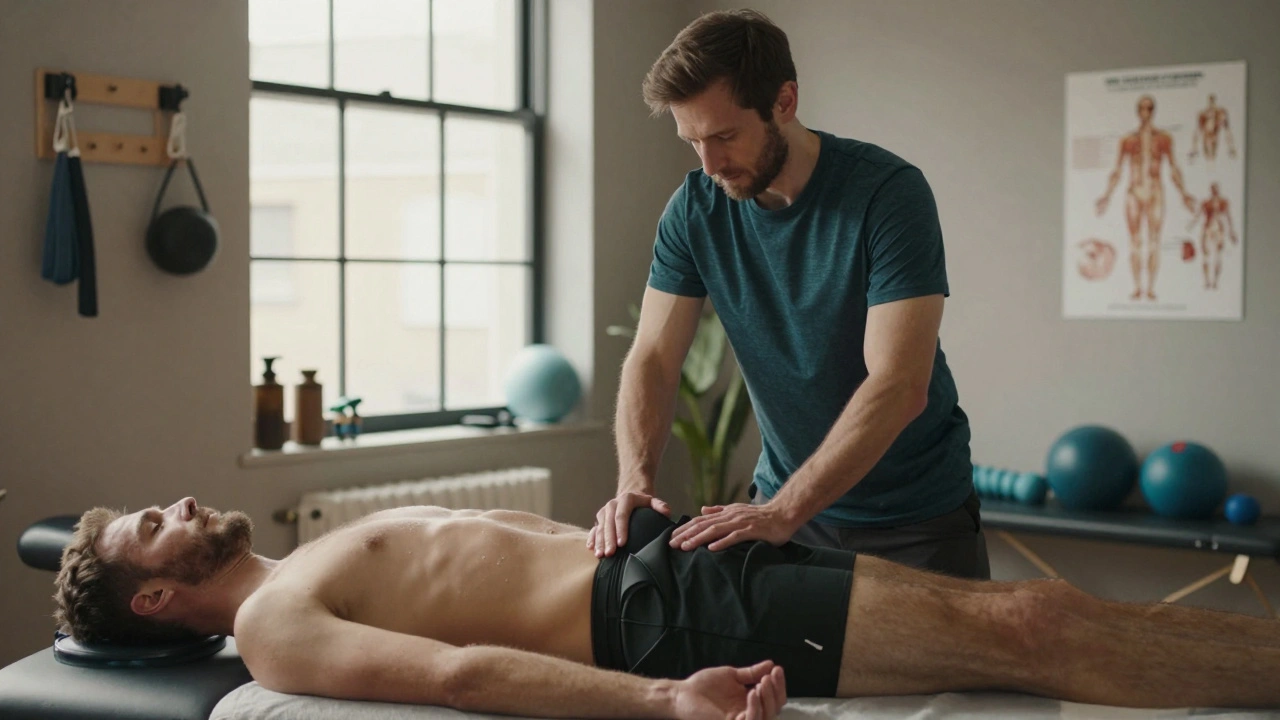
You’ll likely be asked to wear shorts or leggings. The therapist will assess your movement-maybe have you squat or step onto a bench-to see where your body compensates. Then they’ll work on the areas that are overworked or under-recovered.
It might hurt. But it shouldn’t feel like you’re being tortured. Good pain is deep and releasing. Bad pain is sharp, shooting, or makes you tense up. Speak up. A great therapist will adjust pressure on the spot.
Afterward, drink water. Your muscles are flushing out toxins. You might feel a little sore the next day-like after a good workout. That’s normal. If you feel worse after 48 hours, call them. Something’s off.
Where to Find the Best Sports Massage in London
London has hundreds of massage clinics. But not all are created equal. Here’s what to look for:
- Qualifications: Look for therapists with Level 4 or higher in sports massage (CIMSPA or ITEC certified). Avoid places that only offer “relaxation massage” and call it sports.
- Specialization: Do they work with runners? Gym athletes? Team sports? Ask. A therapist who’s worked with a local rugby club knows more about hip mobility than someone who only does spa treatments.
- Location: If you’re in Zone 1-3, many clinics offer after-work slots. Some even do mobile services-perfect if you’re too tired to travel after training.
- Reviews: Read recent reviews on Google or Trustpilot. Look for mentions of “flexibility improved” or “pain gone after one session.”
Top-rated spots in London include Active Recovery Clinic in Islington, MoveWell Therapy in Wimbledon, and London Sports Massage Co. near King’s Cross. All have therapists with backgrounds in physiotherapy or athletic training.
What It Costs
Sports massage isn’t cheap-but it’s cheaper than a physio appointment or a missed race.
- 60-minute session: £70-£90
- 90-minute session: £100-£120
- Package deals: Many clinics offer 5-session bundles for £300-£400 (that’s £60-£80 per session)
- Mobile service: Add £15-£25 for a therapist coming to your home or gym
Some private health insurers like BUPA or AXA cover sports massage if prescribed by a GP or physio. Always check.
What Doesn’t Work
Don’t fall for these myths:
- “More pressure = better results.” No. Too much pressure causes bruising and inflammation. It’s not a contest.
- “One session will fix everything.” If you’ve been sitting at a desk for 10 years and then ran a marathon, one massage won’t undo that. Consistency beats intensity.
- “I can do it myself with a foam roller.” Foam rollers help. But they can’t target deep trigger points or release fascial restrictions like a trained hand can.
And please-don’t go to a spa that offers “sports massage” as a side service. You wouldn’t go to a bakery for heart surgery. Same logic.
Real Results: What People in London Are Saying
James, 38, a cyclist from Richmond: “I used to have chronic IT band pain. After three sessions, I could pedal without wincing. Now I do 100-mile rides on Sundays.”
Maya, 29, a dancer from Camden: “My hip flexors were so tight I couldn’t do a full split. After six weeks of weekly massage and stretching, I’m back in the studio. My choreographer didn’t even notice I’d been out.”
David, 45, a weekend runner from Croydon: “I thought I was too old to recover. I was wrong. Sports massage got me back on the trails. I even signed up for the London Marathon next year.”
Your Next Step
If your body’s screaming for relief, don’t wait until you’re injured. Start now. Book a 60-minute session. Tell them you’re active. Tell them where it hurts. Let them help you move better.
Sports massage isn’t about being an athlete. It’s about being able to move without pain. Whether you’re sprinting, walking the dog, or just reaching for the top shelf, your body deserves to feel free.
How often should I get a sports massage in London?
For most active people, once every 2-4 weeks is ideal. If you’re training hard for an event, once a week for 4-6 weeks before race day helps. For maintenance, every 4-6 weeks keeps muscles loose and prevents stiffness from building up. Listen to your body-if you’re sore for days after a workout, you might need it more often.
Is sports massage painful?
It can be uncomfortable, especially in tight areas, but it shouldn’t be unbearable. A good therapist will check in with you constantly. If you’re clenching your fists or holding your breath, they’re going too deep. Pain should feel like a deep release-not sharp or shooting. Think of it like stretching: a little discomfort, but you know it’s helping.
Can sports massage help with lower back pain?
Yes, often. Lower back pain in Londoners usually comes from tight hips, weak glutes, or stiff hamstrings-not the spine itself. Sports massage targets those surrounding muscles to take pressure off the lower back. Many clients report relief after just one session, especially if their pain is linked to sitting all day or running.
Do I need to be an athlete to benefit?
No. Anyone who moves regularly benefits-from parents chasing kids to office workers with stiff necks. If your job or lifestyle keeps you in one position for hours, your muscles adapt. Sports massage reverses that. You don’t need to run marathons to deserve pain-free movement.
What’s the difference between sports massage and deep tissue massage?
Deep tissue is about applying pressure to release chronic tension. Sports massage is goal-oriented: it’s used to improve performance, prevent injury, and aid recovery. It includes stretching, movement assessment, and specific techniques for athletes. A sports therapist knows how your body moves in your sport. A deep tissue therapist focuses on general muscle knots.
Can I get sports massage if I’m injured?
It depends. For minor strains, sprains, or muscle tightness, yes-especially if it’s been 48-72 hours since the injury. But if you have a fracture, torn ligament, or acute inflammation, wait. Always check with your doctor first. A good sports therapist will know when to hold off and when to help.

Cherie Corbett
January 14, 2026 AT 16:39This is just a fancy way to pay someone to squeeze your muscles and call it science. I’ve been using a tennis ball and a foam roller for years-no clinic needed.
Dentist Melbourne
January 15, 2026 AT 22:30Oh wow, another ‘London is the only place that understands movement’ article? I live in Melbourne and my physio here does the exact same thing for half the price. Also, why is every sports massage therapist suddenly a ‘movement specialist’? They’re not orthopedic surgeons. Stop romanticizing pressure.
Cooper McKim
January 17, 2026 AT 17:23Let’s deconstruct the underlying epistemological fallacy here: conflating myofascial release with physiological adaptation. The study cited has a self-selected sample size, no control group for placebo effect, and conflates correlation with causation. Moreover, ‘flushing out lactic acid’ is a 1990s myth-lactate is a fuel source, not a waste product. The entire premise is built on outdated biomechanical models. This is not science-it’s wellness marketing dressed in physio jargon.
Priya Parthasarathy
January 18, 2026 AT 19:50I love how this post breaks things down so clearly! I’m a yoga teacher in Delhi, and even though I’m far from London, the principles here are universal. My students-whether they’re office workers or dancers-always feel better after targeted work on hips and hamstrings. And yes, hydration afterward is non-negotiable. Thank you for emphasizing that!
Satya Im
January 19, 2026 AT 14:38Indeed, the human musculoskeletal system, when subjected to repetitive mechanical stress-particularly in urban environments characterized by prolonged sedentarism and erratic locomotion patterns-exhibits predictable patterns of fascial restriction and neuromuscular imbalance. Therefore, the application of targeted manual therapy, grounded in contemporary kinesiological principles, serves not merely as a palliative intervention, but as a corrective, preventative, and rehabilitative modality. One must, however, exercise discernment in selecting practitioners: certification, clinical experience, and anatomical literacy are non-negotiable. I have personally observed, over a decade of practice, that consistent biweekly sessions yield cumulative, measurable gains in functional mobility-far surpassing the transient relief offered by passive modalities such as heat or ultrasound.
Joe Pittard
January 20, 2026 AT 03:19Okay, but let’s be real-this article is basically a 2,000-word ad for a handful of London clinics, and the author clearly got paid to write it. I’ve had sports massage from a guy in Brooklyn who used to work with the Knicks, and he didn’t even have a website. He just showed up with a table and a bottle of arnica. And guess what? He fixed my sciatica in three sessions. Meanwhile, these fancy places in Islington charge £90 and make you fill out a 17-page intake form. Also, ‘MoveWell Therapy’? That’s not a name, that’s a corporate branding nightmare. And don’t get me started on ‘London Sports Massage Co.’-who names a business that? It’s like calling your bakery ‘Bread Company.’
Nitz Shofner
January 21, 2026 AT 01:42Myth: massage flushes toxins. Fact: your liver does that. Myth: you need weekly sessions. Fact: if you’re sore for days, you’re overtraining. Myth: this is for everyone. Fact: if you’re not an athlete, stop wasting money. You don’t need a £90 massage to reach the top shelf. Stretch. Move. Sleep. That’s it. Stop buying into the wellness industrial complex.
Naomi Dietrich
January 21, 2026 AT 08:25I went to one of these ‘elite’ clinics after my marathon and the therapist basically just sat on my back like a sumo wrestler. I cried. I screamed. I left with bruises shaped like fingerprints. And then I got a bill for £85. I haven’t been back. If you’re going to hurt me, at least make it worth it. This isn’t torture porn. It’s supposed to help. And none of these people ever tell you that you might need to fix your squat form first. Massage is just a Band-Aid on a broken leg.
brandon garcia
January 22, 2026 AT 19:52YESSSS. This is the truth bomb we needed. I used to think I was too busy for massage-until I got my first session after a 100-mile bike ride. Felt like my muscles had been holding their breath for a year. Now I go every 3 weeks like clockwork. My knees don’t crack anymore. My hamstrings don’t scream when I bend over to tie my shoes. And yeah, it costs a bit-but so does a new pair of running shoes every 6 months. This is the upgrade your body didn’t know it was begging for. Stop waiting for pain to become injury. Get it done. Your future self will high-five you.