
The Art of Head Massage: Simple Techniques for Instant Relief
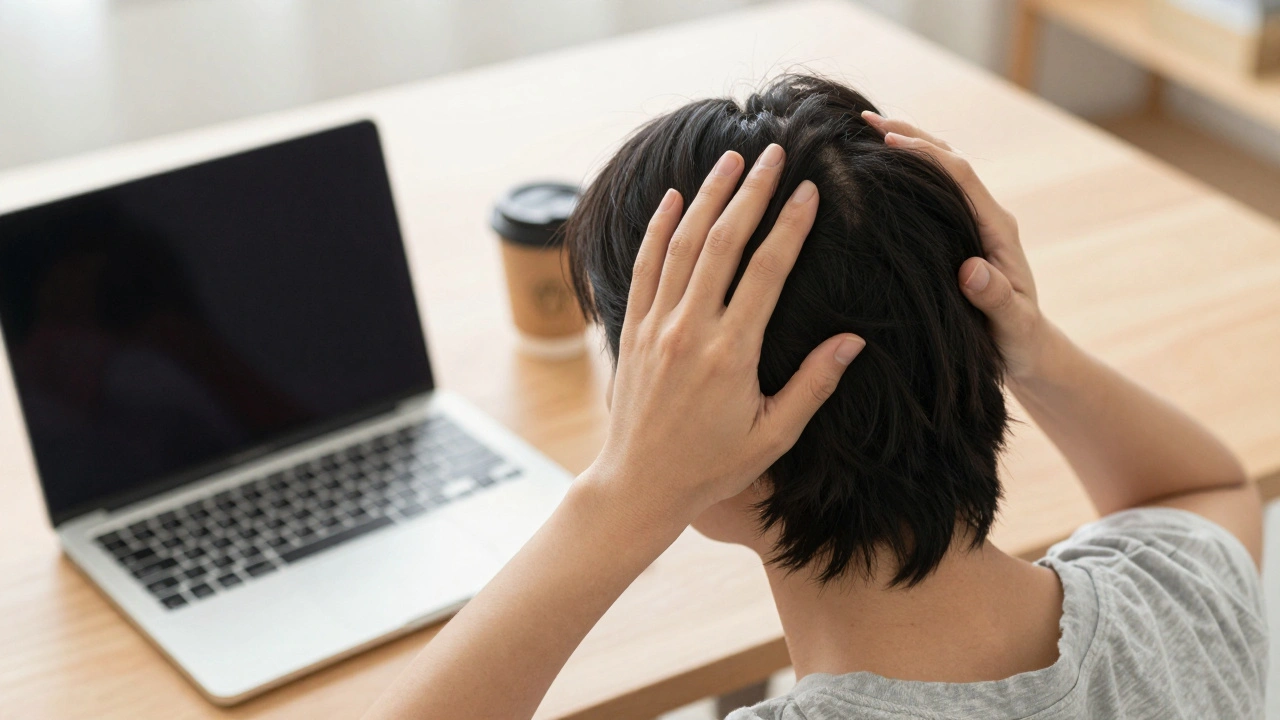
Most people think of a head massage as something you get at a spa - a nice treat after a long week. But the truth is, your scalp and skull are packed with pressure points that, when worked properly, can melt away tension, ease headaches, and even help you sleep better. You don’t need a professional to do it. With just your fingers and a few minutes a day, you can start reaping real benefits.
Why Head Massage Works
Your head isn’t just bone and hair. It’s covered in muscles, nerves, and blood vessels that tighten up from stress, screen time, and poor posture. When your neck and shoulders slump forward all day, the tension pulls up into your scalp. That’s why so many people get tension headaches that feel like a band wrapped around their forehead.
Head massage increases blood flow to the scalp, which delivers more oxygen and nutrients to hair follicles and brain tissue. A 2016 study published in the Journal of Physical Therapy Science found that participants who received daily 15-minute head massages for six weeks reported significantly lower stress levels and improved sleep quality. That’s not magic - it’s physiology.
Unlike full-body massages, head massage doesn’t require oils, tables, or special equipment. You can do it while sitting at your desk, waiting for your coffee, or lying in bed before sleep. It’s one of the most accessible forms of self-care you can practice.
Basic Head Massage Techniques
You don’t need to be a therapist to give yourself a good head massage. These five techniques are simple, safe, and effective.
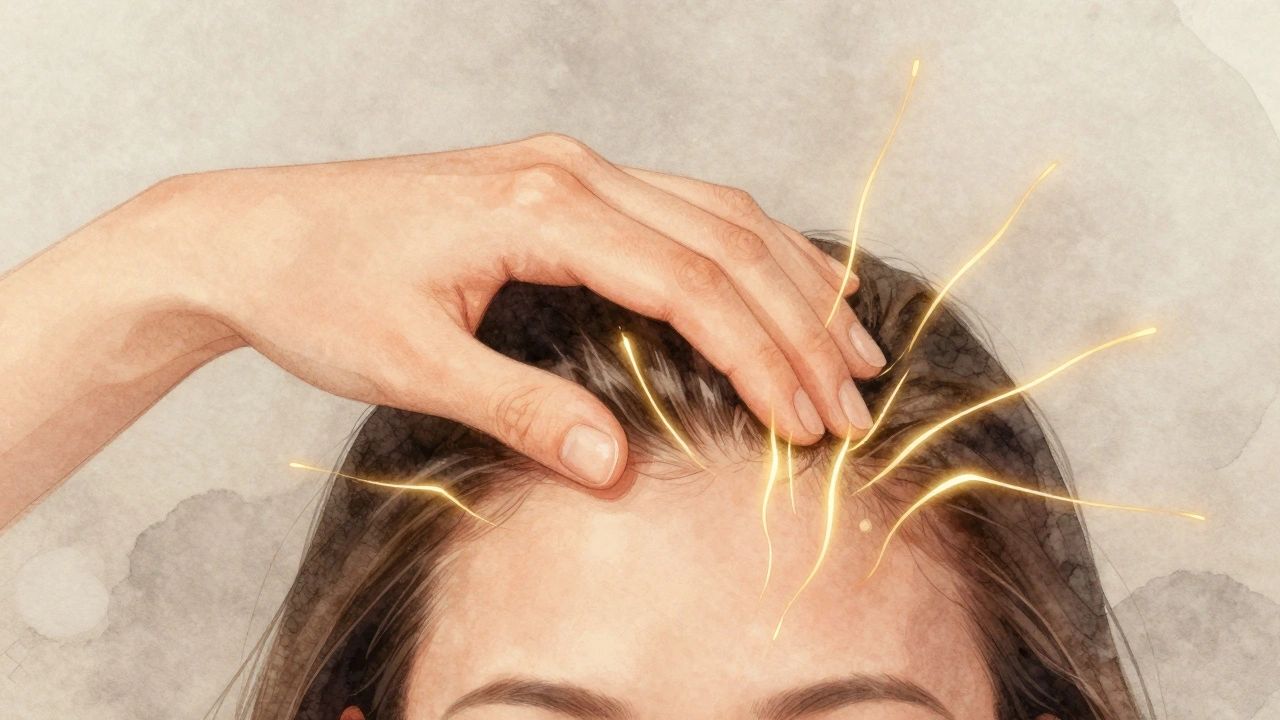
- Scalp Circles - Use your fingertips (not nails) to make small, slow circles across your entire scalp. Start at your forehead and work back toward your neck. Apply light to medium pressure - enough to feel the skin move, but not enough to hurt. Do this for 2-3 minutes. This loosens tight fascia and stimulates circulation.
- Thumb Pressure Along the Hairline - Place your thumbs just above your eyebrows, near the temples. Press gently and slide them outward toward your ears. Repeat 5-8 times. This targets the frontal and temporal muscles, which often hold stress from clenching your jaw or squinting at screens.
- Neck-to-Skull Release - Place your fingers at the base of your skull where it meets your neck. Gently pinch and roll the tissue between your fingers, moving upward toward the crown. Do this for 1-2 minutes. This releases the suboccipital muscles, a common source of migraines and dizziness.
- Ear and Temple Strokes - Use your index and middle fingers to glide from your temples down to your ears. Apply light pressure and move slowly. Repeat 5 times. This calms the trigeminal nerve, which plays a big role in headaches.
- Forehead Glides - Place your flat palms on your forehead. Slowly glide them upward toward your hairline, then outward toward your temples. Repeat 6-8 times. This helps release the frontalis muscle, which tightens when you’re anxious or concentrating hard.
Do these in order, spending about 5-10 minutes total. You’ll feel the difference immediately - a softening around the eyes, a release in the jaw, and a quieting of mental noise.
Indian Head Massage: A Deeper Tradition
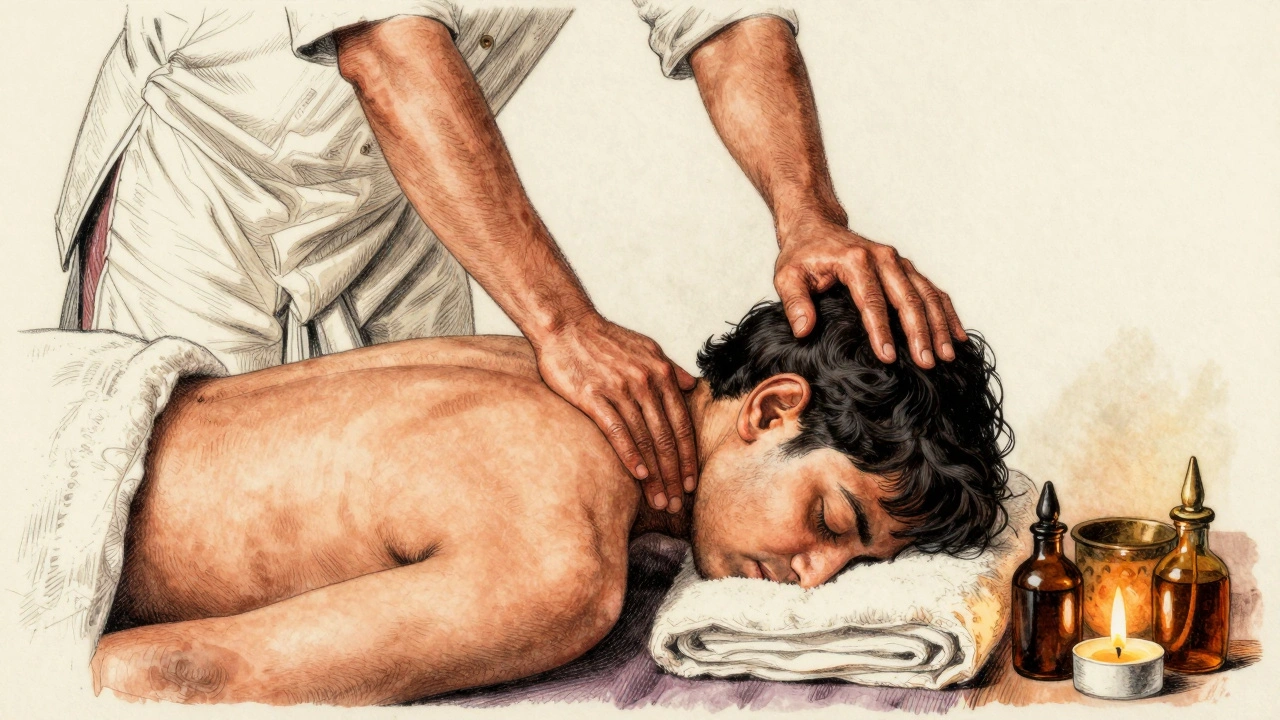
Indian Head Massage, or Champi, has been practiced for over a thousand years in Ayurvedic traditions. It’s not just about the scalp - it includes the neck, shoulders, and upper arms. The goal is to balance the three doshas (vata, pitta, kapha) by stimulating energy channels called marma points.
Modern versions use warm sesame or coconut oil, but you don’t need oil to get results. Even dry massage works well. The key difference from Western head massage is the inclusion of shoulder and arm work. Tight shoulders feed tension into the neck and head. Releasing them breaks the cycle.
Try this simple Indian-inspired routine: After doing the five basic techniques, move your hands to your shoulders. Use your thumbs to press and release along the top of your shoulder blades. Then, gently knead the trapezius muscles from your neck down to your arms. Finish with a few slow strokes down your upper arms. It takes 5 extra minutes - and it makes a huge difference.
When to Use Head Massage
Head massage isn’t just for when you’re in pain. It’s a preventative tool. Here are the best times to use it:
- After 2+ hours of screen time - Your eyes and forehead muscles are strained. A quick 3-minute scalp massage resets them.
- Before bed - Stimulating the vagus nerve through scalp pressure lowers cortisol and triggers relaxation. Many people fall asleep faster after a nightly head massage.
- During a work break - Instead of scrolling, spend 5 minutes massaging your scalp. You’ll return to your task with clearer focus.
- When you feel a headache coming on - Don’t wait for it to peak. Start massaging at the first sign of pressure.
There’s no wrong time. The more you do it, the more your body learns to release tension before it builds up.
What to Avoid
Head massage is safe for most people - but not if done wrong.
- Don’t use your nails - Scratching your scalp can cause micro-tears and irritation. Always use the pads of your fingers.
- Don’t press too hard - Your skull is protected by thin layers of muscle and skin. Excessive pressure can bruise tissue or trigger nerve pain.
- Avoid if you have open wounds, infections, or recent head injuries - Wait until the skin is fully healed.
- Don’t massage if you have uncontrolled high blood pressure or a history of stroke - Increased blood flow to the head can be risky in these cases. Talk to your doctor first.
If you’re unsure, start gently. You can always increase pressure over time.
Tools That Help (But Aren’t Necessary)
You don’t need gadgets to get results - your hands are the best tool. But if you want to enhance your routine, here are a few simple options:
- Wooden scalp massagers - These have rounded teeth that glide smoothly over the scalp. Great for people with long nails or weak fingers.
- Mini vibrating massagers - Look for ones with adjustable speed. Use on low setting only - too much vibration can overstimulate nerves.
- Warm towel - Wrap a warm (not hot) towel around your head for 2 minutes before massaging. It opens up the pores and relaxes muscles.
None of these are required. Many people find their own fingers work better than any tool.
Real Results, Real People
One woman in Bristol, Sarah, started doing 5-minute head massages every night after her toddler went to bed. She’d been getting migraines 3-4 times a week. After two weeks, they dropped to once a week. After a month, they vanished. She didn’t change her diet, sleep schedule, or meds. Just added head massage.
A man in his 50s, Mark, used to get tension headaches after long drives. He began massaging his scalp during traffic lights. Within days, he noticed he was less irritable behind the wheel. He started doing it during Zoom calls too. His colleagues thought he was meditating. He was just releasing tension.
These aren’t outliers. They’re people who found a simple, free, and powerful tool.
Make It a Habit
The key to lasting benefit is consistency. You don’t need to do it for an hour. Five minutes, three times a week, is enough to start seeing changes. Set a reminder. Do it while brushing your teeth. Do it after your morning coffee. Link it to something you already do.
Keep a small journal. Note how you felt before and after. Over time, you’ll notice patterns: "Felt better after massaging on Tuesdays," or "Didn’t get a headache after doing it before bed." That’s your body telling you what works.
Head massage isn’t a cure-all. But it’s one of the few things you can do right now, with no cost, no equipment, and no side effects, that actually changes how you feel.
Can head massage help with hair growth?
Yes, indirectly. While head massage doesn’t change your genetics or hormone levels, it increases blood flow to the scalp, which delivers more nutrients to hair follicles. A 2019 study in the Journal of Physical Therapy Science showed participants who massaged their scalp for 4 minutes daily for 24 weeks experienced increased hair thickness. It’s not a miracle cure, but it supports healthy growth.
How often should I do a head massage?
For general stress relief, 3-5 times a week is ideal. If you’re dealing with frequent headaches or high stress, daily 5-minute sessions work best. Even once a week helps if you’re just starting out. The key is consistency, not duration.
Is head massage safe during pregnancy?
Yes, it’s generally safe and often recommended for pregnancy-related headaches and tension. Avoid deep pressure on the neck and shoulders if you have high blood pressure. Stick to light, soothing strokes. Always check with your midwife if you have any complications.
Can I do head massage on someone else?
Absolutely. Many people give head massages to partners, children, or elderly parents. Use the same techniques, but ask for feedback on pressure. Some people prefer lighter touch. Make sure they’re seated comfortably and their neck is supported.
Why does my head feel tingly after a massage?
That tingling is normal. It means you’re stimulating nerve endings and improving circulation. Your body is waking up to sensations it’s been ignoring. The feeling usually fades within minutes. If it turns into pain or numbness, stop and consult a professional.
Next Steps
Start today. Set a timer for 5 minutes. Sit quietly. Use your fingertips. Follow the five basic techniques. Don’t worry about doing it perfectly. Just move your hands over your scalp and notice how it feels.
After a week, you’ll know if it’s working for you. If it is, make it part of your routine. If not, try adjusting pressure or timing. There’s no one-size-fits-all. Your body will tell you what it needs.
Head massage is quiet, simple, and powerful. You don’t need a spa. You don’t need to spend money. You just need your hands - and five minutes a day.

Chase D
December 3, 2025 AT 14:08Nina Khvibliani
December 4, 2025 AT 11:19Rosanne van der Greft
December 4, 2025 AT 22:04Christopher Dan Rangaka
December 5, 2025 AT 22:14Rajesh Kumar bisai
December 7, 2025 AT 02:03Ariel Lauren
December 8, 2025 AT 03:39Vishal saini
December 8, 2025 AT 16:13Steve Wilson
December 10, 2025 AT 13:23