The Cultural Significance of Thai Massage in Thailand
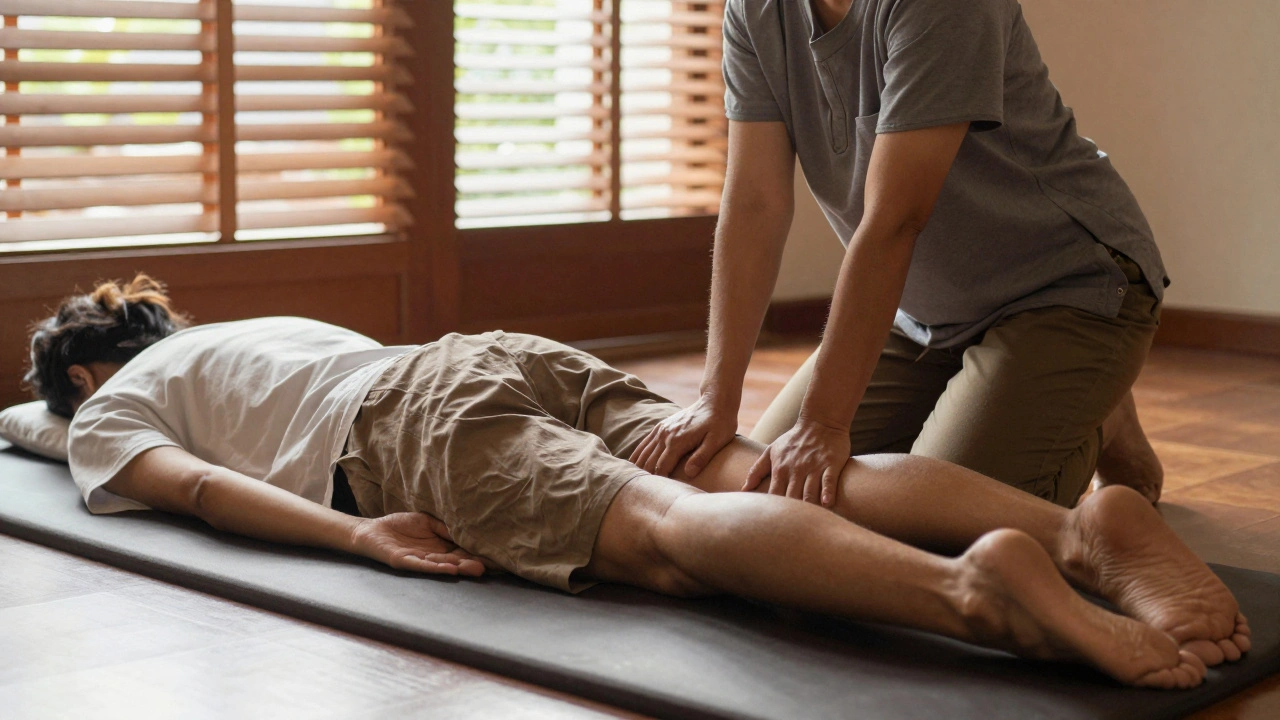
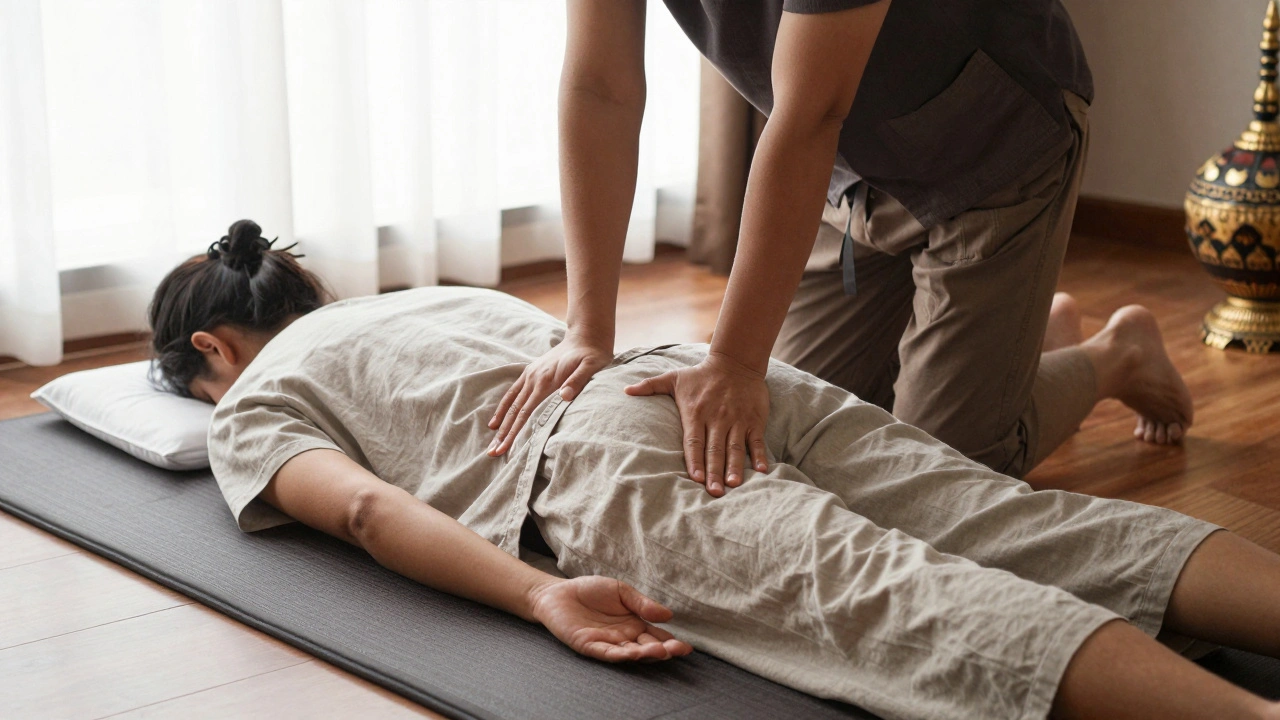
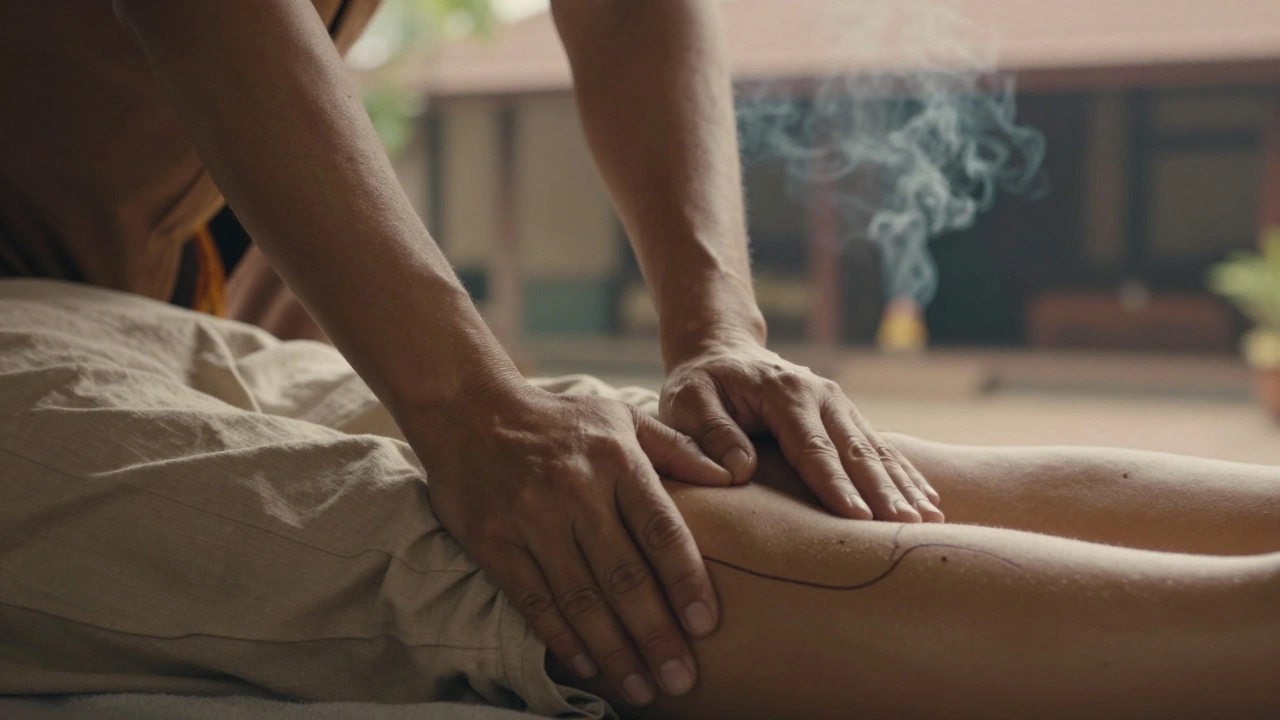
Thai massage isn’t just a treatment-it’s a living tradition passed down through generations in Thailand. Unlike Western massage styles that focus on muscles and pressure points, Thai massage weaves together acupressure, yoga-like stretches, and energy line work into a single, flowing experience. It’s performed on a mat on the floor, fully clothed, with no oils. The practitioner uses their hands, thumbs, elbows, knees, and even feet to guide the recipient through a series of movements that feel like being gently pulled and stretched by a skilled dancer.
Rooted in Ancient Healing Systems
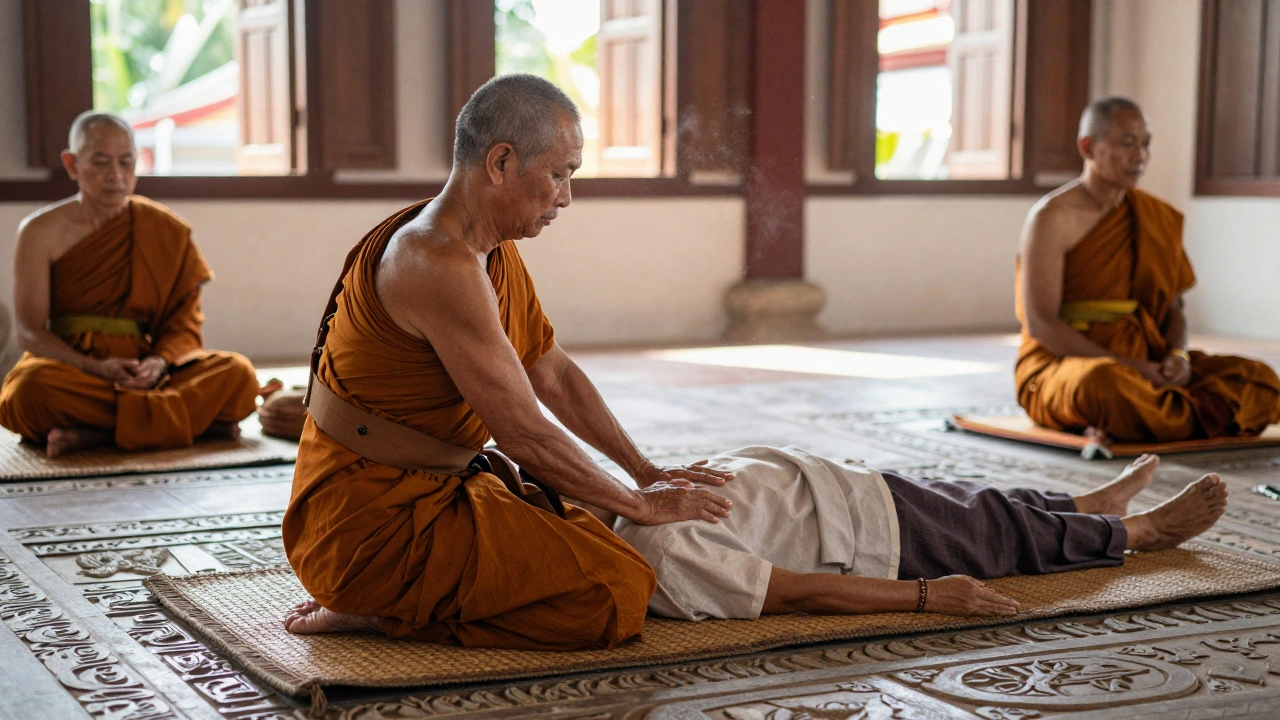
Thai massage traces its origins back over 2,500 years to the time of Shivago Komarpaj, a physician and contemporary of the Buddha. He’s revered as the father of Thai medicine and is believed to have combined Indian Ayurvedic principles, Chinese meridian theory, and indigenous Thai healing practices. This blend didn’t happen in a lab-it evolved in temples, where monks treated the sick and injured using touch, breath, and movement as medicine.
Today, the Wat Po Temple in Bangkok remains the spiritual heart of Thai massage. Its walls are covered with over 10,000 diagrams of energy lines, called sen lines, which are the foundation of the practice. These aren’t just artistic drawings-they’re a map of how energy flows through the body. There are 72,000 sen lines in total, but practitioners focus on ten primary ones that connect major organs and joints. Pressing or stretching along these lines is meant to release blockages and restore balance.
A Ritual, Not a Service
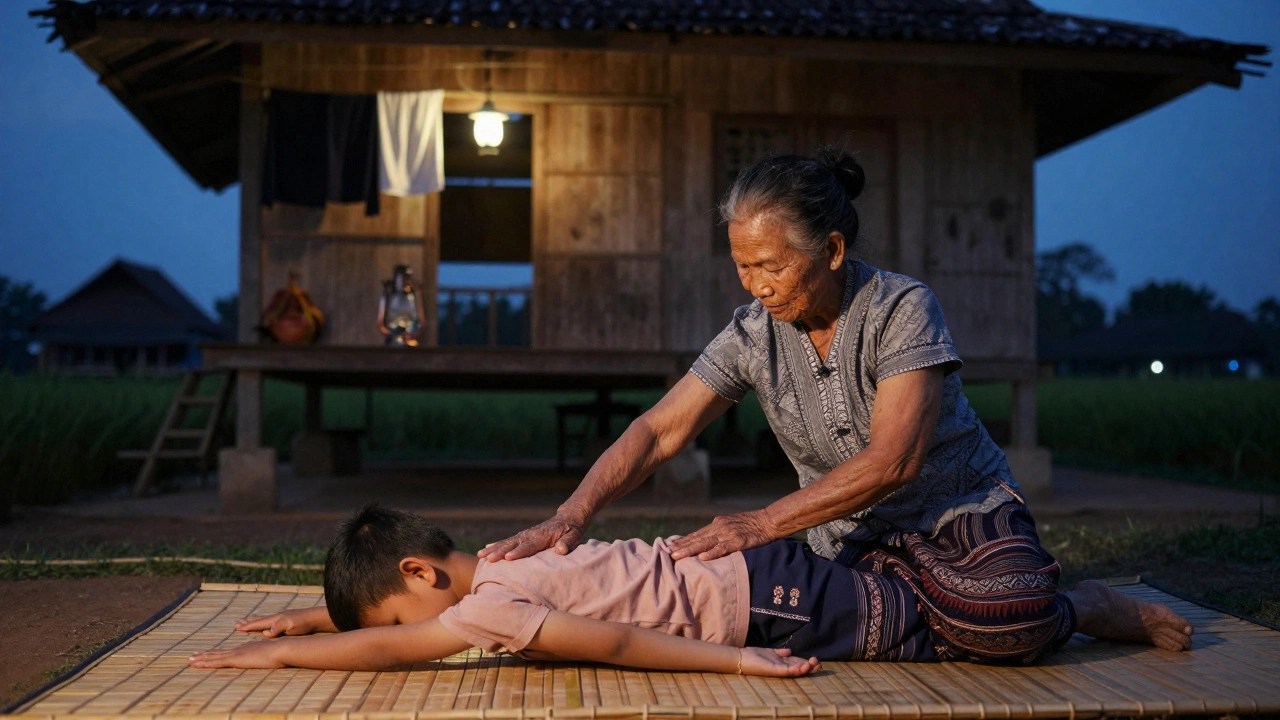
In Thailand, Thai massage is often part of daily life. It’s not something you do only when you’re sore or stressed. Families pass down techniques from grandparents to grandchildren. Farmers use it to recover from long days in the fields. Monks practice it to maintain flexibility and mental clarity. Even in rural villages, you’ll find elders giving massages to neighbors in exchange for rice or vegetables.
There’s no rush. A traditional session lasts 90 to 120 minutes. The rhythm is slow, deliberate. The practitioner doesn’t just move your limbs-they observe your breathing, your posture, your reactions. If you flinch at a stretch, they adjust. If you sigh deeply, they know they’ve hit the right spot. This isn’t a transaction. It’s a quiet conversation between two people.
The Role of Intention and Spirit
Before every session, practitioners often begin with a short prayer or bow. This isn’t performative-it’s practical. In Thai culture, healing is tied to intention. The belief is that energy flows more freely when the healer’s heart is calm and focused. Many still learn at temple schools where students memorize chants, study herbal remedies, and meditate before touching a client.
There’s no such thing as a "good" or "bad" massage in this context. What matters is whether the session was done with awareness. A practitioner who rushes through the moves might be technically skilled, but they’re missing the point. The real work happens in the quiet moments-the pause before a stretch, the gentle pressure applied with the knuckle, the way the breath syncs between giver and receiver.
Why It’s Different From Other Massage Styles
Compare Thai massage to Swedish massage. Swedish uses long strokes, kneading, and light pressure to relax muscles. Thai massage doesn’t care if your muscles are tight-it cares if your energy is stuck. It doesn’t aim to "loosen" your back. It aims to open your sen lines so energy can move again.
It’s also not just about touch. Thai massage includes passive yoga. The practitioner moves your body into stretches you couldn’t do on your own. You’re not asked to flex or hold a pose-you’re guided. This is why many people say they feel taller afterward. It’s not magic. It’s alignment.
And unlike hot stone or aromatherapy, Thai massage uses no heat, no scents, no music. Just the sound of breath and the quiet rustle of fabric. This simplicity is intentional. It removes distractions so the body can respond naturally.
Modern Life Meets Ancient Practice
Today, Thai massage is popular worldwide. You’ll find it in spas from Sydney to San Francisco. But outside Thailand, it’s often stripped of its cultural context. Some places call it "Thai yoga massage" and add background music. Others shorten sessions to 30 minutes and charge premium prices. These adaptations aren’t wrong-but they’re not the same.
In Thailand, the practice is still protected. The government recognizes it as an intangible cultural heritage. Only certified schools can teach it. The Wat Po school alone trains over 10,000 students a year. Certification requires not just technique, but knowledge of anatomy, ethics, and history. You can’t just take a weekend course and call yourself a Thai massage therapist.
Even in cities like Chiang Mai or Phuket, you’ll see local practitioners who learned from their parents. They don’t advertise on Instagram. They work out of small clinics, often near temples. Their clients are Thai workers, monks, and elderly locals-not tourists.
What You Lose When You Strip Away the Culture
When Thai massage becomes just another spa treatment, you lose something vital. You lose the connection to the land, the history, the quiet spirituality. You lose the understanding that healing isn’t something you pay for-it’s something you receive when you’re ready.
There’s a reason why people who’ve had authentic Thai massage in Thailand often say they felt "seen" in a way they never did before. It’s because the practice was never meant to fix you. It was meant to remind you that you’re part of a larger flow-of breath, of energy, of generations.
How to Find an Authentic Experience
If you’re looking for real Thai massage outside Thailand, look for these signs:
- The practitioner uses no oils and you stay fully clothed.
- The session lasts at least 90 minutes.
- There’s no music, no scented candles, no fancy décor.
- The therapist speaks about sen lines or energy flow, not just "muscle tension."
- You’re asked to breathe deeply, not told to "relax."
Ask where they trained. If they say "online course" or "certified in 2023," keep looking. Authentic practitioners often trained in Thailand for months or years. Some still return to Wat Po every few years to refresh their practice.
The Real Gift of Thai Massage
Thai massage doesn’t promise pain relief. It doesn’t claim to cure arthritis or back pain. What it offers is deeper: a moment of stillness in a noisy world. A chance to be held, guided, and cared for-not by a machine or a product, but by another human who’s been trained in centuries-old wisdom.
In Thailand, they don’t call it "massage." They call it nuad boran-"ancient massage." The word itself carries weight. It’s not just a technique. It’s a cultural artifact. A way of remembering who we are when we stop trying to fix ourselves and simply let go.
Is Thai massage the same as yoga?
Thai massage is often called "passive yoga" because the practitioner moves your body into stretches you can’t do alone. But it’s not yoga. Yoga requires active participation-breath control, focus, and personal effort. Thai massage is about surrender. You don’t need to stretch, hold, or breathe in any particular way. The practitioner does all the work. The goal isn’t flexibility-it’s energy flow.
Do you need to be flexible to get Thai massage?
No. In fact, people who are stiff or tight often benefit the most. Thai massage works with your body as it is, not how it should be. If you can’t touch your toes, that’s fine. The practitioner adjusts every stretch to your comfort level. The point isn’t to bend you into a pretzel-it’s to help your body release tension it’s been holding onto.
Can Thai massage help with chronic pain?
Many people with chronic back pain, stiff shoulders, or tight hips report relief after regular sessions. It’s not a cure, but it can reduce tension that contributes to pain. Unlike deep tissue massage, which targets muscles directly, Thai massage works on the energy pathways that influence how your body feels pain. Some studies from Mahidol University in Bangkok show improved mobility and reduced pain scores after 10 sessions, especially for people with lower back issues.
Why is Thai massage done on the floor?
The floor allows the practitioner to use their whole body-feet, knees, elbows-to apply pressure and guide stretches. It also creates a grounded, stable environment that mirrors traditional temple settings. Working on a table limits movement and makes it harder to perform the full range of stretches. The floor also helps you feel more connected to the earth, which is part of the practice’s spiritual foundation.
Is Thai massage painful?
It can be intense, but it shouldn’t hurt. You might feel a deep stretch or pressure that feels like "good pain," similar to a deep tissue massage. But if you feel sharp pain, burning, or numbness, speak up. A skilled practitioner will adjust immediately. Pain means you’re resisting, not releasing. The goal is comfort with challenge-not discomfort.
Thai massage isn’t about getting a quick fix. It’s about reconnecting with a tradition that values presence over performance. Whether you’re in a temple in Chiang Mai or a quiet studio in Melbourne, the real gift is the same: the chance to be held, guided, and quietly healed.