
Transform Your Wellness Routine with Massage in East London
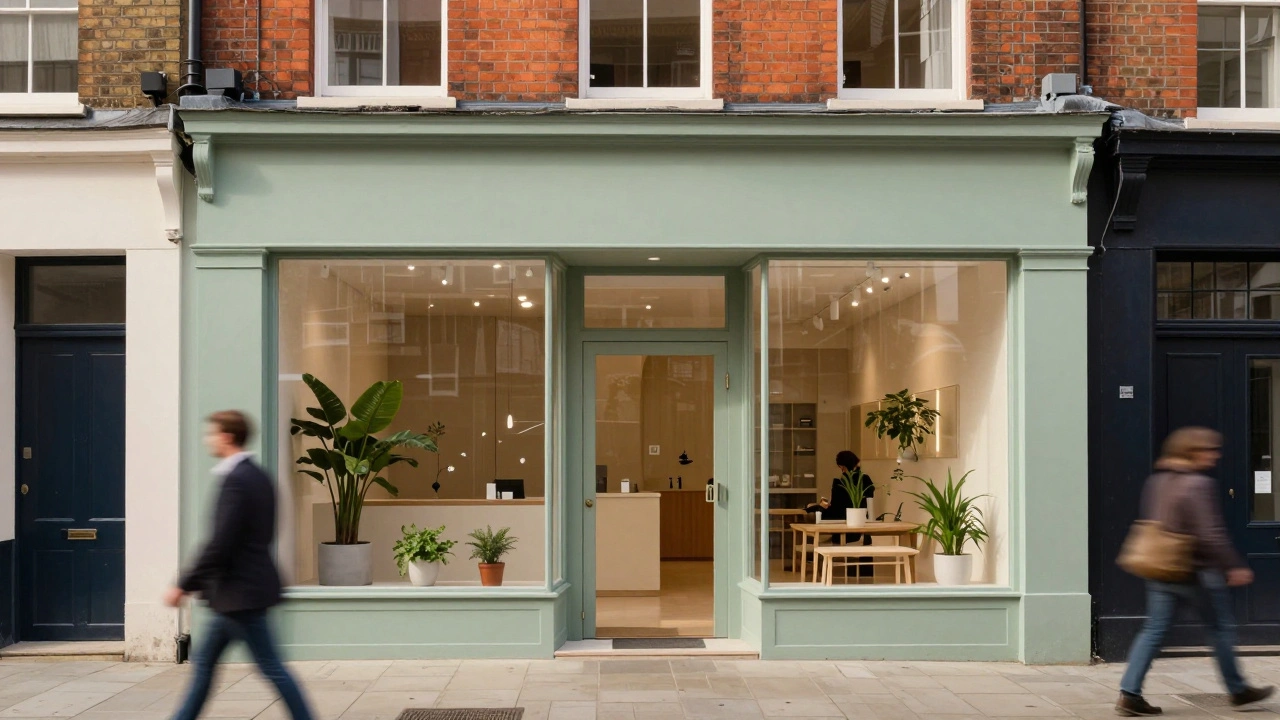
You wake up feeling stiff after a long week of commuting across the city, yet you cannot find the time to truly stop and breathe. This is the reality for many residents navigating the fast-paced lifestyle of East London. We often treat self-care as a luxury rather than a necessity until our bodies send us a signal we can ignore no longer. Integrating regular massage therapy into your schedule isn’t just about pampering yourself; it is a strategic move for maintaining physical function and mental clarity. When you focus on consistent care, you change how you approach daily stressors.
Why Geography Matters for Your Healing
Finding the right practitioner close to home or work removes friction from the process. East London offers a diverse range of clinics, from boutique studios in Shoreditch to larger wellness centers near Canary Wharf. Proximity matters because travel fatigue can cancel out some benefits of a session. If you spend forty-five minutes getting to a therapist, you lose valuable restorative time. Locating services within your commute radius ensures consistency becomes easier to sustain over months and years.
The region supports a high concentration of qualified therapists who understand local stress factors. Urban dwellers face unique challenges like noise pollution, sedentary office jobs, and irregular sleep patterns. Therapists in this area often tailor techniques to address neck strain from desk work or muscle tension from carrying bags on the Tube. Knowing the specific needs of the community helps you ask the right questions when booking.
Selecting the Right Technique for Your Goals
Not every session provides the same result. Understanding the differences between modalities helps you build a routine that actually works. Here is a breakdown of the most effective options available locally.
| Technique | Best For | Pressure Level | Frequency Recommendation |
|---|---|---|---|
| Swedish Massage | General relaxation, circulation | Light to Medium | Monthly maintenance |
| Deep Tissue Massage | Chronic pain, tight muscles | Medium to Heavy | Every 3-4 weeks |
| Sports Massage | Injury prevention, athletes | Variety | Weekly during training |
| Aromatherapy | Mood enhancement, sleep issues | Light | Bi-monthly |
Building a Sustainable Wellness Routine
Consistency beats intensity every time. Many people book one amazing session and then wait six months for the next, missing the point of cumulative benefits. Think of it like exercise; a single workout does not build fitness, just as one massage does not fully reverse chronic tension. You need a rhythm that fits your budget and schedule.
Start small. Commit to a monthly slot. If finances allow, consider quarterly packages offered by many clinics in Hackney and Walthamstow. These often come with discounted rates, making the investment feel more manageable. Mark the calendar immediately after booking so you do not forget. Life gets busy, and without a set appointment, those plans slip away easily. Treat this block of time as non-negotiable medical maintenance rather than optional fun.

The Science Behind the Touch
Physical touch triggers physiological changes that benefit your nervous system. When a therapist applies pressure to soft tissue, they stimulate blood flow and help release toxins accumulated in muscles. This process reduces cortisol levels significantly. Lower cortisol means better sleep quality and reduced anxiety. Research consistently shows that regular bodywork improves immune response and lowers blood pressure over time. It is not magic; it is biology responding appropriately to stimulation.
Beyond the physical, there is a psychological reset. In a digital age where our attention is constantly fragmented, thirty minutes without a phone allows your brain to disengage. This state of mind promotes creative problem-solving and emotional regulation. You return to your responsibilities not only physically lighter but mentally sharper. The combination of relaxation and cognitive clarity is something you rarely get elsewhere.
Finding a Trustworthy Practitioner
Credentials matter immensely when you hand over control of your comfort. Look for therapists registered with recognized bodies like the CNHC (Complementary and Natural Healthcare Council) in the UK. This ensures they have met minimum safety and ethical standards. Do not hesitate to read reviews from other locals who know the area well. Ask friends for referrals, especially if they share your specific health needs.
A good clinic should make you feel safe from the moment you walk in. They will explain their methods clearly and listen to your pain points before starting. Communication is key. If pressure feels too intense or too light, speak up immediately. Professionalism includes adjusting the treatment to your feedback rather than ignoring discomfort to finish quickly. Always prioritize practitioners who value your input over rigid protocols.

Integrating Self-Care Between Sessions
While professional sessions are powerful, daily habits extend their effects. Stretching regularly prevents muscles from tightening back up while you sit at your desk. Drinking enough water helps flush metabolic waste released during manual work. Some people find using a foam roller helpful on days between visits to maintain mobility. Small actions reinforce what the therapist has done.
Listen to your body signals. If you notice recurring knots, add heat packs or magnesium baths to your evening wind-down ritual. Prevention is always cheaper and less painful than fixing severe issues later. Taking proactive steps shows you value your long-term health over short-term convenience.
Maximizing Value and Time
Scheduling logistics can impact your experience. Try to book morning slots or late evenings when the clinic is quieter. This gives you a calmer arrival without rushing through traffic or crowds. Arriving ten minutes early allows you to settle in, drink water, and complete any intake forms without stress. Bring comfortable clothes or a bag to keep fresh outfits ready so you aren't worried about laundry afterward.
Consider combining treatments for deeper results. Some spas offer packages pairing hydrotherapy with manual work. Water immersion followed by pressure work creates a powerful synergy for muscle relaxation. While this costs more, the depth of recovery might justify the expense for serious athletes or those with significant injuries. Evaluate whether premium services offer returns that standard bookings cannot match.
Is massage covered by insurance in East London?
Some private health insurers cover massage therapy if prescribed for rehabilitation purposes. Contact your provider directly to check specific policy details regarding manual therapies in the UK.
How often should I get a massage?
For general wellness, once a month is ideal. For chronic pain or high-intensity sports training, weekly or bi-weekly sessions provide better results. Listen to your body's needs.
What should I wear to my session?
Most people undress to their comfort level under the sheets. You only need to expose the areas being worked on. Wear loose clothing after to avoid irritation.
Can I combine different types of massage?
Yes, many therapists specialize in combined approaches like Swedish followed by Deep Tissue. Discuss your goals beforehand so they can plan the correct sequence.
Are there affordable options available locally?
Yes, university training centers and student-run clinics often offer lower rates under supervision. Booking online in advance may also unlock promotional discounts in East London.